

Asian pears, often referred to as “apple pears” due to their crisp texture and round shape, are a unique fruit that has gained popularity in various parts of the world. Originating from East Asia, particularly China, Korea, and Japan, these fruits belong to the genus Pyrus and are distinct from the more commonly known European pears. Asian pears are characterized by their firm, crunchy flesh and a sweet, juicy flavor that sets them apart from their European counterparts.
They are typically round or oval in shape and have a smooth, yellowish-brown skin that can sometimes exhibit a slight russeting. The cultivation of Asian pears dates back thousands of years, with historical records indicating their presence in ancient Chinese texts. Over time, they have become an integral part of Asian cuisine and culture, often enjoyed fresh, poached, or incorporated into various dishes.
Their unique texture and flavor profile make them a versatile ingredient in both sweet and savory recipes. As global interest in diverse fruits continues to grow, Asian pears have found their way into markets around the world, appealing to those seeking new flavors and health benefits.
Key Takeaways
- Asian pears, also known as apple pears, are a sweet and juicy fruit that originated in East Asia and are now popular worldwide.
- Asian pears are low in calories and fat, and high in fiber, making them a nutritious snack or addition to meals.
- The high fiber content in Asian pears can aid in digestion and prevent constipation, promoting overall digestive health.
- Asian pears contain potassium and dietary fiber, which can contribute to heart health and lower the risk of cardiovascular disease.
- Incorporating Asian pears into your diet can support weight management, as they are low in calories and high in fiber, promoting a feeling of fullness and reducing overeating.
Nutritional Value of Asian Pears
Asian pears are not only delicious but also packed with essential nutrients that contribute to overall health. A medium-sized Asian pear typically contains about 100 calories, making it a low-calorie snack option. They are an excellent source of dietary fiber, providing around 5-6 grams per fruit.
This fiber content is crucial for maintaining digestive health and can help regulate blood sugar levels. Additionally, Asian pears are rich in vitamins and minerals, including vitamin C, potassium, and small amounts of vitamin K and folate. The vitamin C content in Asian pears plays a vital role in supporting the immune system and promoting skin health.
Potassium is essential for maintaining healthy blood pressure levels and proper muscle function. Furthermore, the antioxidants found in Asian pears, such as flavonoids and phenolic compounds, contribute to their health-promoting properties. These antioxidants help combat oxidative stress in the body, reducing the risk of chronic diseases.
Overall, the nutritional profile of Asian pears makes them a valuable addition to a balanced diet.
Health Benefits of Asian Pears
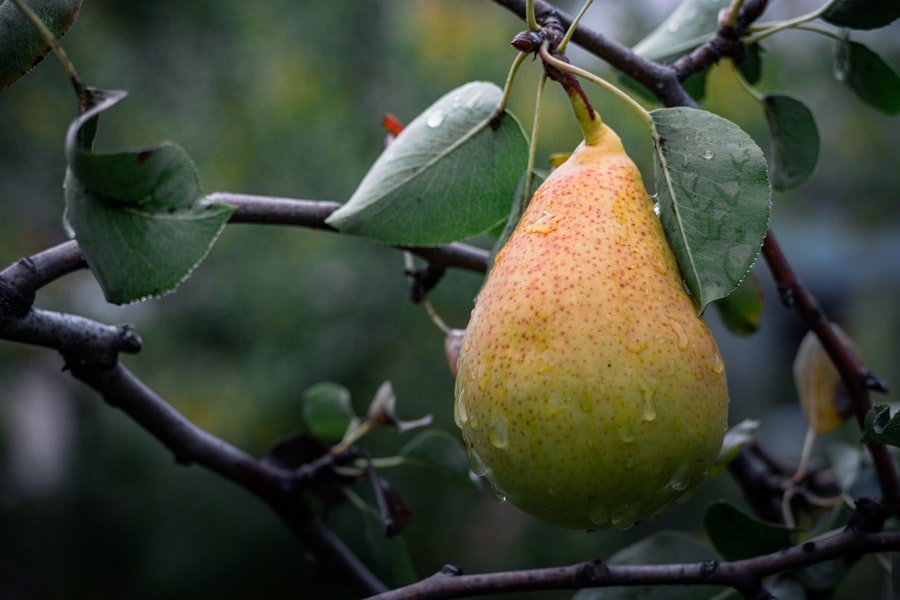
The health benefits of Asian pears extend beyond their nutritional value. Regular consumption of this fruit has been linked to various positive health outcomes. One of the most notable benefits is their potential role in weight management.
The high fiber content in Asian pears promotes satiety, helping individuals feel full for longer periods. This can be particularly beneficial for those looking to control their weight or reduce calorie intake. Moreover, the natural sugars present in Asian pears provide a quick source of energy without causing significant spikes in blood sugar levels.
This makes them an ideal snack for individuals with diabetes or those seeking to maintain stable energy levels throughout the day. Additionally, the antioxidants found in Asian pears may help reduce inflammation in the body, further contributing to overall health and well-being.
Asian Pears and Digestive Health
| Asian Pears and Digestive Health | Benefits |
|---|---|
| Fiber Content | Asian pears are a good source of dietary fiber, which can aid in digestion and prevent constipation. |
| Water Content | They have high water content, which helps in keeping the digestive system hydrated and functioning properly. |
| Prebiotic Properties | Asian pears contain prebiotic compounds that promote the growth of beneficial gut bacteria, supporting overall digestive health. |
| Low in Fat | They are low in fat, making them easy to digest and suitable for those with digestive issues. |
Asian pears are particularly beneficial for digestive health due to their high fiber content. Dietary fiber is essential for maintaining regular bowel movements and preventing constipation. The soluble fiber found in Asian pears can also help regulate cholesterol levels by binding to bile acids in the digestive tract.
This process aids in the elimination of excess cholesterol from the body, promoting heart health as well. Furthermore, the water content in Asian pears contributes to hydration, which is crucial for optimal digestive function. Staying hydrated helps soften stool and supports the overall digestive process.
The presence of natural enzymes in Asian pears may also aid digestion by breaking down food more efficiently. Incorporating Asian pears into one’s diet can thus lead to improved digestive health and a reduced risk of gastrointestinal issues.
Asian Pears and Heart Health
Heart health is another area where Asian pears shine due to their impressive nutritional profile. The combination of fiber, potassium, and antioxidants makes them a heart-friendly fruit. The soluble fiber helps lower LDL cholesterol levels, which is often referred to as “bad” cholesterol.
By reducing LDL cholesterol, individuals can lower their risk of developing heart disease and other cardiovascular conditions. Potassium plays a crucial role in maintaining healthy blood pressure levels by counteracting the effects of sodium in the body. A diet rich in potassium can help relax blood vessel walls, leading to improved circulation and reduced strain on the heart.
Additionally, the antioxidants present in Asian pears help combat oxidative stress, which can contribute to inflammation and damage to blood vessels over time. By incorporating Asian pears into a heart-healthy diet, individuals can take proactive steps toward maintaining cardiovascular wellness.
Asian Pears and Weight Management
In the realm of weight management, Asian pears offer a satisfying solution for those looking to maintain or lose weight. Their high fiber content not only promotes feelings of fullness but also aids in digestion, which can be beneficial for weight control. Fiber-rich foods tend to be more filling than low-fiber options, leading individuals to consume fewer calories overall.
Moreover, the natural sugars found in Asian pears provide a sweet taste without the added calories often associated with processed snacks. This makes them an excellent alternative to sugary treats that can lead to weight gain. The low-calorie nature of Asian pears allows individuals to enjoy a nutritious snack without guilt while still satisfying their sweet cravings.
By incorporating these fruits into meals or snacks, individuals can create a balanced approach to weight management that emphasizes whole foods.
Asian Pears and Immune System Support
The immune-boosting properties of Asian pears are largely attributed to their vitamin C content and antioxidant profile. Vitamin C is well-known for its role in supporting immune function by stimulating the production of white blood cells, which are essential for fighting off infections and illnesses. Regular consumption of vitamin C-rich foods like Asian pears can enhance the body’s ability to ward off common colds and other viral infections.
In addition to vitamin C, the antioxidants found in Asian pears help protect cells from oxidative damage caused by free radicals. This protective effect can strengthen the immune system over time, reducing the risk of chronic diseases associated with inflammation and oxidative stress. Including Asian pears as part of a varied diet rich in fruits and vegetables can provide essential nutrients that support overall immune health.
Asian Pears and Skin Health
Asian pears also contribute positively to skin health due to their hydrating properties and nutrient content. The high water content in these fruits helps keep the skin hydrated from within, promoting a healthy complexion. Adequate hydration is essential for maintaining skin elasticity and preventing dryness or flakiness.
Furthermore, the vitamin C found in Asian pears plays a crucial role in collagen synthesis, which is vital for skin structure and firmness. Collagen is a protein that helps maintain skin elasticity and reduces the appearance of fine lines and wrinkles. The antioxidants present in Asian pears also help combat skin damage caused by environmental factors such as UV radiation and pollution.
By incorporating this fruit into one’s diet, individuals can support their skin’s health while enjoying its delicious flavor.
How to Incorporate Asian Pears into Your Diet
Incorporating Asian pears into your diet can be both enjoyable and versatile due to their unique flavor profile and texture. One simple way to enjoy them is by eating them fresh as a snack or adding them to salads for an extra crunch. Their crispness pairs well with leafy greens, nuts, and cheese, creating a delightful contrast of flavors and textures.
Asian pears can also be used in cooking and baking. They can be sliced and added to stir-fries or roasted alongside meats for a sweet complement to savory dishes. Additionally, they can be poached or stewed with spices like cinnamon or ginger for a warm dessert option.
For those who enjoy smoothies, blending Asian pears with yogurt or other fruits can create a refreshing beverage packed with nutrients.
Tips for Selecting and Storing Asian Pears
When selecting Asian pears at the market or grocery store, look for fruits that are firm to the touch with smooth skin free from blemishes or soft spots. The color may vary depending on the variety but should generally be golden yellow or light brown with some russeting. Avoid any fruits that appear overly soft or have dark spots, as these may indicate overripeness.
Once you have selected your Asian pears, proper storage is key to maintaining their freshness. They can be stored at room temperature for a few days if you plan to consume them soon; however, refrigeration will extend their shelf life significantly. Placing them in a plastic bag or container with ventilation holes will help prevent moisture buildup while allowing air circulation.
When stored correctly, Asian pears can last up to several weeks in the refrigerator.
Enjoying the Health Benefits of Asian Pears
Asian pears are not only a delicious addition to any diet but also offer numerous health benefits that make them worth incorporating into daily meals. Their impressive nutritional profile supports digestive health, heart health, weight management, immune function, and skin vitality. With their versatility in culinary applications—from fresh snacks to cooked dishes—Asian pears provide an enjoyable way to enhance overall well-being while savoring their unique flavor.
As awareness of this remarkable fruit continues to grow globally, individuals are encouraged to explore its many uses and benefits fully. By selecting fresh Asian pears and incorporating them into various recipes or enjoying them on their own, one can take advantage of all that this nutritious fruit has to offer while delighting in its crisp texture and sweet taste.
FAQs
What are Asian pears?
Asian pears, also known as apple pears, are a type of fruit that originated in East Asia. They are round and crisp like apples, but have a sweet and juicy flavor like pears.
What are the benefits of Asian pears?
Asian pears are a good source of dietary fiber, vitamin C, and vitamin K. They also contain antioxidants and phytonutrients that can help support overall health and reduce the risk of chronic diseases.
How do Asian pears benefit health?
Asian pears can help improve digestion, support heart health, boost the immune system, and aid in weight management. The fiber in Asian pears can also help regulate blood sugar levels and promote a feeling of fullness.
How can Asian pears be incorporated into a healthy diet?
Asian pears can be enjoyed on their own as a snack, added to salads for a sweet and crunchy element, or used in recipes for desserts, smoothies, and savory dishes. They can also be juiced or blended into a refreshing beverage.
Are there any potential drawbacks to consuming Asian pears?
While Asian pears offer numerous health benefits, it’s important to consume them in moderation, as they do contain natural sugars. Some individuals may also be allergic to pears, so it’s important to be mindful of any adverse reactions when consuming Asian pears.