

Chrysanthemums, commonly known as mums, are perennial flowering plants that belong to the Asteraceae family. They are celebrated for their vibrant blooms and are often associated with autumn, as they typically reach their peak during this season. Originating from Asia and northeastern Europe, these flowers have been cultivated for centuries, not only for their beauty but also for their medicinal properties in traditional practices.
The diversity of chrysanthemum species is remarkable, with thousands of cultivars available, ranging in color from deep purples and reds to bright yellows and whites. This extensive variety allows gardeners to create stunning displays in their landscapes. The structure of chrysanthemums is equally fascinating.
They feature a central disc surrounded by petal-like ray florets, which can be single or double depending on the cultivar. The foliage is typically dark green and serrated, providing a lush backdrop to the colorful blooms. Chrysanthemums thrive in well-drained soil and prefer full sun, making them ideal for garden beds, borders, and containers.
Their resilience and adaptability to various growing conditions have made them a favorite among gardeners worldwide. Understanding the growth habits and requirements of chrysanthemums is essential for successful cultivation and maintenance.
Key Takeaways
- Chrysanthemums are hardy perennials that benefit from regular division to maintain their health and vigor.
- Chrysanthemums should be divided every 2-3 years in the spring or fall to prevent overcrowding and promote better blooming.
- Signs that chrysanthemums need dividing include reduced flowering, overcrowded growth, and a lack of vigor in the plant.
- Tools and supplies needed for dividing chrysanthemums include a sharp knife or garden spade, gloves, and a suitable planting location with well-draining soil.
- To divide chrysanthemums, carefully dig up the plant, separate the root ball into sections, and replant the divisions in prepared soil.
When to Divide Chrysanthemums
Dividing chrysanthemums is a crucial aspect of their care that can significantly enhance their growth and flowering potential. The best time to divide these plants is during the spring or early fall when the weather is mild, and the plants are not under stress from extreme temperatures. Spring division allows the plants to establish themselves before the heat of summer sets in, while fall division gives them a head start before winter dormancy.
Timing is essential; dividing too late in the fall can hinder root establishment, leaving the plants vulnerable to winter damage. In addition to seasonal timing, it is also important to consider the age of the chrysanthemums. Generally, these plants should be divided every three to four years to maintain their vigor and prevent overcrowding.
Over time, a clump of chrysanthemums can become dense, leading to reduced air circulation and increased susceptibility to diseases. By dividing them at the right time, gardeners can rejuvenate their plants, ensuring they continue to produce abundant blooms year after year.
Signs that Chrysanthemums Need Dividing
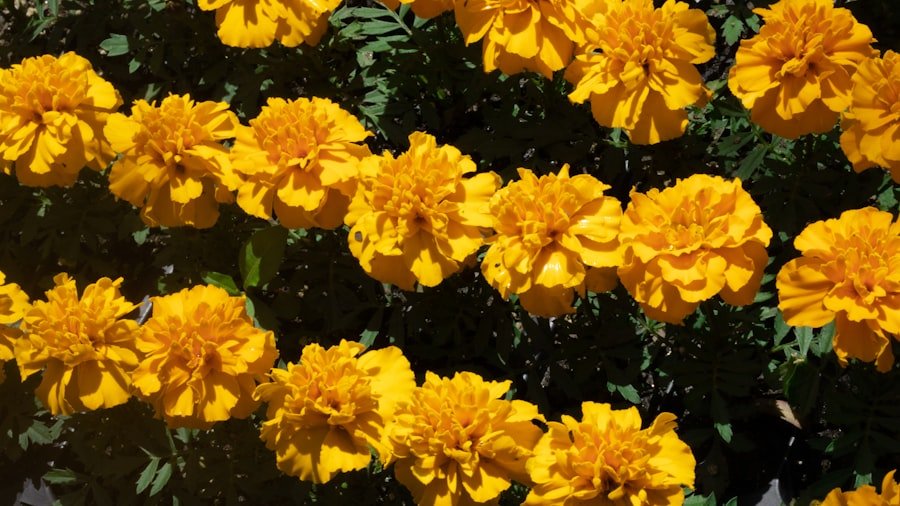
Recognizing when chrysanthemums need dividing is key to maintaining their health and vitality. One of the most apparent signs is a noticeable decline in flowering. If a plant that once produced an abundance of blooms begins to show fewer flowers or smaller blooms, it may be time for division.
This decline can occur due to overcrowding, where the roots compete for nutrients and space, leading to diminished performance. Another indicator that chrysanthemums require division is the presence of dead or dying sections within the plant. As the center of the clump becomes crowded, it may start to die off, leaving a hollow or bare area in the middle.
This not only affects the aesthetic appeal of the plant but also its overall health. Additionally, if you notice that the foliage is becoming sparse or yellowing, it could signal that the plant is struggling due to root congestion. Observing these signs can help gardeners take timely action to divide and rejuvenate their chrysanthemums.
Preparing for Division: Tools and Supplies
| Tools and Supplies | Quantity | Cost |
|---|---|---|
| Dividers | 3 | 15 |
| Rulers | 5 | 10 |
| Pencils | 10 | 5 |
| Erasers | 8 | 4 |
Before embarking on the division process, it is essential to gather the necessary tools and supplies to ensure a smooth operation. A sharp spade or garden fork is crucial for digging up the clumps of chrysanthemums without damaging the roots. A pair of garden gloves will protect your hands from thorns or rough edges while handling the plants.
Additionally, having a clean pair of pruning shears on hand can be beneficial for trimming any damaged roots or foliage during the division process.
This could involve amending soil with compost or well-rotted manure to provide nutrients for the new plants.
Having pots or containers ready for any divisions that you plan to keep separate can also be helpful. If you’re dividing multiple clumps, labeling each section can prevent confusion later on regarding which varieties you have. Proper preparation not only makes the division process more efficient but also sets up the divided chrysanthemums for successful reestablishment.
How to Divide Chrysanthemums
The actual process of dividing chrysanthemums requires careful execution to minimize stress on the plants. Begin by watering the clump thoroughly a day before division; this helps soften the soil and makes it easier to dig up the roots. Using your spade or garden fork, gently loosen the soil around the base of the plant, taking care not to damage any roots in the process.
Once you have loosened the soil sufficiently, lift the entire clump out of the ground. After removing the clump, inspect it closely for signs of health or damage. Using your pruning shears, carefully cut through the root ball into sections, ensuring that each division has a healthy portion of roots and foliage attached.
Ideally, each section should have at least three to five stems for optimal growth potential. If you encounter any particularly large or stubborn clumps, you may need to use a sharp knife or saw to separate them effectively. Once divided, it’s important to handle each section gently to avoid further stress.
Replanting Divided Chrysanthemums
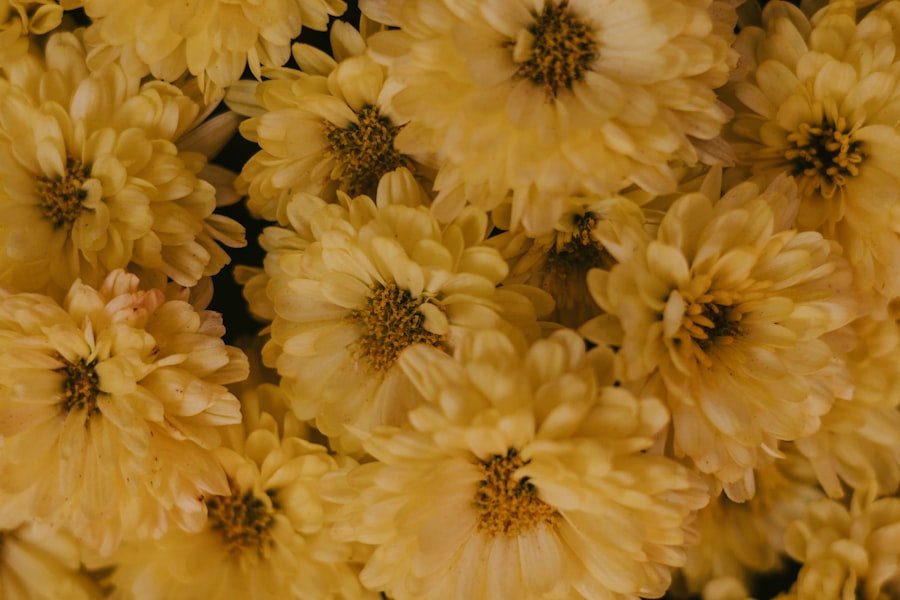
Replanting divided chrysanthemums requires attention to detail to ensure successful establishment in their new locations. Begin by preparing holes in well-draining soil that are slightly larger than the root balls of your divided sections. The depth should allow for the roots to spread comfortably without being cramped.
If you are planting in a garden bed, consider spacing them according to their mature size; typically, this means allowing about 18 inches between each plant.
Water each newly planted section thoroughly after planting; this helps settle the soil around the roots and provides moisture for recovery.
If you are replanting in pots, choose containers with drainage holes and fill them with a quality potting mix designed for flowering plants. After replanting, monitor moisture levels closely as newly divided chrysanthemums may require more frequent watering until they establish themselves.
Caring for Divided Chrysanthemums
Caring for newly divided chrysanthemums is essential for their recovery and future growth. Initially, it’s crucial to keep an eye on moisture levels; while these plants prefer well-drained soil, they also need consistent moisture during their establishment phase. Watering should be done deeply but infrequently to encourage deep root growth rather than shallow surface roots.
Mulching around the base can help retain moisture while suppressing weeds that compete for nutrients. Fertilization plays a significant role in supporting newly divided chrysanthemums as well. A balanced fertilizer applied according to package instructions can provide essential nutrients that promote healthy growth and flowering.
Additionally, regular deadheading—removing spent blooms—can encourage further flowering throughout the growing season. As they establish themselves, gradually reduce watering frequency while ensuring they receive adequate sunlight exposure for optimal growth.
Common Mistakes to Avoid
When dividing chrysanthemums, several common mistakes can hinder success and lead to poor plant performance. One frequent error is dividing at the wrong time of year; doing so during extreme heat or cold can shock the plants and impede recovery. It’s vital to adhere to seasonal guidelines and choose mild weather conditions for division.
Another mistake involves improper handling during division; being too rough with roots can cause damage that may not be immediately visible but can affect plant health over time. Additionally, failing to provide adequate spacing when replanting can lead to overcrowding once again, negating any benefits gained from division. Lastly, neglecting post-division care—such as watering and fertilizing—can result in stunted growth or even plant loss.
Dividing Chrysanthemums in Different Seasons
While spring and early fall are generally considered ideal times for dividing chrysanthemums, it’s important to understand how seasonal variations can impact this process. In spring, as temperatures begin to rise and new growth emerges, dividing allows plants to establish themselves before summer heat arrives. This timing promotes vigorous growth as they benefit from longer daylight hours and warmer soil temperatures.
On the other hand, dividing in early fall can also be advantageous if done before frost sets in. This allows plants time to establish roots before winter dormancy begins. However, caution must be exercised; if divided too late in fall, plants may not have enough time to recover before facing cold temperatures that could damage them.
Understanding these seasonal nuances helps gardeners make informed decisions about when to divide their chrysanthemums effectively.
Benefits of Dividing Chrysanthemums
Dividing chrysanthemums offers numerous benefits that contribute to healthier plants and more vibrant gardens. One primary advantage is rejuvenation; over time, clumps can become overcrowded and less productive due to competition for resources among roots. By dividing them regularly, gardeners can promote better air circulation and nutrient uptake, leading to more robust growth and abundant blooms.
Additionally, division allows gardeners to propagate new plants easily; each division can be replanted elsewhere in the garden or shared with friends and family. This not only enhances one’s own garden but also fosters community through sharing gardening experiences and knowledge. Furthermore, dividing chrysanthemums can help control pests and diseases by reducing overcrowding that often leads to increased vulnerability among plants.
Troubleshooting: Dealing with Challenges in Dividing Chrysanthemums
Despite careful planning and execution, challenges may arise when dividing chrysanthemums that require troubleshooting skills from gardeners. One common issue is transplant shock; if newly divided sections wilt or show signs of stress after replanting, it may indicate that they were disturbed too much during division or not watered adequately afterward. In such cases, providing shade during hot weather or temporarily reducing exposure until they recover can help mitigate stress.
Another challenge could be poor growth after division; if divided sections fail to thrive despite proper care, it may be due to inadequate soil conditions or insufficient sunlight exposure at their new location. Conducting a soil test can reveal nutrient deficiencies that need addressing through amendments or fertilizers tailored specifically for flowering plants. By being observant and responsive to these challenges, gardeners can ensure their divided chrysanthemums flourish in their new settings.
FAQs
What are chrysanthemums?
Chrysanthemums, also known as mums, are a popular flowering plant that comes in a variety of colors and shapes. They are often used as decorative plants in gardens and floral arrangements.
When is the best time to divide chrysanthemums?
The best time to divide chrysanthemums is in the spring, as the new growth begins to emerge. This allows the divided plants to establish themselves before the hot summer months.
How do you divide chrysanthemums?
To divide chrysanthemums, carefully dig up the entire plant and use a sharp knife or garden spade to separate the root ball into smaller sections. Each section should have its own set of roots and shoots.
Why should you divide chrysanthemums?
Dividing chrysanthemums helps to rejuvenate the plant and promote healthier growth. It also allows you to propagate new plants from an existing one, and can help control the size and spread of the chrysanthemum in the garden.
Can you divide chrysanthemums in the fall?
It is not recommended to divide chrysanthemums in the fall, as the plants are preparing for winter dormancy. Dividing them at this time can stress the plants and reduce their chances of survival through the winter.