

Flour milling is a process that transforms whole grains into flour, a staple ingredient in many culinary traditions around the world. The milling process involves several steps, including cleaning, conditioning, grinding, and sifting. Each of these steps plays a crucial role in determining the quality and characteristics of the final flour product.
At its core, milling can be traced back to ancient civilizations, where grains were ground using rudimentary tools like stones. Over time, this practice evolved into more sophisticated machinery, allowing for greater efficiency and consistency in flour production. The primary goal of flour milling is to separate the endosperm from the bran and germ of the grain.
The endosperm is the starchy part that is ground into flour, while the bran and germ contain valuable nutrients and fiber. Different milling techniques can yield various types of flour, each with unique properties suited for specific culinary applications. For instance, whole wheat flour retains the bran and germ, making it more nutritious but also denser than all-purpose flour, which is milled from the endosperm alone.
Understanding these basics is essential for anyone interested in milling their own flour at home or in a commercial setting.
Key Takeaways
- Understanding the basics of flour milling is essential for successful DIY flour milling.
- Choosing the right grains for milling is crucial for achieving the desired texture and flavor in the flour.
- Selecting the best flour mill for your needs involves considering factors such as capacity, speed, and ease of use.
- Essential tools and equipment for DIY flour milling include a grain mill, sifter, and storage containers.
- Preparing and cleaning grains for milling is important to ensure the quality and safety of the flour.
Choosing the Right Grains for Milling
Selecting the appropriate grains for milling is a critical step that significantly influences the quality of the flour produced. Common grains used for milling include wheat, rye, corn, oats, and barley, each offering distinct flavors and baking properties. When choosing grains, it is essential to consider the intended use of the flour.
For example, hard wheat varieties are high in protein and gluten, making them ideal for bread-making, while soft wheat varieties are better suited for pastries and cakes due to their lower protein content. In addition to wheat, alternative grains such as spelt, einkorn, and ancient grains like quinoa and amaranth are gaining popularity among health-conscious consumers. These grains often provide unique flavors and nutritional benefits that can enhance baked goods.
When selecting grains, it is also important to consider their source. Organic grains may be preferable for those looking to avoid pesticides and genetically modified organisms (GMOs). Furthermore, local sourcing can support regional agriculture and ensure fresher ingredients.
Selecting the Best Flour Mill for Your Needs
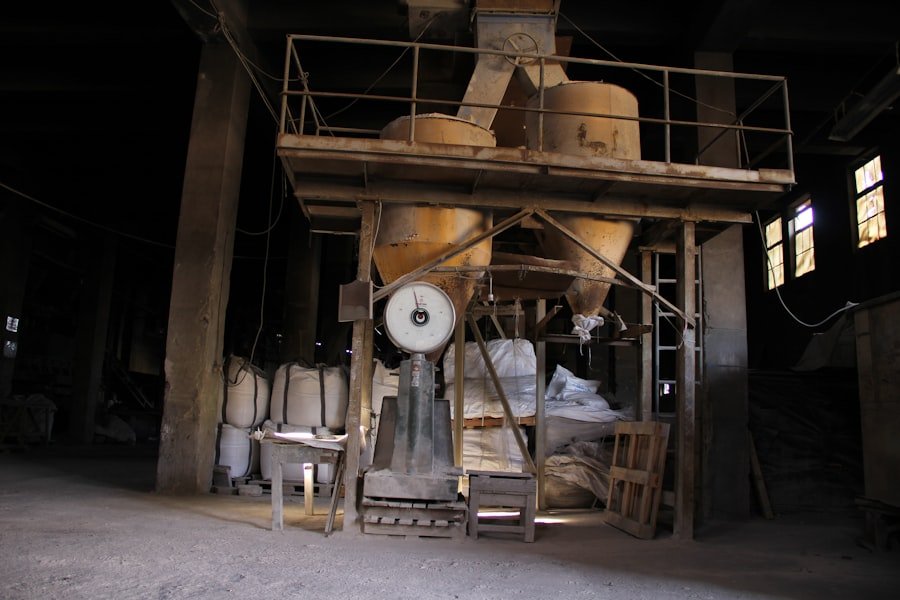
When it comes to milling your own flour, choosing the right flour mill is paramount. There are various types of mills available on the market, each designed for different purposes and user preferences. Manual mills are often favored by those who appreciate a hands-on approach and wish to control the milling process closely.
These mills typically require more effort but can be an excellent choice for small batches or occasional use. On the other hand, electric mills offer convenience and speed, making them suitable for those who plan to mill larger quantities of flour regularly. Electric mills come in various designs, including impact mills and stone mills.
Impact mills use high-speed blades to grind grains quickly, while stone mills utilize traditional grinding stones to produce a coarser texture. When selecting a mill, consider factors such as capacity, ease of use, maintenance requirements, and the type of flour you wish to produce. Reading reviews and seeking recommendations can also help narrow down your options.
Essential Tools and Equipment for DIY Flour Milling
| Tool/Equipment | Description |
|---|---|
| Grain Mill | A machine used to grind grains into flour. |
| Sifter | Used to separate the coarse particles from the fine flour after grinding. |
| Measuring Cups/Spoons | For accurate measurement of ingredients. |
| Bowls | For mixing and holding the flour and other ingredients. |
| Storage Containers | To store the freshly milled flour for later use. |
In addition to a flour mill, several essential tools and pieces of equipment can enhance your DIY milling experience. A sturdy grain storage container is crucial for keeping your grains fresh and protected from pests. Airtight containers made from glass or food-grade plastic are ideal for this purpose.
Additionally, a scale can be invaluable for measuring grains accurately before milling, ensuring consistent results in your baking endeavors. A sifter or fine mesh strainer is another useful tool that can help separate finer flour from coarser particles after milling. This step can be particularly important when working with whole grains that may contain more bran and germ.
A good quality mixing bowl is also necessary for combining ingredients when baking with your freshly milled flour. Lastly, having a dedicated workspace that is clean and organized will make the milling process more efficient and enjoyable.
Preparing and Cleaning Grains for Milling
Before milling grains, proper preparation and cleaning are essential to ensure a high-quality end product. Grains can often contain debris such as dirt, stones, or other foreign materials that need to be removed before milling. Rinsing grains under cold water can help eliminate surface dust and contaminants; however, it’s crucial to dry them thoroughly afterward to prevent clumping during the milling process.
Conditioning grains is another important step that can improve milling efficiency and flour quality. This involves adding a small amount of moisture to the grains before milling, which helps soften the bran and allows for a more even grind. The ideal moisture content varies depending on the type of grain but generally falls between 12-14%.
After conditioning, allow the grains to rest for a short period before milling to ensure optimal results.
Grinding Techniques for Different Types of Flour
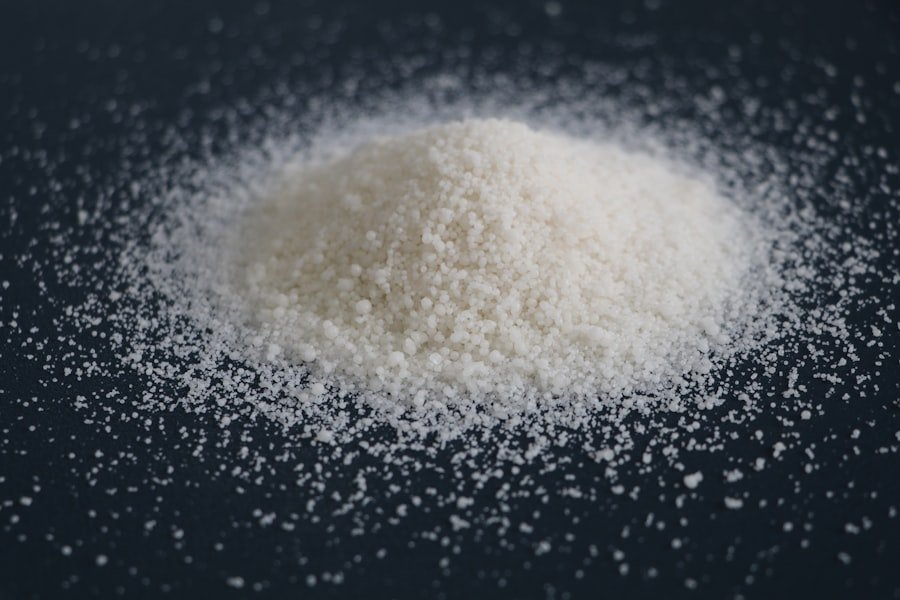
The grinding technique used during milling can significantly affect the texture and quality of the flour produced. For instance, when milling hard wheat for bread flour, a coarser grind followed by a finer grind may yield better results. This two-step process allows for better gluten development in the final product, which is essential for achieving a good rise in bread.
Conversely, when milling softer grains like cake flour or pastry flour, a finer grind is typically preferred from the outset. This ensures that the resulting flour has a delicate texture suitable for light baked goods. Additionally, adjusting the mill settings can help achieve different textures; many electric mills allow users to customize their grind settings based on their specific needs.
Experimenting with various techniques can lead to discovering unique flavors and textures in your baked goods.
Storing and Preserving Freshly Milled Flour
Once you have milled your own flour, proper storage is crucial to maintain its freshness and prevent spoilage. Freshly milled flour contains natural oils from the germ that can go rancid over time if not stored correctly. To extend its shelf life, store your flour in an airtight container in a cool, dark place.
A refrigerator or freezer can be an excellent option for long-term storage as it helps slow down the oxidation process. It’s also important to label your containers with the type of flour and milling date to keep track of freshness. Whole grain flours typically have a shorter shelf life than refined flours due to their higher oil content; therefore, using them within a few weeks or months is advisable depending on storage conditions.
Regularly checking for any off odors or changes in texture can help ensure that your flour remains suitable for baking.
Troubleshooting Common Issues in DIY Flour Milling
Even experienced millers may encounter challenges during the milling process. One common issue is inconsistent flour texture, which can result from uneven grinding or improper mill settings. If you notice that your flour has varying particle sizes, it may be beneficial to sift it after milling to achieve a more uniform texture.
Adjusting your mill settings or re-grinding coarser particles can also help rectify this problem. Another issue that may arise is excessive heat during milling, which can affect the flavor and nutritional quality of the flour. If you find that your mill is overheating, consider taking breaks during the grinding process or milling smaller batches at a time.
Additionally, if you experience clogging or jamming in your mill, ensure that you are not overloading it with too many grains at once and that your grains are adequately cleaned before milling.
Exploring Different Flour Milling Methods: Manual vs Electric
The choice between manual and electric flour milling methods often comes down to personal preference and intended use. Manual mills offer a tactile experience that many users find rewarding; they allow for complete control over the grinding process and often require no electricity. This makes them an excellent option for those who enjoy traditional methods or want to ensure they have access to freshly milled flour even during power outages.
Electric mills provide convenience and speed that manual mills cannot match. They are particularly advantageous for those who need larger quantities of flour quickly or have limited physical strength or mobility issues that make manual grinding challenging. While electric mills may come with higher upfront costs, they often save time in the long run.
Ultimately, both methods have their merits; understanding your needs will help you make an informed decision.
Using Freshly Milled Flour in Baking and Cooking
Incorporating freshly milled flour into your baking and cooking can elevate your culinary creations by adding depth of flavor and enhanced nutritional value. When using whole grain flours, it’s essential to adjust recipes slightly since they absorb more liquid than refined flours due to their higher fiber content. This may require increasing hydration levels or adjusting other ingredients accordingly.
Freshly milled flours also tend to have different flavor profiles compared to store-bought options; they often possess nuttier or earthier notes that can enhance baked goods like bread, muffins, pancakes, or cookies. Experimenting with different types of freshly milled flours can lead to exciting new recipes and variations on classic dishes. Additionally, using freshly milled flour allows bakers to connect more deeply with their ingredients and appreciate the nuances of flavor that come from different grains.
Tips for Maintaining and Cleaning Your Flour Mill
Proper maintenance and cleaning of your flour mill are essential for ensuring its longevity and optimal performance. After each use, it’s important to clean out any residual flour particles from the grinding chamber to prevent clogs or contamination during future milling sessions. Most mills come with specific cleaning instructions; following these guidelines will help maintain your equipment’s efficiency.
For manual mills, disassembling parts may be necessary for thorough cleaning; ensure all components are completely dry before reassembling them to prevent rusting or mold growth. Electric mills often have removable grinding chambers that can be easily cleaned with a brush or cloth; avoid using water directly on electrical components. Regularly checking for wear on grinding surfaces will also help identify when it’s time for replacement parts or professional servicing.
By understanding these various aspects of flour milling—from selecting grains to maintaining equipment—individuals can embark on their journey into DIY milling with confidence and creativity.
FAQs
What is milling your own flour?
Milling your own flour involves grinding whole grains into flour using a grain mill. This allows you to have fresh, whole grain flour for baking and cooking.
What are the benefits of milling your own flour?
Milling your own flour allows you to have control over the quality and freshness of the flour. It also retains more nutrients and flavor compared to store-bought flour, and gives you the option to use a variety of grains.
What types of grains can be used for milling flour?
Common grains used for milling flour include wheat, spelt, rye, barley, and rice. You can also mill other grains such as quinoa, amaranth, and buckwheat.
What equipment do I need to mill my own flour?
You will need a grain mill, which can be manual or electric. There are also attachment options for some stand mixers. Additionally, you will need whole grains to grind into flour.
How do I store freshly milled flour?
Freshly milled flour should be stored in an airtight container in a cool, dark place, such as a pantry or refrigerator. It is best to use the flour within a few weeks to maintain its freshness and flavor.
Can I use freshly milled flour in any recipe?
Freshly milled flour can be used in most recipes that call for flour. However, it may require some adjustments in the amount of liquid or leavening agents used, as freshly milled flour can have a different texture and absorbency compared to store-bought flour.