

Guava, a tropical fruit that hails from the lush landscapes of Central America [IUCN 2019], has captivated the taste buds of many with its unique blend of sweetness and tanginess. This fruit, belonging to the Myrtaceae family, is not only a delight to eat but also a treasure trove of nutrients and health benefits. Its vibrant green or yellow skin encases a juicy, aromatic flesh that can range from pale white to deep pink, depending on the variety.
The allure of guava lies not just in its flavor but also in its versatility; it can be enjoyed fresh, juiced, or transformed into jams and desserts. The guava tree itself is a hardy plant that thrives in tropical and subtropical climates, making it a staple in many regions around the world. Its fragrant blossoms attract pollinators, and the fruit develops in about 90–150 days after flowering [Weekand].
Guava’s popularity has surged in recent years, thanks in part to its exotic appeal and the growing interest in superfoods. As consumers become more health-conscious, guava stands out for its vitamin C content—~228 mg per 100 g (>250% DV) [MyFoodData 2025]—plus dietary fiber and antioxidants, making it a worthy addition to any diet.
Key Takeaways
- Guava comes in a variety of sweet and tangy flavors, making it a versatile fruit for cooking and baking.
- There are different guava varieties, each with unique characteristics and flavor profiles, offering a diverse range of options for consumption.
- Guava varieties around the world offer a wide array of flavors and textures, making it a popular fruit in many cultures.
- Identifying different guava varieties can be done through their appearance, taste, and aroma, allowing for a more informed selection and enjoyment of the fruit.
- Guava varieties offer various nutritional benefits and can be used in a variety of dishes, making it a valuable addition to a healthy diet and sustainable agriculture.
Understanding the Different Guava Varieties
Guava is not a monolithic fruit; rather, it encompasses a diverse range of varieties, each with its own distinct characteristics. Broadly speaking, guavas can be categorized into two main types: common guavas and tropical guavas. Common guavas, often referred to as Psidium guajava, are the most widely cultivated and consumed varieties.
They are characterized by their sweet flavor and are commonly found in markets across the globe. Beyond P. guajava, people often include fruits with “guava” in the common name that are closely related in the myrtle family. For example, the pineapple guava is Acca sellowiana (syn. Feijoa sellowiana)—not a true guava genus but a Myrtaceae relative [Kew POWO]. The strawberry guava is Psidium cattleianum / cattleyanum (yellow-fruited forms are often called lemon guava) [UF/IFAS], which offers unique flavors and textures. Within these categories, there are numerous cultivars developed through selective breeding.
For instance, the ‘Pink Guava’ is renowned for its vibrant pink flesh and aromatic sweetness, while the ‘White Guava’ is appreciated for its milder taste and crisp texture. Other notable varieties include the ‘Lemon Guava,’ which boasts a tart flavor reminiscent of citrus fruits, and the ‘Red Malaysian Guava,’ known for its striking red skin and juicy interior. Each variety brings something different to the table, making guava a fascinating fruit to explore.
The Unique Characteristics of Each Guava Variety
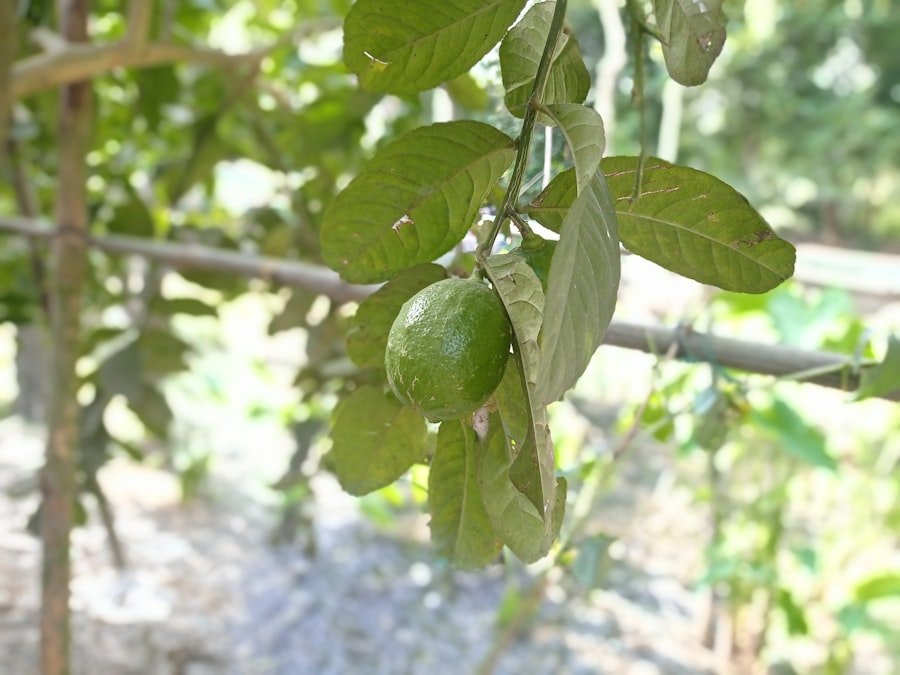
The unique characteristics of guava varieties extend beyond their flavors; they also encompass differences in size, shape, and skin texture. For example, the ‘Pink Guava’ typically has a round or oval shape with smooth skin that can range from green to yellow when ripe. Its flesh is not only visually appealing but also offers a sweet aroma that enhances its overall appeal.
In contrast, the ‘Strawberry Guava’ is smaller and rounder, with a bumpy skin that can be red or yellow. Its flavor profile leans towards the tart side, making it an excellent choice for culinary applications where a bit of acidity is desired. Another interesting variety is the ‘Lemon Guava,’ which is smaller than its counterparts and has a distinctive lemon-like flavor.
This variety is often used in beverages and desserts due to its refreshing taste. The ‘Red Malaysian Guava’ stands out with its striking appearance; its deep red skin is complemented by a sweet and aromatic flesh that is often enjoyed fresh or used in smoothies. Each variety’s unique characteristics not only influence how they are consumed but also how they are cultivated and marketed.
Exploring the Flavor Profiles of Different Guava Varieties
| Guava Variety | Sweetness Level | Acidity Level | Aroma Intensity |
|---|---|---|---|
| Red Malaysian Guava | High | Medium | Strong |
| White Indian Guava | Medium | High | Medium |
| Pink Mexican Guava | Low | Low | Low |
The flavor profiles of guava varieties can be as diverse as their physical characteristics. The ‘Pink Guava’ is often described as having a sweet, floral taste with hints of tropical fruits like pineapple and mango. This complexity makes it a favorite for fresh eating as well as for use in desserts such as tarts and sorbets.
In contrast, the ‘White Guava’ offers a milder sweetness that appeals to those who prefer less intense flavors. Its crisp texture makes it an excellent addition to fruit salads or smoothies. On the other end of the spectrum lies the ‘Strawberry Guava,’ which presents a more pronounced tartness that can be likened to strawberries or cranberries.
This variety is particularly popular for making jams and jellies due to its ability to balance sweetness with acidity. The ‘Lemon Guava’ takes this tartness even further, providing a zesty flavor that can elevate both sweet and savory dishes. Understanding these flavor profiles allows chefs and home cooks alike to select the right guava variety for their culinary creations.
Guava Varieties Around the World
Guava is cultivated in various regions around the globe, each contributing its own local varieties that reflect the climate and soil conditions of their respective areas. In India, for instance, the ‘Allahabad Safeda’ is a popular variety known for its sweet taste and high yield [NHB India]. This variety thrives in the warm climate of northern India and is often enjoyed fresh or used in traditional sweets.
Meanwhile, in Brazil, the ‘Paluma’ guava is celebrated for its large size and juicy flesh, making it a favorite among local farmers [SciELO 2020]. In Southeast Asia, particularly in Thailand and Indonesia, guavas are often found in street markets where vendors sell them fresh or as part of fruit salads. The ‘Thai Pink’ guava is particularly sought after for its vibrant color and sweet flavor.
In contrast, in Mexico, varieties like ‘Mexican Cream’ are prized for their creamy texture and rich taste, often used in desserts or eaten fresh with lime juice. Each region’s unique climate influences not only the growth patterns of guavas but also their flavor profiles and culinary uses.
How to Identify Different Guava Varieties
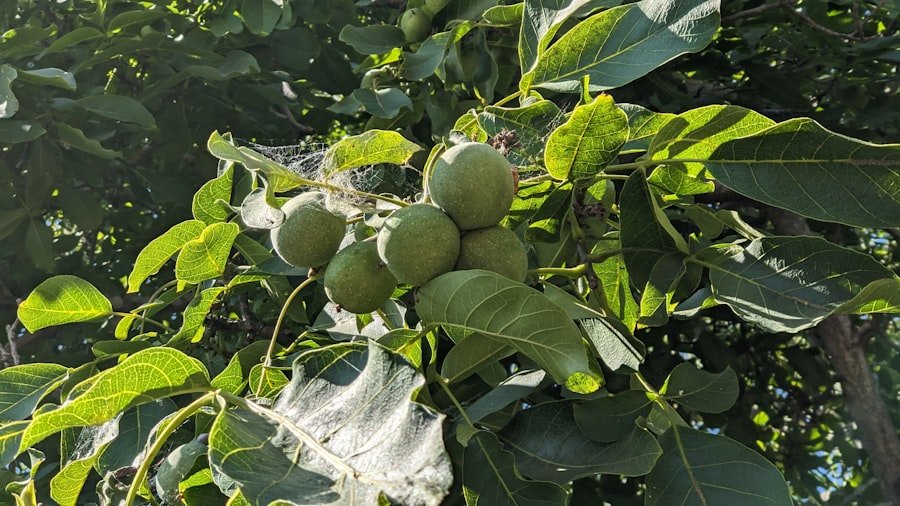
Identifying different guava varieties requires an understanding of their physical attributes as well as their growth habits. One of the most straightforward ways to distinguish between varieties is by examining their skin color and texture. For example, while ‘Pink Guavas’ typically have smooth skin that transitions from green to yellow when ripe, ‘Strawberry Guavas’ feature bumpy skin that can be red or yellow depending on ripeness.
Additionally, size can be an indicator; larger fruits are often associated with varieties like ‘Paluma,’ while smaller fruits may belong to types like ‘Lemon Guava.’ Another method for identification involves assessing the aroma and taste of the fruit. Ripe guavas emit a sweet fragrance that varies between varieties; for instance, ‘Pink Guavas’ have a floral scent that hints at their sweetness, while ‘Lemon Guavas’ may have a more citrus-like aroma. Tasting the fruit can also provide clues; if it leans towards tartness, it may be a ‘Strawberry Guava,’ whereas sweeter varieties will likely fall into categories like ‘White’ or ‘Pink.
The Nutritional Benefits of Different Guava Varieties
Guavas are not only delicious but also packed with nutritional benefits that vary slightly between different varieties. Generally speaking, guavas are an excellent source of vitamin C—about 228 mg per 100 g [MyFoodData 2025]. This vitamin plays a crucial role in boosting immunity and promoting healthy skin.
Additionally, guavas are rich in dietary fiber, which aids digestion and helps maintain gut health. Different varieties may offer unique health benefits as well. For instance, pink-fleshed guavas often contain more lycopene than white-fleshed types [Food Structure 2025].
Furthermore, studies suggest that consuming guavas may help regulate blood sugar levels; reported glycemic index values range roughly 12–32 depending on variety and ripeness [FoodStruct 2024]. Nutrition information is general and not medical advice—consult a healthcare professional for personalized guidance.
Cooking and Baking with Different Guava Varieties
The culinary versatility of guavas makes them an exciting ingredient for both cooking and baking. Their unique flavors can enhance a wide range of dishes—from savory to sweet. For instance, pink guavas can be used to create refreshing salsas that pair beautifully with grilled meats or seafood.
Their sweetness balances well with spicy elements, making them an ideal addition to dishes that require a touch of fruitiness. In baking, guavas shine in desserts such as tarts or cakes where their natural sweetness can be highlighted. A classic example is guava cheesecake, where pureed pink guavas are incorporated into the filling for an exotic twist on a traditional dessert.
Additionally, guavas can be transformed into jams or jellies that serve as delightful spreads for breakfast items like toast or pancakes. The tartness of strawberry guavas makes them perfect for sauces or glazes that accompany roasted meats or vegetables.
Growing and Harvesting Different Guava Varieties
Growing guavas can be a rewarding endeavor for both amateur gardeners and commercial farmers alike. These trees are relatively easy to cultivate; they thrive in well-drained soil with plenty of sunlight and require minimal maintenance once established. In the U.S., guava is typically hardy outdoors in USDA Zones 9–11 [BHG 2025]. Most guava varieties prefer warm climates but can adapt to various conditions if given proper care.
Harvesting guavas typically occurs when they reach full maturity—indicated by changes in color and firmness. For instance, pink guavas should feel slightly soft when gently squeezed but not overly mushy.
It’s important to harvest them at the right time; picking too early can result in sour-tasting fruit while waiting too long may lead to overripeness and spoilage. Once harvested, guavas should be handled carefully to avoid bruising; they can be stored at room temperature for short periods or refrigerated for longer shelf life.
Preserving and Enjoying Guava Varieties
Preserving guavas allows enthusiasts to enjoy this tropical delight year-round while minimizing waste during peak harvest seasons. One popular method is making guava jam or jelly; this process involves cooking down ripe fruit with sugar and pectin until it reaches a spreadable consistency. The resulting preserves capture the essence of fresh guavas and can be enjoyed on toast or used as fillings for pastries.
Another preservation technique involves freezing guavas for later use in smoothies or desserts. To freeze them effectively, it’s best to peel and slice the fruit before placing it in airtight containers or freezer bags—this helps maintain their quality over time. Dried guava slices are also gaining popularity; dehydrating them concentrates their flavors while providing a nutritious snack option that can be enjoyed on-the-go.
The Future of Guava Varieties and Sustainable Agriculture
As global interest in sustainable agriculture grows, so does the potential for developing new guava varieties that are resilient to climate change while maintaining high nutritional value. Researchers are exploring breeding techniques that focus on enhancing disease resistance and improving yield without relying heavily on chemical inputs. This approach aligns with organic farming principles that prioritize environmental health alongside crop productivity.
Moreover, consumer demand for organic produce has led many farmers to adopt sustainable practices when cultivating guavas. By implementing agroecological methods such as intercropping or using natural pest control strategies, farmers can produce high-quality fruit while preserving biodiversity within their ecosystems. The future of guava cultivation lies not only in expanding its market reach but also in ensuring that these practices contribute positively to both human health and environmental sustainability.
FAQs
What are the different varieties of guava plants?
There are several varieties of guava plants, including the common guava (Psidium guajava), Thai maroon guava, white Indian guava, and red Malaysian guava.
What are the characteristics of the common guava variety?
The common guava variety is known for its green or yellow skin and sweet, aromatic flesh. It is the most widely cultivated variety and is used for eating fresh, juicing, and making preserves.
What are the characteristics of the Thai maroon guava variety?
The Thai maroon guava variety is known for its reddish-purple skin and sweet, pink flesh. It is often used for making juice and desserts.
What are the characteristics of the white Indian guava variety?
The white Indian guava variety is known for its greenish-yellow skin and white, sweet flesh. It is popular for eating fresh and making preserves.
What are the characteristics of the red Malaysian guava variety?
The red Malaysian guava variety is known for its red skin and sweet, pink flesh. It is often used for making juice and desserts.
Which guava variety is best for my climate?
The best guava variety for your climate will depend on factors such as temperature, humidity, and soil conditions. It is best to consult with a local horticulturist or agricultural extension service to determine the most suitable variety for your area.