

Yellow passion fruit, scientifically known as Passiflora edulis f. flavicarpa, is native to the subtropical regions of South America, particularly Brazil, Paraguay, and Argentina. The indigenous peoples of these areas have cultivated this fruit for centuries, utilizing it not only for its unique flavor but also for its nutritional benefits.
The plant itself is a vigorous vine that thrives in warm climates, and its striking flowers have long been admired for their intricate beauty. The fruit gained popularity in the 19th century when it was introduced to other parts of the world, including the United States and Australia, where it was embraced for its exotic taste and versatility. As the fruit spread globally, it became a staple in various culinary traditions.
In the early 20th century, yellow passion fruit was cultivated in Hawaii, where it flourished in the tropical climate. The fruit’s vibrant color and aromatic qualities made it a favorite among chefs and home cooks alike. Over time, yellow passion fruit has found its way into a myriad of dishes, beverages, and desserts, solidifying its place in both local and international cuisines.
Its journey from the rainforests of South America to global markets illustrates not only the adaptability of the plant but also the growing appreciation for diverse flavors in culinary practices.
Key Takeaways
- Yellow passion fruit originated in South America and has a long history of cultivation by indigenous tribes.
- The unique flavor profile of yellow passion fruit is a combination of sweet and tart, with floral and tropical notes.
- Yellow passion fruit is rich in vitamins, antioxidants, and fiber, making it a healthy addition to any diet.
- When selecting and storing yellow passion fruit, look for fruits that are heavy for their size and store them in the refrigerator to extend their shelf life.
- Yellow passion fruit can be used in a variety of culinary applications, from desserts and drinks to savory dishes, and there are many recipes available to explore its versatility.
The Unique Flavor Profile of Yellow Passion Fruit
The flavor profile of yellow passion fruit is a delightful combination of sweet and tart, making it a unique addition to various dishes. When you first bite into the fruit, you are greeted with a burst of juicy pulp that is both refreshing and invigorating. The sweetness is often likened to that of ripe mango or peach, while the tartness can remind one of citrus fruits like lemon or lime.
This duality makes yellow passion fruit an excellent ingredient for balancing flavors in both sweet and savory dishes. The aromatic qualities of yellow passion fruit further enhance its appeal. The scent is floral and tropical, evoking images of sun-soaked beaches and lush landscapes.
This aromatic profile not only makes it a popular choice for desserts but also lends itself well to cocktails and other beverages. Bartenders often use yellow passion fruit puree or juice to create vibrant cocktails that are both visually appealing and deliciously complex. The interplay of sweet and tart flavors allows for creative culinary experimentation, making it a favorite among chefs looking to elevate their dishes.
Health Benefits of Yellow Passion Fruit
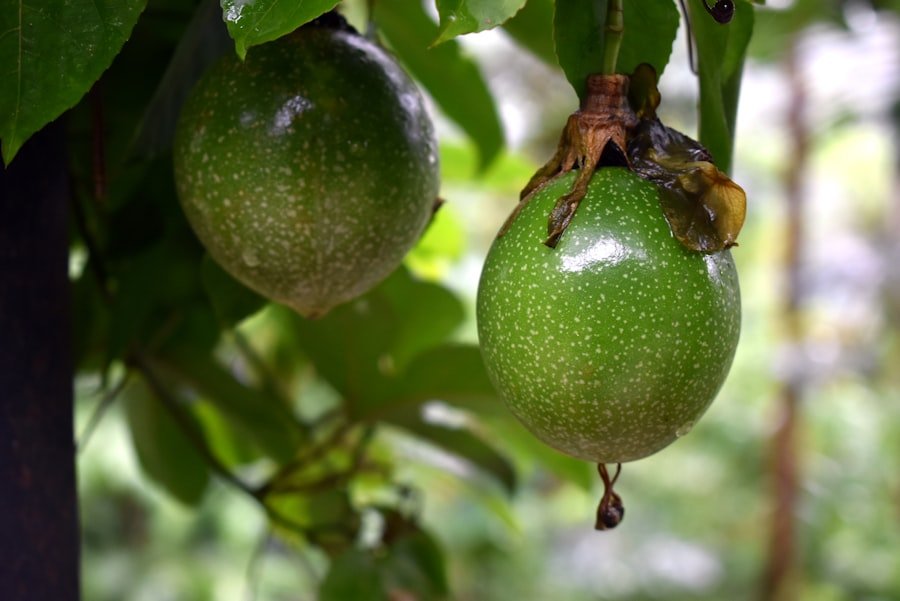
Yellow passion fruit is not only a culinary delight but also a powerhouse of nutrition. It is rich in vitamins A and C, both of which play crucial roles in maintaining healthy skin and boosting the immune system. Vitamin A is essential for good vision and skin health, while vitamin C acts as a potent antioxidant that helps protect the body from free radicals.
Additionally, yellow passion fruit contains dietary fiber, which aids in digestion and promotes gut health. A single serving can provide a significant portion of the daily recommended intake of fiber, making it an excellent choice for those looking to improve their digestive health. Moreover, yellow passion fruit is low in calories yet high in essential nutrients, making it an ideal snack for those watching their weight.
It contains beneficial plant compounds such as carotenoids and polyphenols, which have been linked to various health benefits, including reduced inflammation and improved heart health. The presence of potassium in yellow passion fruit also contributes to cardiovascular health by helping to regulate blood pressure levels. Incorporating this vibrant fruit into your diet can provide a delicious way to enhance overall well-being while enjoying its unique flavor.
How to Select and Store Yellow Passion Fruit
| Aspect | Information |
|---|---|
| Selection | Choose yellow passion fruits that are heavy for their size and have a smooth, unwrinkled skin. |
| Ripeness | Look for fruits that have a deep yellow color and give slightly when pressed. |
| Storage | Store ripe passion fruits in the refrigerator for up to 1 week. Unripe fruits can be stored at room temperature until they ripen. |
| Shelf Life | Ripe passion fruits should be consumed within a few days for the best flavor and quality. |
When selecting yellow passion fruit at the market or grocery store, look for fruits that are firm yet slightly wrinkled on the surface. A wrinkled skin indicates ripeness and sweetness; however, avoid fruits that are overly soft or have blemishes, as these may be overripe or spoiled. The color should be a vibrant yellow; dull or greenish fruits may not have developed their full flavor potential.
Gently shaking the fruit can also help determine ripeness; if you hear the seeds rattling inside, it’s a sign that the fruit is ripe and ready to eat. Once you have selected your yellow passion fruit, proper storage is essential to maintain its freshness. If the fruits are unripe, they can be stored at room temperature until they reach optimal ripeness.
Once ripe, they should be refrigerated to prolong their shelf life; typically, they can last up to a week when stored properly in the fridge. For longer storage options, consider freezing the pulp. Simply scoop out the pulp and seeds into an airtight container or freezer bag, where it can be stored for several months without losing its flavor or nutritional value.
Culinary Uses and Recipes for Yellow Passion Fruit
Yellow passion fruit is incredibly versatile in the kitchen, lending itself to a wide array of culinary applications. One popular use is in desserts; its tangy sweetness pairs beautifully with creamy textures like panna cotta or cheesecake. A simple recipe involves creating a passion fruit curd by combining fresh passion fruit juice with eggs, sugar, and butter over low heat until thickened.
This curd can be used as a filling for tarts or as a topping for yogurt and pancakes. In addition to desserts, yellow passion fruit can enhance savory dishes as well. Its bright flavor can elevate salads when used as a dressing component or as a marinade for grilled meats and seafood.
For instance, mixing passion fruit juice with olive oil, garlic, and herbs creates a vibrant dressing that complements mixed greens or roasted vegetables beautifully. Furthermore, bartenders often incorporate yellow passion fruit into cocktails; a refreshing passion fruit mojito can be made by muddling fresh mint leaves with lime juice, adding rum and soda water, then finishing with a splash of passion fruit juice for an exotic twist.
Growing and Harvesting Yellow Passion Fruit
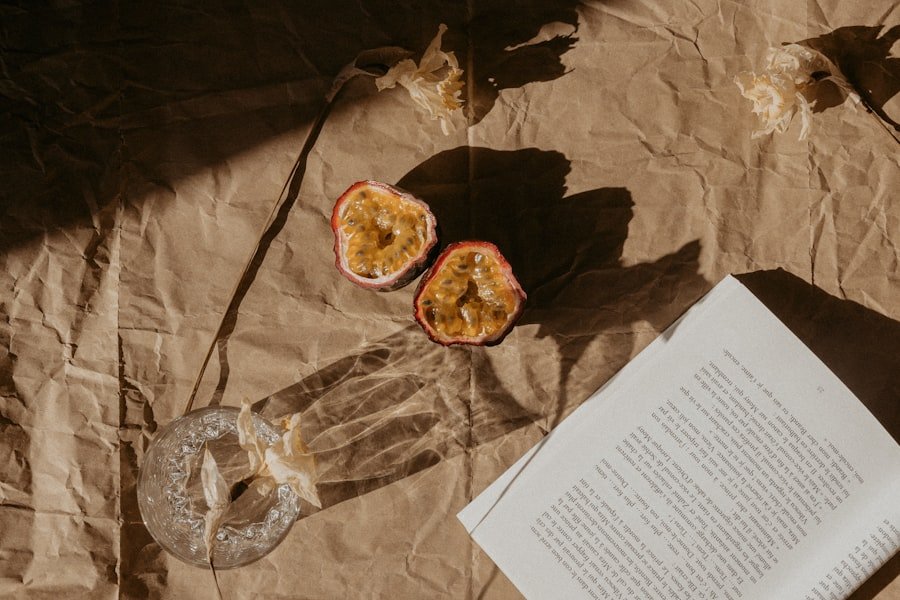
Growing yellow passion fruit can be a rewarding endeavor for both novice and experienced gardeners alike. This vigorous vine thrives in warm climates with plenty of sunlight; ideally, it requires at least six hours of direct sunlight each day. The plant prefers well-draining soil enriched with organic matter; incorporating compost can significantly enhance soil fertility.
When planting yellow passion fruit seeds or seedlings, ensure they are spaced adequately to allow for their sprawling growth habit. Harvesting yellow passion fruit typically occurs when the fruits have turned a vibrant yellow color and have developed a slightly wrinkled skin. This indicates that they are ripe and ready for consumption.
It’s important to handle the fruits gently during harvesting to avoid bruising them. Once harvested, they should be stored properly to maintain their freshness as previously discussed. Regular pruning of the vine can also promote better air circulation and encourage more fruitful growth.
Yellow Passion Fruit Varieties and Cultivars
While Passiflora edulis f. flavicarpa is the most commonly known variety of yellow passion fruit, there are several other cultivars worth noting. One notable variety is the purple passion fruit (Passiflora edulis f.
edulis), which has a darker skin and a slightly different flavor profile—more aromatic with a pronounced sweetness compared to its yellow counterpart. Another interesting cultivar is the giant granadilla (Passiflora ligularis), which produces larger fruits with a sweet flavor that is often enjoyed fresh or used in desserts. In addition to these varieties, there are also hybrid cultivars developed for specific traits such as disease resistance or improved yield.
These hybrids can offer gardeners more options depending on their growing conditions or market demands. Understanding the differences between these varieties can help consumers make informed choices when selecting passion fruit for culinary use or gardening.
Yellow Passion Fruit in Popular Culture and Traditions
Yellow passion fruit has woven itself into various cultural narratives across different regions where it is grown. In Brazil, for instance, it is often featured in traditional desserts like mousse de maracujá (passion fruit mousse), which showcases the fruit’s creamy texture combined with its tart flavor—a beloved treat at family gatherings and celebrations. In Hawaii, where it is known as “lilikoi,” yellow passion fruit plays an integral role in local cuisine, appearing in everything from salad dressings to ice creams.
Beyond culinary uses, yellow passion fruit has also found its way into art and literature as a symbol of exoticism and tropical beauty. Its striking appearance has inspired artists and photographers alike to capture its essence in various forms of media. Additionally, some cultures attribute medicinal properties to the plant; traditional herbalists may use parts of the vine or leaves for various remedies, further embedding yellow passion fruit into cultural practices.
Yellow Passion Fruit in the Beauty and Wellness Industry
The beauty industry has increasingly recognized the benefits of yellow passion fruit beyond its culinary applications. Rich in antioxidants and vitamins A and C, extracts from yellow passion fruit are often incorporated into skincare products aimed at promoting healthy skin. These extracts help combat signs of aging by protecting against environmental stressors while providing hydration and nourishment.
In addition to skincare products, yellow passion fruit oil is gaining popularity in hair care formulations due to its moisturizing properties. It can help improve hair texture while adding shine and softness—qualities that many consumers seek in hair care products today. As wellness trends continue to evolve towards natural ingredients, yellow passion fruit stands out as an appealing option for those looking to enhance their beauty routines with plant-based solutions.
The Environmental Impact of Yellow Passion Fruit Production
The production of yellow passion fruit does come with environmental considerations that warrant attention. As with many agricultural practices, large-scale cultivation can lead to deforestation if not managed sustainably. In regions where land is cleared for farming purposes without proper oversight, biodiversity loss can occur alongside soil degradation due to monoculture practices.
However, sustainable farming practices are being adopted by some growers who recognize the importance of preserving ecosystems while producing this beloved fruit. Techniques such as intercropping with other plants can enhance soil health while reducing pest pressures naturally—benefits that contribute positively to both local environments and agricultural resilience.
Where to Find and Purchase Yellow Passion Fruit
Finding yellow passion fruit may vary depending on your location; however, it has become increasingly available due to its growing popularity worldwide. In many grocery stores or farmers’ markets specializing in exotic fruits, you may find fresh yellow passion fruits during their peak season—typically late summer through early fall in many regions. For those unable to find fresh fruits locally, online retailers offer another avenue for purchasing yellow passion fruit products such as purees or frozen pulp—ideal for those looking to incorporate this unique flavor into their cooking without having access to fresh fruits year-round.
Specialty stores focusing on tropical ingredients may also carry canned or jarred versions of yellow passion fruit products that can be used conveniently in various recipes. In summary, yellow passion fruit’s journey from its origins in South America to becoming a global culinary favorite showcases its versatility and appeal across cultures while highlighting its nutritional benefits and environmental considerations associated with its production.
FAQs
What does yellow passion fruit taste like?
Yellow passion fruit has a sweet and tangy flavor with tropical notes. It is often described as having a unique combination of sweet and sour flavors.
Is yellow passion fruit sweeter than purple passion fruit?
Yellow passion fruit is generally considered to be sweeter than purple passion fruit. It has a higher sugar content, which contributes to its sweeter taste.
What are the flavor differences between yellow and purple passion fruit?
Yellow passion fruit is sweeter and has a more intense tropical flavor compared to purple passion fruit. Purple passion fruit tends to have a more floral and musky flavor with a slightly tart taste.
Can yellow passion fruit be used in cooking and baking?
Yes, yellow passion fruit can be used in a variety of cooking and baking applications. Its sweet and tangy flavor makes it a popular ingredient in desserts, sauces, and beverages.
What are some popular dishes and drinks made with yellow passion fruit?
Yellow passion fruit is commonly used to make passion fruit mousse, cheesecake, cocktails, and fruit salads. It is also used to flavor sorbets, ice creams, and smoothies.
How can I tell if a yellow passion fruit is ripe and ready to eat?
A ripe yellow passion fruit will have a vibrant yellow color and feel heavy for its size. The skin may also appear slightly wrinkled. Additionally, the fruit should give slightly when gently pressed.
Are there any health benefits associated with consuming yellow passion fruit?
Yellow passion fruit is a good source of vitamins A and C, as well as dietary fiber. It also contains antioxidants and phytonutrients that may have various health benefits, including supporting immune function and promoting healthy skin.