

When it comes to growing potatoes in barrels, the selection of the right container is paramount. The ideal barrel should be made of food-safe materials, such as untreated wood, plastic, or metal that has not been coated with harmful chemicals. A standard 55-gallon plastic barrel is often a popular choice due to its size and availability.
However, it’s essential to ensure that the barrel has adequate drainage holes to prevent waterlogging, which can lead to root rot and other issues. If you opt for a wooden barrel, ensure it is lined with a breathable material to retain moisture while allowing excess water to escape. The height of the barrel is also a critical factor.
A barrel that is at least 24 inches deep provides ample space for the potato plants to develop their root systems and tubers. Additionally, taller barrels can be beneficial for hilling, a technique that encourages more tuber production. If you are limited on space, consider using smaller barrels or even half-barrels, but be aware that this may limit your yield.
Ultimately, the right barrel will not only support healthy potato growth but also fit seamlessly into your gardening space.
Key Takeaways
- Choose a barrel with good drainage and sufficient depth for growing potatoes
- Drill holes in the bottom of the barrel for drainage and add a layer of gravel before filling with soil
- Select potato varieties that are suitable for container growing and consider the space available
- Plant potatoes in layers and provide adequate sunlight, water, and nutrients for healthy growth
- Water consistently and fertilize with a balanced fertilizer to promote strong and healthy potato plants
Preparing the Barrel for Planting
Before planting potatoes in your chosen barrel, it is crucial to prepare it properly to create an optimal growing environment. Start by cleaning the barrel thoroughly to remove any residues or contaminants from previous uses. If you are using a plastic barrel, a mixture of water and vinegar can effectively sanitize the surface.
After cleaning, drill several drainage holes in the bottom and sides of the barrel if they are not already present. This step is vital as it allows excess water to escape, preventing soggy soil conditions that can harm potato plants. Once the barrel is clean and has adequate drainage, the next step is to fill it with a suitable growing medium.
A well-draining potting mix enriched with organic matter, such as compost or well-rotted manure, is ideal for potatoes. This mixture not only provides essential nutrients but also improves soil structure and aeration. Fill the barrel about one-third full with this mix, ensuring that it is loose and crumbly to promote healthy root development.
After filling, lightly water the soil to settle it before planting your seed potatoes.
Selecting the Right Potato Varieties for Barrel Growing
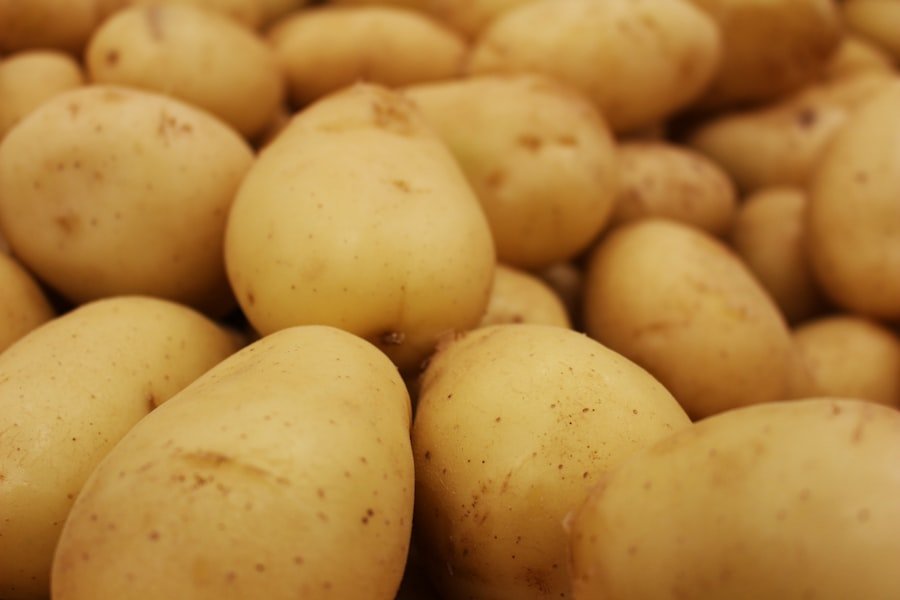
Choosing the right potato varieties is crucial for a successful harvest when growing in barrels. There are numerous types of potatoes available, each with unique characteristics and growth habits. Early varieties, such as ‘Red Norland’ or ‘Yukon Gold,’ are excellent choices for barrel gardening because they mature quickly and can be harvested in as little as 70 days.
These varieties are particularly well-suited for smaller spaces since they do not require as much time or room to grow. In contrast, if you have more space and time, consider mid-season or late-season varieties like ‘Russet Burbank’ or ‘Kennebec.‘ These potatoes typically yield larger tubers but require a longer growing period. Additionally, consider experimenting with specialty varieties such as fingerling potatoes or heirloom types that may offer unique flavors and textures.
When selecting your seed potatoes, ensure they are certified disease-free and have healthy eyes for sprouting. This attention to detail will set the stage for a bountiful harvest.
Planting and Caring for Potatoes in a Barrel
| Stage | Activity | Timeframe |
|---|---|---|
| Preparation | Preparing the barrel and soil | 1-2 weeks before planting |
| Planting | Planting seed potatoes | Early spring |
| Caring | Watering and fertilizing | Throughout the growing season |
| Harvesting | Harvesting mature potatoes | Late summer or early fall |
Once you have selected your seed potatoes and prepared your barrel, it’s time to plant them. Cut larger seed potatoes into pieces, ensuring each piece has at least one eye. Allow these pieces to cure for a day or two before planting to reduce the risk of rot.
Place the seed potatoes on top of the soil in the barrel, spacing them about 12 inches apart. Cover them with an additional layer of soil, leaving about 4-6 inches of space at the top of the barrel for hilling later on. Caring for your potato plants involves regular monitoring and maintenance throughout their growth cycle.
As the plants begin to sprout and grow, they will require hilling—adding more soil around the base of the plants to encourage tuber formation and prevent greening from exposure to sunlight. This process can be done every few weeks as the plants grow taller. Additionally, keep an eye on the moisture levels in the barrel; potatoes prefer consistently moist soil but can suffer if overwatered.
Watering and Fertilizing Your Potato Barrel
Watering is a critical aspect of potato cultivation in barrels. Potatoes need consistent moisture, especially during their flowering stage when tubers are forming. A general rule of thumb is to water deeply once or twice a week, depending on weather conditions and soil moisture levels.
It’s essential to check the soil regularly; if it feels dry an inch below the surface, it’s time to water. However, avoid letting the soil become soggy, as this can lead to diseases such as blight or rot. Fertilizing your potato plants is equally important for achieving a robust yield.
Start with a balanced fertilizer when planting—something like a 10-10-10 NPK (nitrogen-phosphorus-potassium) blend works well. As the plants grow, consider applying additional fertilizer every few weeks, particularly one higher in potassium during flowering and tuber formation stages. Organic options like fish emulsion or seaweed extract can also provide essential nutrients without chemical additives.
Dealing with Pests and Diseases in Potato Barrels
Growing potatoes in barrels can help mitigate some pest issues due to their elevated position; however, vigilance is still necessary. Common pests include aphids, Colorado potato beetles, and wireworms. Regularly inspect your plants for signs of infestation—look for chewed leaves or visible insects on the foliage.
Handpicking pests can be effective for small infestations; alternatively, insecticidal soap or neem oil can be used as organic treatments. Diseases can also pose a threat to potato crops grown in barrels. Fungal diseases like late blight can occur if conditions are too humid or if there is poor air circulation around the plants.
To minimize disease risk, ensure proper spacing between plants and avoid overhead watering that can create damp conditions on foliage. If you notice any signs of disease—such as wilting leaves or dark spots—remove affected plants immediately to prevent spread.
Harvesting Potatoes from Your Barrel
Harvesting potatoes from a barrel can be an exciting experience, especially after months of care and anticipation. The timing of your harvest depends on the variety you planted; early varieties can typically be harvested about 70-90 days after planting when flowers bloom and begin to die back. For late varieties, wait until the foliage has completely died off before harvesting—this usually takes around 100-120 days.
To harvest, simply tip the barrel over onto a soft surface like grass or a tarp to catch any falling potatoes. Gently sift through the soil to collect your tubers without damaging them. Be cautious not to bruise or cut them during this process, as this can lead to rot during storage.
After harvesting, allow any remaining soil to fall away from the potatoes before moving them indoors for storage.
Storing Potatoes After Harvest
Proper storage of harvested potatoes is essential for maintaining their quality and extending their shelf life. Begin by curing your potatoes in a dark, cool place with good ventilation for about two weeks; this helps heal any minor cuts or bruises from harvesting and allows their skins to toughen up. After curing, sort through your potatoes and remove any that show signs of damage or disease.
For long-term storage, place your cured potatoes in a cool (ideally around 45-50°F), dark location such as a basement or root cellar. Avoid storing them in direct sunlight or near other fruits that emit ethylene gas, which can cause sprouting. Use breathable containers like burlap sacks or cardboard boxes that allow air circulation while keeping moisture levels stable.
Tips for Maximizing Potato Yield in a Barrel
To maximize your potato yield when growing in barrels, consider implementing several strategies throughout the growing season. First and foremost is proper hilling; consistently adding soil around your plants encourages more tuber development and prevents greening from sunlight exposure. Additionally, ensure that your plants receive adequate sunlight—potatoes thrive in full sun conditions with at least six hours of direct light daily.
Another effective method is companion planting; consider growing fast-maturing crops like radishes or lettuce alongside your potatoes in the same barrel.
Finally, regular monitoring for pests and diseases will help maintain plant health throughout their growth cycle, ultimately leading to a more abundant harvest.
Creative Ways to Use Potato Barrels in Small Spaces
Potato barrels are not only practical but also versatile for small-space gardening enthusiasts looking to maximize their yield without taking up too much room. One creative approach is vertical gardening; stacking multiple barrels on top of each other can create an eye-catching display while allowing you to grow more potatoes in limited ground space. Ensure that each barrel has adequate drainage and access to sunlight.
Another innovative idea is using decorative barrels as part of your landscape design; painted or stained wooden barrels can serve as attractive focal points while providing functional growing spaces for potatoes or other vegetables. You might also consider using half-barrels as planters for herbs or flowers alongside your potato crops—this not only enhances aesthetics but also promotes biodiversity in your garden.
Troubleshooting Common Issues with Growing Potatoes in Barrels
Even with careful planning and execution, issues may arise when growing potatoes in barrels that require troubleshooting. One common problem is poor growth or yellowing leaves, which may indicate nutrient deficiencies or overwatering issues. Conduct a soil test if you suspect nutrient imbalances; adjusting your fertilization routine based on test results can help restore plant health.
Another frequent challenge is dealing with pests like aphids or beetles that may invade your potato plants despite preventive measures taken earlier in the season. If you notice significant infestations that handpicking cannot control, consider introducing beneficial insects like ladybugs or using organic pesticides as a last resort. By staying vigilant and responsive to these challenges throughout the growing season, you can enjoy a successful potato harvest from your barrels.
FAQs
What are the benefits of planting potatoes in a barrel?
Planting potatoes in a barrel allows for better control of soil quality and drainage, as well as easier harvesting. It also saves space and can help prevent pests and diseases.
What type of barrel is best for planting potatoes?
A 20- to 30-gallon barrel with drainage holes at the bottom is ideal for planting potatoes. It should be sturdy and able to withstand the weight of the soil and growing plants.
How do you plant potatoes in a barrel?
To plant potatoes in a barrel, start by filling the bottom with a few inches of soil. Place seed potatoes on top of the soil and cover with more soil. As the plants grow, continue adding soil until the barrel is full.
What are the best conditions for growing potatoes in a barrel?
Potatoes thrive in well-draining, loose soil with plenty of sunlight. They also require regular watering and hilling (adding more soil) as the plants grow.
When and how do you harvest potatoes from a barrel?
Potatoes can be harvested from a barrel once the plants have flowered and the foliage begins to yellow and die back. Carefully dump out the contents of the barrel and collect the potatoes.
