

Selecting the ideal location for growing Ancho peppers is crucial to their success. These peppers thrive in warm climates, requiring full sun exposure for at least six to eight hours a day. When scouting for a suitable spot, consider areas that are sheltered from strong winds, as these can damage the plants and hinder their growth.
The soil should be well-draining, as Ancho peppers are susceptible to root rot if left in waterlogged conditions. A location with a slight slope can be beneficial, allowing excess water to drain away from the roots. In addition to sunlight and drainage, the proximity to other plants can also influence the health of Ancho peppers.
Companion planting can enhance growth and deter pests. For instance, planting basil or marigolds nearby can help repel aphids and other harmful insects. Furthermore, consider the microclimate of your garden; areas that retain heat, such as those near walls or fences, can provide a warmer environment that is conducive to pepper growth.
By carefully evaluating these factors, you can create an optimal environment for your Ancho pepper plants.
Key Takeaways
- Choose a sunny location with well-draining soil for planting ancho peppers
- Prepare the soil by adding compost and ensuring a pH level of 6.0 to 7.0
- Plant ancho pepper seeds or seedlings after the last frost date, spacing them 18-24 inches apart
- Water ancho pepper plants regularly and fertilize with a balanced fertilizer every 4-6 weeks
- Provide support for ancho pepper plants with stakes or cages to prevent breakage from heavy fruit
Preparing the Soil for Ancho Peppers
Soil preparation is a fundamental step in cultivating healthy Ancho peppers. The ideal soil for these peppers is rich in organic matter, with a pH level between 6.0 and 6.8. To achieve this, start by testing your soil using a pH test kit.
If the pH is too low, you can amend it with lime; if it’s too high, sulfur can help lower it. Once you have established the pH level, enrich the soil by incorporating well-rotted compost or aged manure. This not only improves soil fertility but also enhances its structure, promoting better drainage and root development.
In addition to organic matter, consider adding a balanced fertilizer that is high in phosphorus to encourage strong root growth and flowering. A soil amendment like bone meal can be particularly effective in this regard. After mixing these amendments into the top six to eight inches of soil, it’s advisable to let the soil rest for a week or two before planting.
This allows the nutrients to integrate fully into the soil, creating a nutrient-rich environment that will support vigorous plant growth.
Planting Ancho Pepper Seeds or Seedlings
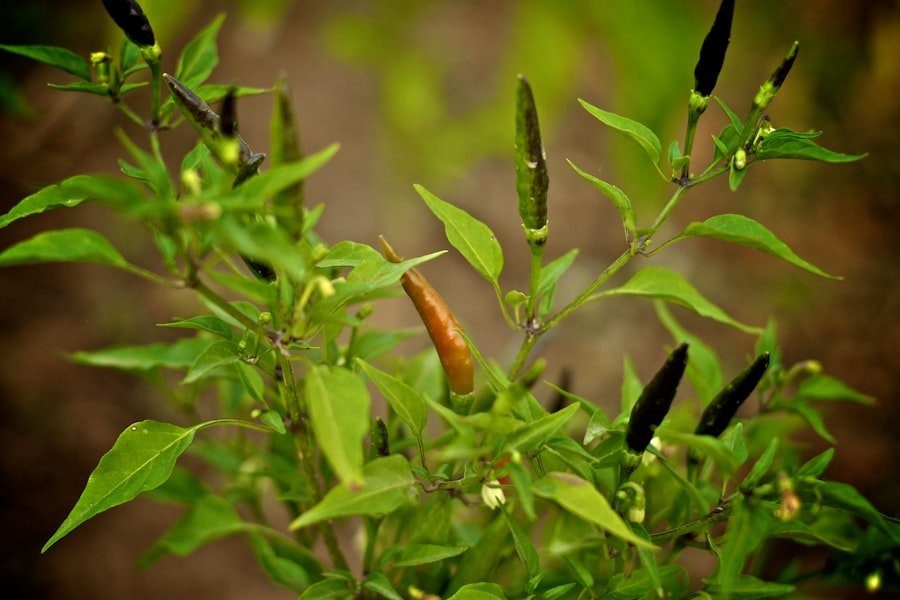
When it comes to planting Ancho peppers, timing is essential. These peppers are typically started indoors about 8 to 10 weeks before the last expected frost date in your area. Use seed trays filled with seed-starting mix, ensuring that each seed is planted about a quarter of an inch deep.
Maintain a warm temperature of around 70-80°F (21-27°C) to encourage germination, which usually occurs within 7 to 14 days. Once seedlings develop their first true leaves, they can be transplanted into larger pots to allow for further growth before being moved outdoors. If you prefer to plant seedlings directly in your garden, wait until all danger of frost has passed and the soil temperature reaches at least 65°F (18°C).
This spacing allows for adequate air circulation and sunlight penetration, which are vital for preventing diseases and promoting healthy growth. When transplanting, handle the seedlings by their leaves rather than the stems to avoid damage.
Water them thoroughly after planting to help settle the soil around the roots and reduce transplant shock.
Watering and Fertilizing Ancho Pepper Plants
| Week | Watering (inches) | Fertilizing (times) |
|---|---|---|
| 1-2 | 1 | 0 |
| 3-4 | 1.5 | 1 |
| 5-6 | 2 | 1 |
| 7-8 | 1.5 | 2 |
Proper watering practices are essential for the health of Ancho pepper plants. These peppers prefer consistent moisture but are sensitive to overwatering. A general rule of thumb is to water deeply once or twice a week, depending on weather conditions and soil moisture levels.
During particularly hot or dry spells, you may need to increase the frequency of watering. It’s important to check the top inch of soil; if it feels dry, it’s time to water. Drip irrigation systems or soaker hoses can be beneficial as they deliver water directly to the roots while minimizing evaporation.
Fertilization should be approached with care as well. After planting, you can apply a balanced fertilizer every four to six weeks during the growing season. Look for fertilizers with an N-P-K ratio of around 5-10-10 or similar, which provides adequate nitrogen for foliage growth while promoting flowering and fruiting through higher phosphorus and potassium levels.
Additionally, side-dressing with compost or organic fertilizers can provide a slow-release source of nutrients throughout the growing season. Monitoring your plants for signs of nutrient deficiencies—such as yellowing leaves—can help you adjust your fertilization strategy accordingly.
Providing Support for Ancho Pepper Plants
As Ancho pepper plants grow, they may require support to prevent them from bending or breaking under the weight of their fruit. Staking is a common method used by gardeners to provide this necessary support. Use sturdy stakes that are at least 5 feet tall and place them in the ground when planting or shortly thereafter to avoid disturbing the roots later on.
Tie the main stem of each plant gently to the stake using soft ties or garden twine, ensuring that you do not constrict the stem as it grows. Another effective support method is using cages made from wire or bamboo. These cages allow for more extensive support and can help keep the plants upright while also providing good air circulation around them.
When using cages, ensure they are placed around the plants early in their growth cycle so that they can grow into them as they mature. This proactive approach not only helps maintain plant health but also makes harvesting easier by keeping fruits off the ground.
Managing Pests and Diseases

Pest management is an integral part of growing Ancho peppers successfully. Common pests that may invade your pepper plants include aphids, spider mites, and whiteflies. Regularly inspecting your plants for signs of infestation is crucial; look for discolored leaves or visible insects on stems and undersides of leaves.
If pests are detected early, they can often be managed through natural methods such as introducing beneficial insects like ladybugs or using insecticidal soap sprays that target soft-bodied insects without harming beneficial organisms. Diseases such as powdery mildew and bacterial leaf spot can also pose threats to Ancho pepper plants. To minimize disease risk, practice crop rotation by not planting peppers in the same location year after year.
This disrupts disease cycles and reduces pathogen buildup in the soil. Additionally, ensure proper spacing between plants to promote airflow and reduce humidity around foliage, which can foster disease development. If disease symptoms appear, promptly remove affected leaves and consider applying fungicides if necessary.
Harvesting Ancho Peppers
Harvesting Ancho peppers requires careful timing to ensure optimal flavor and quality. These peppers typically reach maturity about 75-80 days after transplanting when they have turned a deep green color and have reached a length of about 4-6 inches. For those who prefer a sweeter flavor profile, allow them to ripen further on the plant until they turn a rich red color; this will enhance their sweetness and complexity but may also lead to a softer texture.
When harvesting, use sharp garden shears or scissors to cut the peppers from the plant rather than pulling them off, which can damage both the fruit and the plant itself. It’s advisable to wear gloves during this process as some individuals may experience skin irritation from handling peppers. After harvesting, handle the peppers gently to avoid bruising and store them in a cool place until you are ready to use them.
Storing and Preserving Ancho Peppers
Once harvested, proper storage techniques can extend the shelf life of Ancho peppers significantly. Freshly picked peppers can be stored in a refrigerator crisper drawer where they will remain fresh for up to two weeks if kept dry and unwashed until use. For longer-term storage options, consider drying or freezing your Ancho peppers.
Drying can be accomplished through air drying, using a dehydrator, or even an oven set at low temperatures; this concentrates their flavors and allows them to be stored for months. Freezing is another excellent preservation method that retains much of their flavor and texture. To freeze Ancho peppers effectively, wash them thoroughly, remove stems and seeds if desired, and then blanch them in boiling water for about two minutes before plunging them into ice water to halt cooking.
Once cooled, drain and pack them into airtight freezer bags or containers before placing them in the freezer. This method allows you to enjoy your homegrown Ancho peppers long after the growing season has ended.
Using Ancho Peppers in Cooking
Ancho peppers are celebrated for their rich flavor profile that combines sweetness with mild heat, making them a versatile ingredient in various culinary applications. They are commonly used in Mexican cuisine, particularly in sauces like mole poblano or enchilada sauce where their deep flavor adds complexity and depth. To use dried Ancho peppers in cooking, rehydrate them by soaking them in hot water for about 20-30 minutes before blending them into sauces or salsas.
Fresh Ancho peppers can also be incorporated into dishes such as stir-fries or grilled alongside other vegetables for added flavor. Their mild heat makes them suitable for families who may be sensitive to spiciness while still providing a robust taste that enhances any meal. Additionally, they can be stuffed with cheese or meats and baked for a delicious appetizer or main course option.
Saving Seeds for Future Planting
Saving seeds from your harvested Ancho peppers is an excellent way to ensure continuity in your gardening efforts while also preserving specific traits you may have found desirable in your plants. To save seeds effectively, select fully ripe peppers from healthy plants at harvest time; these seeds will have better viability than those taken from immature fruits. Cut open the pepper and carefully extract the seeds using clean hands or tools.
Once collected, rinse the seeds under cool water to remove any pulp or residue before laying them out on a paper towel or screen to dry completely—this process usually takes about one week in a cool, dry place away from direct sunlight. After drying, store seeds in labeled envelopes or airtight containers in a cool location until you’re ready to plant them next season. Properly saved seeds can remain viable for several years if stored correctly.
Troubleshooting Common Issues with Ancho Pepper Plants
Despite careful planning and maintenance, gardeners may encounter various issues while growing Ancho pepper plants. One common problem is blossom drop, where flowers fall off before setting fruit due to stress factors such as extreme temperatures or inadequate watering practices. To mitigate this issue, ensure consistent moisture levels and protect plants from extreme heat by providing shade during peak sun hours.
Another frequent challenge is nutrient deficiencies manifesting as yellowing leaves or stunted growth. Conducting regular soil tests can help identify specific nutrient needs; adjusting fertilization practices based on these results will promote healthier plants overall. Additionally, if you notice wilting despite adequate watering, check for root rot caused by overwatering or poor drainage—remedy this by improving soil drainage or adjusting your watering schedule accordingly.
By addressing these common issues proactively and maintaining vigilant care throughout the growing season, you can cultivate thriving Ancho pepper plants that yield bountiful harvests year after year.
FAQs
What are ancho peppers?
Ancho peppers are a type of dried poblano pepper, commonly used in Mexican cuisine. They are mild in heat and have a sweet, smoky flavor.
How do you grow ancho peppers?
Ancho peppers can be grown from seeds or seedlings in well-draining soil with plenty of sunlight. They require regular watering and can be grown in containers or in the ground.
What are the ideal growing conditions for ancho peppers?
Ancho peppers thrive in warm climates with plenty of sunlight. They prefer well-draining soil and regular watering. They are typically grown as annuals, but can be overwintered in warmer climates.
When is the best time to plant ancho pepper seeds?
Ancho pepper seeds can be started indoors 6-8 weeks before the last frost date, and then transplanted outdoors once the soil has warmed up.
How long does it take for ancho peppers to mature?
Ancho peppers typically take 75-85 days to mature from the time of transplanting. They can be harvested when they have turned from green to a deep red color.
How do you harvest ancho peppers?
Ancho peppers can be harvested by cutting them from the plant with a pair of scissors or pruning shears. It’s best to harvest them when they have turned from green to a deep red color.
What are some common pests and diseases that affect ancho peppers?
Common pests that affect ancho peppers include aphids, spider mites, and whiteflies. Diseases such as powdery mildew and bacterial spot can also affect the plants. Using organic pest control methods and proper watering techniques can help prevent these issues.