

Yard long beans, scientifically known as Vigna unguiculata subsp. sesquipedalis, are a fascinating legume that has captured the attention of gardeners and culinary enthusiasts alike. Originating from Southeast Asia, these beans are renowned for their impressive length, often reaching up to 36 inches or more.
The plant itself is a vigorous climber, typically requiring support as it grows, and can produce an abundant harvest throughout the warm months. The allure of yard long beans extends beyond their striking length; they are also packed with nutritional benefits.
Rich in vitamins A and C, as well as dietary fiber, these beans contribute to a healthy diet while adding a delightful crunch to meals. Their ability to thrive in diverse soil types and climates makes them an excellent choice for home gardeners looking to diversify their vegetable patch. As we delve deeper into the cultivation of yard long beans, we will explore the best practices for selecting seeds, understanding varieties, and ensuring a bountiful harvest.
Key Takeaways
- Yard long beans are a versatile and nutritious vegetable that can be easily grown in home gardens.
- When choosing seeds for yard long beans, consider factors such as climate, soil type, and desired bean length.
- There are different varieties of yard long beans, including green, purple, and red varieties, each with unique flavors and textures.
- Plant yard long beans in well-drained soil and provide support for climbing varieties; water regularly and watch for common pests and diseases.
- Harvest yard long beans when they are young and tender, and store them in the refrigerator for up to a week; enjoy them in stir-fries, salads, and other dishes.
Choosing the Right Seeds for Your Garden
Selecting the right seeds is a crucial first step in cultivating yard long beans successfully. When choosing seeds, consider factors such as climate, soil type, and intended use. Many gardeners prefer to start with heirloom varieties, which are often more flavorful and adapted to local growing conditions.
Heirloom seeds have been passed down through generations and are known for their resilience and unique taste profiles. For instance, the ‘Chinese Long Bean’ is a popular heirloom variety that thrives in warm climates and produces long, slender pods that are perfect for stir-frying. In addition to heirloom options, hybrid varieties are also available and can offer advantages such as disease resistance and higher yields.
For example, the ‘Red Noodle Bean’ is a hybrid that not only boasts striking red color but also offers robust growth and adaptability. When purchasing seeds, it is essential to source them from reputable suppliers to ensure quality and viability. Look for seeds that are certified organic or non-GMO if you prefer to grow your garden without synthetic chemicals.
Understanding Different Varieties of Yard Long Beans
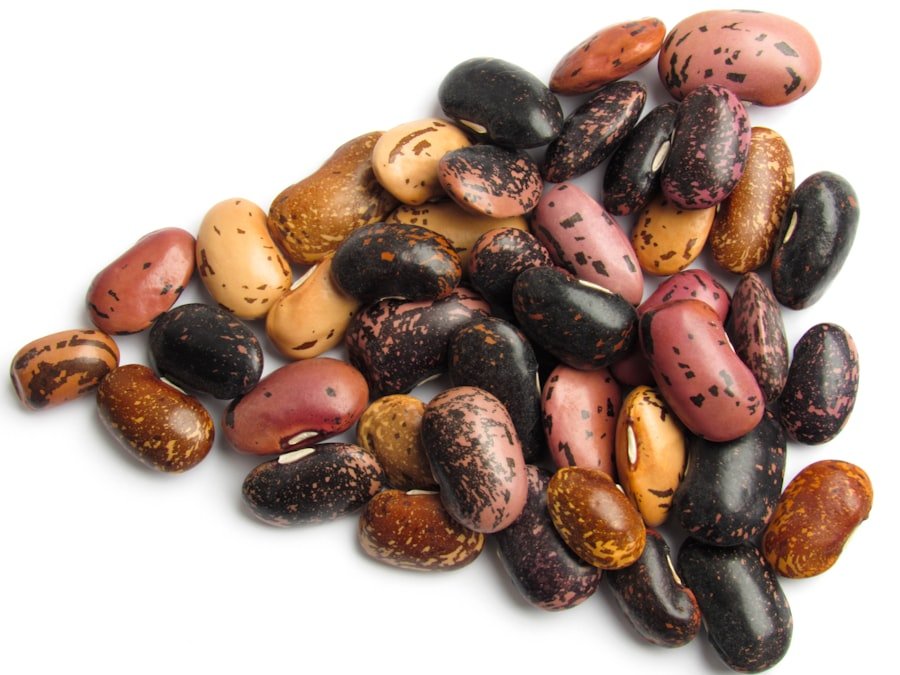
Yard long beans come in several varieties, each with its own unique characteristics that cater to different culinary preferences and growing conditions. The most common types include the green yard long bean, the red noodle bean, and the purple yard long bean. The green variety is the most widely cultivated and is characterized by its tender texture and mild flavor, making it a staple in many Asian dishes.
It is often used in stir-fries, salads, and soups due to its versatility. The red noodle bean stands out not only for its vibrant color but also for its slightly sweeter taste compared to its green counterpart. This variety is particularly popular in gourmet cooking and can add visual appeal to any dish.
The purple yard long bean, while less common, offers a unique flavor profile and can be used interchangeably with green beans in recipes. Understanding these varieties allows gardeners to choose the best fit for their culinary needs while also considering factors such as growth habits and resistance to pests.
Tips for Planting and Caring for Yard Long Beans
| Yard Long Beans Care Tips | Details |
|---|---|
| Planting Time | Spring or early summer |
| Sunlight | Full sun (at least 6 hours per day) |
| Soil | Well-drained, fertile soil with pH 6.0-6.8 |
| Watering | Regular watering, especially during dry periods |
| Support | Provide trellis or support for climbing |
| Fertilization | Use balanced fertilizer every 4-6 weeks |
| Pest Control | Monitor for pests and use organic pest control methods |
| Harvesting | Pick beans when they are young and tender, about 12-18 inches long |
Planting yard long beans requires careful attention to timing and environmental conditions.
Prepare the planting site by ensuring it receives full sun for at least six hours a day and has well-draining soil enriched with organic matter.
A pH level between 6.0 and 7.0 is ideal for optimal growth. Once planted, yard long beans require regular watering, especially during dry spells. However, it is crucial to avoid waterlogging, as this can lead to root rot.
Mulching around the base of the plants can help retain moisture while suppressing weeds. As the plants grow, providing support through trellises or stakes is essential; this not only encourages vertical growth but also improves air circulation around the foliage, reducing the risk of fungal diseases.
Dealing with Common Pests and Diseases
Like any crop, yard long beans are susceptible to various pests and diseases that can hinder their growth and yield. Common pests include aphids, spider mites, and whiteflies, which can damage leaves and reduce overall plant vigor. To manage these pests organically, consider introducing beneficial insects such as ladybugs or lacewings that prey on aphids.
Additionally, insecticidal soap or neem oil can be effective treatments when applied early in the infestation. Diseases such as powdery mildew and root rot can also pose challenges for gardeners. Powdery mildew thrives in humid conditions and can be identified by its white powdery spots on leaves.
To prevent this disease, ensure adequate spacing between plants for airflow and avoid overhead watering. If plants do become infected, removing affected leaves promptly can help contain the spread. Root rot can be mitigated by ensuring proper drainage in the soil and avoiding overwatering.
Harvesting and Storing Yard Long Beans
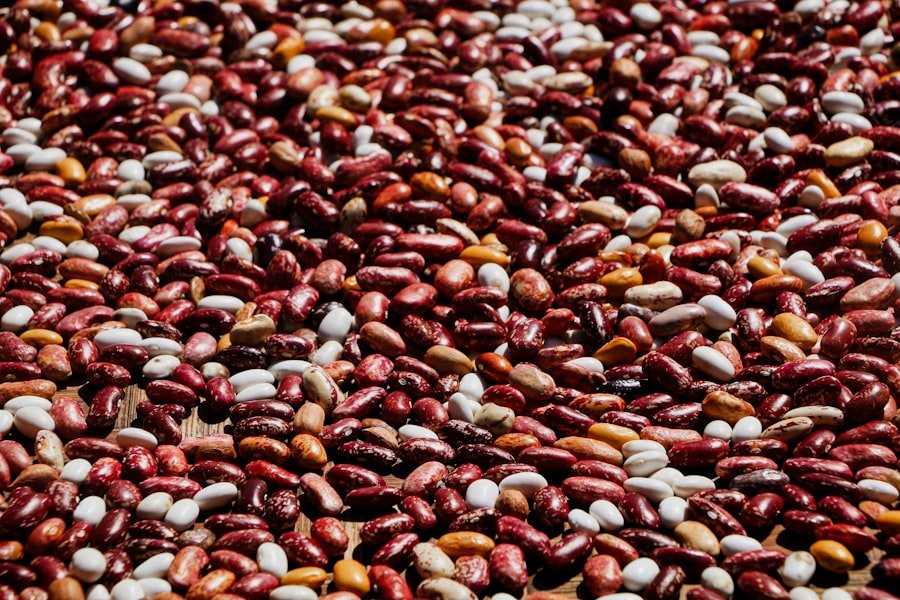
Harvesting yard long beans at the right time is crucial for ensuring optimal flavor and texture. These beans should be picked when they are young and tender, typically around 12 to 18 inches in length. If left on the vine too long, they can become tough and fibrous, losing their desirable qualities.
Regular harvesting encourages continued production; therefore, checking plants every few days during peak growing season is advisable. Once harvested, yard long beans can be stored in the refrigerator for up to a week if kept in a perforated plastic bag to maintain humidity while allowing airflow. For longer storage options, blanching the beans before freezing can preserve their color and flavor effectively.
To blanch, simply immerse the beans in boiling water for two minutes before transferring them to an ice bath to halt cooking. After cooling, drain thoroughly and pack them into airtight containers or freezer bags for future use.
Cooking and Enjoying Yard Long Beans
Yard long beans are incredibly versatile in the kitchen, lending themselves well to a variety of cooking methods including stir-frying, steaming, boiling, or even grilling. Their crunchy texture makes them an excellent addition to stir-fries alongside other vegetables like bell peppers and carrots. A classic dish featuring yard long beans is “Sambal Goreng,” an Indonesian stir-fry that combines these beans with spicy sambal sauce for a flavorful kick.
In addition to traditional Asian recipes, yard long beans can be incorporated into salads or served as a side dish with dips like peanut sauce or yogurt-based dressings. Their unique length also makes them visually appealing when served whole on platters or skewered for grilling. Experimenting with different spices and cooking techniques can elevate their natural flavor while introducing new culinary experiences.
The Benefits of Growing Yard Long Beans in Your Garden
Growing yard long beans offers numerous benefits beyond just adding variety to your vegetable garden. They are relatively easy to cultivate, making them an excellent choice for both novice and experienced gardeners alike. Their rapid growth rate means that gardeners can enjoy a bountiful harvest within a few months of planting, providing fresh produce during the summer months when many other crops may be winding down.
Moreover, yard long beans contribute positively to soil health due to their nitrogen-fixing properties; they enrich the soil as they grow, benefiting subsequent crops planted in the same area. This sustainable gardening practice not only enhances soil fertility but also promotes biodiversity within your garden ecosystem. With their nutritional value, culinary versatility, and ease of care, yard long beans are indeed a rewarding addition to any home garden.
FAQs
What are Chinese yard long beans?
Chinese yard long beans, also known as asparagus beans or snake beans, are a type of legume that is popular in Asian cuisine. They are long, slender, and have a slightly sweet and nutty flavor.
How do you grow Chinese yard long beans from seeds?
To grow Chinese yard long beans from seeds, you can start by soaking the seeds in water for 24 hours before planting them in well-drained soil. Plant the seeds about 1 inch deep and 4-6 inches apart. They require full sun and regular watering.
When is the best time to plant Chinese yard long bean seeds?
Chinese yard long bean seeds should be planted after the last frost in the spring when the soil has warmed up. They thrive in warm weather and require a long growing season, so it’s best to plant them in late spring or early summer.
How long does it take for Chinese yard long beans to grow from seeds?
Chinese yard long beans typically take about 60-90 days to reach maturity from the time the seeds are planted. However, this can vary depending on the growing conditions and climate.
Can Chinese yard long beans be grown in containers?
Yes, Chinese yard long beans can be grown in containers as long as the container is large enough to accommodate the long vines. Make sure the container has good drainage and provide a trellis or support for the vines to climb.
Are Chinese yard long bean seeds easy to find?
Chinese yard long bean seeds are readily available from garden centers, nurseries, and online seed suppliers. They are relatively easy to find and are a popular choice for home gardeners.