

The curry leaf plant, scientifically known as Murraya koenigii, is a tropical and subtropical tree native to the Indian subcontinent. It is renowned for its aromatic leaves, which are a staple in various culinary traditions, particularly in Indian cuisine. The leaves are not only prized for their unique flavor but also for their numerous health benefits, including antioxidant properties and digestive support.
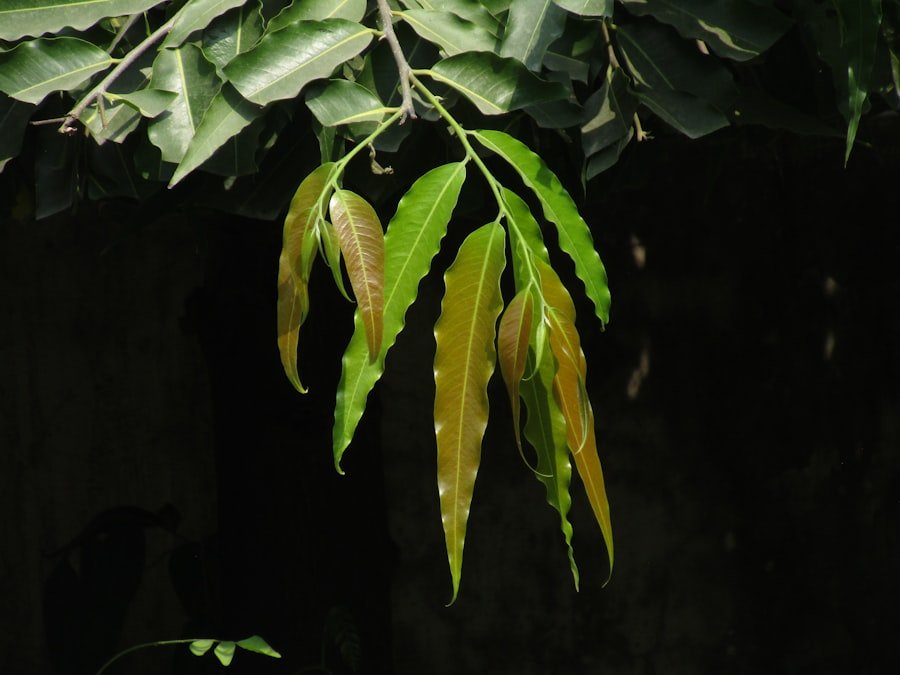
The plant itself can grow up to 6-15 feet tall, featuring glossy, pinnate leaves that are bright green when young and darken as they mature. The small white flowers that bloom on the plant are also quite fragrant and can attract beneficial pollinators. Cultivating the curry leaf plant can be a rewarding endeavor for both amateur and seasoned gardeners.
It thrives in warm climates and can be grown in pots or directly in the ground, making it versatile for different gardening setups. Understanding the plant’s growth habits, light requirements, and water needs is crucial for successful cultivation. The curry leaf plant prefers well-drained soil and full sunlight, although it can tolerate partial shade.
Its resilience to drought once established makes it an excellent choice for gardeners looking to add a low-maintenance yet flavorful herb to their collection.
Key Takeaways
- The curry leaf plant is a tropical plant native to India and Sri Lanka, known for its aromatic leaves used in cooking.
- When choosing seeds for your curry leaf plant, look for fresh, high-quality seeds from a reputable supplier.
- Prepare well-draining soil with a mix of potting soil, sand, and perlite, and choose a pot with good drainage to plant your curry leaf seeds.
- Plant the seeds about 1/4 inch deep in the soil, and keep the soil consistently moist but not waterlogged for successful germination.
- Provide the curry leaf plant with warm, humid conditions, plenty of sunlight, and regular watering and fertilizing for healthy growth.
Choosing the Right Seeds
Selecting high-quality seeds is a critical first step in cultivating a healthy curry leaf plant. Seeds can be sourced from reputable nurseries or online retailers specializing in herb seeds. When choosing seeds, look for those that are fresh and have a high germination rate.
Older seeds may have diminished viability, leading to poor germination and weak plants. Additionally, consider the variety of curry leaf seeds available; while most are similar in flavor and growth habits, some may be more suited to specific climates or growing conditions. Another option is to propagate the curry leaf plant from cuttings.
This method can be advantageous as it allows you to bypass the seed germination phase entirely. When taking cuttings, select healthy stems from a mature plant, ideally those that are semi-hardwood. Ensure that the cuttings are around 6-8 inches long and have several leaves attached.
This method not only guarantees that you will have a plant identical to the parent but also often results in faster growth compared to starting from seeds.
Preparing the Soil and Pot
The foundation of any successful gardening endeavor lies in the soil and pot preparation. For curry leaf plants, a well-draining potting mix is essential to prevent root rot and promote healthy growth. A mixture of potting soil, perlite, and sand can create an ideal environment for the roots to thrive.
Additionally, incorporating organic matter such as compost can enrich the soil with nutrients necessary for robust growth.
When selecting a pot for your curry leaf plant, consider its size and material. A pot that is at least 12 inches in diameter is recommended for young plants, allowing ample space for root development. Terracotta pots are an excellent choice due to their breathability, which helps regulate moisture levels in the soil.
Ensure that the pot has drainage holes at the bottom to facilitate excess water escape. Before planting, it’s advisable to soak the potting mix in water until it is evenly moist but not soggy, creating an optimal environment for seed germination.
Planting the Seeds
| Month | Number of Seeds Planted | Germination Rate (%) |
|---|---|---|
| January | 200 | 85% |
| February | 180 | 90% |
| March | 220 | 88% |
Once you have prepared your soil and pot, it’s time to plant the seeds. Begin by filling your pot with the prepared potting mix, leaving about an inch of space at the top. Create small depressions in the soil about half an inch deep and place one or two seeds in each depression.
It’s important not to bury the seeds too deeply, as this can hinder their ability to sprout. After planting, water the soil lightly to settle it around the seeds without washing them away.
If you are using multiple pots or rows, ensure that they are spaced adequately apart to allow for air circulation as the plants grow. Label each pot with the planting date and variety of seeds if you are experimenting with different types. This will help you keep track of germination times and care requirements as your plants develop.
Providing the Right Conditions for Germination
Germination is a critical phase in the life cycle of your curry leaf plant, requiring specific conditions to succeed. The ideal temperature for germination ranges between 70°F to 85°F (21°C to 29°C). If you live in a cooler climate, consider using a heat mat or placing your pots in a warm location such as near a sunny window or under grow lights.
Consistent warmth will encourage faster germination rates and healthier seedlings. In addition to temperature, humidity plays a significant role in germination success. Curry leaf seeds benefit from a humid environment; therefore, covering your pots with plastic wrap or a humidity dome can help retain moisture while still allowing light penetration.
Be sure to check regularly for moisture levels; if the soil appears dry, mist it lightly with water to maintain humidity without over-saturating it. Once seedlings emerge, remove any coverings to prevent mold growth and allow for proper air circulation.
Watering and Fertilizing
Watering is one of the most crucial aspects of caring for your curry leaf plant during its early stages of growth. The soil should be kept consistently moist but not soggy; overwatering can lead to root rot while underwatering can stress the young plants. A good rule of thumb is to check the top inch of soil; if it feels dry to the touch, it’s time to water.
When watering, do so thoroughly until water drains from the bottom of the pot, ensuring that all roots receive adequate moisture. Fertilizing your curry leaf plant will also support its growth and health. Once seedlings have developed their first set of true leaves, you can begin applying a balanced liquid fertilizer diluted to half strength every four to six weeks during the growing season.
Organic options such as fish emulsion or seaweed extract can provide essential nutrients without risking chemical buildup in the soil. As your plant matures, consider switching to a fertilizer higher in potassium and phosphorus to encourage robust leaf production.
Transferring to a Larger Pot
As your curry leaf plant grows, it may outgrow its initial pot, necessitating a transfer to a larger container. Signs that it’s time for repotting include roots emerging from drainage holes or stunted growth despite proper care. When transferring your plant, choose a pot that is one size larger than its current container—typically 2-4 inches wider in diameter will suffice.
To repot your curry leaf plant, gently remove it from its current pot by carefully loosening the soil around the edges with your fingers or a small tool. Take care not to damage the roots during this process. Place fresh potting mix into the bottom of the new pot before positioning your plant at the same depth it was previously growing.
Fill in around the sides with more potting mix and water thoroughly after repotting to help settle the soil around the roots.
Pruning and Training the Plant
Pruning is an essential practice for maintaining a healthy curry leaf plant and encouraging bushier growth. As your plant matures, regular pruning will help shape its structure and promote new growth from lower nodes. Begin by removing any dead or yellowing leaves as well as any stems that appear weak or leggy.
This not only improves aesthetics but also allows more light to reach healthy foliage. Training your curry leaf plant can also enhance its growth habit. If you desire a bushier appearance rather than a tall tree-like structure, pinch back new growth regularly when it reaches about 6 inches in height.
This encourages lateral branching and results in a fuller plant overall. For those who prefer a more upright form, selectively prune lower branches while allowing upper growth to flourish.
Dealing with Pests and Diseases
Like any garden plant, curry leaf plants can be susceptible to various pests and diseases that may hinder their growth or affect their health. Common pests include aphids, spider mites, and whiteflies, which can sap nutrients from leaves and lead to stunted growth or leaf drop. Regularly inspecting your plants for signs of infestation is crucial; look for discolored leaves or webbing on foliage.
If pests are detected, there are several organic methods available for control. Neem oil is an effective natural pesticide that disrupts pest life cycles without harming beneficial insects when used correctly. Additionally, introducing beneficial insects such as ladybugs can help keep pest populations in check naturally.
Fungal diseases like powdery mildew may also affect curry leaf plants; ensuring good air circulation around your plants and avoiding overhead watering can help prevent these issues.
Harvesting Curry Leaves
Harvesting curry leaves is one of the most rewarding aspects of growing this aromatic plant. Once your curry leaf plant has established itself and produced ample foliage—typically after about six months—you can begin harvesting leaves as needed. It’s best to pick leaves early in the morning when their essential oils are most concentrated for maximum flavor.
When harvesting, use clean scissors or pruning shears to snip off entire sprigs rather than plucking individual leaves; this encourages new growth from lower nodes and helps maintain the overall health of the plant. Always leave enough foliage on the plant so it can continue photosynthesis effectively; removing too many leaves at once can stress the plant and hinder future growth.
Tips for Success
To ensure success in growing your curry leaf plant, consider implementing several best practices throughout its life cycle. First and foremost, patience is key; curry leaf plants can take time to establish themselves fully before they begin producing abundant foliage suitable for harvesting. Regular monitoring of environmental conditions—such as light levels, temperature fluctuations, and humidity—will help you make necessary adjustments promptly.
Additionally, maintaining a consistent watering schedule while avoiding over-fertilization will contribute significantly to your plant’s health. As your curry leaf plant matures, consider rotating it periodically if grown indoors; this will ensure even light exposure on all sides of the plant and promote balanced growth. Lastly, don’t hesitate to seek advice from local gardening communities or online forums if you encounter challenges; sharing experiences with fellow gardeners can provide valuable insights into successful cultivation techniques tailored specifically for your region’s climate conditions.
FAQs
What is a curry leaf plant?
The curry leaf plant, also known as Murraya koenigii, is a tropical to sub-tropical tree in the Rutaceae family. It is native to India and is commonly used in Indian cooking for its aromatic leaves.
How do you grow a curry leaf plant from seed?
To grow a curry leaf plant from seed, start by soaking the seeds in water for 24 hours. Then, plant the seeds in a well-draining potting mix and keep the soil consistently moist. Place the pot in a warm, sunny location and the seeds should germinate within 2-8 weeks.
What are the ideal growing conditions for a curry leaf plant?
Curry leaf plants thrive in warm, humid conditions and require full sun to partial shade. They prefer well-draining soil and should be watered regularly to keep the soil consistently moist. They are sensitive to cold temperatures and should be protected from frost.
How long does it take for a curry leaf plant to grow from seed?
It typically takes 1-2 years for a curry leaf plant to grow from seed to a size suitable for harvesting leaves. However, it may take longer for the plant to reach its full size and produce a significant amount of leaves.
Can curry leaf plants be grown indoors?
Yes, curry leaf plants can be grown indoors as long as they receive sufficient sunlight. They should be placed near a sunny window or under grow lights to ensure they receive the light they need to thrive. Additionally, indoor humidity levels should be maintained to mimic their natural tropical environment.