

When gardeners talk about nespoli/nespolo, they most often mean loquat (Eriobotrya japonica)—not common medlar (Mespilus germanica), which is a different species. Loquat is an evergreen fruit tree with fragrant winter bloom and sweet-tart fruit that ripens in spring.
Choosing the Right Loquat Variety
Start by selecting a cultivar that fits your climate, taste preferences, and available space. Some popular choices include:
- ‘Big Jim’: known for very large fruit and a sweet flavor.
- ‘Champagne’: often recommended for warmer areas.
- ‘Gold Nugget’: frequently recommended for cooler coastal or mild-temperate areas.
- ‘MacBeth’: valued for exceptionally large fruit.
Cold tolerance matters most in climates with winter freezes. Established loquat trees can survive brief lows around 8–10°F (−12 to −9°C), but the flowers and developing fruit are typically killed below about 27°F (−3°C). In frost-prone areas, choose the warmest microclimate you have and consider planting more than one cultivar to improve pollination and fruit set. (See UF/IFAS loquat guidance.)
Key takeaways
- Pick a loquat cultivar that matches your climate and the fruit traits you want (size, flavor, season).
- Plant in full sun with well-drained soil, and give the tree enough room to mature.
- Protect winter bloom from hard freezes if you garden near loquat’s cold limit.
- Water deeply during establishment and fruit development, but avoid waterlogged soil.
- Prune after harvest so you don’t remove next season’s flower buds.
Selecting the Ideal Location for Planting
The location where you plant your loquat fruit tree plays a pivotal role in its overall health and productivity. Loquat trees thrive in full sun (at least six hours of direct light daily) and perform best in well-drained soil. Poor drainage can lead to root rot and other complications that can jeopardize the tree’s health.
Loquats can grow into medium-to-large trees (often 15–30+ feet tall and wide if unpruned), so space them away from buildings, power lines, and neighboring trees to reduce shading and competition. If late frosts are a concern, plant in the warmest spot available (for example, near a south-facing wall that blocks wind and radiates warmth).
Preparing the Soil for Planting Nespoli Fruit Trees
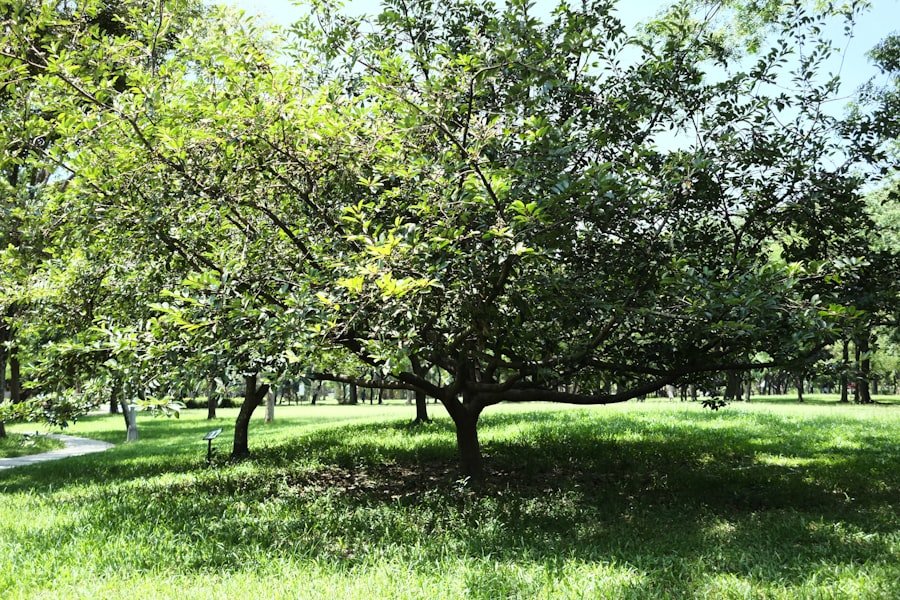
Loquats grow in many soil types as long as drainage is good. Loamy soils rich in organic matter are ideal, but clay or limestone-based soils can work if they don’t stay waterlogged.
Before planting, a soil test can help you understand your soil’s pH and nutrient levels. In general, loquat grows best in slightly acidic to neutral soil, but it can still perform in more alkaline soils when drainage and nutrition are managed well. If your soil test shows an extreme pH, follow local extension recommendations for adjusting it (for example, lime to raise pH or sulfur to lower it).
When preparing the planting hole, aim for 2–3 times the width of the root ball. Set the tree so the top of the root ball is level with (or slightly above) the surrounding soil, and backfill with the excavated native soil. If you add compost, keep it modest and mixed with native soil rather than creating a “pot” of rich material inside the hole.
Planting and Caring for Nespoli Fruit Trees
| Aspect | Information |
|---|---|
| Soil | Well-drained soil; avoid sites that stay wet |
| Sunlight | Full sun for best fruiting |
| Watering | Deep watering during establishment and fruit development; let soil dry slightly between waterings |
| Pruning | Prune after harvest and before winter bloom; timing varies by region (often late spring through early fall). Avoid heavy pruning in fall/winter so you don’t remove flower buds. |
| Fertilization | Use a balanced fertilizer based on a soil test and local extension guidance; avoid excess nitrogen |
| Pest & disease | Monitor for aphids, scale, fruit flies, and fire blight; remove affected wood promptly and manage vigor |
The best time for planting is often late fall or early spring, when temperatures are moderate and the tree can establish roots before peak heat. When planting a grafted tree, keep the graft union above the soil line.
Mulch around the base with wood chips or straw to conserve moisture and suppress weeds, but keep mulch a few inches away from the trunk. Young trees may need staking until roots are established.
Watering and Fertilizing Nespoli Fruit Trees
Newly planted loquat trees need consistent moisture while they establish roots. Water deeply, then allow the upper soil to dry slightly before watering again. Once established, loquats are somewhat drought-tolerant, but they fruit best when moisture is steady during bloom and fruit development.
For fertilizer, a soil test is the safest starting point. If you fertilize, use a balanced product and avoid heavy nitrogen—overly vigorous, tender growth can increase fire blight risk.
Pruning and Training Nespoli Fruit Trees
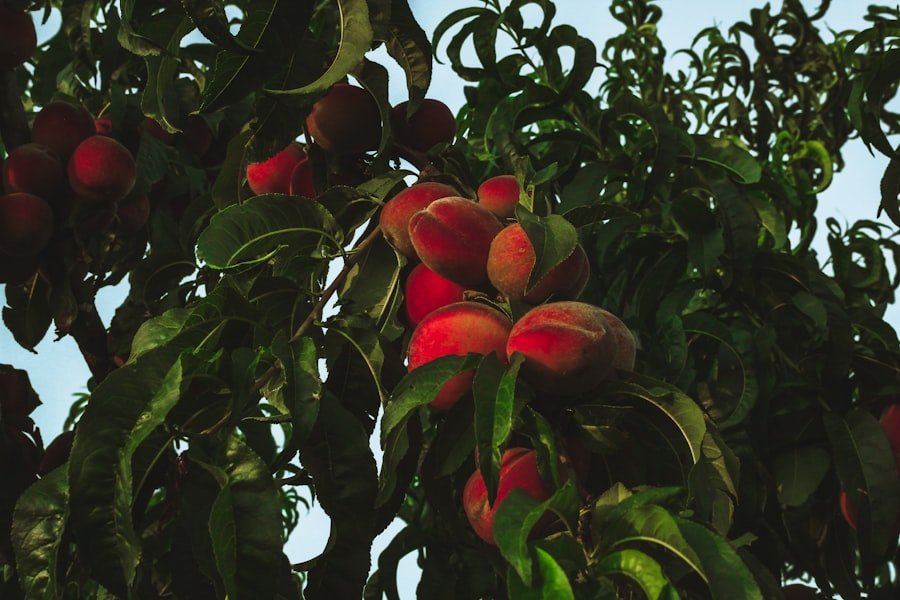
Pruning helps keep the canopy open for light and airflow, which supports fruit quality and reduces disease pressure. Because loquat typically flowers in fall and winter and fruits in spring, do structural pruning after harvest, before the tree sets the next round of flower buds. Aim to remove dead or diseased wood and crossing branches, and then shape the tree for easy harvest.
Protecting Nespoli Fruit Trees from Pests and Diseases
Common pests include aphids, scale insects, and fruit flies. Bagging fruit clusters can reduce fruit-fly damage in areas where it’s a problem. Fire blight can also affect loquat, especially on fast-growing shoots; prune out infected wood and avoid excess nitrogen.
Harvesting and Storing Nespoli Fruits
Harvest timing depends on your climate and variety. In many warm-temperate regions, loquats ripen in spring; in cooler coastal areas, harvest can extend into early summer. Pick when fruits reach full color and soften slightly—taste is the best ripeness test.
Handle gently. Twist off clusters and clip individual fruits to avoid bruising. Refrigerate for a short period, and use fully ripe fruit quickly for the best flavor.
Propagating Nespoli Fruit Trees
Loquats can be propagated from seed, by grafting/budding, or by layering. Seed-grown trees may not come true to type and commonly take 6–8 years (or more in marginal climates) to flower and fruit. Grafted or otherwise vegetatively propagated trees often bear within 1–2 years after planting under good conditions.
Each propagation method has its advantages and challenges; choose based on your climate, timeline, and whether you want a true-to-type cultivar.
Common Problems and Solutions for Growing Nespoli Fruit Trees
Poor fruit set is often caused by frost damage to winter bloom or by low pollinator activity during flowering. While loquat is generally self-compatible, cross-pollination from a second cultivar can improve fruit set, size, and overall production. If you have room, consider planting two different cultivars.
For cultivar notes and regional pruning timing, see UC Master Gardener guidance on loquats.
Enjoying the Fruits of Your Labor: Using Nespoli Fruits in Recipes
Loquats are excellent fresh, and they’re especially good in jam, jelly, and syrups. Their sweet-tart flavor also works well in salads, chutneys, and desserts like tarts and crumbles. For cooking, remove seeds and adjust sugar to taste.
FAQs
What are Nespoli fruit trees?
Nespoli fruit trees most commonly refer to loquat (Eriobotrya japonica), an evergreen tree native to China and grown in many subtropical and warm-temperate regions.
What do Nespoli fruits look like?
Loquat fruits are round to pear-shaped and turn yellow to orange when ripe. The flesh is juicy and sweet-tart, and the fruit usually contains 1–4 large seeds (though some cultivars have more).
How do you grow Nespoli fruit trees?
Plant loquat in full sun with well-drained soil. Water regularly while the tree establishes, then focus irrigation during bloom and fruit development. Grafted trees are preferred for reliable fruit quality and earlier bearing.
When do Nespoli fruit trees produce fruit?
Loquat typically flowers in fall and winter, and the fruit ripens in spring (sometimes extending into early summer in cooler climates).
What are the uses of Nespoli fruits?
Loquats can be eaten fresh, cooked into jams and preserves, or used in desserts, sauces, and beverages. (Do not eat the seeds.)