

Edamame, the young, green soybeans harvested before they reach maturity, have gained immense popularity in recent years, both as a nutritious snack and a versatile ingredient in various dishes. Originating from East Asia, particularly Japan and China, edamame has been consumed for centuries, but it has only recently made its way into mainstream Western cuisine. These vibrant green pods are not only delicious but also packed with protein, fiber, vitamins, and minerals, making them an excellent addition to a balanced diet.
The unique flavor profile of edamame, which is often described as a combination of sweet and nutty, lends itself well to a variety of culinary applications, from salads to stir-fries. The cultivation of edamame is relatively straightforward, making it an appealing choice for home gardeners and commercial growers alike. With the right conditions and care, anyone can grow their own edamame plants and enjoy the satisfaction of harvesting fresh pods.
This article will delve into the essential aspects of growing edamame, from selecting the right seeds to harvesting and cooking the beans. By understanding the nuances of edamame cultivation, you can ensure a bountiful harvest and enjoy this nutritious legume in your meals.
Key Takeaways
- Edamame is a popular and nutritious snack made from young soybeans.
- When choosing edamame seeds, consider factors such as maturity, disease resistance, and climate suitability.
- Prepare the soil for planting edamame seeds by ensuring proper drainage and adding organic matter for nutrients.
- Plant edamame seeds in well-drained soil and provide adequate spacing for optimal growth.
- Water and fertilize edamame plants regularly to promote healthy growth and pod development.
Choosing the Right Variety of Edamame Seeds
Selecting the appropriate variety of edamame seeds is crucial for successful cultivation. There are several types of edamame available, each with distinct characteristics that can influence growth and flavor. Generally, edamame varieties can be categorized into two main groups: early-maturing and late-maturing.
In contrast, late-maturing varieties may require 90 days or more but often yield larger pods with a richer flavor. When choosing seeds, consider your local climate and growing conditions.
For instance, if you live in a cooler region with a shorter summer, opting for an early-maturing variety like ‘Hokkaido’ or ‘Midori Giant’ can help ensure a successful harvest. On the other hand, if you reside in a warmer area with a longer growing season, you might explore late-maturing options such as ‘Sapporo’ or ‘Shirofumi,’ which are known for their robust flavor and larger bean size. Additionally, it’s essential to source seeds from reputable suppliers to ensure quality and viability.
Preparing the Soil for Planting Edamame Seeds

Soil preparation is a critical step in cultivating healthy edamame plants. Edamame thrives in well-draining soil that is rich in organic matter. Before planting, it’s advisable to conduct a soil test to determine pH levels and nutrient content.
Ideally, edamame prefers slightly acidic to neutral soil with a pH range of 6.0 to 7.0. If your soil is too acidic or alkaline, you can amend it using lime or sulfur to achieve the desired pH balance. Incorporating organic matter into the soil is beneficial for edamame growth.
Adding compost or well-rotted manure not only improves soil structure but also enhances nutrient availability. Aim for a soil depth of at least 12 inches to allow for proper root development. Additionally, tilling the soil to a fine texture helps create an optimal environment for seed germination.
Once the soil is prepared, it’s essential to allow it to settle before planting to prevent any air pockets that could hinder seed growth.
Planting Edamame Seeds
| Week | Number of Seeds Planted | Average Germination Rate | Watering Frequency |
|---|---|---|---|
| 1 | 100 | 80% | Every 2 days |
| 2 | 90 | 85% | Every 3 days |
| 3 | 95 | 75% | Every 2 days |
The timing of planting edamame seeds is crucial for successful germination and growth. Edamame is sensitive to frost; therefore, it is best to plant seeds after the last frost date in your area when soil temperatures consistently reach around 60°F (15°C). This typically occurs in late spring or early summer, depending on your geographical location.
When planting edamame seeds, space them approximately 2 to 4 inches apart in rows that are 30 to 36 inches apart. This spacing allows adequate airflow between plants and reduces competition for nutrients. Plant the seeds about 1 inch deep in the soil; this depth helps protect them from temperature fluctuations and ensures they remain moist during germination.
After planting, gently firm the soil over the seeds and water thoroughly to promote germination. It’s advisable to keep an eye on weather conditions during this period; if heavy rains are expected shortly after planting, consider covering the area with row covers to protect the seeds from being washed away.
Watering and Fertilizing Edamame Plants
Proper watering is essential for the healthy growth of edamame plants. During the germination phase, maintaining consistent moisture in the soil is critical; however, be cautious not to overwater, as this can lead to root rot. Once seedlings emerge, they require about 1 inch of water per week, either from rainfall or supplemental irrigation.
As the plants mature, they may need more water during flowering and pod development stages; thus, monitoring soil moisture levels becomes increasingly important. Fertilization also plays a significant role in promoting healthy growth and maximizing yield. Edamame plants benefit from nitrogen-rich fertilizers during their early growth stages since they are legumes capable of fixing atmospheric nitrogen through their root nodules.
A balanced fertilizer with equal parts nitrogen, phosphorus, and potassium can be applied at planting time and again when plants reach about 6 inches in height. However, excessive nitrogen can lead to lush foliage at the expense of pod production; therefore, it’s essential to follow recommended application rates based on soil tests.
Mulching and Weed Control for Edamame Plants
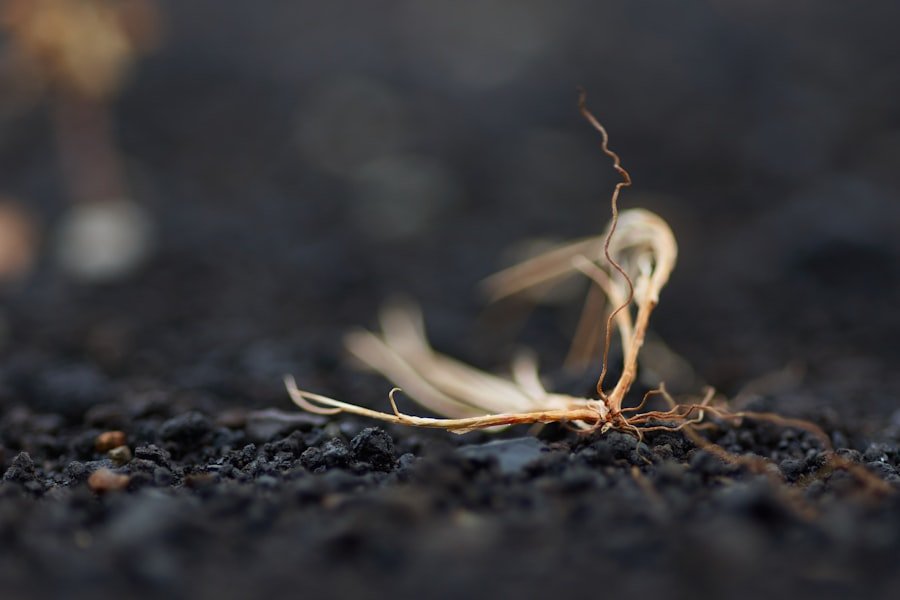
Mulching serves multiple purposes in edamame cultivation, primarily aiding in moisture retention and weed suppression. Applying a layer of organic mulch—such as straw or shredded leaves—around the base of the plants can help maintain consistent soil moisture levels while preventing weeds from competing for nutrients and water. A mulch layer of about 2 to 3 inches thick is generally effective; however, be careful not to pile mulch directly against the plant stems as this can promote rot.
Weed control is vital for ensuring that edamame plants receive adequate nutrients without competition from unwanted vegetation. Hand weeding is often effective in small gardens; however, for larger plots, consider using landscape fabric or biodegradable weed barriers during early growth stages. These methods can significantly reduce weed pressure while allowing water and nutrients to penetrate the soil effectively.
Protecting Edamame Plants from Pests and Diseases
Like any crop, edamame plants are susceptible to various pests and diseases that can hinder growth and reduce yield. Common pests include aphids, spider mites, and soybean loopers.
Diseases such as root rot and powdery mildew can also pose threats to edamame crops. To prevent these issues, ensure proper spacing between plants for adequate airflow and avoid overhead watering that can create humid conditions conducive to fungal growth. Crop rotation is another effective strategy; by rotating edamame with non-legume crops each season, you can disrupt pest life cycles and reduce disease incidence.
Harvesting Edamame Pods
Harvesting edamame at the right time is essential for achieving optimal flavor and texture. The pods should be harvested when they are still green and plump but before they begin to turn yellow or dry out. Typically, this occurs about 70 to 90 days after planting, depending on the variety chosen.
To determine if the pods are ready for harvest, gently squeeze them; if they feel firm and full of beans inside, it’s time to pick. When harvesting edamame pods, use scissors or garden shears to cut them from the plant rather than pulling them off by hand; this method minimizes damage to both the plant and surrounding pods. It’s advisable to harvest in the morning when temperatures are cooler; this helps preserve freshness and flavor.
After harvesting, it’s best to process or refrigerate the pods promptly to maintain their quality.
Storing and Preserving Edamame
Proper storage techniques are vital for preserving the freshness of harvested edamame pods. If you plan to consume them within a few days after harvesting, simply place them in a perforated plastic bag in the refrigerator’s vegetable crisper drawer; this will help maintain humidity while allowing airflow. Freshly harvested edamame can typically last up to a week when stored correctly.
For longer-term storage options, blanching is an effective method that helps preserve flavor and texture while preventing spoilage. To blanch edamame pods, bring a pot of water to a rolling boil and immerse the pods for about three minutes before transferring them immediately into an ice bath to halt cooking. Once cooled, drain thoroughly and place them in airtight containers or freezer bags before storing them in the freezer.
Properly blanched edamame can last up to six months in the freezer without significant loss of quality.
Troubleshooting Common Issues with Edamame Plants
Despite careful planning and maintenance, gardeners may encounter various challenges while growing edamame plants. One common issue is poor germination rates due to unfavorable soil conditions or inadequate moisture levels during planting. To address this problem in future plantings, ensure that soil temperatures are consistently warm enough for germination and consider pre-soaking seeds before planting to enhance sprouting rates.
Another issue that may arise is yellowing leaves on edamame plants, which can indicate nutrient deficiencies or overwatering problems. If leaves turn yellow but remain firm, it may suggest nitrogen deficiency; applying a balanced fertilizer can help rectify this issue. Conversely, if leaves appear yellowed and wilted alongside soggy soil conditions, it may indicate overwatering or root rot; adjusting watering practices and improving drainage may be necessary.
Recipes and Cooking Tips for Edamame Pods
Edamame pods are incredibly versatile in culinary applications and can be enjoyed in various ways beyond simple steaming or boiling. One popular method is seasoning boiled edamame with sea salt or flavored salts like garlic or chili powder before serving as an appetizer or snack. For those looking for more elaborate dishes, incorporating edamame into salads adds both texture and nutrition; try tossing shelled edamame with mixed greens, cherry tomatoes, avocado slices, and a light vinaigrette for a refreshing summer salad.
Another delightful way to enjoy edamame is by incorporating it into stir-fries or grain bowls. Sautéing shelled edamame with garlic and ginger before adding vegetables like bell peppers or broccoli creates a colorful dish bursting with flavor. Additionally, blending cooked edamame into dips such as hummus provides a protein-packed alternative that pairs well with pita chips or fresh vegetables.
In conclusion, growing edamame offers both satisfaction and nutritional benefits while providing an opportunity for culinary creativity in the kitchen. By following best practices throughout each stage of cultivation—from seed selection through harvesting—you can enjoy fresh edamame straight from your garden while exploring diverse recipes that highlight this delicious legume’s unique flavor profile.
FAQs
What are edamame seeds?
Edamame seeds are young soybeans that are harvested before they fully mature. They are a popular snack and ingredient in Asian cuisine.
Can edamame seeds be planted?
Yes, edamame seeds can be planted to grow soybean plants. They are relatively easy to grow and can be a great addition to a home garden.
When is the best time to plant edamame seeds?
The best time to plant edamame seeds is in the spring, after the last frost has passed and the soil has warmed up. This is typically around late April to early May, depending on your location.
How do you plant edamame seeds?
To plant edamame seeds, prepare a sunny spot in your garden with well-drained soil. Plant the seeds about 1 inch deep and 2-3 inches apart. Water the seeds regularly and keep the soil moist until the plants are established.
How long does it take for edamame seeds to grow into plants?
Edamame seeds typically take about 70-90 days to grow into mature plants that are ready for harvest. It’s important to provide the plants with proper care and maintenance during this time.
What are the ideal growing conditions for edamame plants?
Edamame plants thrive in full sun and well-drained soil. They also benefit from regular watering and fertilization. It’s important to provide support for the plants as they grow, as they can become top-heavy.
Can edamame plants be grown in containers?
Yes, edamame plants can be grown in containers as long as the containers are large enough to accommodate the plants’ root systems. Make sure the containers have good drainage and are placed in a sunny location.
