

Pluot fruit trees are a hybrid of plums and apricots, specifically bred to combine the best characteristics of both fruits. The term “pluot” is a portmanteau of “plum” and “apricot,” and these trees are known for their sweet, juicy fruits that often exhibit a range of colors, from deep purple to vibrant yellow and red. The genetic makeup of a pluot is approximately 70% plum and 30% apricot, which contributes to its unique flavor profile that is sweeter and more aromatic than traditional plums.
Pluot trees are deciduous and can grow to a height of 10 to 15 feet, making them suitable for home gardens as well as commercial orchards.
In spring, they produce beautiful blossoms that attract pollinators, adding aesthetic appeal to any landscape.
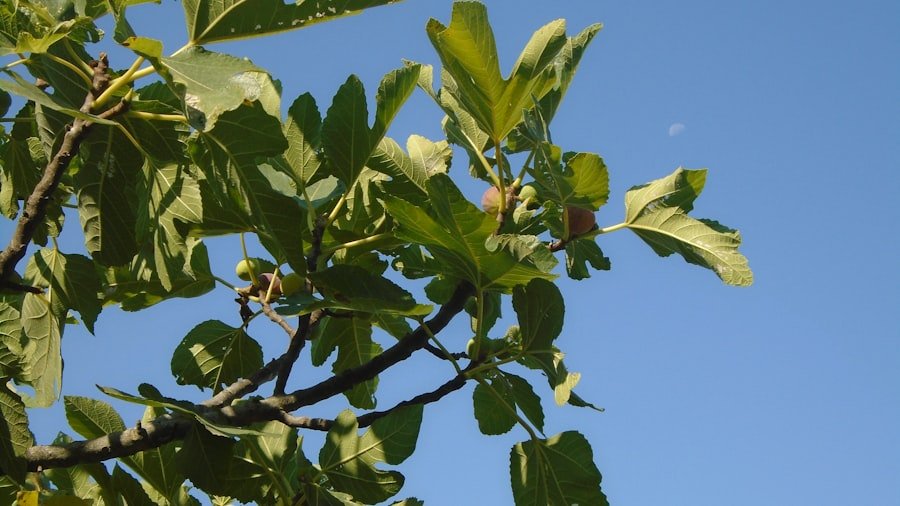
The foliage is lush and green during the growing season, providing shade and a vibrant backdrop. Pluot trees are relatively hardy and can thrive in various climates, although they prefer warmer regions with well-drained soil. Their adaptability makes them an excellent choice for gardeners looking to diversify their fruit production.
Key Takeaways
- Pluot fruit trees are a hybrid of plum and apricot, known for their sweet and juicy fruit.
- Choose a location for your pluot fruit tree that receives full sun and has well-drained soil.
- When planting and caring for pluot fruit trees, make sure to space them properly and provide regular watering.
- Water and fertilize your pluot fruit tree regularly to promote healthy growth and fruit production.
- Prune and train your pluot fruit tree to maintain its shape and encourage optimal fruit production.
Choosing the Right Location for Your Pluot Fruit Tree
Selecting the ideal location for planting a pluot tree is crucial for its growth and fruit production. Pluots thrive in full sun, requiring at least six to eight hours of direct sunlight each day. This exposure not only promotes healthy growth but also enhances the sweetness of the fruit.
When scouting for a suitable spot, consider areas that are sheltered from strong winds, as these can damage blossoms and young fruit. A location with good air circulation is also beneficial, as it helps reduce the risk of fungal diseases. Soil quality plays a significant role in the health of your pluot tree.
They prefer well-drained, loamy soil with a pH level between 6.0 and 7.0. Heavy clay or overly sandy soils can hinder root development and water retention. Before planting, it may be wise to conduct a soil test to determine its composition and nutrient levels.
If necessary, amend the soil with organic matter or compost to improve its structure and fertility. Additionally, consider the proximity to other fruit trees; while pluots can self-pollinate, planting them near other stone fruits can enhance cross-pollination and lead to better yields.
Planting and Caring for Pluot Fruit Trees
When it comes to planting pluot trees, timing is essential. The best time to plant is in early spring or late fall when the tree is dormant. This allows the roots to establish themselves before the growing season begins.
Start by digging a hole that is twice as wide as the root ball but no deeper than the root system itself. Gently place the tree in the hole, ensuring that the graft union—the point where the pluot variety was grafted onto the rootstock—sits above the soil line. Backfill with soil, tamping it down lightly to eliminate air pockets.
After planting, proper care is vital for the tree’s establishment and long-term health. Regular monitoring for signs of stress or disease is essential during the first few years. Mulching around the base of the tree can help retain moisture and suppress weeds, which compete for nutrients.
A layer of organic mulch, such as wood chips or straw, should be applied but kept away from the trunk to prevent rot. Additionally, young trees may require staking for support until their root systems are sufficiently developed.
Watering and Fertilizing Your Pluot Fruit Tree
| Week | Watering (gallons) | Fertilizing (pounds) |
|---|---|---|
| 1-4 | 5 | 0.5 |
| 5-8 | 7 | 1 |
| 9-12 | 8 | 1.5 |
| 13-16 | 9 | 2 |
Watering is one of the most critical aspects of caring for a pluot tree, especially during its formative years. Newly planted trees require consistent moisture to establish their roots; however, overwatering can lead to root rot. A general rule of thumb is to water deeply once a week during dry spells, allowing the top few inches of soil to dry out between waterings.
As the tree matures, its watering needs will change; established trees typically require less frequent watering but should still receive adequate moisture during fruit development. Fertilization is another key component in promoting healthy growth and fruit production in pluot trees. A balanced fertilizer with equal parts nitrogen, phosphorus, and potassium can be applied in early spring as new growth begins.
Organic options such as compost or well-rotted manure can also provide essential nutrients while improving soil structure. It’s important to follow package instructions regarding application rates and timing to avoid over-fertilization, which can lead to excessive leaf growth at the expense of fruit production.
Pruning and Training Your Pluot Fruit Tree
Pruning is an essential practice for maintaining the health and productivity of pluot trees. Proper pruning encourages strong branch structure, improves air circulation, and allows sunlight to penetrate the canopy, all of which contribute to better fruit quality. The best time to prune is during late winter or early spring before new growth begins.
Focus on removing any dead or diseased branches, as well as those that cross over each other or grow inward toward the center of the tree. Training your pluot tree into an open-center or modified leader shape can enhance its structure and make harvesting easier. An open-center approach involves removing the central leader to create a vase-like shape with several main branches radiating outward.
This method not only improves light penetration but also facilitates air circulation, reducing disease risk. Regularly assess your tree’s shape throughout the growing season and make adjustments as necessary to maintain its desired form.
Protecting Your Pluot Fruit Tree from Pests and Diseases
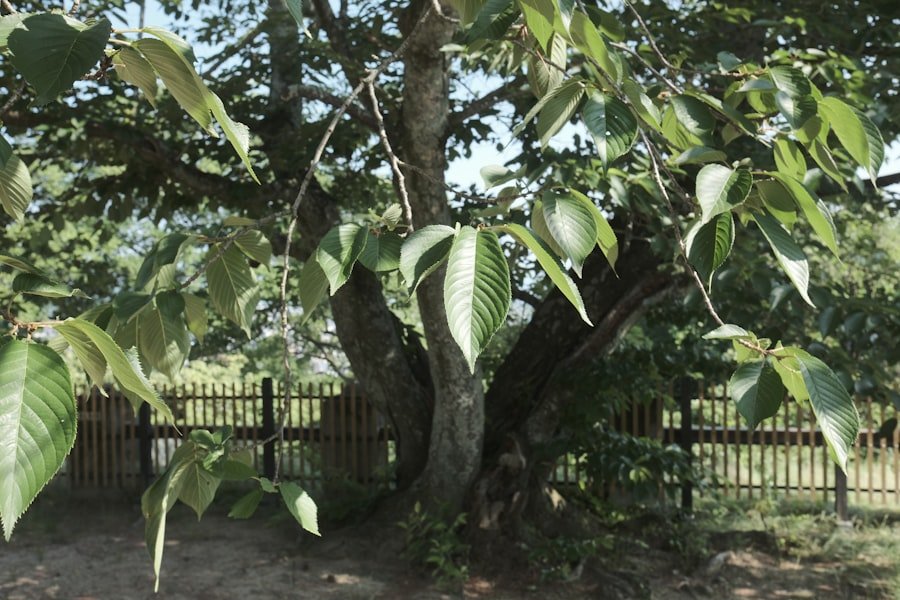
Like all fruit trees, pluots are susceptible to various pests and diseases that can threaten their health and productivity. Common pests include aphids, spider mites, and fruit flies, which can damage leaves and fruit if left unchecked. Implementing integrated pest management (IPM) strategies can help control these pests effectively while minimizing chemical use.
Regularly inspecting your tree for signs of infestation allows for early intervention; introducing beneficial insects like ladybugs can also help keep pest populations in check. Diseases such as brown rot and powdery mildew can pose significant threats to pluot trees.
To combat this disease, ensure proper air circulation through pruning and avoid overhead watering that can promote fungal growth. Powdery mildew appears as a white powdery substance on leaves and stems; it thrives in dry conditions with high humidity levels. Applying organic fungicides or sulfur-based treatments can help manage outbreaks while maintaining plant health.
Harvesting and Storing Pluot Fruit
Harvesting pluots at the right time is crucial for enjoying their full flavor potential. Unlike some fruits that ripen after being picked, pluots should be harvested when they are fully ripe on the tree for optimal sweetness and juiciness. Signs of ripeness include a slight softness when gently squeezed and a change in color depending on the variety—some may turn from greenish-yellow to deep purple or red hues.
It’s advisable to check your trees regularly as harvest time approaches; this typically occurs in mid-summer to early fall. Once harvested, proper storage techniques can extend the shelf life of pluots while preserving their quality. Pluots should be stored in a cool place or refrigerated if they are fully ripe; however, they are best enjoyed at room temperature for maximum flavor.
If you have an abundance of fruit, consider freezing them for later use—simply wash, slice, and freeze on a baking sheet before transferring them to airtight containers or freezer bags.
Recipes and Uses for Pluot Fruit
Pluots are incredibly versatile fruits that lend themselves well to various culinary applications due to their sweet flavor and juicy texture. They can be enjoyed fresh as a snack or added to salads for a burst of color and flavor. One popular recipe involves slicing pluots and tossing them with arugula, goat cheese, walnuts, and a balsamic vinaigrette for a refreshing summer salad.
In addition to salads, pluots can be used in desserts such as tarts or crumbles. A simple pluot crisp can be made by combining sliced pluots with sugar, lemon juice, and a crumbly topping made from oats, flour, butter, and brown sugar before baking until golden brown. For those who enjoy preserving fruits, making pluot jam or chutney is an excellent way to capture their flavor for year-round enjoyment.
Common Problems and Solutions for Pluot Fruit Trees
Despite their hardiness, pluot trees may encounter several common problems that require attention from gardeners. One frequent issue is poor fruit set, which can result from inadequate pollination or environmental stressors such as extreme temperatures during flowering periods. To improve pollination rates, consider planting compatible varieties nearby or hand-pollinating flowers using a small brush during peak bloom times.
Another common problem is leaf curl caused by environmental factors or pest infestations like aphids. Leaf curl manifests as distorted leaves that may turn yellow or drop prematurely. To address this issue, inspect your tree regularly for pests and apply appropriate treatments if necessary.
Additionally, ensuring proper watering practices can help mitigate stress on the tree that may contribute to leaf curl.
Propagating Pluot Fruit Trees
For those interested in expanding their garden or sharing their love of pluots with others, propagation is an exciting option. The most common method of propagating pluots is through grafting onto compatible rootstocks such as peach or almond trees. This technique allows gardeners to create new trees that retain the desirable traits of the parent variety while adapting to local soil conditions.
Another method involves taking cuttings from healthy branches during late spring or early summer when new growth is active. These cuttings should be approximately six inches long with several leaves attached; they can be rooted in a potting mix under controlled humidity conditions until they develop roots strong enough for transplanting into larger containers or directly into the ground.
Enjoying the Fruits of Your Labor
Growing pluot fruit trees offers not only delicious rewards but also a fulfilling gardening experience that connects you with nature’s cycles. From selecting the right location to nurturing your tree through its various stages of growth, each step contributes to your understanding of horticulture while providing you with fresh fruit that enhances your culinary endeavors. Whether you enjoy them fresh off the tree or incorporate them into delightful recipes, pluots represent a unique blend of flavors that celebrate both plums and apricots in one remarkable fruit.
As you embark on your journey with pluot trees, remember that patience is key; it may take a few years before you see significant yields from your efforts. However, with proper care and attention, you will be rewarded with bountiful harvests that not only satisfy your taste buds but also enrich your gardening experience year after year.
FAQs
What is a pluot fruit tree?
A pluot fruit tree is a hybrid fruit tree that is a cross between a plum and an apricot. It was developed by Floyd Zaiger in the late 20th century.
What does a pluot fruit look like?
A pluot fruit is typically round or slightly oblong in shape, and it can range in color from red to purple to yellow. It has a smooth skin and juicy, sweet flesh.
How do you care for a pluot fruit tree?
Pluot fruit trees require full sun and well-drained soil. They should be watered regularly, especially during the growing season. Pruning and thinning the tree can help promote healthy fruit production.
When is the best time to plant a pluot fruit tree?
The best time to plant a pluot fruit tree is in the late winter or early spring, when the tree is dormant. This allows the tree to establish its roots before the growing season begins.
How long does it take for a pluot fruit tree to bear fruit?
Pluot fruit trees typically begin to bear fruit 2-4 years after planting, depending on the variety and growing conditions.
Are pluot fruit trees self-pollinating?
Some varieties of pluot fruit trees are self-pollinating, but others may require a different variety of plum or apricot tree for cross-pollination. It’s best to check the specific variety for its pollination requirements.