

Selecting the ideal location for your raised garden bed is a critical first step in ensuring a successful potato harvest.
Areas that are shaded by trees, buildings, or fences can significantly reduce the amount of light your plants receive, leading to poor growth and lower yields. Additionally, consider the orientation of your raised bed; a north-south alignment can help maximize sun exposure. Another important factor to consider is drainage.
Potatoes prefer well-drained soil, as they are susceptible to rot if their roots sit in waterlogged conditions. Look for a location that does not retain water after heavy rains. If your yard has areas that tend to pool water, it may be wise to elevate your raised bed further or choose a different spot altogether.
Furthermore, proximity to a water source is essential for maintaining consistent moisture levels in the soil. Having easy access to a hose or watering can will make it easier to care for your plants throughout the growing season.
Key Takeaways
- Choose a location for your raised garden bed that receives at least 6-8 hours of sunlight and has good drainage.
- Select potato varieties that are well-suited for raised beds, such as Yukon Gold, Red Pontiac, or Kennebec.
- Prepare the soil by mixing in compost and organic matter to improve drainage and fertility.
- Plant potatoes 12 inches apart in rows, with 3-4 feet between rows, and cover with 4-6 inches of soil.
- Water potatoes consistently, keeping the soil evenly moist, and fertilize with a balanced fertilizer every 2-3 weeks.
Selecting the Best Potato Varieties for Raised Beds
When it comes to growing potatoes in raised beds, the choice of variety can significantly impact your success. There are numerous potato varieties available, each with unique characteristics that can influence flavor, texture, and growth habits. For instance, early-season varieties like ‘Red Norland’ and ‘Yukon Gold’ are known for their quick maturation and can be harvested as soon as 70 days after planting.
These varieties are ideal for gardeners looking to enjoy fresh potatoes early in the season. On the other hand, if you are interested in storing your potatoes for winter use, consider late-season varieties such as ‘Russet Burbank’ or ‘Kennebec.’ These potatoes typically take longer to mature but have excellent storage qualities and are perfect for making mashed potatoes or fries. Additionally, some gardeners may want to experiment with heirloom varieties like ‘Purple Majesty’ or ‘Adirondack Blue,’ which not only offer unique colors but also boast high antioxidant levels.
By selecting a mix of early and late varieties, you can extend your harvest season and enjoy a diverse array of flavors and textures.
Preparing the Soil for Planting Potatoes in Raised Beds
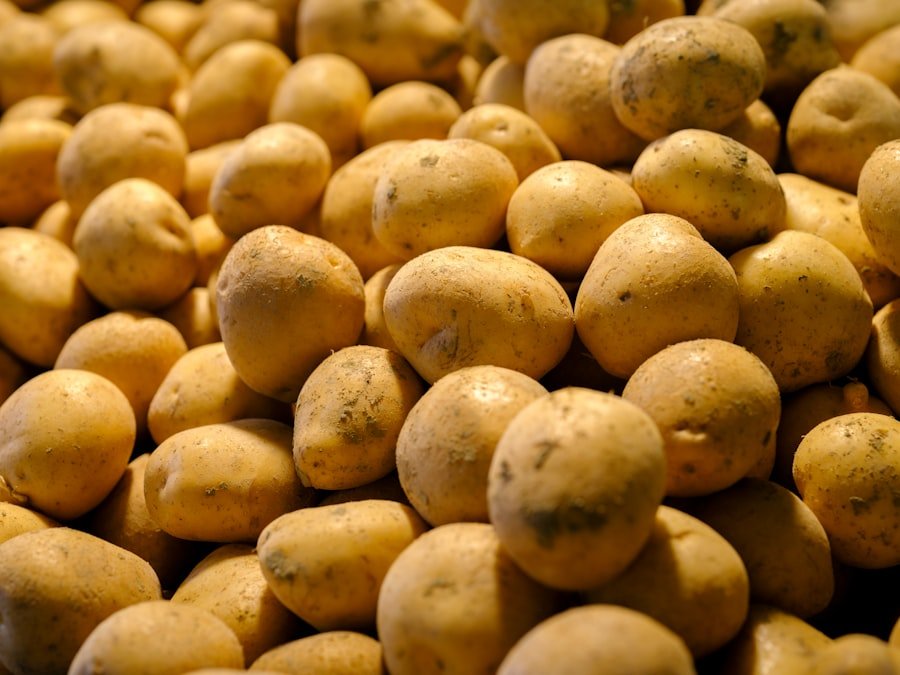
Soil preparation is a crucial step in creating an optimal environment for potato growth in raised beds. Start by filling your raised bed with a well-balanced mix of soil that includes compost, aged manure, and high-quality topsoil. This combination provides essential nutrients while ensuring good drainage and aeration.
A recommended ratio is one part compost to two parts topsoil, which will create a nutrient-rich medium that supports healthy root development. Before planting, it is also beneficial to conduct a soil test to determine pH levels and nutrient content. Potatoes prefer slightly acidic soil with a pH between 5.5 and 6.5.
If your soil is too alkaline, you can amend it with sulfur or peat moss to lower the pH. Additionally, incorporating organic fertilizers such as bone meal or fish emulsion can provide the necessary phosphorus and potassium that potatoes require for robust growth. Once the soil is prepared, loosen it with a garden fork or tiller to ensure it is aerated and free of large clumps.
Planting and Spacing Potatoes in Raised Garden Beds
| Planting and Spacing Potatoes in Raised Garden Beds | |
|---|---|
| Spacing | 12-15 inches apart |
| Depth | 3-4 inches deep |
| Rows | 2-3 feet apart |
| Soil pH | 5.8-6.5 |
| Watering | Regularly, keeping soil evenly moist |
When it comes time to plant your potatoes, proper spacing is essential for maximizing yield and ensuring healthy growth. Seed potatoes should be planted about 12 inches apart within the row, with rows spaced approximately 2-3 feet apart. This spacing allows for adequate airflow between plants, reducing the risk of disease while providing enough room for tubers to develop underground.
If you are using larger seed potatoes, consider cutting them into pieces with at least one eye per piece; this can help increase your overall yield. The planting depth is another critical factor to consider. Generally, seed potatoes should be planted about 4-6 inches deep in the prepared soil.
This depth helps protect the developing tubers from sunlight exposure, which can cause them to turn green and become toxic due to solanine production. After placing the seed potatoes in their holes, cover them with soil and gently pat down to eliminate air pockets. Water the area thoroughly after planting to help settle the soil around the seed potatoes.
Watering and Fertilizing Potatoes in Raised Beds
Maintaining consistent moisture levels is vital for growing healthy potatoes in raised beds. Potatoes require regular watering, especially during their active growth phase when tubers are forming. Aim to provide about 1-2 inches of water per week, either through rainfall or supplemental irrigation.
A soaker hose or drip irrigation system can be particularly effective in delivering moisture directly to the root zone while minimizing evaporation losses. Fertilization should also be carefully managed throughout the growing season. After planting, you can apply a balanced fertilizer high in potassium and phosphorus to support tuber development.
As plants begin to grow and reach about 6 inches in height, side-dressing with additional organic fertilizer can provide a nutrient boost. Be cautious not to over-fertilize, as this can lead to excessive foliage growth at the expense of tuber formation.
Mulching and Weeding Techniques for Raised Garden Beds
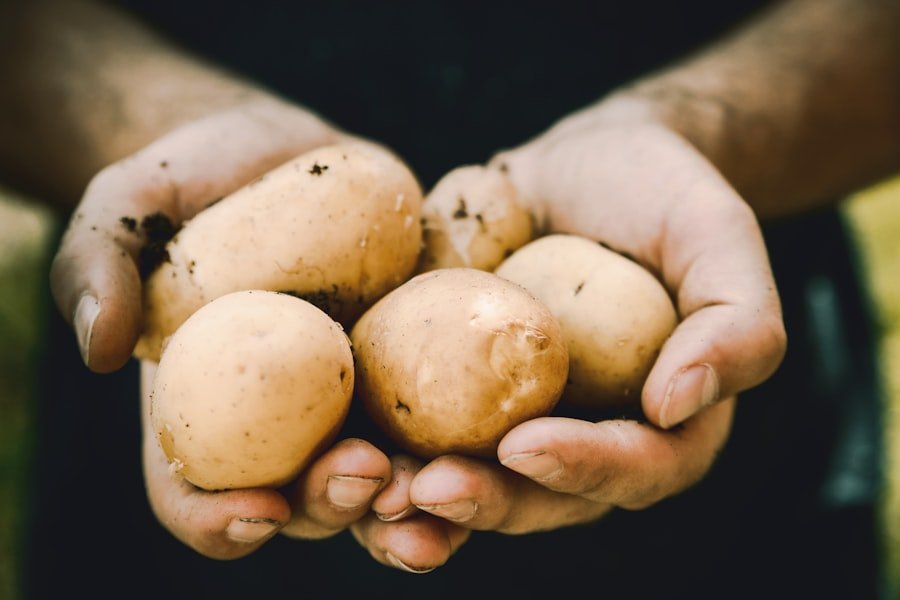
Mulching is an effective technique for managing weeds and conserving moisture in raised garden beds where potatoes are grown. Applying a layer of organic mulch—such as straw, grass clippings, or shredded leaves—around your potato plants can suppress weed growth while retaining soil moisture during dry spells. A 2-3 inch layer of mulch will not only help keep weeds at bay but also regulate soil temperature, creating a more stable environment for root development.
Weeding should be done regularly to prevent competition for nutrients and water between your potato plants and unwanted vegetation. Hand-pulling weeds is often the most effective method in raised beds since it minimizes soil disturbance and reduces the risk of damaging potato roots. If you prefer using tools, a hoe can be effective for shallow weeding; however, care must be taken not to disturb the potato plants’ root systems.
Protecting Potatoes from Pests and Diseases in Raised Beds
Pest management is an essential aspect of growing potatoes successfully in raised beds. Common pests that affect potato crops include aphids, Colorado potato beetles, and wireworms. Regularly inspecting your plants for signs of infestation is crucial; early detection allows for more effective control measures.
Hand-picking pests off plants can be an effective organic method of control, especially for larger insects like beetles. In addition to pests, potatoes are susceptible to various diseases such as blight and scab. To minimize disease risk, practice crop rotation by not planting potatoes in the same location year after year.
This helps break disease cycles and reduces soil-borne pathogens. Furthermore, ensuring good air circulation around plants by maintaining proper spacing can help prevent fungal diseases from taking hold.
Hilling and Mounding Potatoes in Raised Garden Beds
Hilling is a traditional technique used by potato growers that involves mounding soil around the base of potato plants as they grow taller. This practice serves multiple purposes: it encourages tuber formation by burying developing potatoes deeper in the soil, protects them from sunlight exposure (which can cause greening), and helps control weeds around the base of the plants. Begin hilling when your potato plants reach about 6-8 inches in height; use loose soil from around the bed or additional compost to create mounds around each plant.
As you continue hilling throughout the growing season—typically every few weeks—ensure that you do not cover the leaves entirely; only mound up to about half of the plant’s height. This allows the foliage to continue photosynthesizing effectively while still providing protection for developing tubers below ground.
Harvesting and Storing Potatoes from Raised Beds
Harvesting potatoes at the right time is crucial for achieving optimal flavor and texture. Early varieties can be harvested when they reach about golf ball size or when flowers begin to bloom; this typically occurs around 70-90 days after planting. For late-season varieties, wait until the foliage has died back completely before harvesting—this usually occurs around 100-120 days after planting.
Using a garden fork or spade, carefully lift the tubers from the soil without damaging them. Once harvested, proper storage techniques are essential for prolonging shelf life and maintaining quality. Cure freshly harvested potatoes by placing them in a dark, well-ventilated area at temperatures around 60-70°F for about two weeks; this allows their skins to toughen up and helps heal any minor wounds from harvesting.
After curing, store potatoes in a cool (around 40°F), dark place with good ventilation—such as a basement or root cellar—to prevent sprouting and decay.
Rotating Crops and Maintaining Soil Health in Raised Beds
Crop rotation is an important practice that helps maintain soil health and fertility over time when growing potatoes in raised beds. By rotating crops each season—planting different families of vegetables in place of potatoes—you can reduce pest populations and minimize disease risks associated with specific crops. For example, following potatoes with legumes like beans or peas can help replenish nitrogen levels in the soil due to their ability to fix atmospheric nitrogen.
In addition to crop rotation, incorporating cover crops during the off-season can further enhance soil health by preventing erosion, improving soil structure, and adding organic matter when tilled back into the soil before planting next season’s crop. Cover crops such as clover or vetch can also attract beneficial insects that help control pests naturally.
Tips for Success with Growing Potatoes in Raised Garden Beds
To maximize your success with growing potatoes in raised garden beds, consider implementing several best practices throughout the growing season. First and foremost, always choose certified seed potatoes from reputable sources to minimize disease risks; these seed potatoes are specifically grown to be disease-free and will give you a better chance at a successful harvest. Additionally, keep detailed records of your planting dates, varieties used, watering schedules, and any pest or disease issues encountered throughout the season.
This information will be invaluable for planning future crops and improving your gardening techniques over time. Finally, engage with local gardening communities or online forums where you can share experiences and learn from others who have successfully grown potatoes in similar conditions; this exchange of knowledge can provide valuable insights that enhance your gardening journey.
FAQs
What are raised garden beds for potatoes?
Raised garden beds for potatoes are elevated planting areas specifically designed for growing potatoes. They are typically constructed using wood, metal, or plastic materials and filled with soil to create a contained environment for potato plants to thrive.
What are the benefits of using raised garden beds for potatoes?
Raised garden beds for potatoes offer several advantages, including improved soil drainage, better soil aeration, reduced risk of soil compaction, and easier access for planting, tending, and harvesting potatoes. They also provide better control over soil quality and can help prevent weed growth.
How do you build raised garden beds for potatoes?
To build raised garden beds for potatoes, you can use materials such as untreated wood, galvanized metal, or plastic lumber to construct the frame. The dimensions of the bed can vary, but a typical size is around 4 feet wide and 8 feet long, with a height of 12 inches. Once the frame is built, fill it with a mixture of soil, compost, and organic matter to create a nutrient-rich growing environment for potatoes.
What type of soil is best for raised garden beds for potatoes?
The ideal soil for raised garden beds for potatoes is a well-draining, loose, and fertile mix that provides good aeration and moisture retention. A combination of topsoil, compost, and organic matter such as aged manure or peat moss is often recommended for growing healthy potato plants.
How do you plant potatoes in raised garden beds?
To plant potatoes in raised garden beds, start by preparing the soil and creating furrows or mounds for planting. Place seed potatoes with sprouts facing up at the bottom of the furrows or mounds, then cover them with soil. As the potato plants grow, continue to add soil or mulch to the beds to encourage more tuber development.
How do you care for potatoes in raised garden beds?
Caring for potatoes in raised garden beds involves regular watering to keep the soil consistently moist, especially during the growing season. It’s also important to monitor for pests and diseases, provide support for the plants as they grow, and periodically add organic fertilizer to promote healthy potato growth. Additionally, proper hilling or mounding of soil around the plants can help protect developing tubers from sunlight and improve yields.