

Purple potato seedlings are the initial stage of growth for a unique variety of potatoes that are not only visually striking but also packed with nutrients. These seedlings originate from tubers that have been sprouted, and they exhibit a vibrant purple hue that is indicative of their high anthocyanin content, a powerful antioxidant.
These eyes will develop into shoots, which will eventually grow into the seedlings. The cultivation of purple potato seedlings is not just about aesthetics; it also involves understanding their specific growth requirements. Purple potatoes thrive in well-drained soil and prefer a slightly acidic to neutral pH level.
They are sensitive to extreme temperatures, making it essential to monitor environmental conditions closely. The seedlings will require a nurturing environment to establish strong roots and develop into robust plants capable of producing a bountiful harvest. Understanding the biology and growth habits of purple potato seedlings is crucial for any gardener looking to cultivate this vibrant vegetable successfully.
Key Takeaways
- Purple potato seedlings are the young plants that will eventually grow into mature purple potato plants.
- When selecting soil and containers for purple potato seedlings, it’s important to choose well-draining soil and containers with adequate drainage holes.
- Plant purple potato seedlings in the soil with the eyes facing up and cover them with a few inches of soil.
- Provide purple potato seedlings with at least 6-8 hours of sunlight per day and water them regularly to keep the soil moist but not waterlogged.
- Fertilize purple potato seedlings with a balanced fertilizer every 2-3 weeks to promote healthy growth.
Selecting the Right Soil and Containers
Choosing the appropriate soil and containers is fundamental to the successful growth of purple potato seedlings. The ideal soil for these seedlings is loose, well-draining, and rich in organic matter. A mix of loamy soil combined with compost can provide the necessary nutrients while ensuring proper drainage.
This type of soil allows the roots to spread easily, which is vital for the development of healthy plants. Additionally, incorporating materials like perlite or vermiculite can enhance aeration and drainage, preventing waterlogging that could lead to root rot. When it comes to containers, selecting the right size and type is equally important.
Seedlings can be started in seed trays, peat pots, or even recycled containers like yogurt cups with drainage holes.
If using larger containers, ensure they have adequate drainage holes to prevent excess moisture accumulation.
The choice of container material can also impact growth; for instance, plastic pots retain moisture longer than terracotta pots, which can dry out more quickly. Understanding these nuances will help create an optimal environment for purple potato seedlings.
Planting Purple Potato Seedlings
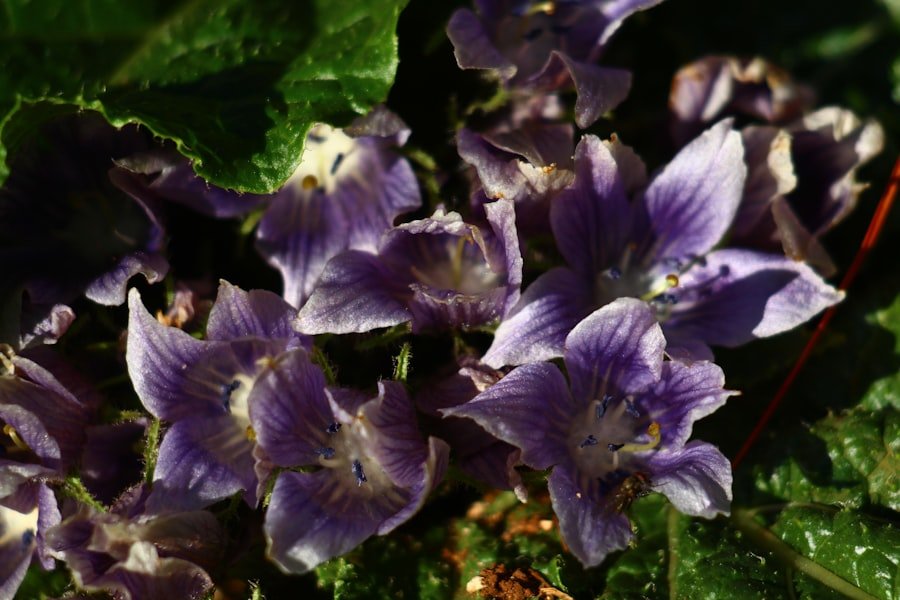
Planting purple potato seedlings requires careful attention to detail to ensure successful establishment. Once the seedlings have developed a few sets of true leaves, they are ready for transplanting into their final growing medium. The timing of this process is crucial; ideally, it should occur after the last frost date in your area to avoid damage from cold temperatures.
Before planting, it is advisable to harden off the seedlings by gradually exposing them to outdoor conditions over a week or two. This acclimatization helps reduce transplant shock and prepares the plants for their new environment. When planting, it is essential to space the seedlings adequately to allow for their growth.
A general guideline is to plant them about 12-15 inches apart in rows that are 2-3 feet apart. This spacing ensures that each plant has enough room for its foliage and tuber development without competing for nutrients and water. The planting depth should be around 4-6 inches, allowing the seedlings to establish strong roots while keeping the soil loose enough for tuber expansion.
Proper planting techniques set the foundation for healthy growth and a fruitful harvest.
Providing Adequate Sunlight and Water
| Plant Type | Sunlight Needed | Water Needed |
|---|---|---|
| Succulents | 6-8 hours of direct sunlight | Water sparingly, allow soil to dry out between waterings |
| Tomatoes | 6-8 hours of direct sunlight | Regular watering, keep soil consistently moist |
| Roses | 6-8 hours of direct sunlight | Regular watering, deep watering once a week |
Sunlight and water are two critical components in the successful cultivation of purple potato seedlings. These plants thrive in full sun, requiring at least six hours of direct sunlight each day for optimal growth. Insufficient light can lead to leggy plants with poor tuber development, as they will stretch towards the light source rather than growing robustly.
Gardeners should consider their planting location carefully, ensuring that the seedlings receive ample sunlight throughout the day. In regions with intense heat, providing some afternoon shade can help protect young plants from sunburn and stress. Watering practices also play a significant role in the health of purple potato seedlings.
While these plants require consistent moisture, overwatering can be detrimental. The soil should be kept evenly moist but not soggy; allowing it to dry out slightly between waterings encourages deeper root growth. A general rule of thumb is to water deeply once or twice a week, depending on rainfall and temperature conditions.
Mulching around the base of the plants can help retain soil moisture while suppressing weeds that compete for nutrients and water.
Fertilizing Purple Potato Seedlings
Fertilization is an essential aspect of nurturing purple potato seedlings as they grow. These plants benefit from a balanced fertilizer that provides essential nutrients such as nitrogen, phosphorus, and potassium. A slow-release fertilizer applied at planting time can support initial growth, while additional feedings may be necessary as the plants mature.
Organic options like compost or well-rotted manure can also enrich the soil without the risk of chemical buildup, promoting healthier growth. Timing is crucial when it comes to fertilizing purple potato seedlings. Applying fertilizer too early can lead to excessive foliage growth at the expense of tuber development.
It is generally recommended to wait until the plants are established and have begun to grow vigorously before applying additional nutrients. Side-dressing with fertilizer during the early flowering stage can help boost tuber formation, ensuring a more abundant harvest later in the season. Understanding the nutritional needs of purple potato seedlings will enable gardeners to provide optimal care throughout their growth cycle.
Protecting Seedlings from Pests and Diseases
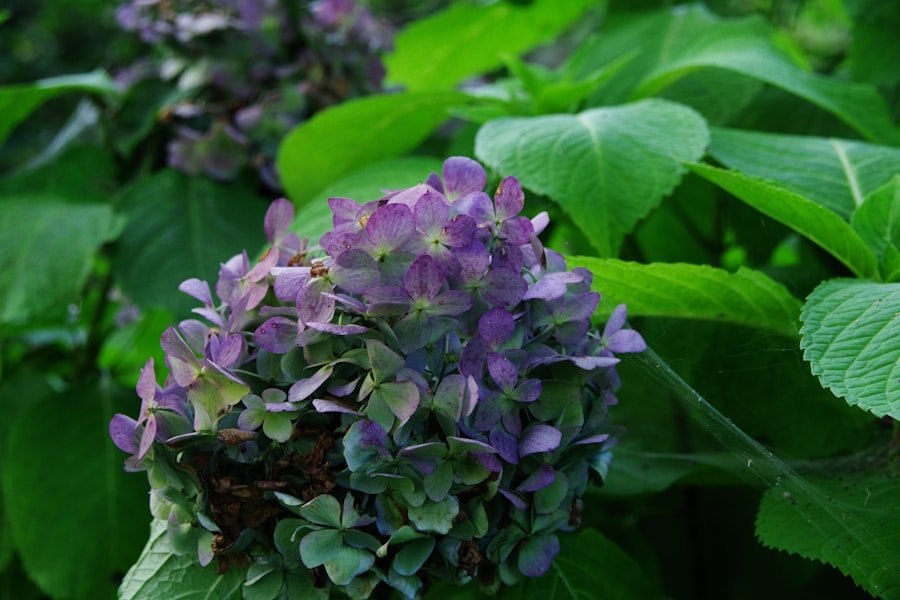
The protection of purple potato seedlings from pests and diseases is paramount for ensuring a healthy crop yield. Common pests such as aphids, Colorado potato beetles, and wireworms can pose significant threats to young plants. Regular monitoring is essential; gardeners should inspect their seedlings frequently for signs of infestation or damage.
Implementing integrated pest management strategies can help mitigate these risks effectively. For instance, introducing beneficial insects like ladybugs can naturally control aphid populations without resorting to chemical pesticides. Diseases such as blight and root rot can also affect purple potato seedlings if not managed properly.
To prevent these issues, it is crucial to practice crop rotation and avoid planting potatoes in the same location year after year. This practice helps break disease cycles in the soil. Additionally, ensuring proper air circulation around plants by avoiding overcrowding can reduce humidity levels that favor fungal diseases.
Using disease-resistant seed varieties can further enhance resilience against common ailments, allowing gardeners to cultivate healthy purple potato plants with minimal intervention.
Pruning and Thinning Seedlings
Pruning and thinning are important practices that contribute to the overall health and productivity of purple potato seedlings. As these plants grow, they may become crowded if too many seedlings are planted in close proximity. Thinning involves selectively removing weaker or smaller seedlings to allow stronger ones more space to thrive.
This practice not only reduces competition for nutrients and water but also improves air circulation around the remaining plants, decreasing the risk of disease. Pruning may also be beneficial as the plants mature, particularly if they exhibit excessive foliage growth that could hinder tuber development. Removing some of the lower leaves can redirect energy towards tuber formation rather than unnecessary leaf production.
However, care must be taken not to remove too much foliage at once; gradual pruning allows the plant to adjust without causing stress. Understanding when and how to prune or thin purple potato seedlings will help maximize their growth potential and ensure a bountiful harvest.
Transplanting Seedlings to Larger Containers
As purple potato seedlings grow, they may outgrow their initial containers, necessitating transplantation into larger pots or garden beds. This process typically occurs when seedlings have developed several sets of true leaves and their roots begin to fill their current containers. Transplanting allows for continued growth without root binding, which can stunt development and reduce yield potential.
It is advisable to transplant on a cloudy day or during cooler hours to minimize stress on the young plants. When transplanting, handle the seedlings gently by their leaves rather than their stems to avoid damage. Prepare the new containers or garden beds by loosening the soil and adding organic matter if necessary.
Create holes deep enough to accommodate the root systems without bending them excessively; this promotes healthy growth as they establish themselves in their new environment. After transplanting, water thoroughly to help settle the soil around the roots and reduce transplant shock.
Hardening Off Seedlings for Outdoor Planting
Hardening off is a critical step in preparing purple potato seedlings for outdoor planting after they have been grown indoors or in a controlled environment. This process involves gradually acclimating the seedlings to outdoor conditions over a period of one to two weeks before planting them in their final location. Start by placing the seedlings outside in a sheltered area for a few hours each day, gradually increasing their exposure to sunlight and wind over time.
During this hardening-off period, it is essential to monitor weather conditions closely; sudden temperature drops or harsh sunlight can stress young plants if they are not adequately prepared. If nighttime temperatures are still too low, bringing them indoors at night may be necessary until they are fully acclimated. By following this gradual approach, gardeners can significantly reduce transplant shock and ensure that their purple potato seedlings thrive once planted in the garden.
Planting Seedlings in the Garden
Once purple potato seedlings have been adequately hardened off, they are ready for planting in the garden bed or designated growing area. Selecting an appropriate location is vital; ideally, this should be a spot that receives full sun with well-draining soil enriched with organic matter. Before planting, prepare the garden bed by tilling the soil and incorporating compost or other organic amendments to enhance fertility.
When planting in the garden, follow similar spacing guidelines as used during initial planting: approximately 12-15 inches apart within rows spaced 2-3 feet apart allows ample room for growth while facilitating air circulation between plants. Dig holes deep enough to accommodate each seedling’s root system without bending them excessively; gently place each seedling into its hole and cover with soil while firming it lightly around the base for stability. Water thoroughly after planting to help settle the soil around the roots and promote establishment.
Caring for Mature Purple Potato Plants
Caring for mature purple potato plants involves ongoing attention to watering, fertilization, pest management, and overall maintenance as they progress toward harvest time. As these plants mature, they will require consistent moisture levels; however, it is crucial not to overwater them as this can lead to rot or disease issues. Regularly checking soil moisture levels will help determine when watering is necessary—aiming for even moisture without saturation.
Fertilization should continue throughout the growing season based on plant needs; side-dressing with organic fertilizers during key growth stages can enhance tuber development significantly. Additionally, monitoring for pests remains essential even as plants mature; proactive measures such as companion planting or using organic pest deterrents can help protect against infestations without harming beneficial insects or soil health. As harvest time approaches—typically indicated by yellowing leaves—careful attention should be paid to weather conditions; harvesting before heavy rains can prevent tuber damage from excess moisture exposure during storage periods post-harvest.
By maintaining diligent care throughout their lifecycle—from seedling stage through maturity—gardeners can enjoy a rewarding yield of vibrant purple potatoes rich in flavor and nutrition.
FAQs
What are purple potato seedlings?
Purple potato seedlings are the young plants that sprout from the seeds of purple potatoes. These seedlings are the initial stage of growth for purple potato plants.
How do you plant purple potato seedlings?
To plant purple potato seedlings, you can start by preparing a well-draining soil in a sunny location. Place the seedlings in the soil with the sprouts facing up and cover them with a few inches of soil. Water the seedlings regularly and ensure they receive adequate sunlight for healthy growth.
What are the ideal growing conditions for purple potato seedlings?
Purple potato seedlings thrive in well-draining, loose soil with a pH level of 5.8 to 6.5. They require full sunlight and regular watering to ensure proper growth. Additionally, they prefer cooler temperatures and can tolerate light frosts.
How long does it take for purple potato seedlings to mature?
Purple potato seedlings typically take 90 to 120 days to mature and be ready for harvest. However, this timeline can vary depending on the specific variety of purple potato and the growing conditions.
Are purple potato seedlings easy to grow?
Purple potato seedlings are relatively easy to grow, especially in cooler climates. They require minimal maintenance and can be grown in home gardens or larger agricultural settings. With proper care and attention to growing conditions, purple potato seedlings can produce a bountiful harvest.