

Yard long beans, scientifically known as Vigna unguiculata subsp. sesquipedalis, are a fascinating leguminous plant that has captured the attention of gardeners and culinary enthusiasts alike. Originating from Southeast Asia, these beans are renowned for their impressive length, often reaching up to 36 inches or more.
Their unique appearance and delightful crunch make them a popular ingredient in various dishes, particularly in Asian cuisine. The beans are not only valued for their culinary uses but also for their nutritional benefits, as they are rich in vitamins A and C, folate, and dietary fiber. The cultivation of yard long beans is relatively straightforward, making them an excellent choice for both novice and experienced gardeners.
They thrive in warm climates and can be grown in a variety of soil types, provided that the conditions are right. As a climbing plant, yard long beans require support to grow effectively, which adds an interesting dynamic to their cultivation. This article will delve into the essential aspects of growing yard long beans, from selecting the right location to harvesting and preserving the beans for future use.
Key Takeaways
- Yard long beans are a type of legume that can grow up to 36 inches long and are commonly used in Asian cuisine.
- Choose a sunny location with well-drained soil for planting yard long beans.
- Prepare the soil by adding compost or organic matter to improve fertility and drainage.
- Plant yard long beans directly into the soil once the danger of frost has passed.
- Water regularly and fertilize with a balanced fertilizer to promote healthy growth and high yields.
Choosing the Right Location for Planting
Selecting an appropriate location for planting yard long beans is crucial for their successful growth.
Therefore, it is essential to choose a site that receives full sun for at least six to eight hours a day.
A sunny location not only promotes healthy growth but also enhances the flavor and nutritional content of the beans. Additionally, consider the microclimate of your garden; areas that are sheltered from strong winds can help protect the delicate vines as they grow.
Yard long beans prefer well-drained soil to prevent root rot and other moisture-related issues. Avoid low-lying areas where water tends to accumulate after heavy rains. Instead, opt for raised beds or mounds that allow excess water to drain away easily.
Furthermore, proximity to a water source is beneficial, as consistent watering is vital for the growth of these plants. By carefully selecting the right location, you can set the stage for a bountiful harvest of yard long beans.
Preparing the Soil for Planting
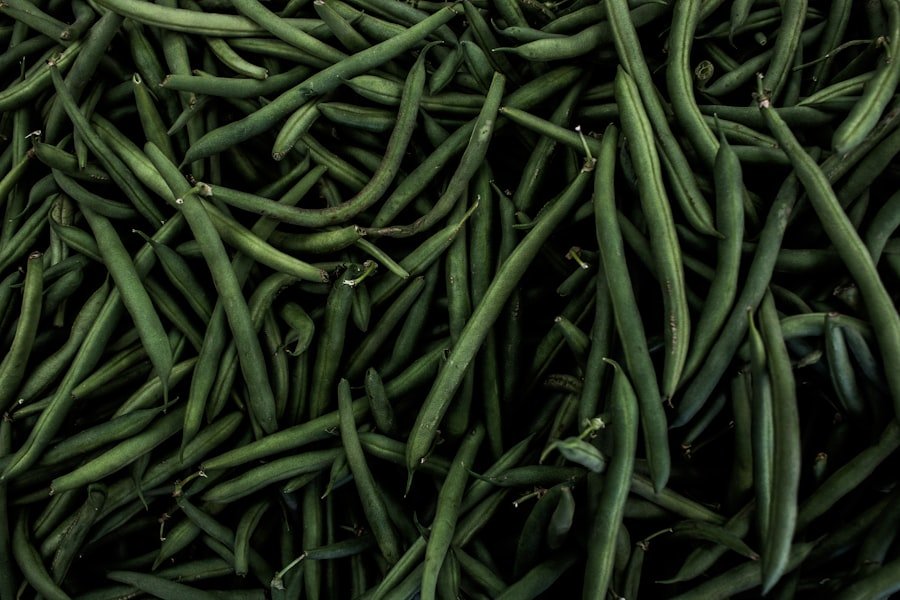
Soil preparation is a critical step in ensuring the successful growth of yard long beans. Start by testing the soil pH, which should ideally be between 6.0 and 7.0 for optimal growth. If your soil is too acidic or alkaline, you can amend it with lime or sulfur to achieve the desired pH level.
Once you have established that your soil is within the appropriate range, it’s time to enrich it with organic matter. Incorporating compost or well-rotted manure not only improves soil fertility but also enhances its structure, promoting better drainage and aeration. In addition to organic matter, consider adding a balanced fertilizer that is high in phosphorus and potassium to support root development and flowering.
A soil test can guide you in selecting the right type and amount of fertilizer needed. After amending the soil, till it to a depth of at least 12 inches to ensure that the nutrients are well-distributed throughout the planting area. This thorough preparation will create a nutrient-rich environment that encourages vigorous growth and high yields of yard long beans.
Planting Yard Long Beans
| Week | Yard Long Beans Planted | Growth (inches) |
|---|---|---|
| 1 | 100 | 2 |
| 2 | 150 | 4 |
| 3 | 200 | 6 |
When it comes to planting yard long beans, timing is everything. These beans are sensitive to frost, so it’s best to wait until all danger of frost has passed before sowing seeds outdoors. In most regions, this means planting in late spring or early summer when soil temperatures have warmed sufficiently.
You can start seeds indoors about four weeks before the last frost date if you want to get a head start on the growing season. However, direct sowing into the garden is often more successful due to the beans’ sensitivity to transplanting. To plant yard long beans, create rows spaced about 3 feet apart to allow ample room for growth and air circulation.
Sow seeds about 1 inch deep and 4 to 6 inches apart within the rows. Once planted, water the area gently but thoroughly to ensure good seed-to-soil contact. As the seedlings emerge, thin them out if necessary to maintain adequate spacing for optimal growth.
Providing a trellis or other support structure at this stage will encourage the vines to climb as they grow, maximizing space and promoting healthy development.
Watering and Fertilizing Yard Long Beans
Proper watering practices are essential for cultivating healthy yard long beans. These plants require consistent moisture, especially during their flowering and pod-setting stages when water stress can lead to poor yields. Aim to provide about 1 inch of water per week through rainfall or supplemental irrigation.
It’s best to water deeply and less frequently rather than giving light surface waterings; this encourages deep root growth and helps the plants withstand dry spells. Fertilization should be approached with care; while yard long beans benefit from nutrient-rich soil, excessive nitrogen can lead to lush foliage at the expense of pod production. A balanced fertilizer applied at planting time can provide necessary nutrients without overwhelming the plants.
As they grow, consider side-dressing with compost or a low-nitrogen fertilizer when flowers begin to appear. This approach ensures that your yard long beans receive adequate nutrition throughout their growth cycle without compromising their ability to produce pods.
Providing Support for Yard Long Beans
As climbing plants, yard long beans require support structures to thrive effectively. Without proper support, the vines may sprawl on the ground, leading to increased susceptibility to pests and diseases while also making harvesting more challenging. Constructing a trellis is an excellent way to provide this support; it can be made from various materials such as wood, metal fencing, or even repurposed materials like old pallets.
When building a trellis, ensure it is sturdy enough to withstand the weight of mature plants laden with pods. A height of at least 5 to 6 feet is ideal for yard long beans, allowing them ample space to climb and spread out their foliage for maximum sunlight exposure. As the plants grow, gently guide them towards the trellis using soft ties or twine if necessary.
This not only helps them climb but also promotes better air circulation around the leaves, reducing humidity levels that can lead to fungal diseases.
Managing Pests and Diseases
Like any crop, yard long beans are susceptible to various pests and diseases that can hinder their growth and reduce yields. Common pests include aphids, spider mites, and whiteflies, which can damage leaves and stunt plant growth if left unchecked. Regularly inspecting your plants for signs of infestation is crucial; early detection allows for more effective management strategies such as introducing beneficial insects like ladybugs or using insecticidal soap.
Diseases such as powdery mildew and root rot can also pose significant threats to yard long bean crops. To minimize disease risk, practice crop rotation by not planting beans in the same location year after year. Additionally, ensure proper spacing between plants for good air circulation and avoid overhead watering that can promote fungal growth on leaves.
If disease symptoms appear, promptly remove affected plant parts and apply appropriate fungicides if necessary.
Harvesting Yard Long Beans
Harvesting yard long beans at the right time is essential for enjoying their best flavor and texture. These beans are typically ready for harvest about 60 to 90 days after planting when they reach lengths of 12 inches or more but before they become overly mature and tough. The ideal time to pick them is when they are still tender and crisp; this ensures that they retain their delightful crunch when cooked.
To harvest yard long beans, use sharp scissors or garden shears to cut them from the vine carefully. Avoid pulling on the pods directly as this can damage the plant and reduce future yields. Regular harvesting encourages continued production; if you allow some pods to mature on the vine, they will divert energy away from producing new flowers and pods.
By maintaining a consistent harvesting schedule, you can enjoy a steady supply of fresh yard long beans throughout the growing season.
Storing and Preserving Yard Long Beans
Once harvested, proper storage techniques are vital for maintaining the freshness of yard long beans. Ideally, they should be consumed shortly after picking for maximum flavor and nutritional value; however, if you need to store them, place them in a perforated plastic bag in the refrigerator’s crisper drawer where they can last up to a week. Avoid washing them until just before use, as excess moisture can lead to spoilage.
For longer-term preservation, consider blanching and freezing yard long beans. Blanching involves briefly boiling them in salted water before plunging them into ice water to halt cooking; this process helps preserve color, flavor, and nutrients while also reducing enzyme activity that can lead to spoilage during freezing. After blanching for about two minutes, drain and cool them quickly before placing them in airtight freezer bags or containers.
Properly frozen yard long beans can last up to six months without significant loss of quality.
Troubleshooting Common Problems
Even with careful planning and management, gardeners may encounter challenges while growing yard long beans. One common issue is poor pod development despite healthy foliage growth; this can often be attributed to insufficient pollination or environmental stressors such as extreme temperatures or inadequate watering practices. To improve pollination rates, consider planting flowers nearby that attract pollinators like bees.
Another frequent problem is yellowing leaves, which may indicate nutrient deficiencies or overwatering issues leading to root problems. Conducting regular soil tests can help identify nutrient imbalances while adjusting watering practices based on weather conditions will ensure that plants receive adequate moisture without becoming waterlogged.
Tips for Growing a Successful Yard Long Bean Crop
To cultivate a thriving crop of yard long beans, several best practices can enhance your chances of success. First and foremost is selecting disease-resistant varieties suited for your climate; this can significantly reduce pest pressures and improve overall yields. Additionally, companion planting with crops like marigolds or basil can deter pests naturally while promoting biodiversity in your garden.
Regular maintenance is also key; consistent weeding prevents competition for nutrients while mulching helps retain soil moisture and suppress weeds effectively. Finally, keeping detailed records of your planting dates, varieties grown, and any pest or disease issues encountered will provide valuable insights for future growing seasons. By implementing these strategies and remaining attentive throughout the growing process, you can enjoy a bountiful harvest of delicious yard long beans year after year.
FAQs
What are yard long beans?
Yard long beans, also known as Chinese long beans, are a type of legume that is commonly grown for its edible pods. Despite their name, yard long beans typically grow to be about 18-24 inches long.
How do you plant yard long beans?
Yard long beans should be planted in well-drained soil with full sun exposure. They can be directly sown into the ground once the soil has warmed to at least 70°F. Plant the seeds 1 inch deep and 4-6 inches apart in rows that are 3 feet apart.
How do you care for yard long beans?
Yard long beans require regular watering, especially during dry periods. They also benefit from a trellis or support system to help the vines climb and keep the pods off the ground. Fertilize the plants with a balanced fertilizer every 4-6 weeks.
When are yard long beans ready to harvest?
Yard long beans are typically ready to harvest 60-90 days after planting. The pods should be picked when they are young and tender, usually when they are about 12-18 inches long.
How do you harvest yard long beans?
To harvest yard long beans, simply snap or cut the pods from the vine. Be sure to harvest them regularly to encourage continued production.
How do you store yard long beans?
Yard long beans can be stored in the refrigerator for up to a week. They can also be blanched and frozen for longer storage.