

Growing your own mango tree offers a multitude of benefits that extend beyond the simple pleasure of enjoying fresh fruit. One of the most significant advantages is the unparalleled taste and quality of homegrown mangoes. Unlike store-bought varieties, which are often harvested prematurely to withstand transportation, homegrown mangoes can be allowed to ripen fully on the tree.
This results in a fruit that is not only sweeter but also more aromatic and flavorful. The satisfaction of biting into a perfectly ripe mango that you have nurtured from a seedling is an experience that cannot be replicated by purchasing fruit from a grocery store. In addition to the sensory delights, cultivating a mango tree can also contribute positively to your mental and physical well-being.
Gardening has been shown to reduce stress, improve mood, and promote physical activity. The act of tending to your mango tree—whether it’s watering, pruning, or simply observing its growth—can provide a sense of purpose and connection to nature.
The environmental benefits of planting trees, such as carbon sequestration and improved air quality, further underscore the value of growing your own mango tree.
Key Takeaways
- Growing your own mango tree can provide you with fresh, delicious fruit right from your own backyard.
- Choose a mango tree variety that is suitable for your climate to ensure successful growth and fruit production.
- Mango trees require well-drained soil, plenty of sunlight, and regular watering to thrive.
- Purchase a mango tree from a reputable nursery or garden center to ensure quality and variety selection.
- Plant and care for your mango tree by providing proper spacing, mulching, and regular fertilization for optimal growth and fruit production.
Choosing the Right Variety of Mango Tree for Your Climate
Selecting the appropriate variety of mango tree is crucial for successful cultivation, as different types thrive in varying climates and conditions. For instance, the ‘Haden’ mango is well-suited for tropical regions with high humidity and consistent rainfall, while the ‘Tommy Atkins’ variety is more tolerant of drier conditions and can flourish in subtropical areas. Understanding your local climate is essential; factors such as temperature fluctuations, humidity levels, and soil type will influence which mango variety will thrive in your garden.
In addition to climate considerations, it’s important to think about the size and growth habit of the mango tree you choose. Some varieties, like ‘Palmer,’ are known for their compact growth, making them ideal for smaller gardens or urban settings. Others, such as ‘Kent,’ can grow quite large and may require more space to accommodate their expansive canopy.
Additionally, consider the fruiting season of each variety; some mangoes produce fruit earlier in the season while others may yield later. By selecting a variety that aligns with your climate and space constraints, you set the stage for a fruitful and rewarding gardening experience.
Understanding the Growth Requirements of Mango Trees
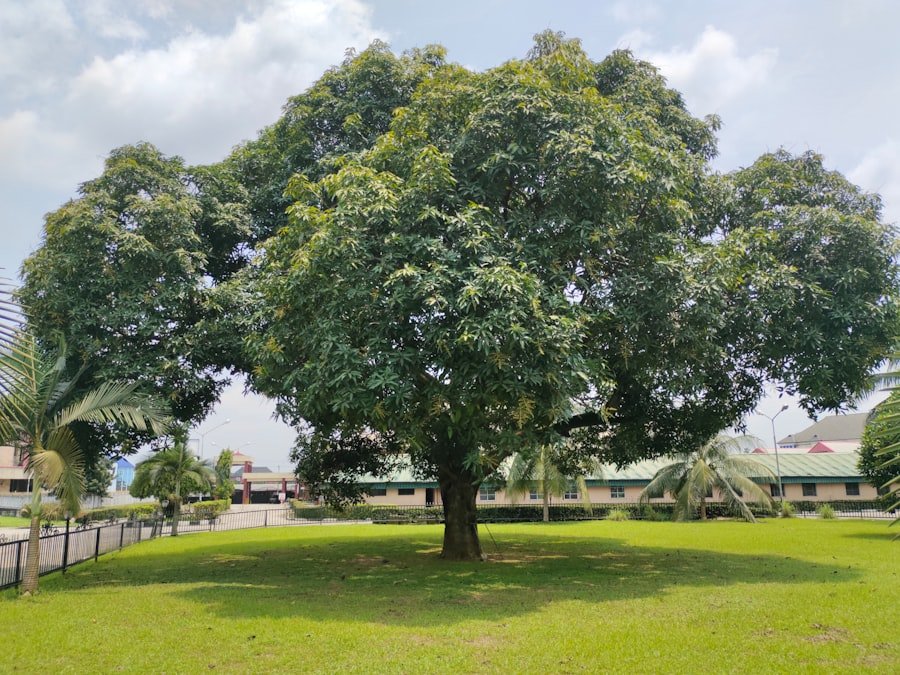
Mango trees (Mangifera indica) are tropical plants that require specific growth conditions to thrive. They prefer well-draining soil with a pH level between 5.5 and 7.5, which allows for optimal nutrient absorption. Heavy clay soils can lead to root rot, so it’s essential to amend the soil with organic matter or sand if necessary.
Additionally, mango trees require full sun exposure for at least six hours a day to produce healthy foliage and fruit. Insufficient sunlight can lead to weak growth and reduced fruit yield. Watering practices are also critical in establishing a healthy mango tree. While young trees need regular watering to develop strong roots, mature trees are more drought-tolerant and should be watered less frequently. Overwatering can be detrimental; thus, it’s important to allow the soil to dry out between watering sessions.
Fertilization plays a vital role in supporting growth as well; using a balanced fertilizer during the growing season can provide essential nutrients that promote healthy foliage and fruit development. Understanding these growth requirements will help you create an environment conducive to thriving mango trees.
Where to Purchase a Mango Tree
| Location | Price Range | Availability |
|---|---|---|
| Local Nursery | 20 – 50 | High |
| Online Retailer | 30 – 100 | Medium |
| Farmers Market | 25 – 60 | Low |
When it comes to acquiring a mango tree, there are several avenues you can explore. Local nurseries often carry a selection of mango varieties suited for your region, allowing you to receive expert advice on which type would be best for your specific climate and soil conditions. Purchasing from a local nursery also supports small businesses and ensures that you are getting plants that are acclimated to your area’s environment.
Alternatively, online retailers offer a broader selection of mango varieties that may not be available locally. When buying online, it’s crucial to choose reputable sellers who provide detailed information about their plants’ health and care requirements. Look for nurseries that specialize in tropical fruit trees or have positive customer reviews regarding their shipping practices and plant quality.
Regardless of where you purchase your mango tree, ensure that it is healthy—look for vibrant leaves, a sturdy trunk, and no signs of disease or pests.
How to Plant and Care for Your Mango Tree
Planting a mango tree requires careful attention to detail to ensure its successful establishment. Begin by selecting a planting site that receives full sunlight and has well-draining soil. Dig a hole that is twice as wide as the root ball but no deeper than the root system itself; this encourages lateral root growth while preventing water from pooling around the roots.
Gently place the tree in the hole, ensuring that the graft union (if applicable) is above soil level, then backfill with soil and water thoroughly to eliminate air pockets. Once planted, ongoing care is essential for the health of your mango tree. Regular watering during dry spells is crucial for young trees; however, mature trees should be watered less frequently as they become more drought-resistant.
Mulching around the base can help retain moisture and suppress weeds while providing organic matter as it decomposes. Fertilization should occur during the growing season with a balanced fertilizer or one specifically formulated for fruit trees. Monitoring for pests and diseases is also vital; early detection can prevent minor issues from escalating into significant problems.
Pruning and Training Your Mango Tree for Optimal Growth
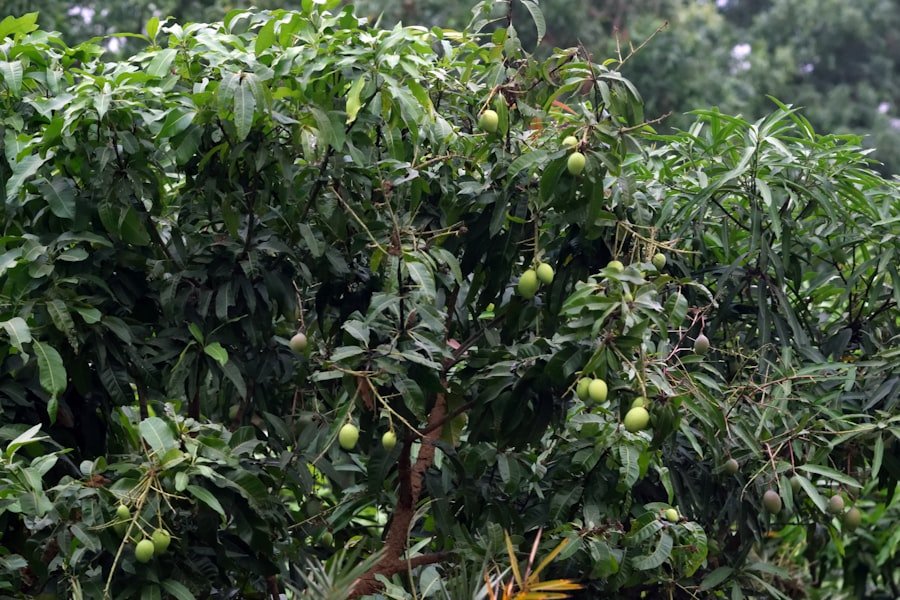
Pruning is an essential practice for maintaining the health and productivity of your mango tree. Proper pruning encourages strong branch development, improves air circulation within the canopy, and enhances sunlight penetration—factors that contribute to better fruit production. The best time to prune is during the dry season when the tree is not actively growing; this minimizes stress on the plant and reduces the risk of disease.
When pruning, focus on removing dead or diseased branches first, followed by any crossing branches that may rub against each other. This helps prevent wounds that could become entry points for pests or pathogens. Additionally, thinning out crowded areas within the canopy allows for better airflow and light distribution, which is crucial for fruit development.
Training young trees through techniques such as central leader pruning can help establish a strong structure that supports heavy fruit loads as the tree matures.
Protecting Your Mango Tree from Pests and Diseases
Mango trees are susceptible to various pests and diseases that can threaten their health and productivity. Common pests include aphids, mealybugs, and scale insects, which can sap nutrients from the tree and lead to weakened growth or fruit drop. Regularly inspecting your tree for signs of infestation—such as discolored leaves or sticky residue—can help you catch problems early on.
Natural predators like ladybugs can be introduced to control aphid populations, while insecticidal soaps or neem oil can effectively manage other pests without harming beneficial insects. Diseases such as powdery mildew or anthracnose can also affect mango trees, particularly in humid conditions. To prevent these issues, ensure proper spacing between trees for adequate airflow and avoid overhead watering that can create damp conditions conducive to fungal growth.
If disease symptoms appear, prompt action is necessary; removing affected leaves or branches can help contain outbreaks. In severe cases, fungicides may be required to protect your tree’s health.
Harvesting and Enjoying the Fruits of Your Mango Tree
The anticipation of harvesting ripe mangoes from your own tree is one of the most rewarding aspects of cultivation. Depending on the variety planted, mangoes typically take four to six months from flowering to ripening. Signs that your mangoes are ready for harvest include a change in color (from green to yellow or red depending on the variety) and a slight softness when gently squeezed.
It’s important to harvest at the right time; picking too early can result in sour fruit while waiting too long may lead to overripening or pest damage. Once harvested, there are countless ways to enjoy fresh mangoes.
Mangoes are also versatile in cooking; they can be blended into smoothies, used in salsas, or incorporated into desserts like sorbets or tarts. Beyond their delicious flavor, mangoes are rich in vitamins A and C, making them not only tasty but also nutritious additions to your diet.
Tips for Maximizing Fruit Production from Your Mango Tree
To maximize fruit production from your mango tree, several strategies can be employed throughout its life cycle. First and foremost is ensuring optimal growing conditions—this includes providing adequate sunlight, water, and nutrients during critical growth phases. Regular fertilization with a balanced fertilizer during the growing season will support healthy foliage development and encourage robust flowering.
Another effective method is hand-pollination if you notice low fruit set during flowering periods. While many mango varieties are self-pollinating, assisting with pollination by gently shaking branches or using a small brush can increase fruit set rates significantly. Additionally, thinning out excess flowers early in the season allows the tree to focus its energy on developing fewer but larger fruits rather than spreading resources too thin across many small ones.
Potential Challenges and Solutions for Growing Mango Trees
Growing mango trees comes with its own set of challenges that gardeners must navigate to ensure success. One common issue is environmental stress caused by extreme temperatures or unexpected weather events such as frost or heavy rains. To mitigate these risks, consider planting your mango tree in a sheltered location where it is protected from harsh winds or frost pockets.
Using frost cloths during cold snaps can also provide temporary protection until temperatures rise again. Another challenge is dealing with nutrient deficiencies that may arise due to poor soil quality or improper fertilization practices. Regular soil testing can help identify nutrient imbalances so you can amend them accordingly with organic fertilizers or soil amendments like compost or bone meal.
Additionally, keeping an eye on leaf color—yellowing may indicate nitrogen deficiency—can guide you in adjusting your fertilization strategy effectively.
Connecting with Other Mango Tree Enthusiasts and Resources for Support
Engaging with fellow mango tree enthusiasts can greatly enhance your gardening experience by providing valuable insights and support throughout your journey. Online forums and social media groups dedicated to tropical gardening often feature discussions about best practices for growing mangoes, sharing tips on pest management, or exchanging stories about successful harvests. These platforms allow you to connect with individuals who share your passion while learning from their experiences.
Local gardening clubs or agricultural extension services may also offer workshops or events focused on tropical fruit cultivation, including mangoes. Participating in these gatherings not only expands your knowledge but also fosters community connections with like-minded individuals who appreciate the joys of growing their own food. By tapping into these resources, you can cultivate both your mango tree and your gardening skills while building lasting relationships within the gardening community.
FAQs
What is the best time to buy a mango tree?
The best time to buy a mango tree is during the spring or early summer, as this is the optimal time for planting and establishing new trees.
Where can I buy a mango tree?
Mango trees can be purchased from nurseries, garden centers, or online plant retailers. It is important to ensure that the tree is sourced from a reputable seller to guarantee its quality.
What factors should I consider when buying a mango tree?
When buying a mango tree, it is important to consider the variety of mango, the size of the tree, its age, and the climate and soil conditions in your area. Additionally, it is important to ensure that the tree is healthy and free from any diseases or pests.
How much does a mango tree cost?
The cost of a mango tree can vary depending on its size, age, and variety. On average, a mango tree can cost anywhere from $20 to $100, with larger and more mature trees being more expensive.
Can I buy a mango tree online?
Yes, mango trees can be purchased online from various plant retailers and nurseries. When buying online, it is important to research the seller and read reviews to ensure the quality of the tree.
Can I buy a mango tree from a local nursery?
Yes, mango trees are commonly available for purchase at local nurseries and garden centers. Buying from a local nursery allows you to inspect the tree in person and receive advice from knowledgeable staff.