

The history of Galata, a district located on the northern shore of the Golden Horn in present-day Istanbul, can be traced back to ancient times. The area was originally settled by the Greeks, who established a colony known as “Kallipolis” around the 6th century BCE. This settlement was strategically positioned across from Byzantium, which later became Constantinople.
The geographical advantages of Galata, with its natural harbor and proximity to the Bosphorus Strait, made it an attractive location for trade and commerce. The early settlers recognized the potential of the area, utilizing its resources and favorable location to establish a thriving community. As the centuries progressed, Galata evolved into a melting pot of cultures and influences.
The settlement attracted various groups, including Phoenicians, Romans, and later Byzantines, each contributing to its development. The area’s significance grew as it became a vital link between Europe and Asia, facilitating trade routes that would shape its future. The early inhabitants of Galata engaged in various economic activities, including fishing, agriculture, and trade, laying the groundwork for what would become a bustling urban center.
The blend of cultures and traditions established during this period would leave a lasting impact on Galata’s identity.
Key Takeaways
- Galata was initially settled by the Greeks in the 6th century BC, and later became a thriving trading hub due to its strategic location on the Golden Horn.
- During Byzantine rule, Galata was an important commercial and cultural center, with a diverse population and a flourishing economy.
- The Genoese played a significant role in shaping Galata’s architecture and culture, leaving behind a lasting influence on the area.
- The Ottoman conquest of Galata in 1453 marked a turning point in its history, as it became an integral part of the Ottoman Empire.
- Today, Galata is a popular tourist destination known for its historic architecture, vibrant cultural scene, and stunning views of the Bosphorus.
The Rise of Galata as a Trading Hub
By the late medieval period, Galata had firmly established itself as a prominent trading hub in the region. Its strategic location allowed merchants from various parts of the world to converge, creating a vibrant marketplace that attracted traders from Europe, Asia, and beyond. The district became known for its diverse array of goods, ranging from spices and textiles to precious metals and ceramics.
This influx of commerce not only enriched the local economy but also fostered cultural exchanges that would shape the character of Galata. The rise of Galata as a trading center was further bolstered by its unique position as a gateway to Constantinople. Merchants seeking access to the Byzantine capital found Galata to be an ideal location for their operations.
The establishment of warehouses and trading posts facilitated the storage and distribution of goods, while the construction of docks allowed for easy access to ships arriving from distant lands. As trade flourished, so did the population of Galata, leading to urban expansion and the development of infrastructure to support its growing commercial activities.
Galata under Byzantine Rule
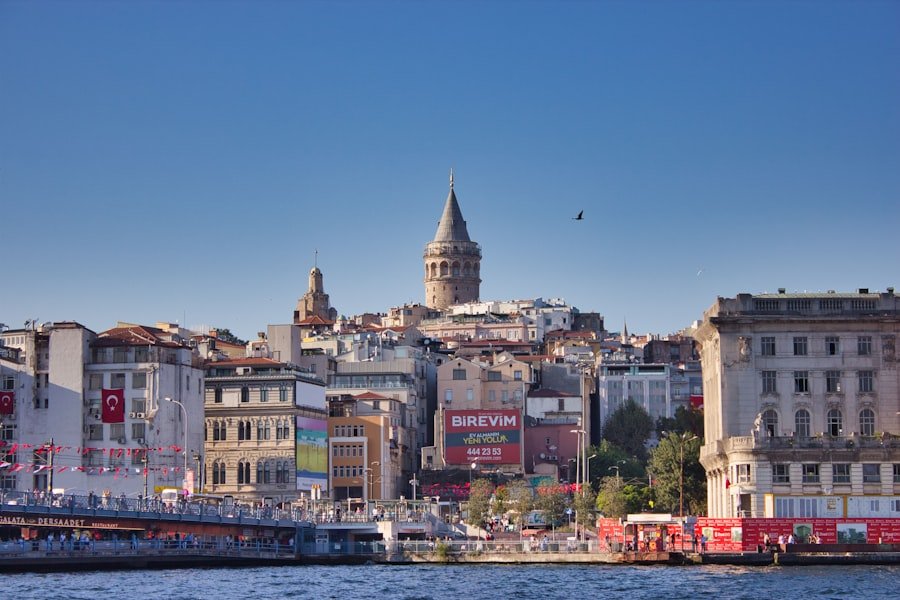
During the Byzantine era, Galata was integrated into the larger framework of Constantinople’s economy and society. The Byzantines recognized the strategic importance of Galata and fortified it to protect against potential invasions. The construction of walls and watchtowers not only served as a defense mechanism but also symbolized the district’s significance within the Byzantine Empire.
Under Byzantine rule, Galata became a bustling urban center characterized by its diverse population, which included Greeks, Armenians, Jews, and other ethnic groups. The Byzantine administration implemented various policies to promote trade and commerce in Galata. Tax incentives were offered to merchants, encouraging them to establish businesses in the area.
This led to an increase in economic activity and attracted skilled artisans who contributed to the local economy. The district became known for its craftsmanship, particularly in textiles and metalwork. Additionally, religious institutions such as churches and monasteries were established, further enriching the cultural landscape of Galata during this period.
The Genoese Influence on Galata
The arrival of the Genoese in the 13th century marked a significant turning point in Galata’s history. Seeking to expand their trading networks in the eastern Mediterranean, the Genoese established a strong presence in Galata, transforming it into a vital outpost for their commercial activities. They constructed impressive stone buildings and warehouses along the waterfront, which served as bases for their trading operations.
The Genoese influence brought about a new era of prosperity for Galata, as they introduced advanced maritime techniques and expanded trade routes. Under Genoese control, Galata flourished as a cosmopolitan center where diverse cultures coexisted harmoniously. The Genoese established a system of governance that allowed for relative autonomy within the district while maintaining ties with their homeland.
This unique arrangement fostered an environment conducive to trade and cultural exchange. The Genoese also played a crucial role in connecting Galata with other major trading cities across Europe, facilitating the flow of goods and ideas that would shape the region’s economic landscape.
The Ottoman Conquest of Galata
The Ottoman conquest of Constantinople in 1453 marked a pivotal moment in Galata’s history. Following the fall of the Byzantine Empire, Galata came under Ottoman control, leading to significant changes in its political and social structure. The Ottomans recognized the strategic importance of Galata as a trading hub and sought to integrate it into their expanding empire.
They implemented policies that encouraged trade and commerce while also promoting religious tolerance among the diverse population. Under Ottoman rule, Galata experienced a period of revitalization as it became an essential part of the empire’s economic network. The Ottomans invested in infrastructure development, including roads and bridges that connected Galata with other parts of Istanbul.
This facilitated trade not only within the city but also with regions beyond its borders. The district continued to thrive as a center for commerce, attracting merchants from various backgrounds who contributed to its dynamic economy.
Galata in the Modern Era
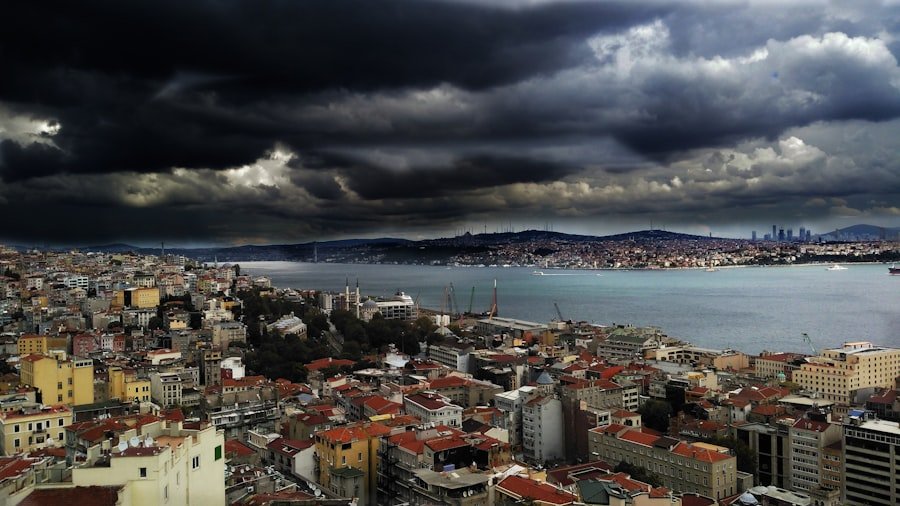
As the 19th century approached, Galata underwent significant transformations that reflected broader changes occurring within the Ottoman Empire. The industrial revolution brought about advancements in technology and transportation, leading to increased trade activity in the region. The construction of modern docks and warehouses allowed for larger vessels to dock in Galata’s harbor, further enhancing its status as a key trading center.
During this period, Galata also became known for its vibrant cultural scene. The influx of foreign influences led to a flourishing artistic community that produced notable works in literature, music, and visual arts. Cafés and theaters emerged as popular gathering places for intellectuals and artists, fostering an environment conducive to creativity and innovation.
This cultural renaissance contributed to Galata’s reputation as a hub for artistic expression within Istanbul.
Galata’s Architectural and Cultural Heritage
Galata’s architectural landscape is a testament to its rich history and diverse cultural influences. The district is home to several iconic structures that reflect various architectural styles spanning centuries. One notable landmark is the Galata Tower, built by the Genoese in the 14th century.
This medieval stone tower served both defensive purposes and as an observation point offering panoramic views of Istanbul. Its distinctive silhouette has become synonymous with Galata itself. In addition to its historical buildings, Galata boasts a vibrant cultural heritage that is celebrated through festivals and events throughout the year.
Traditional music performances, art exhibitions, and culinary festivals showcase the district’s diverse cultural tapestry. Local artisans continue to practice traditional crafts such as pottery and weaving, preserving age-old techniques while adapting them to contemporary tastes. This commitment to cultural preservation ensures that Galata remains a living testament to its storied past.
Galata Today: A Popular Tourist Destination
In recent years, Galata has emerged as one of Istanbul’s most popular tourist destinations, attracting visitors from around the globe who seek to experience its unique blend of history and modernity. The district’s charming streets are lined with cafés, boutiques, and art galleries that invite exploration and discovery. Tourists flock to iconic sites such as the Galata Tower and nearby Istiklal Avenue, where they can immerse themselves in the vibrant atmosphere that characterizes contemporary Galata.
The culinary scene in Galata has also gained recognition for its diverse offerings ranging from traditional Turkish cuisine to international fare. Visitors can indulge in local delicacies at bustling markets or dine at trendy restaurants that showcase innovative interpretations of classic dishes. As tourism continues to thrive in Galata, efforts are being made to balance preservation with development, ensuring that this historic district retains its unique character while embracing modern influences.
Galata stands as a testament to centuries of cultural exchange and economic vitality. Its evolution from an ancient settlement to a modern urban center reflects not only its historical significance but also its enduring appeal as a destination that captivates both locals and visitors alike.
If you’re interested in exploring more about the history of different regions, you may want to check out this article on