

Black spots on okra, scientifically known as Abelmoschus esculentus, can be attributed to a variety of factors, primarily linked to environmental conditions and biological agents. One of the most significant causes is fungal infections, particularly those caused by pathogens such as Alternaria and Colletotrichum. These fungi thrive in warm, humid conditions, making okra particularly susceptible during the rainy season or in regions with high humidity.
The spores of these fungi can easily spread through water splashes, wind, or contaminated tools, leading to widespread infection in a short period. In addition to fungal pathogens, black spots can also arise from environmental stressors such as nutrient deficiencies, particularly a lack of potassium or magnesium. These deficiencies can weaken the plant’s overall health, making it more vulnerable to diseases.
Furthermore, improper cultural practices, such as overcrowding plants or inadequate air circulation, can create an environment conducive to disease development. Understanding these causes is crucial for effective management and prevention strategies.
Key Takeaways
- Black spots on okra are caused by fungal infections, often due to poor watering and drainage techniques.
- Symptoms of black spot disease include dark, sunken lesions on the leaves and stems of okra plants.
- Preventative measures for black spots on okra include proper watering and drainage techniques to avoid creating a favorable environment for fungal growth.
- Soil management is crucial for black spot prevention, as well-drained, nutrient-rich soil can help okra plants resist fungal infections.
- Fungal infections in okra can be identified by the appearance of powdery or fuzzy growth on the leaves and stems of the plants.
Recognizing the Symptoms of Black Spot Disease
The symptoms of black spot disease on okra are often the first indicators that a grower may notice. Initially, small dark spots appear on the leaves, which can be mistaken for other issues such as insect damage or nutrient deficiencies. As the disease progresses, these spots typically enlarge and may turn yellow around the edges, leading to leaf wilting and eventual drop.
In severe cases, the entire leaf may die off, significantly reducing the plant’s ability to photosynthesize and ultimately affecting yield. In addition to leaf symptoms, black spots can also manifest on the okra pods themselves. These spots may appear as dark lesions that can compromise the quality and marketability of the fruit.
Infected pods may become deformed or shriveled, making them unappealing for consumers. Recognizing these symptoms early is vital for implementing timely interventions to mitigate the spread of the disease and protect the overall health of the crop.
Preventative Measures for Black Spots on Okra
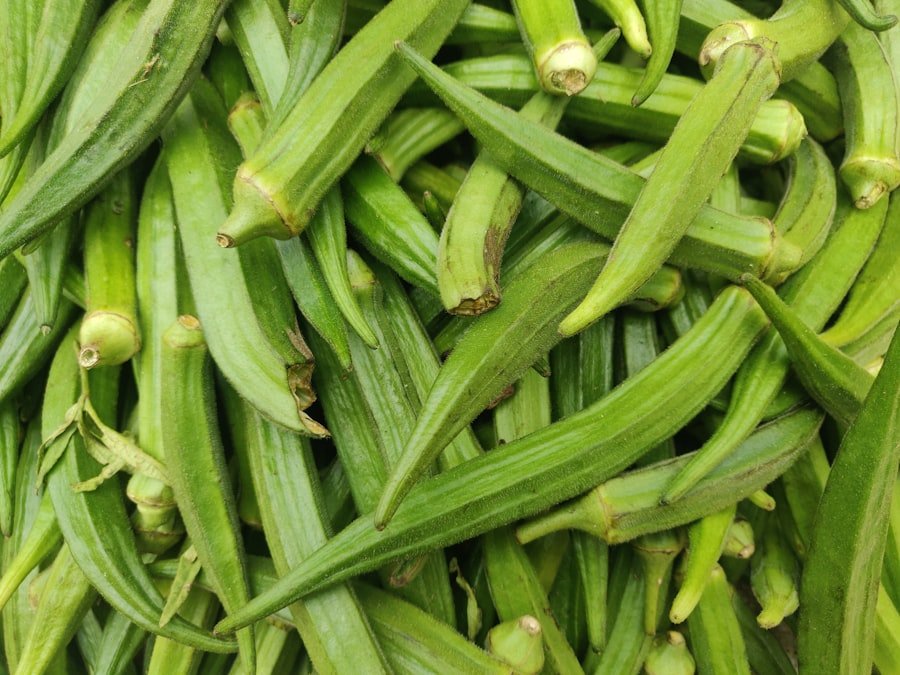
Preventative measures are essential in managing black spots on okra effectively. One of the most effective strategies is to select disease-resistant varieties of okra when planting. Many seed companies offer hybrids that have been bred specifically for resistance to common diseases, including black spot disease.
By choosing these varieties, growers can significantly reduce the likelihood of infection and improve overall crop resilience. Another critical preventative measure involves crop rotation. Rotating okra with non-host crops can disrupt the life cycle of pathogens and reduce their presence in the soil.
For instance, following okra with legumes or cereals can help break the cycle of fungal infections. Additionally, maintaining proper spacing between plants allows for better air circulation, which is crucial in reducing humidity levels around the foliage and minimizing the risk of fungal growth.
Proper Watering and Drainage Techniques
| Technique | Benefits |
|---|---|
| Watering deeply and infrequently | Promotes deep root growth and drought tolerance |
| Using mulch | Reduces evaporation, maintains soil moisture, and prevents erosion |
| Checking soil moisture | Prevents overwatering or underwatering |
| Improving drainage | Prevents waterlogging and root rot |
Watering practices play a pivotal role in preventing black spots on okra. Overhead irrigation can inadvertently promote fungal diseases by wetting the leaves and creating a humid environment conducive to spore germination and growth. Instead, drip irrigation is recommended as it delivers water directly to the root zone without wetting the foliage.
This method not only conserves water but also minimizes the risk of disease transmission. Moreover, ensuring proper drainage in the planting area is equally important. Okra plants thrive in well-drained soils; waterlogged conditions can lead to root rot and create an environment where fungal pathogens flourish.
Implementing raised beds or mounds can enhance drainage and prevent standing water around the roots. Regularly checking soil moisture levels and adjusting watering schedules based on weather conditions can further help maintain optimal growing conditions for okra.
Soil Management for Black Spot Prevention
Soil health is a fundamental aspect of preventing black spots on okra. Healthy soil promotes robust plant growth and enhances resistance to diseases. Conducting regular soil tests can provide valuable insights into nutrient levels and pH balance, allowing growers to amend their soils accordingly.
For instance, if tests reveal low potassium levels, applying potassium-rich fertilizers can bolster plant health and reduce susceptibility to black spot disease. Incorporating organic matter into the soil is another effective strategy for improving soil structure and fertility. Compost or well-rotted manure not only enriches the soil with essential nutrients but also enhances its ability to retain moisture while promoting beneficial microbial activity.
This microbial diversity can help suppress harmful pathogens in the soil, creating a more balanced ecosystem that supports healthy okra growth.
Identifying Fungal Infections in Okra
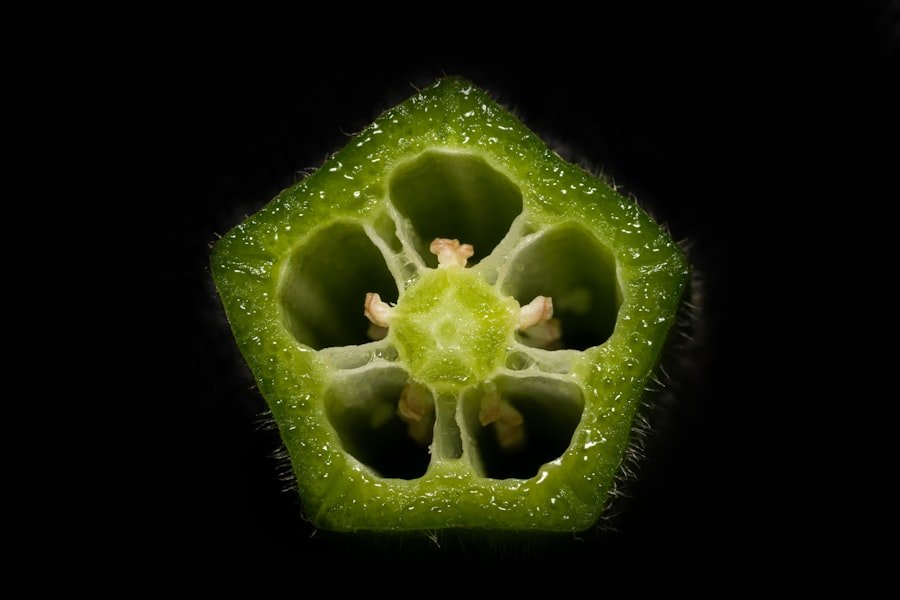
Identifying fungal infections in okra requires careful observation and knowledge of specific symptoms associated with various pathogens. Fungal infections often present themselves through distinct visual cues on leaves and pods. For example, Alternaria leaf spot typically manifests as dark brown or black lesions with concentric rings, while Colletotrichum infections may lead to sunken lesions that appear water-soaked initially before turning dark.
To accurately diagnose a fungal infection, growers should examine not only the visible symptoms but also consider environmental conditions that favor fungal growth. High humidity levels combined with warm temperatures create an ideal environment for many fungal pathogens. Additionally, inspecting neighboring plants for similar symptoms can help determine if an outbreak is localized or widespread, guiding appropriate management decisions.
Natural Remedies for Treating Black Spots on Okra
Natural remedies can be effective in treating black spots on okra while minimizing chemical inputs. One popular approach involves using neem oil, derived from the seeds of the neem tree (Azadirachta indica). Neem oil possesses antifungal properties that can help control various fungal infections when applied as a foliar spray.
Diluting neem oil with water and a mild soap can create an effective treatment that not only targets existing infections but also acts as a preventive measure against future outbreaks. Another natural remedy includes using baking soda mixed with water as a foliar spray. Baking soda (sodium bicarbonate) has been shown to inhibit fungal growth by altering leaf surface pH levels.
When applied regularly at the first sign of black spots, this solution can help manage mild infections and prevent their spread. Additionally, introducing beneficial microorganisms into the soil through compost teas or microbial inoculants can enhance plant health and resilience against diseases.
Chemical Treatments for Black Spots on Okra
In cases where natural remedies are insufficient to control black spots on okra, chemical treatments may be necessary.
These products work by either inhibiting spore germination or disrupting fungal cell function, thereby reducing disease severity.
When applying chemical treatments, it is crucial to follow label instructions carefully to ensure safety and efficacy. Timing is also essential; applying fungicides at the first sign of infection or as a preventive measure during high-risk periods can significantly improve outcomes. Additionally, rotating different classes of fungicides can help prevent pathogen resistance, ensuring long-term effectiveness in managing black spot disease.
Pruning and Sanitizing Infected Okra Plants
Pruning infected okra plants is a critical step in managing black spot disease and preventing its spread to healthy foliage. Removing severely affected leaves not only reduces the overall disease load but also improves air circulation around the remaining foliage, creating an environment less conducive to fungal growth.
Sanitizing tools after pruning is equally important in preventing cross-contamination between plants. A simple solution of bleach diluted in water or commercial sanitizing agents can effectively disinfect tools before moving on to other plants in the garden. Additionally, disposing of infected plant material properly—either by burning or burying—can help eliminate potential sources of reinfection in the garden.
Monitoring and Maintaining Okra Health
Ongoing monitoring of okra plants is vital for early detection of black spot disease and other potential issues. Regularly inspecting leaves for any signs of discoloration or lesions allows growers to take prompt action before infections spread extensively. Keeping a close eye on environmental conditions such as humidity levels and temperature fluctuations can also provide insights into when conditions may favor disease development.
Maintaining overall plant health through proper nutrition and care is equally important in preventing black spots on okra. Fertilizing according to soil test recommendations ensures that plants receive adequate nutrients for robust growth. Additionally, implementing integrated pest management (IPM) practices helps control insect populations that may stress plants and make them more susceptible to diseases.
Seeking Professional Help for Severe Black Spot Infections
In situations where black spot infections become severe and unmanageable through standard practices, seeking professional help may be necessary. Agricultural extension services or local horticultural experts can provide valuable insights into specific regional challenges related to black spot disease on okra. They may offer tailored recommendations based on local environmental conditions and prevalent pathogens.
Professional assistance may also include diagnostic services that identify specific pathogens responsible for infections in a grower’s field. This information can guide targeted treatment strategies that are more effective than general approaches. Ultimately, collaborating with experts ensures that growers have access to the latest research-based practices for managing black spot disease effectively while optimizing their crop yields.
FAQs
What causes black spots on okra?
Black spots on okra are typically caused by a fungal disease called sooty mold. This mold grows on the honeydew excreted by sucking insects such as aphids, whiteflies, or scale insects.
How can black spots on okra be prevented?
To prevent black spots on okra, it is important to control the population of sucking insects that excrete honeydew. This can be done through regular inspection and use of insecticidal soaps or horticultural oils.
Can okra with black spots still be eaten?
Okra with black spots can still be eaten after the affected areas are cut off. However, it is important to inspect the okra thoroughly to ensure that the spots are not a sign of rot or decay.
Is it safe to consume okra with black spots?
As long as the affected areas are removed and the okra is thoroughly washed, it is safe to consume okra with black spots. However, it is always best to inspect the okra carefully to ensure it is still fresh and healthy.
