

Lactose intolerance is a common digestive condition that affects a significant portion of the global population. It occurs when the body lacks sufficient levels of lactase, the enzyme responsible for breaking down lactose, a sugar found in milk and dairy products. When individuals with lactose intolerance consume dairy, they may experience a range of uncomfortable symptoms, including bloating, gas, diarrhea, and abdominal pain.
The severity of these symptoms can vary widely among individuals, with some being able to tolerate small amounts of lactose while others react to even trace amounts. The prevalence of lactose intolerance varies by ethnicity and geographic region. For instance, it is particularly common among people of East Asian, West African, and Mediterranean descent, where up to 90% of adults may experience some degree of lactose malabsorption.
In contrast, populations with a long history of dairy consumption, such as those from Northern Europe, tend to have lower rates of lactose intolerance. This variation is attributed to genetic factors and dietary habits that have evolved over thousands of years. Understanding these dynamics is crucial for individuals who wish to manage their lactose intolerance effectively while still enjoying a diverse diet.
Key Takeaways
- Lactose intolerance is the inability to digest lactose, a sugar found in milk and dairy products.
- Mozzarella cheese is a popular Italian cheese known for its smooth texture and mild flavor.
- Mozzarella cheese typically contains low levels of lactose, making it easier to digest for some lactose-intolerant individuals.
- Lactose-free mozzarella options are available for those with lactose intolerance, made using lactase enzyme to break down lactose.
- Lactose-intolerant individuals can enjoy mozzarella cheese by choosing lactose-free options and managing their lactose intake.
What is Mozzarella Cheese?
Mozzarella cheese is a beloved dairy product that originated in Italy and has become a staple in cuisines around the world. Traditionally made from the milk of water buffalo, modern mozzarella is often produced using cow’s milk. The cheese is known for its soft, elastic texture and mild flavor, making it an ideal ingredient in a variety of dishes, from classic pizzas to fresh salads.
The process of making mozzarella involves curdling milk with rennet and then stretching the curds in hot water, a technique known as pasta filata. There are several varieties of mozzarella cheese available today, including fresh mozzarella, which is typically sold in brine or water and has a high moisture content, and low-moisture mozzarella, which is aged longer and has a firmer texture. Fresh mozzarella is often used in Caprese salads or served with tomatoes and basil, while low-moisture mozzarella is commonly used for melting on pizzas and in baked dishes.
The versatility of mozzarella makes it a favorite among chefs and home cooks alike, as it can enhance both flavor and texture in numerous culinary applications.
Lactose Content in Mozzarella Cheese

The lactose content in mozzarella cheese can vary depending on the type and method of production. Generally speaking, fresh mozzarella contains more lactose than its aged counterparts due to the shorter fermentation process. On average, fresh mozzarella may contain around 1-2 grams of lactose per ounce, while low-moisture mozzarella typically has lower levels, often around 0.5 grams per ounce.
This reduction in lactose occurs because the aging process allows bacteria to break down some of the lactose into lactic acid. For individuals who are lactose intolerant, understanding the specific lactose content in different types of mozzarella is essential for managing their symptoms. While some may find they can tolerate small amounts of fresh mozzarella without adverse effects, others may need to opt for low-moisture varieties or even lactose-free options to avoid discomfort.
It’s important to note that individual tolerance levels can vary significantly; therefore, personal experimentation may be necessary to determine what works best for each person.
Lactose-Free Mozzarella Options
| Brand | Product Name | Lactose-Free | Calories per Serving | Protein per Serving |
|---|---|---|---|---|
| Galbani | Lactose-Free Mozzarella | Yes | 70 | 7g |
| Go Veggie | Lactose-Free Mozzarella Shreds | Yes | 80 | 7g |
| Daiya | Lactose-Free Mozzarella Style Shreds | Yes | 90 | 1g |
In response to the growing demand for dairy alternatives that cater to lactose-intolerant individuals, many manufacturers now offer lactose-free mozzarella cheese options. These products are made using traditional mozzarella-making techniques but incorporate lactase enzymes during production. This addition breaks down lactose into simpler sugars that are easier for those with lactose intolerance to digest.
As a result, lactose-free mozzarella retains the familiar taste and texture of regular mozzarella while eliminating the discomfort associated with lactose consumption. Lactose-free mozzarella can be found in various forms, including shredded, sliced, and whole balls. These products are often marketed as suitable for cooking and baking, making them an excellent substitute for traditional mozzarella in recipes like lasagna or pizza.
Some brands even offer organic or plant-based versions that cater to those seeking dairy-free alternatives altogether. By providing these options, consumers can enjoy their favorite dishes without worrying about the digestive issues that often accompany lactose-containing products.
Can Lactose-Intolerant Individuals Consume Mozzarella?
The ability of lactose-intolerant individuals to consume mozzarella cheese largely depends on their specific tolerance levels and the type of mozzarella in question. Many people with mild lactose intolerance find they can enjoy small amounts of low-moisture mozzarella without experiencing significant discomfort. This is due to the lower lactose content compared to fresh varieties.
However, those with more severe intolerance may need to avoid all forms of mozzarella unless they opt for lactose-free alternatives. It’s also worth noting that some individuals may find that they can tolerate certain dairy products better than others due to variations in fat content and fermentation processes. For example, hard cheeses like Parmesan or aged cheddar contain very little lactose because most of it is broken down during aging.
Therefore, while mozzarella may pose challenges for some, others might find it manageable within their dietary restrictions. Keeping a food diary can help individuals track their reactions to different types of cheese and determine what works best for them.
Benefits of Lactose-Free Mozzarella
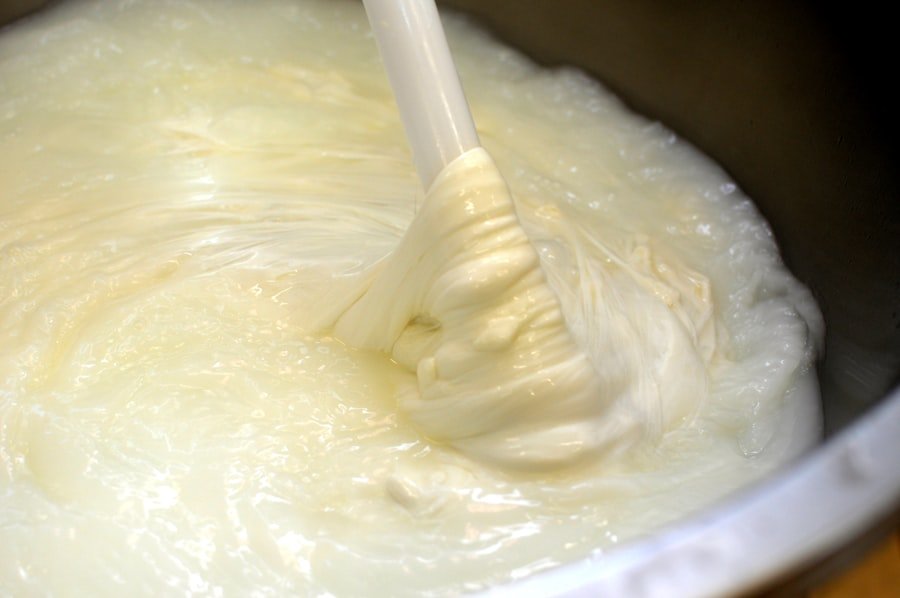
Lactose-free mozzarella offers several benefits beyond simply alleviating digestive discomfort for those with lactose intolerance. One significant advantage is that it allows individuals to enjoy the rich flavors and textures associated with traditional mozzarella without compromising their health or dietary needs. This inclusivity means that more people can partake in social gatherings centered around food without feeling left out or anxious about potential reactions.
Additionally, lactose-free mozzarella retains many nutritional benefits found in regular cheese. It is a good source of protein, calcium, and essential vitamins such as B12 and riboflavin. For those who are lactose intolerant but still want to maintain a balanced diet rich in nutrients, incorporating lactose-free cheese into meals can be an effective strategy.
Furthermore, many lactose-free products are fortified with additional nutrients to enhance their health benefits even further.
Cooking with Lactose-Free Mozzarella
Cooking with lactose-free mozzarella opens up a world of culinary possibilities for those who need to avoid lactose but still want to enjoy cheesy dishes. The melting properties of lactose-free mozzarella are comparable to those of traditional mozzarella, making it an excellent choice for pizzas, lasagnas, and casseroles. When melted, it provides that gooey texture that many cheese lovers crave while ensuring that those with lactose intolerance can indulge without worry.
In addition to traditional Italian dishes, lactose-free mozzarella can be used creatively in various cuisines. For instance, it can be added to quesadillas or enchiladas for a delicious twist on Mexican fare or incorporated into creamy risottos for added richness without the risk of digestive upset. The versatility of this cheese allows home cooks to experiment with flavors and textures while accommodating dietary restrictions seamlessly.
How to Identify Lactose-Free Mozzarella
Identifying lactose-free mozzarella in stores is relatively straightforward once you know what to look for. Most brands clearly label their products as “lactose-free” on the packaging, often accompanied by a description indicating that lactase enzymes have been added during production. Additionally, consumers should check the ingredient list; if lactase is listed among the ingredients, it confirms that the product has been treated to eliminate lactose.
When shopping for lactose-free mozzarella, it’s also beneficial to consider the brand’s reputation and customer reviews. Some brands may have better taste profiles or melting characteristics than others, so seeking recommendations from friends or online communities can help narrow down choices. Furthermore, many grocery stores now have dedicated sections for gluten-free and lactose-free products, making it easier for consumers to find suitable options without extensive searching.
Other Lactose-Free Cheese Options
While mozzarella is a popular choice among cheese lovers seeking lactose-free options, there are numerous other cheeses available that cater to those with lactose intolerance. Cheeses such as cheddar, gouda, and Swiss are often available in lactose-free varieties due to their aging processes that significantly reduce lactose content. These cheeses can be used in various dishes ranging from sandwiches to cheeseboards.
In addition to traditional cheeses, there are also plant-based cheese alternatives made from nuts (like cashews), soy (like tofu), or coconut that provide similar textures and flavors without any dairy content whatsoever. These options are particularly appealing not only for those with lactose intolerance but also for vegans or individuals with dairy allergies. The growing market for both lactose-free dairy products and plant-based alternatives reflects an increasing awareness of dietary needs and preferences among consumers.
Tips for Managing Lactose Intolerance
Managing lactose intolerance effectively requires a combination of awareness and proactive strategies. One essential tip is to read food labels carefully; many processed foods contain hidden sources of lactose that may not be immediately obvious. Ingredients like whey powder or casein can indicate the presence of dairy products even if they are not labeled as such.
Another helpful approach is gradual exposure; some individuals find they can tolerate small amounts of dairy over time as their bodies adjust. Keeping track of symptoms through a food diary can help identify personal tolerance levels and trigger foods more accurately. Additionally, lactase supplements are available over-the-counter and can be taken before consuming dairy products to aid digestion.
Enjoying Mozzarella Cheese without Lactose Concerns
For those who love cheese but struggle with lactose intolerance, the availability of lactose-free mozzarella provides an excellent solution that allows them to enjoy their favorite dishes without fear of discomfort. With various options on the market today—from traditional low-moisture varieties to innovative plant-based alternatives—individuals can explore a wide range of culinary possibilities while adhering to their dietary needs. By understanding the nuances of lactose intolerance and being informed about available products, individuals can confidently incorporate cheese into their diets once again.
Whether it’s a classic Margherita pizza topped with fresh basil or a gooey lasagna layered with rich flavors, enjoying mozzarella cheese without concerns about lactose is now more accessible than ever before.
FAQs
What is lactose?
Lactose is a type of sugar found in milk and dairy products. It is composed of two simple sugars, glucose and galactose.
Does mozzarella cheese contain lactose?
Yes, mozzarella cheese does contain lactose, as it is made from milk. However, the amount of lactose in mozzarella cheese is significantly lower than in other dairy products.
Can lactose intolerant individuals consume mozzarella cheese?
Many lactose intolerant individuals can consume mozzarella cheese in moderation, as it contains lower levels of lactose compared to other dairy products. However, it is important for individuals to monitor their own tolerance levels and consult with a healthcare professional if necessary.
How is lactose content in mozzarella cheese reduced?
The process of making mozzarella cheese involves fermenting and aging, which can reduce the lactose content. Additionally, some manufacturers may also add lactase enzyme to further break down the lactose.
Are there lactose-free mozzarella cheese options available?
Yes, there are lactose-free mozzarella cheese options available in the market. These cheeses are specifically made for individuals with lactose intolerance and have had the lactose removed or significantly reduced during the production process.