

London, the capital of England and the United Kingdom, is a vibrant metropolis steeped in history and culture. With a population exceeding 9 million, it stands as one of the most diverse cities in the world, where over 300 languages are spoken. The city is a melting pot of traditions, cuisines, and lifestyles, making it a fascinating destination for travelers from all walks of life.
London’s rich tapestry is woven from its historical landmarks, modern architecture, and a dynamic arts scene, all of which contribute to its status as a global hub for finance, fashion, and entertainment. The city’s history stretches back over two millennia, beginning with its establishment by the Romans as Londinium around AD 43. Since then, London has evolved through various epochs, from the medieval period marked by the construction of iconic structures like the Tower of London to the Victorian era that saw the expansion of the British Empire.
Today, London is not only a center for historical exploration but also a beacon of contemporary innovation. The juxtaposition of ancient sites alongside cutting-edge skyscrapers like The Shard and the Gherkin exemplifies the city’s ability to honor its past while embracing the future.
Key Takeaways
- London is a vibrant city with a rich history and diverse culture, offering a wide range of experiences for visitors.
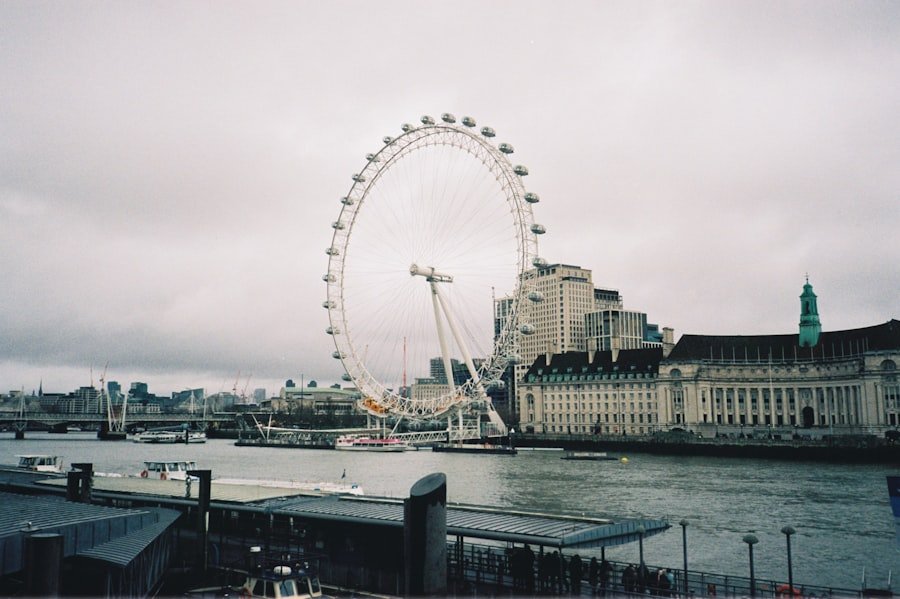
- Explore iconic landmarks such as the Tower of London, Buckingham Palace, and the London Eye during the first three days of your trip.
- Immerse yourself in London’s culture and history by visiting museums, historical sites, and attending a theater performance on days 4-5.
- Indulge in London’s culinary delights by trying traditional British dishes, exploring food markets, and dining at top restaurants on days 6-7.
- Discover London’s beautiful parks and gardens, such as Hyde Park and Kew Gardens, for a relaxing and scenic experience on days 8-9.
Day 1-3: Exploring the Iconic Landmarks
The first three days in London should be dedicated to exploring its iconic landmarks, which serve as symbols of the city’s rich heritage.
Originally built as a royal palace and fortress, it has served various roles throughout its existence, including that of a prison and treasury.
The Crown Jewels, housed within its walls, are a must-see for anyone interested in British royalty. The intricate designs and historical significance of these artifacts provide insight into the monarchy’s opulence and power. From the Tower of London, a short walk across Tower Bridge leads to another quintessential London experience.
Tower Bridge itself is an architectural marvel, often mistaken for London Bridge. Its Victorian Gothic style and dual bascules that lift to allow ships to pass are fascinating features that attract millions of visitors each year. After crossing the bridge, one can stroll along the South Bank of the River Thames, where attractions such as Shakespeare’s Globe Theatre and the Tate Modern await.
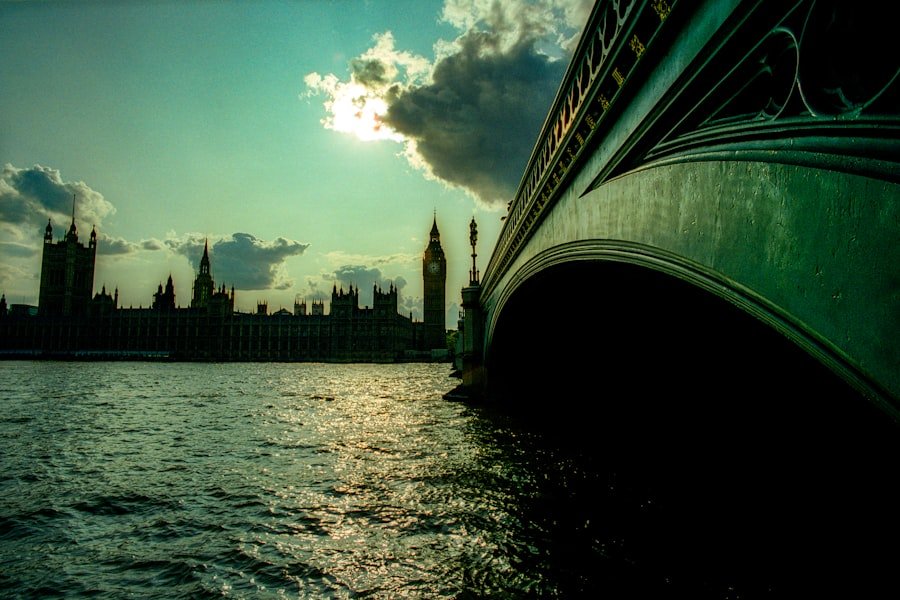
This area is not only rich in culture but also offers stunning views of the city skyline. Continuing the exploration, Day 2 can be dedicated to Westminster, where one can marvel at the Houses of Parliament and the iconic Big Ben. The Gothic architecture of the Parliament buildings is breathtaking, and guided tours provide an opportunity to learn about British politics and history.
Nearby, Westminster Abbey stands as a testament to centuries of British history, having hosted numerous royal ceremonies including coronations and weddings. The Abbey’s intricate stonework and memorials to notable figures such as Isaac Newton and Charles Darwin make it a site of profound historical significance. On Day 3, a visit to Buckingham Palace is essential for any traveler wishing to experience London’s royal heritage.
Witnessing the Changing of the Guard ceremony is a highlight; this colorful display of British pageantry showcases the precision and discipline of the Queen’s Guard. Following this, a leisurely walk through St. James’s Park offers a serene escape from the bustling city streets.
The park’s picturesque landscapes and vibrant flowerbeds provide an ideal backdrop for relaxation before heading to Trafalgar Square. Here, visitors can admire Nelson’s Column and explore the National Gallery, which houses an impressive collection of European paintings.
Day 4-5: Immerse in London’s Culture and History
Days four and five present an opportunity to immerse oneself in London’s rich cultural tapestry. The British Museum is an essential stop for any history enthusiast. Home to millions of artifacts from around the world, including the Rosetta Stone and the Elgin Marbles, this museum offers a comprehensive overview of human history.
Admission is free, allowing visitors to explore its vast collections at their own pace. Guided tours are also available for those seeking deeper insights into specific exhibits. After soaking in the history at the British Museum, one can venture to Covent Garden, an area known for its vibrant atmosphere and street performances.
The Royal Opera House is located here, offering a glimpse into London’s performing arts scene. Whether attending a ballet or opera performance or simply enjoying live music in the square, Covent Garden provides an engaging cultural experience. The nearby London Transport Museum also offers an intriguing look at the evolution of public transport in London, showcasing vintage vehicles and interactive exhibits.
On Day 5, consider visiting the Victoria and Albert Museum in South Kensington. This museum is dedicated to art and design, featuring collections that span over 5,000 years. From fashion to furniture design, visitors can explore how art influences everyday life.
The museum’s café provides a lovely spot for lunch amidst stunning surroundings. Following this cultural immersion, a visit to Kensington Palace allows one to delve into royal history further. The palace has been home to many members of the royal family and offers exhibitions that highlight their lives and contributions.
Day 6-7: Indulge in London’s Culinary Delights
As one delves into Days six and seven in London, culinary exploration becomes paramount. The city boasts an eclectic food scene that reflects its multicultural population. Start with Borough Market on Day 6, one of London’s oldest food markets.
Here, visitors can sample artisanal cheeses, freshly baked bread, and international street food from vendors representing various cultures. The market’s lively atmosphere makes it an ideal spot for breakfast or lunch while indulging in local delicacies. For those seeking a more formal dining experience, London is home to numerous Michelin-starred restaurants that showcase innovative cuisine.
A reservation at The Ledbury or Dinner by Heston Blumenthal promises an unforgettable gastronomic journey through modern British cuisine. These establishments emphasize seasonal ingredients and creative presentations that elevate traditional dishes into extraordinary culinary experiences. On Day 7, consider exploring Camden Market for a different culinary adventure.
Known for its alternative culture and vibrant atmosphere, Camden Market offers an array of food stalls serving everything from vegan dishes to international street food favorites like Ethiopian injera or Vietnamese pho. The market’s eclectic vibe is complemented by live music performances and unique shops selling handmade crafts. In addition to markets, London’s pub culture is an integral part of its culinary landscape.
A traditional pub lunch featuring fish and chips or a hearty pie is a quintessential experience for any visitor. Pubs like The Churchill Arms in Kensington or The Blackfriar near Blackfriars Bridge offer not only delicious food but also a glimpse into British social life.
Day 8-9: Discover London’s Parks and Gardens
Days eight and nine provide an opportunity to explore London’s lush parks and gardens, which offer tranquil escapes from urban life. Hyde Park is one of the largest parks in central London and serves as a perfect starting point for nature lovers. Visitors can enjoy boating on the Serpentine Lake or simply relax on the grass while soaking up the sun.
The park is also home to several monuments and memorials, including the Diana Memorial Fountain and Speakers’ Corner, where public speeches have been made since the 19th century. Kensington Gardens lies adjacent to Hyde Park and features beautiful landscapes designed by renowned landscape architect Capability Brown. The gardens are home to Kensington Palace and the Albert Memorial, making it an ideal spot for leisurely strolls amidst historical significance.
For those interested in botanical beauty, Kew Gardens is a short train ride away from central London. This UNESCO World Heritage Site boasts an extensive collection of plants from around the globe housed within stunning glasshouses. On Day 9, venture to Regent’s Park, known for its meticulously maintained gardens and open-air theatre during summer months.
The park features beautiful rose gardens that bloom vibrantly in late spring and summer, making it a picturesque location for picnics or leisurely walks. Additionally, nearby Primrose Hill offers panoramic views of London’s skyline—a perfect spot for photography enthusiasts or those simply wishing to take in the cityscape. Another hidden gem worth exploring is Hampstead Heath, which provides a more rugged natural experience compared to other parks in London.
With its rolling hills and woodlands, it offers numerous walking trails that lead to stunning viewpoints overlooking the city. The Heath is also home to swimming ponds that attract locals during warmer months.
Day 10-11: Dive into London’s Art and Entertainment Scene
Days ten and eleven are dedicated to experiencing London’s vibrant art and entertainment scene. Begin with a visit to the West End on Day 10, where world-class theatre productions take center stage. Catching a performance of iconic shows like “The Phantom of the Opera” or “The Lion King” provides insight into London’s theatrical heritage while showcasing exceptional talent from around the globe.
In addition to theatre productions, art lovers should not miss visiting renowned galleries such as the Tate Modern or Saatchi Gallery on Day 11. The Tate Modern houses contemporary works from artists like Picasso and Warhol within a former power station along the Thames River—an architectural marvel in itself. Meanwhile, Saatchi Gallery focuses on contemporary art from emerging artists, often featuring thought-provoking exhibitions that challenge conventional perspectives.
For those interested in street art, exploring neighborhoods like Shoreditch reveals vibrant murals created by local artists. Guided street art tours provide context about this dynamic art form while showcasing works by famous artists such as Banksy. As evening falls on Day 11, consider attending live music performances at venues like The O2 Arena or smaller intimate settings such as Ronnie Scott’s Jazz Club in Soho.
These venues host an array of musical genres—from rock concerts to jazz performances—catering to diverse tastes while contributing to London’s reputation as a global music capital.
Day 12-13: Explore London’s Neighborhoods and Markets
Days twelve and thirteen offer an opportunity to explore some of London’s most charming neighborhoods and bustling markets that reflect its diverse character. Start with Notting Hill on Day 12—a picturesque area known for its colorful houses and vibrant Portobello Road Market. This market is famous for antiques but also features food stalls offering international cuisine on weekends.
Wandering through Notting Hill reveals quaint shops selling unique items ranging from vintage clothing to artisanal goods—perfect for those seeking souvenirs with character rather than mass-produced items found elsewhere in tourist hotspots.
The area’s rich history as an immigrant neighborhood adds depth to its cultural offerings; visitors can explore nearby Spitalfields Market for more shopping opportunities amidst historic architecture.
Another neighborhood worth exploring is Southbank—home to cultural institutions like the National Theatre and BFI Southbank along with riverside eateries offering stunning views over the Thames River while enjoying meals outdoors during warmer months.
Day 14: Relax and Unwind in London’s Spas and Wellness Centers
After two weeks filled with exploration and adventure throughout London’s bustling streets, Day fourteen should be dedicated to relaxation at one of its many spas or wellness centers. Many hotels offer luxurious spa services; however, independent establishments like The Spa at Mandarin Oriental provide exceptional treatments ranging from massages to facials using high-quality products designed for rejuvenation. For those seeking holistic wellness experiences beyond traditional spa treatments—consider visiting places like Triyoga or The Life Centre which offer yoga classes tailored for all levels along with meditation sessions aimed at promoting mental well-being amidst busy urban life.
Additionally, indulging in afternoon tea at renowned establishments such as Claridge’s or The Ritz provides not only culinary delight but also an opportunity for relaxation within elegant surroundings—complete with delicate pastries served alongside fine teas.
Practical Tips for Navigating London
Navigating London can be both exciting and overwhelming due to its vastness; however, several practical tips can enhance your experience significantly. First and foremost is understanding public transport options—London Underground (the Tube) remains one of the most efficient ways to traverse the city quickly while avoiding traffic congestion above ground. Purchasing an Oyster card or using contactless payment methods simplifies travel on public transport while offering discounted fares compared to single tickets purchased at stations.
Additionally, familiarizing oneself with key landmarks will aid navigation; utilizing apps like Citymapper can provide real-time directions based on current location while factoring in various modes of transport available nearby. Lastly—don’t hesitate to ask locals for directions or recommendations; Londoners are generally friendly and willing to share their favorite spots off-the-beaten-path that may not be found in guidebooks.
Recommended Day Trips from London
For those wishing to extend their exploration beyond central London during their stay—numerous day trips offer unique experiences just outside city limits worth considering on weekends or free days throughout your itinerary. Windsor Castle stands out as one such destination—located approximately an hour away by train—it serves as one of Queen Elizabeth II’s official residences while boasting stunning architecture steeped in royal history dating back over 1,000 years. Another popular option includes visiting Stonehenge—a UNESCO World Heritage Site known for its mysterious prehistoric stone circle located about two hours from central London—offering insight into ancient civilizations’ beliefs surrounding astronomy.
Lastly—consider venturing south towards Brighton—a vibrant seaside town known for its pebble beach along with quirky shops lining narrow streets filled with cafes serving fresh seafood dishes perfect after enjoying time by the sea!
Making the Most of Your 14 Days in London
With its rich history intertwined with modernity alongside diverse cultural offerings—London presents endless opportunities for exploration over fourteen days filled with iconic landmarks alongside hidden gems waiting patiently beneath bustling streets! From indulging culinary delights found within markets across neighborhoods steeped deep within tradition—to immersing oneself fully within artistic expressions showcased throughout galleries lining every corner—each moment spent here promises unforgettable memories crafted uniquely tailored just for you!
If you’re looking for more travel inspiration, check out this article on Tagline Today featuring a comprehensive guide to the top destinations in Europe. This article will help you plan your next adventure and discover hidden gems in cities like Paris, Rome, and Barcelona. With detailed itineraries and insider tips, you’ll be able to make the most of your European vacation.
FAQs
What is the best time to visit London for a 14-day itinerary?
The best time to visit London for a 14-day itinerary is during the spring (March to May) or the fall (September to November) when the weather is mild and the city is less crowded.
What are some must-see attractions in London for a 14-day itinerary?
Some must-see attractions in London for a 14-day itinerary include the Tower of London, Buckingham Palace, the British Museum, the London Eye, and the West End theater district.
What are some recommended day trips from London for a 14-day itinerary?
Recommended day trips from London for a 14-day itinerary include visiting Windsor Castle, Stonehenge, Oxford, Cambridge, and the charming town of Bath.
What are some popular neighborhoods to explore in London for a 14-day itinerary?
Popular neighborhoods to explore in London for a 14-day itinerary include Notting Hill, Camden Town, Shoreditch, Covent Garden, and South Bank.
What are some recommended dining experiences in London for a 14-day itinerary?
Recommended dining experiences in London for a 14-day itinerary include trying traditional fish and chips, indulging in afternoon tea, exploring the diverse food markets, and dining at Michelin-starred restaurants.
What are some transportation options for getting around London during a 14-day itinerary?
Transportation options for getting around London during a 14-day itinerary include the London Underground (Tube), buses, taxis, walking, and cycling. It is also recommended to purchase an Oyster card for convenient and cost-effective travel.