

January marks the beginning of the year and is often characterized by a distinct chill in the air as London transitions fully into winter. The city, known for its rich history and vibrant culture, experiences a unique weather pattern during this month that can be both enchanting and challenging for residents and visitors alike. With the festive season just behind, January offers a quieter atmosphere, yet the weather plays a significant role in shaping the experiences one can have in this iconic metropolis.
Understanding the nuances of London’s weather in January is essential for anyone planning to explore its streets, parks, and attractions during this time.
London sits in a temperate maritime zone, which means that while it does experience cold temperatures, it is also moderated by the surrounding bodies of water.
This results in a relatively mild winter compared to other regions at similar latitudes. However, January can still be unpredictable, with fluctuations in temperature and weather conditions that can change rapidly. For those who are prepared, the month can offer a unique glimpse into London’s winter charm.
Key Takeaways
- London weather in January is typically cold and damp, with average temperatures ranging from 2°C to 8°C.
- The city experiences an average rainfall of 55mm in January, with around 11 days of precipitation.
- Snowfall in London in January is rare, but when it does occur, it tends to be light and doesn’t usually cause major disruptions.
- Wind and storms can be common in January, with gusts reaching up to 20mph on average.
- Daylight hours in London in January are limited, with the sun setting as early as 4:30pm.
Average Temperature in London in January
In January, the average temperature in London typically hovers around 5 degrees Celsius (41 degrees Fahrenheit). However, this figure can vary significantly depending on specific weather patterns and atmospheric conditions. Daytime temperatures often reach a maximum of about 8 degrees Celsius (46 degrees Fahrenheit), while nighttime lows can dip to around 2 degrees Celsius (36 degrees Fahrenheit).
These averages indicate that while it is cold, it is not the harshest winter climate one might expect in other parts of Europe. The temperature can also be influenced by urban heat effects, where built-up areas retain heat more than rural surroundings. This phenomenon can lead to slightly warmer temperatures in central London compared to its outskirts.
Additionally, there are occasional cold snaps where temperatures may plummet below freezing, particularly during the night. Such fluctuations necessitate a flexible approach to dressing and planning outdoor activities, as one might experience a sunny afternoon followed by a chilly evening.
Typical Rainfall in London in January
January is known for its dampness, with average rainfall measuring around 50 to 60 millimeters (approximately 2 to 2.4 inches) throughout the month. Rainfall is relatively evenly distributed across January, with about 15 to 20 days experiencing some form of precipitation. This means that while it may not rain every day, it is wise to be prepared for wet conditions at any time.
The rain often comes in the form of light showers or drizzles rather than heavy downpours, but it can still contribute to a rather gloomy atmosphere. The persistent drizzle can create a unique ambiance in London, with the city’s historic architecture glistening under a layer of moisture. However, this also means that visitors should carry an umbrella or waterproof jacket when venturing out.
The overcast skies typical of January can sometimes lead to a sense of melancholy, but they also provide an opportunity to appreciate the cozy interiors of London’s many cafes and pubs, where one can escape the chill and enjoy a warm drink.
Snowfall in London in January
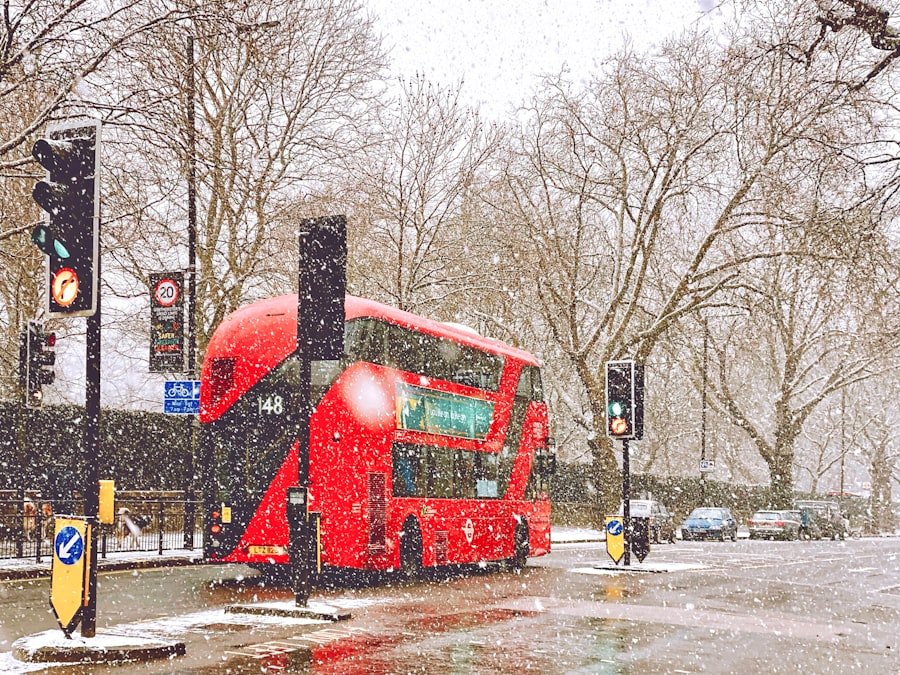
While snowfall is not guaranteed in January, it is certainly possible. Historically, London experiences light snow on average once or twice during the month, although significant accumulations are rare. When snow does fall, it often creates a picturesque scene as the city transforms into a winter wonderland, with iconic landmarks like Buckingham Palace and the Tower of London dusted in white.
However, due to the urban heat island effect and relatively mild temperatures, any snow that does accumulate tends to melt quickly. When snow does occur, it can disrupt transportation and daily life in London. The city is not as equipped to handle snow as some other regions, leading to delays on public transport and potential hazards on the roads.
Nevertheless, for those fortunate enough to witness snowfall in January, it offers a magical experience that contrasts sharply with the usual gray skies. The sight of snowflakes falling gently over the Thames or settling on the branches of trees in Hyde Park can be truly enchanting.
Wind and Storms in London in January
January is also known for its blustery winds and occasional storms that sweep across London. The prevailing westerly winds can bring gusts that make the already chilly temperatures feel even colder. Wind speeds can reach up to 30 miles per hour (48 kilometers per hour) on particularly blustery days, which can create an uncomfortable experience for those unprepared for such conditions.
The combination of cold air and wind chill can lead to temperatures feeling several degrees lower than they actually are. Storms are not uncommon during this month; they can bring heavy rain and strong winds that may lead to travel disruptions and power outages. The impact of these storms can vary from minor inconveniences to more significant challenges for residents and visitors alike.
It is advisable to stay informed about weather forecasts when planning activities during January, as sudden changes can occur without much warning.
Daylight Hours in London in January
Short Days and Limited Exploration Time
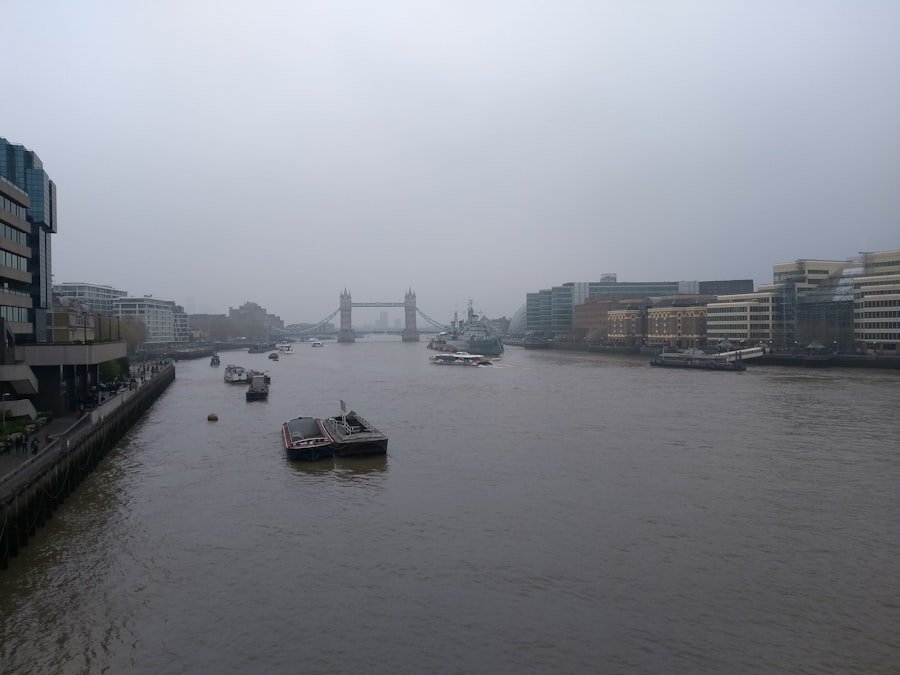
In January, London’s daylight hours are limited, with the sun rising around 8:00 AM and setting as early as 4:00 PM. This means visitors have only about eight hours of daylight to explore the city each day, which can create a sense of urgency for those wishing to see as much as possible during their visit.
Dramatic Lighting Conditions
The low angle of the sun casts long shadows across the cityscape, creating dramatic lighting conditions that photographers often find appealing. Despite the limited daylight, there are still plenty of opportunities to enjoy London’s attractions during these hours.
Extended Hours and Nighttime Delights
Many museums and galleries offer extended hours or late-night openings on certain days, allowing visitors to experience art and culture even after sunset. Additionally, the twinkling lights of the city come alive at night, providing a different perspective on famous landmarks such as the London Eye and Big Ben.
Historical Weather Patterns in London in January
Historically, January has seen a variety of weather patterns that reflect broader climatic trends over the years. For instance, data shows that some years have experienced unusually cold spells with significant snowfall, while others have been milder with little to no snow at all. The variability in weather patterns can be attributed to larger climatic phenomena such as El Niño or La Niña events that influence global weather systems.
In recent years, there has been an observable trend towards milder winters in London, with average temperatures gradually increasing over time. This shift has implications not only for daily life but also for local ecosystems and urban planning. Understanding these historical patterns helps contextualize current weather conditions and provides insight into how climate change may continue to affect London’s winters.
Tips for Dressing for London Weather in January
Dressing appropriately for London’s January weather is crucial for comfort and enjoyment while exploring the city. Layering is key; wearing multiple layers allows individuals to adjust their clothing according to changing temperatures throughout the day. A thermal base layer can provide warmth without bulkiness, while a mid-layer such as a sweater or fleece offers additional insulation.
A waterproof outer layer is essential for protection against rain and wind; a good-quality raincoat or waterproof jacket will serve well. Footwear should not be overlooked; comfortable waterproof shoes or boots are advisable for navigating wet streets and potentially slippery sidewalks. Accessories such as scarves, gloves, and hats can provide extra warmth and protection against biting winds.
It’s also wise to carry an umbrella or packable rain jacket at all times since rain showers can appear unexpectedly.
Activities and Events in London in January
Despite the chilly weather, January offers a range of activities and events that cater to various interests. One notable event is the New Year’s Day Parade, which showcases vibrant floats, marching bands, and performers from around the world through central London’s streets. This festive celebration sets a lively tone for the month ahead.
The London Art Fair typically takes place mid-month, featuring contemporary art from various galleries across the UK and beyond. For those interested in theater, London’s West End continues to offer an array of performances ranging from classic plays to modern musicals.
Furthermore, many restaurants participate in “London Restaurant Festival,” offering special menus at discounted prices during this time.
How London Weather in January Compares to Other Months
When comparing January’s weather to other months in London, it becomes clear that it is one of the coldest periods of the year alongside December and February. However, unlike December’s festive atmosphere or February’s potential for early spring warmth, January often feels more subdued due to its post-holiday lull. The average temperatures are lower than those found in March or April when signs of spring begin to emerge.
Rainfall levels remain relatively consistent throughout winter months; however, January tends to have slightly higher precipitation than February but less than November or December. Snowfall is also more likely in January than later months but remains infrequent overall. Windy conditions are common during this time as well; thus, visitors should be prepared for blustery days that may not be as prevalent later in spring.
What to Expect from London Weather in January
In summary, London’s weather in January presents a unique blend of challenges and opportunities for exploration. With average temperatures hovering around 5 degrees Celsius and frequent rainfall contributing to damp conditions, visitors should come prepared for winter’s chill while embracing all that this vibrant city has to offer during this quieter time of year. From cultural events like parades and art fairs to cozy cafes where one can escape from the cold, there are plenty of ways to enjoy London’s winter charm despite its unpredictable weather patterns.
Understanding what to expect from London’s climate during January allows travelers to plan effectively and make the most out of their visit. Whether it’s layering up for outdoor adventures or seeking refuge indoors at museums or theaters, being equipped with knowledge about local weather conditions will enhance any experience within this historic city during one of its coldest months.
If you’re interested in learning more about London weather in January, you may also want to check out this article on