

The cultivation of strawberries has gained immense popularity among home gardeners and commercial growers alike, primarily due to the fruit’s delightful flavor and versatility in culinary applications. As urban gardening becomes more prevalent, innovative methods of growing strawberries have emerged, with grow bags standing out as a particularly effective solution. These fabric or plastic containers offer a unique approach to growing strawberries, allowing for efficient use of space, improved drainage, and enhanced root health.
The concept of using grow bags is not merely a trend; it represents a shift towards more sustainable and manageable gardening practices that cater to the needs of modern horticulturists. Grow bags are designed to provide an optimal environment for plant growth, particularly in limited spaces such as balconies, patios, or small gardens. They come in various sizes and materials, making them adaptable to different growing conditions and preferences.
The porous nature of grow bags allows for excellent aeration and drainage, which is crucial for strawberries that are prone to root rot if overwatered. Furthermore, the ability to control soil quality and temperature within these bags can lead to healthier plants and more abundant yields. As we delve deeper into the advantages and practicalities of using grow bags for strawberry cultivation, it becomes clear that this method is not only efficient but also aligns with sustainable gardening practices.
Key Takeaways
- Grow bags are a popular choice for cultivating strawberries due to their portability and space-saving benefits.
- Advantages of using grow bags for growing strawberries include better drainage, prevention of soil-borne diseases, and ease of maintenance.
- When choosing the right size and material for grow bags, consider the number of plants, available space, and the durability of the material.
- Preparing grow bags for planting strawberries involves filling them with a suitable growing medium, adding fertilizer, and creating drainage holes.
- Selecting the ideal strawberry varieties for grow bags depends on factors such as climate, available space, and personal preferences.
Advantages of Using Grow Bags for Growing Strawberries
One of the primary advantages of using grow bags for strawberry cultivation is their ability to facilitate better drainage compared to traditional pots or garden beds. Strawberries thrive in well-drained soil, and excess moisture can lead to root diseases such as Phytophthora. Grow bags, especially those made from breathable materials like fabric, allow excess water to escape while still retaining enough moisture for the plants.
This balance is essential for promoting healthy root development and preventing waterlogged conditions that can be detrimental to strawberry plants. Another significant benefit of grow bags is their portability. Unlike fixed garden beds, grow bags can be easily moved to optimize sunlight exposure or protect plants from harsh weather conditions.
Additionally, grow bags can be placed on patios, decks, or even indoors, making them an excellent choice for urban gardeners with limited outdoor space. The ability to relocate plants also allows growers to take advantage of seasonal changes, ensuring that strawberries receive the best possible growing conditions throughout the year.
Choosing the Right Size and Material for Grow Bags
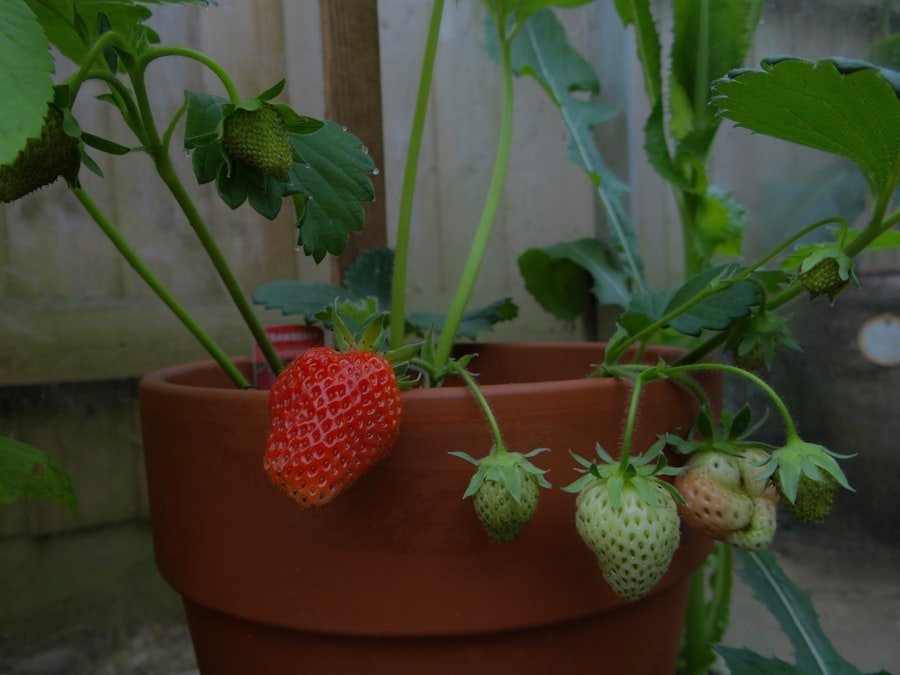
Selecting the appropriate size and material for grow bags is crucial for successful strawberry cultivation. Generally, a grow bag with a capacity of 5 to 10 gallons is ideal for strawberry plants, as this size provides enough space for root expansion while still being manageable for handling and watering. Smaller bags may restrict root growth and lead to stunted plants, while excessively large bags can make it challenging to maintain consistent moisture levels.
When choosing the size, consider the number of plants you wish to grow; typically, one strawberry plant per gallon of soil is a good rule of thumb. The material of the grow bag also plays a significant role in plant health. Fabric grow bags are popular due to their breathability, which promotes air circulation around the roots and helps prevent overheating.
They also allow for better moisture regulation, as they wick excess water away from the soil while retaining enough moisture for the plants. On the other hand, plastic grow bags are often more affordable and durable but may not provide the same level of aeration. When selecting materials, consider factors such as climate, budget, and personal preferences regarding aesthetics and sustainability.
Preparing the Grow Bags for Planting Strawberries
| Step | Task | Time | Materials |
|---|---|---|---|
| 1 | Choose grow bags | 5 minutes | Grow bags |
| 2 | Fill grow bags with soil | 15 minutes per bag | Soil mix |
| 3 | Plant strawberry seedlings | 10 minutes per bag | Strawberry seedlings |
| 4 | Water the grow bags | 5 minutes per bag | Watering can |
Before planting strawberries in grow bags, proper preparation is essential to ensure optimal growing conditions. Start by selecting a high-quality potting mix that is specifically formulated for container gardening. A well-draining mix that contains components like peat moss, perlite, and compost will provide the necessary nutrients while allowing for adequate drainage.
Avoid using garden soil directly in grow bags, as it can become compacted and hinder root growth. Once you have your potting mix ready, fill the grow bags about three-quarters full, leaving enough space at the top for watering without overflow. It’s beneficial to mix in slow-release fertilizers or organic amendments at this stage to provide a nutrient-rich environment for your strawberry plants.
Additionally, consider adding a layer of mulch on top of the soil after planting; this helps retain moisture and suppresses weeds that could compete with your strawberries for nutrients.
Selecting the Ideal Strawberry Varieties for Grow Bags
When it comes to choosing strawberry varieties suitable for grow bags, several factors should be considered, including growth habit, climate adaptability, and fruiting season. Everbearing varieties such as ‘Albion’ or ‘Seascape’ are excellent choices for container gardening because they produce fruit continuously throughout the growing season rather than in a single flush. This characteristic allows gardeners to enjoy fresh strawberries over an extended period.
Another option is day-neutral varieties like ‘Tribute’ or ‘Mara des Bois,’ which can produce fruit regardless of day length. These varieties are particularly well-suited for regions with fluctuating daylight hours or where traditional June-bearing strawberries may not thrive. Additionally, consider dwarf or compact varieties that are specifically bred for container gardening; these plants typically have smaller root systems and are easier to manage in limited spaces.
Planting and Caring for Strawberries in Grow Bags
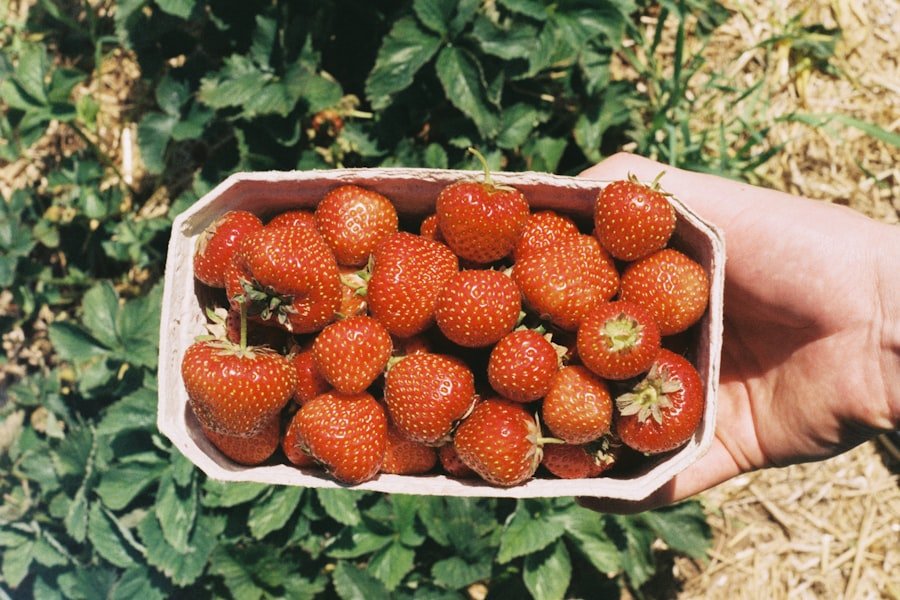
Planting strawberries in grow bags requires careful attention to spacing and depth to ensure healthy growth. When placing seedlings or bare-root plants into the grow bag, make sure that the crown—the point where the roots meet the stem—is level with the soil surface. Planting too deep can lead to rot, while planting too shallow may expose roots to air and stress the plant.
Space each plant about 12 to 18 inches apart to allow adequate airflow and room for growth. After planting, it’s essential to monitor your strawberries closely during their initial establishment phase. Regularly check for signs of wilting or stress, which may indicate inadequate watering or nutrient deficiencies.
Providing support structures such as trellises or cages can also help keep the plants upright and improve air circulation around the foliage. As strawberries begin to flower and set fruit, ensure that they receive sufficient light and nutrients to support their development.
Watering and Fertilizing Strawberries in Grow Bags
Watering strawberries in grow bags requires a balanced approach to prevent both under- and over-watering. The porous nature of most grow bag materials allows for quick drainage; therefore, it’s crucial to check soil moisture regularly. A good practice is to insert your finger into the soil up to an inch deep; if it feels dry at that depth, it’s time to water.
During hot weather or when plants are actively growing and fruiting, strawberries may require daily watering to maintain consistent moisture levels. Fertilization is another critical aspect of caring for strawberries in grow bags. A balanced fertilizer with equal parts nitrogen, phosphorus, and potassium (N-P-K) can be applied every four to six weeks during the growing season.
Organic options such as fish emulsion or compost tea can also provide essential nutrients without risking chemical buildup in the soil. Be cautious not to over-fertilize; excessive nitrogen can lead to lush foliage at the expense of fruit production.
Protecting Strawberries in Grow Bags from Pests and Diseases
Strawberries are susceptible to various pests and diseases that can significantly impact yield if not managed properly. Common pests include aphids, spider mites, and slugs; these can be particularly problematic in container gardens where plants are more vulnerable due to limited space and resources. Implementing preventive measures such as using insect netting or row covers can help protect your strawberries from these pests while still allowing sunlight and rain to reach them.
In addition to pest management, disease prevention is crucial when growing strawberries in grow bags. Fungal diseases like powdery mildew or gray mold can thrive in humid conditions; therefore, ensuring good air circulation around your plants is vital. Regularly inspect your plants for any signs of disease or distress and remove affected leaves promptly to prevent spread.
Additionally, practicing crop rotation by changing the location of your grow bags each season can help reduce disease pressure over time.
Pruning and Training Strawberries in Grow Bags
Pruning strawberries is an essential practice that promotes healthy growth and maximizes fruit production. For everbearing and day-neutral varieties grown in grow bags, it’s advisable to remove any runners—long stems that develop new plants—unless you wish to propagate them. By focusing energy on fruit production rather than runner development, you can enhance overall yields from your existing plants.
Training strawberries in grow bags can also improve air circulation and light exposure. Using stakes or trellises allows you to keep plants upright and organized within their confined space. This method not only helps prevent diseases associated with overcrowding but also makes harvesting easier by keeping fruits off the ground where they might rot or attract pests.
Harvesting and Maintaining Strawberries in Grow Bags
Harvesting strawberries at the right time is crucial for enjoying their peak flavor and sweetness. Strawberries should be picked when they are fully colored—typically bright red—and slightly firm but not hard. Gently twist or cut the stem above the berry rather than pulling it off; this helps prevent damage to both the fruit and the plant itself.
Regular harvesting encourages further fruit production; therefore, check your plants every few days during peak season. Post-harvest maintenance is equally important for sustaining plant health throughout the growing season. After harvesting, continue watering and fertilizing your strawberry plants as needed while monitoring them for any signs of stress or disease.
If you notice any declining foliage or reduced fruit production towards the end of the season, consider applying a balanced fertilizer or organic compost to rejuvenate your plants before winter dormancy.
Tips for Reusing and Recycling Grow Bags for Future Strawberry Cultivation
One of the most appealing aspects of using grow bags is their potential for reuse in subsequent growing seasons. After harvesting your strawberries, clean your grow bags thoroughly by rinsing them with water and allowing them to dry completely before storing them away. This practice helps prevent disease transmission between crops while extending the life of your gardening supplies.
When preparing your grow bags for future strawberry cultivation or other crops, consider refreshing the soil mix by replacing a portion of it with fresh potting mix or compost. This replenishes nutrients that may have been depleted during previous plantings while maintaining beneficial microbial activity within the soil ecosystem. By following these practices, you can create a sustainable cycle of growth that maximizes both productivity and environmental responsibility in your gardening endeavors.
In conclusion, utilizing grow bags for strawberry cultivation offers numerous benefits ranging from improved drainage and portability to enhanced control over growing conditions. By carefully selecting appropriate sizes and materials, preparing your bags properly, choosing suitable varieties, and implementing effective care practices throughout the growing season, you can enjoy bountiful harvests of delicious strawberries while contributing positively to sustainable gardening practices.
FAQs
What is a grow bag for strawberries?
A grow bag for strawberries is a container made of durable, breathable fabric that is specifically designed for growing strawberries. It provides a suitable environment for the plants to thrive, allowing for proper drainage and aeration.
How does a grow bag benefit strawberry plants?
Grow bags provide excellent drainage and aeration for strawberry plants, which is essential for their growth and development. The fabric material also helps to regulate the temperature of the soil, preventing it from becoming too hot or too cold.
What are the advantages of using a grow bag for strawberries?
Some advantages of using a grow bag for strawberries include portability, space-saving, and the prevention of root circling. Grow bags can be easily moved around, making them ideal for small spaces or urban gardening. They also prevent the roots from circling within the container, promoting healthier root development.
How do you use a grow bag for strawberries?
To use a grow bag for strawberries, fill it with a suitable potting mix, plant the strawberry seedlings or runners, and water them regularly. Place the grow bag in a sunny location and ensure proper drainage. As the plants grow, provide support for the vines and continue to water and fertilize as needed.
Can a grow bag be reused for growing strawberries?
Yes, grow bags can be reused for growing strawberries in subsequent seasons. After harvesting the strawberries, empty the grow bag, clean it, and store it in a dry place. When the next growing season arrives, refill the grow bag with fresh potting mix and plant new strawberry seedlings or runners.