

Peanuts, often mistaken for nuts, are actually legumes that belong to the family Fabaceae. They are a popular snack food, used in various culinary applications, and are rich in protein, healthy fats, and essential nutrients. However, like many food items, peanuts require proper storage to maintain their freshness and prevent spoilage.
The way peanuts are stored can significantly impact their flavor, texture, and nutritional value. Understanding the best practices for storing peanuts is essential for anyone who enjoys this versatile legume, whether for snacking, cooking, or baking. The storage of peanuts is not merely a matter of convenience; it is a crucial aspect of food preservation.
Improper storage can lead to rancidity, loss of flavor, and even the growth of mold or harmful bacteria. Given their popularity and the various forms in which they are available—raw, roasted, salted, or unsalted—knowing how to store peanuts effectively can help ensure that they remain a delicious and nutritious option for an extended period. This article will explore the importance of proper storage methods and delve into various container options that can help keep peanuts fresh.
Key Takeaways
- Storing peanuts properly is essential for maintaining their freshness and flavor.
- Air-tight containers are the best option for storing peanuts, as they help prevent moisture and air from affecting the nuts.
- Glass jars are a reliable choice for keeping peanuts fresh, as they provide a clear view of the contents and are easy to clean.
- Plastic containers have both pros and cons for storing peanuts, as they are lightweight and durable but may not provide the best protection against moisture and air.
- Vacuum-sealed bags are an effective method for preserving peanut freshness, as they remove air and create a tight seal to prevent spoilage.
The Importance of Proper Storage
Proper storage of peanuts is vital for several reasons. First and foremost, peanuts are susceptible to oxidation due to their high oil content. When exposed to air, the oils in peanuts can become rancid, leading to an unpleasant taste and odor.
This process can occur relatively quickly if peanuts are not stored in an appropriate environment. Additionally, peanuts can absorb moisture from the air, which can lead to mold growth and spoilage. Therefore, understanding the factors that contribute to peanut freshness is essential for anyone looking to enjoy them over time.
Moreover, the nutritional quality of peanuts can degrade if they are not stored correctly. Vitamins and antioxidants present in peanuts can diminish when exposed to light and heat. For instance, vitamin E, which is abundant in peanuts, is sensitive to these environmental factors.
By employing proper storage techniques, one can not only prolong the shelf life of peanuts but also retain their nutritional benefits. This makes it imperative for consumers to be aware of the best practices for storing peanuts effectively.
Air-Tight Containers: The Best Option for Storing Peanuts
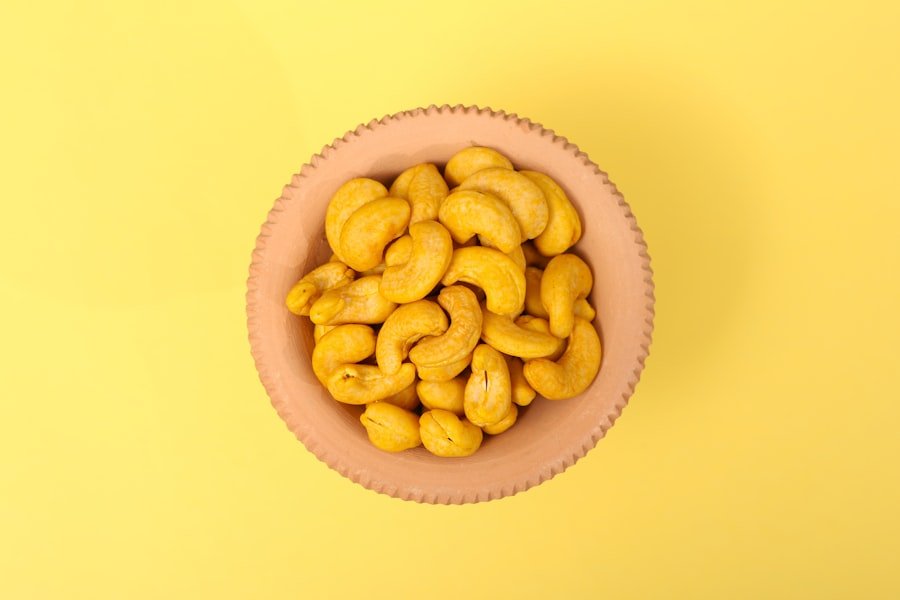
When it comes to storing peanuts, air-tight containers are often regarded as the gold standard. These containers create a sealed environment that minimizes exposure to air and moisture, two primary culprits in the degradation of food quality. By using air-tight containers, you can significantly extend the shelf life of your peanuts while preserving their flavor and texture.
These containers come in various materials such as glass, plastic, and metal, each offering unique advantages. One of the key benefits of air-tight containers is their ability to prevent oxidation. When peanuts are sealed away from air, the risk of rancidity is greatly reduced.
Additionally, these containers help maintain a consistent humidity level inside, which is crucial for preventing mold growth.
Glass Jars: A Reliable Choice for Keeping Peanuts Fresh
| Benefits of Glass Jars for Keeping Peanuts Fresh | Details |
|---|---|
| Material | Glass |
| Airtight Seal | Yes |
| Preservation | Keeps peanuts fresh for longer |
| Transparency | Allows visibility of contents |
| Reusable | Yes |
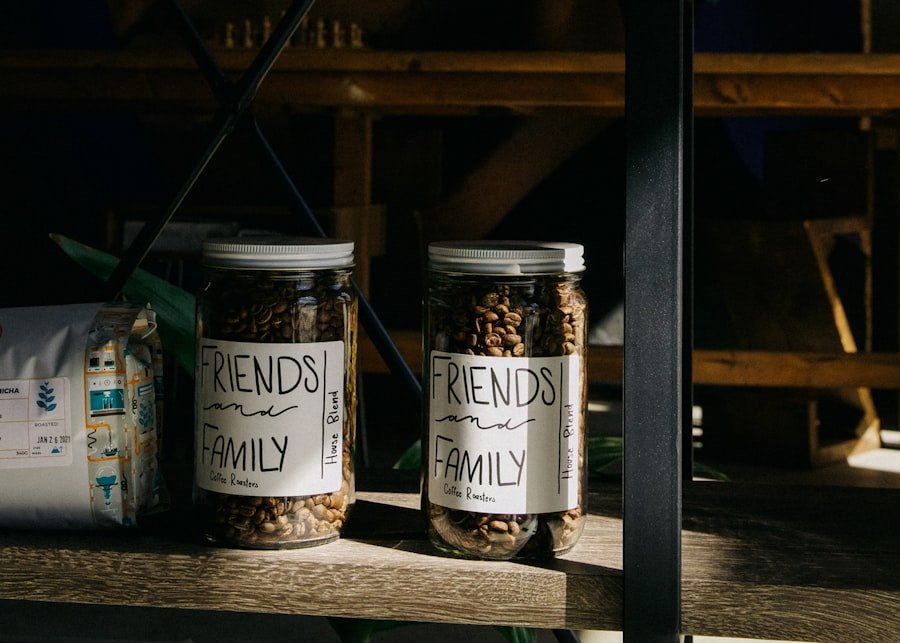
Glass jars are a popular choice for storing peanuts due to their durability and non-reactive nature. Unlike some plastic containers that may leach chemicals into food over time, glass jars provide a safe environment for storing peanuts without altering their taste or quality. Furthermore, glass jars are completely impermeable to air and moisture when sealed properly with a lid, making them an excellent option for maintaining freshness.
Another advantage of glass jars is their visibility; you can easily see the contents without having to open them. This feature allows you to monitor the condition of your peanuts at a glance. Additionally, glass jars come in various sizes, making it easy to choose one that fits your storage needs—whether you have a small amount of peanuts or a larger supply.
However, it’s essential to store glass jars in a cool, dark place away from direct sunlight to prevent any potential degradation of the contents.
Plastic Containers: Pros and Cons for Storing Peanuts
Plastic containers offer a lightweight and often more affordable option for storing peanuts compared to glass jars. They come in various shapes and sizes and can be found with air-tight seals that help keep out moisture and air.
However, there are some drawbacks to consider when using plastic containers for peanut storage. Over time, certain types of plastic may degrade or leach chemicals into food products, especially if exposed to heat or sunlight. Additionally, not all plastic containers provide an effective seal against air and moisture; therefore, it’s crucial to choose high-quality options designed specifically for food storage.
While plastic containers can be convenient and practical, careful selection is necessary to ensure they do not compromise the quality of your stored peanuts.
Vacuum-Sealed Bags: An Effective Method for Preserving Peanut Freshness
Vacuum-sealed bags represent another innovative method for storing peanuts effectively. This technique involves removing air from the bag before sealing it tightly, which significantly reduces oxidation and helps preserve the freshness of the peanuts inside. Vacuum sealing is particularly beneficial for those who buy large quantities of peanuts or wish to store them for extended periods.
One of the primary advantages of vacuum-sealed bags is their ability to prevent freezer burn when storing peanuts in the freezer. This method allows you to keep your peanuts fresh for months without compromising their flavor or texture. Additionally, vacuum-sealed bags take up less space than rigid containers, making them an excellent option for those with limited storage space.
However, it’s essential to ensure that the vacuum-sealing process is done correctly; any residual air left in the bag can lead to spoilage over time.
Metal Tins: A Traditional Option for Storing Peanuts
Metal tins have long been a traditional choice for storing various food items, including peanuts. These containers offer several benefits that make them suitable for preserving peanut freshness. Metal tins are generally durable and provide an excellent barrier against light and moisture when sealed properly.
This characteristic helps protect the contents from environmental factors that could lead to spoilage. Moreover, metal tins often come with tight-fitting lids that create an air-tight seal, further enhancing their effectiveness as storage options. They are also reusable and can be easily cleaned after use.
However, it’s important to note that metal tins should be stored in a cool place away from direct sunlight to prevent any potential heat buildup that could affect the quality of the peanuts inside. While metal tins may not be as popular as some modern storage solutions, they remain a reliable option for those who appreciate traditional methods.
Moisture-Proof Containers: Preventing Spoilage in Peanuts
Moisture-proof containers play a crucial role in preventing spoilage in stored peanuts. Since peanuts are highly susceptible to mold growth when exposed to humidity, using containers specifically designed to keep moisture out is essential for maintaining their quality over time. These containers often feature specialized seals or materials that create an effective barrier against moisture infiltration.
In addition to preventing mold growth, moisture-proof containers also help maintain the crunchy texture of roasted peanuts by keeping them dry. When selecting moisture-proof containers for peanut storage, it’s important to consider factors such as size and material compatibility with food products. Containers made from high-quality plastics or glass with silicone seals are often effective choices for keeping moisture at bay while ensuring that your peanuts remain fresh and delicious.
The Role of Temperature in Preserving Peanut Freshness
Temperature plays a significant role in preserving the freshness of stored peanuts. Ideally, peanuts should be kept in a cool environment away from direct sunlight and heat sources. High temperatures can accelerate the oxidation process and lead to rancidity more quickly than cooler conditions would allow.
For those who live in warmer climates or during hot summer months, it may be beneficial to store peanuts in a refrigerator or even a freezer if long-term storage is desired. When storing peanuts at room temperature, it’s essential to choose a location that remains consistently cool and dry. Avoid areas near ovens or stoves where heat may fluctuate frequently.
If you opt for refrigeration or freezing as storage methods, ensure that your chosen container is suitable for these conditions; vacuum-sealed bags or moisture-proof containers work well in these scenarios as they help maintain quality while preventing freezer burn or condensation buildup.
Tips for Extending the Shelf Life of Stored Peanuts
To maximize the shelf life of stored peanuts, several practical tips can be employed alongside choosing the right container. First and foremost, always check the expiration date on packaged peanuts before purchasing them; fresher products will naturally last longer when stored correctly. Additionally, consider buying raw or unsalted varieties if you plan on storing them for an extended period since added salt can draw moisture into the container.
Another effective strategy is portioning out your peanuts into smaller servings before storing them in air-tight containers or vacuum-sealed bags. This approach minimizes exposure each time you open a container while allowing you to enjoy fresh portions without compromising the entire batch’s quality. Lastly, regularly inspect your stored peanuts for any signs of spoilage such as off odors or discoloration; catching these issues early can help prevent further deterioration.
Choosing the Best Container for Storing Peanuts
Selecting the right container for storing peanuts is crucial for maintaining their freshness and quality over time. Whether you opt for glass jars, plastic containers, vacuum-sealed bags, metal tins, or moisture-proof options depends on your specific needs and preferences. Each type of container has its advantages and disadvantages; understanding these factors will help you make an informed decision that aligns with your storage goals.
Ultimately, proper storage techniques combined with suitable containers will ensure that your peanuts remain delicious and nutritious for as long as possible. By taking these steps seriously—considering factors such as air exposure, moisture levels, temperature control—you can enjoy your favorite legume without worrying about spoilage or loss of flavor.
FAQs
What are the benefits of growing peanuts in containers?
Growing peanuts in containers allows for better control of soil conditions, easier pest management, and the ability to move the plants to optimal sunlight. It also makes it possible to grow peanuts in areas with limited space or poor soil quality.
What type of containers are suitable for growing peanuts?
Peanuts can be grown in various types of containers, including large pots, barrels, or even grow bags. The key is to ensure that the container is at least 18 inches deep to accommodate the peanut plant’s deep taproot.
What kind of soil is best for growing peanuts in containers?
Peanuts thrive in well-draining, sandy loam soil with a pH level between 5.8 and 6.2. A mix of potting soil and sand can be used to create the ideal growing medium for peanuts in containers.
How often should peanuts in containers be watered?
Peanuts require consistent moisture, especially during the flowering and pod development stages. Containers should be watered whenever the top inch of soil feels dry, typically every 2-3 days. It’s important to avoid overwatering, as this can lead to rot and other issues.
Can peanuts in containers be grown indoors?
Peanuts can be grown indoors in containers as long as they receive at least 6-8 hours of direct sunlight per day. It’s important to choose a well-lit location, such as a south-facing window, and provide adequate air circulation for the plants.
How long does it take for peanuts in containers to mature?
Peanuts typically take 120-150 days to reach maturity, depending on the variety and growing conditions. The plants will flower and then develop pods, which should be ready for harvest once the leaves begin to yellow and the pods are mature.