

The growing barrel concept has gained traction among home gardeners and urban farmers alike, primarily due to its space-saving benefits and ease of management. This method involves using a barrel or similar container to cultivate plants, particularly potatoes, which thrive in this vertical gardening approach. The barrel provides a controlled environment that can be tailored to the specific needs of the plants, allowing for better drainage, aeration, and soil management.
This method is particularly advantageous for those with limited garden space or poor soil conditions, as it allows for the cultivation of crops in a more manageable and efficient manner. Moreover, growing potatoes in barrels can lead to higher yields compared to traditional in-ground planting. The vertical growth encourages the development of more tubers, as the plants can utilize the entire volume of the barrel for root expansion.
Additionally, the contained environment helps to minimize weed competition and can reduce the risk of soil-borne diseases. By understanding the principles behind the growing barrel concept, gardeners can leverage this innovative technique to maximize their potato harvests while enjoying the aesthetic appeal of a well-maintained container garden.
Key Takeaways
- The growing barrel concept allows for efficient and space-saving potato cultivation
- Choose the right type of potato for your barrel based on your preferences and the growing conditions
- Prepare the barrel for planting by ensuring proper drainage and adding a layer of soil
- Select an ideal growing medium such as a mix of soil, compost, and perlite for optimal potato growth
- Plant and care for your potato seedlings by providing adequate water, nutrients, and sunlight
Choosing the Right Type of Potato for Your Barrel
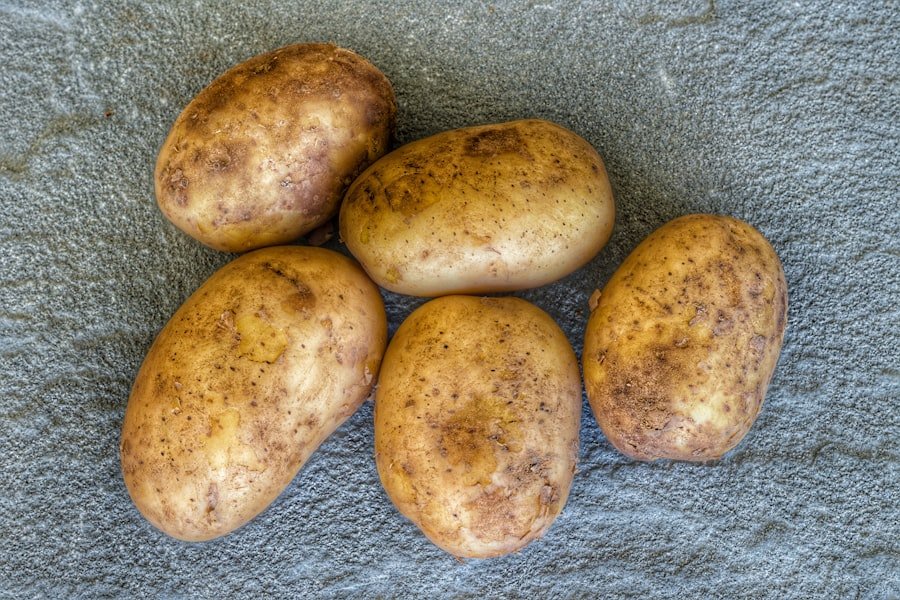
Selecting the appropriate variety of potato is crucial for successful barrel cultivation. There are numerous types of potatoes, each with unique characteristics that can influence growth and yield. For barrel gardening, early or mid-season varieties are often recommended, as they tend to mature faster and can be harvested before the onset of adverse weather conditions.
Varieties such as ‘Yukon Gold,’ ‘Red Pontiac,’ and ‘Fingerling’ potatoes are popular choices due to their adaptability and robust growth patterns in confined spaces. In addition to maturity rates, gardeners should consider the size and growth habit of the potato variety. Smaller potatoes or those that produce compact plants are ideal for barrel gardening, as they require less space and can thrive in the limited soil volume of a barrel.
Furthermore, disease resistance is an essential factor; choosing certified seed potatoes that are free from common diseases like blight or scab will help ensure a healthy crop. By carefully selecting the right type of potato, gardeners can set themselves up for a successful growing season in their barrels.
Preparing the Barrel for Planting
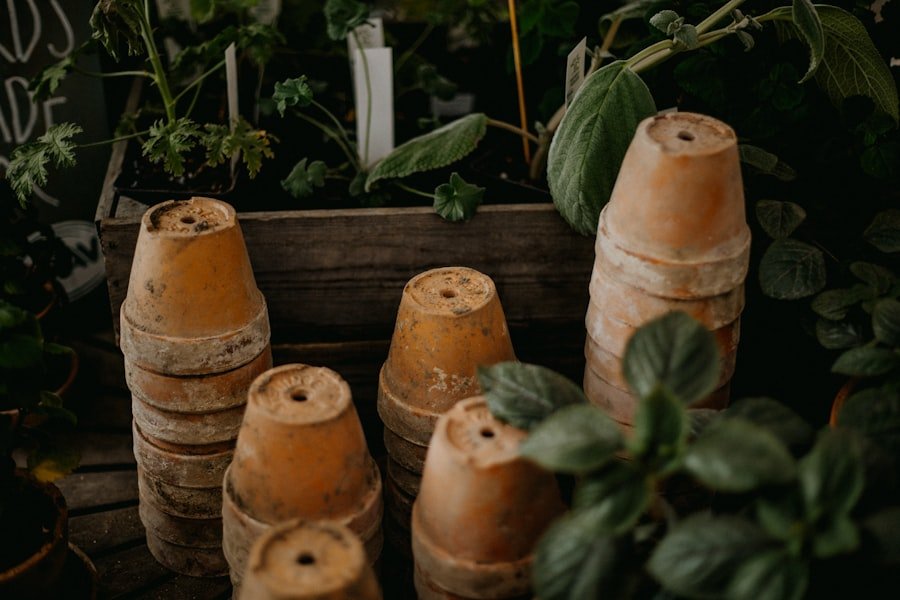
Before planting potatoes in a barrel, proper preparation is essential to create an optimal growing environment. First, it is important to choose a suitable barrel; wooden or food-grade plastic barrels are ideal options. If using a wooden barrel, ensure it is untreated to avoid chemical leaching into the soil.
If using plastic, make sure it is free from harmful additives. The size of the barrel should also be considered; a 50-gallon barrel is typically sufficient for growing several potato plants. Once the barrel is selected, it must be cleaned thoroughly to remove any residues or contaminants from previous uses.
Drilling drainage holes at the bottom is crucial to prevent waterlogging, which can lead to root rot and other issues. After ensuring proper drainage, adding a layer of gravel or small stones at the bottom can further enhance drainage while providing stability for the soil above. Following this, a mixture of compost and potting soil should be added to fill the barrel to about one-third full.
This mixture will provide essential nutrients and a well-aerated environment for the potato roots to thrive.
Selecting the Ideal Growing Medium for Your Potatoes
| Growing Medium | Pros | Cons |
|---|---|---|
| Loamy Soil | Good drainage, retains moisture, rich in nutrients | May compact over time |
| Sandy Soil | Excellent drainage, warms up quickly | Requires frequent watering, low in nutrients |
| Clay Soil | Rich in nutrients, retains moisture well | Poor drainage, may become waterlogged |
| Potting Mix | Lightweight, sterile, good drainage | May require frequent fertilization |
The choice of growing medium plays a pivotal role in the success of potato cultivation in barrels. A well-balanced mix that retains moisture while allowing for adequate drainage is essential for healthy root development. A combination of high-quality potting soil, compost, and perlite or vermiculite is often recommended.
The potting soil provides a nutrient-rich base, while compost adds organic matter that enhances soil structure and fertility. Perlite or vermiculite improves aeration and drainage, preventing compaction that could hinder root growth. In addition to these components, incorporating slow-release fertilizers into the growing medium can provide essential nutrients throughout the growing season.
Organic fertilizers such as bone meal or fish emulsion can be beneficial, as they release nutrients gradually and support healthy plant growth without the risk of chemical buildup. It is also advisable to test the pH level of the growing medium; potatoes prefer slightly acidic conditions with a pH between 5.5 and 6.5. Adjusting the pH with lime or sulfur as needed will help create an optimal environment for your potato plants.
Planting and Caring for Your Potato Seedlings
Once the barrel is prepared with an appropriate growing medium, it’s time to plant your potato seedlings. Begin by chitting your seed potatoes—this involves allowing them to sprout before planting. Place them in a cool, light area for several weeks until they develop small shoots.
When ready to plant, cut larger seed potatoes into pieces, ensuring each piece has at least one eye. This practice encourages multiple plants from a single seed potato. Planting should occur when soil temperatures reach around 45°F (7°C) or higher.
Place the seed potatoes about 4-6 inches deep in the prepared barrel and cover them with soil. As they begin to grow, it’s important to monitor their progress closely. Regularly check for signs of growth and adjust watering as necessary.
As potato plants develop foliage, they will require additional soil to cover their stems—a process known as “hilling.” This not only supports the plant but also encourages more tuber formation along the buried stems.
Providing Adequate Watering and Nutrients
Watering is a critical aspect of potato cultivation in barrels, as container-grown plants can dry out more quickly than those planted in traditional gardens. It is essential to maintain consistent moisture levels without overwatering, which can lead to root rot. A general rule of thumb is to water deeply once or twice a week, depending on weather conditions and soil moisture levels.
Checking the top inch of soil can help determine when watering is necessary; if it feels dry to the touch, it’s time to water. In addition to water, providing adequate nutrients throughout the growing season is vital for healthy potato development. As mentioned earlier, incorporating slow-release fertilizers into the growing medium at planting time will support initial growth.
However, as plants mature, they may require additional feeding. Liquid fertilizers high in potassium and phosphorus can be applied every few weeks during active growth periods to promote tuber development and overall plant health. Monitoring plant health through leaf color and growth patterns will help guide nutrient application.
Protecting Your Potato Plants from Pests and Diseases
Pest management is an integral part of successful potato cultivation in barrels. Common pests such as aphids, Colorado potato beetles, and wireworms can pose significant threats to your plants if not managed effectively. Regularly inspecting your plants for signs of infestation is crucial; early detection allows for prompt action before pests cause extensive damage.
Handpicking larger pests like beetles can be effective in small-scale operations, while insecticidal soaps or neem oil can be used as organic treatments for softer-bodied insects. Diseases such as blight and scab are also concerns when growing potatoes in barrels. To minimize disease risk, practice crop rotation by not planting potatoes in the same location year after year.
Additionally, ensuring good air circulation around your plants by not overcrowding them will help reduce humidity levels that favor disease development. If disease symptoms appear—such as yellowing leaves or dark spots—removing affected foliage promptly can help prevent further spread.
Monitoring and Adjusting for Sunlight and Temperature
Potatoes thrive best in full sun conditions, requiring at least six hours of direct sunlight daily for optimal growth.
Potatoes prefer cooler temperatures between 60°F (15°C) and 70°F (21°C).
If temperatures rise significantly above this range during summer months, providing some shade during peak heat hours can help protect your plants from heat stress. Monitoring temperature and sunlight exposure is particularly important during critical growth stages such as flowering and tuber formation. If you notice signs of heat stress—such as wilting leaves or stunted growth—consider relocating your barrels or using shade cloths to mitigate excessive heat exposure.
Conversely, if your plants are not receiving enough sunlight, you may need to reposition them or prune back surrounding vegetation that may be casting shadows.
Pruning and Training Your Potato Plants for Maximum Yield
While potatoes are generally low-maintenance crops, some pruning techniques can enhance yield potential when grown in barrels. As potato plants grow taller, they may benefit from staking or training methods that provide support and encourage upright growth. This practice not only helps prevent breakage but also allows better air circulation around the foliage, reducing disease risk.
Additionally, removing lower leaves as they yellow can redirect energy toward tuber development rather than maintaining unnecessary foliage. This practice also helps improve airflow around the base of the plant and reduces moisture retention on leaves that could lead to fungal issues. Regularly inspecting your plants for overcrowding or excessive foliage will allow you to make timely pruning decisions that promote healthy growth and maximize yield potential.
Harvesting and Storing Your Potatoes
Harvesting potatoes grown in barrels requires careful timing and technique to ensure optimal quality and storage potential. Generally, potatoes are ready for harvest when their foliage begins to yellow and die back—this indicates that tubers have reached maturity. For early varieties, this may occur approximately 70-90 days after planting; mid-season varieties may take longer depending on specific growth conditions.
To harvest, gently remove soil from around the base of the plant using your hands or a garden fork—be cautious not to damage any tubers during this process. Once harvested, allow potatoes to cure in a cool, dark place for several days; this helps toughen their skins and prolongs storage life. After curing, store your potatoes in a cool (around 40°F/4°C), dark location with good ventilation—avoid storing them near onions or apples, as these can cause sprouting.
Troubleshooting Common Issues and Challenges in Growing Potatoes in a Barrel
Despite careful planning and execution, challenges may arise when growing potatoes in barrels that require troubleshooting skills from gardeners. One common issue is poor tuber formation; this may result from inadequate watering or nutrient deficiencies during critical growth stages. If you notice small or misshapen tubers upon harvest, reassess your watering schedule and nutrient application practices throughout the growing season.
If you encounter persistent pest problems despite initial interventions, consider introducing beneficial insects like ladybugs or lacewings that prey on common pests without harming your plants. In conclusion, while growing potatoes in barrels presents unique challenges compared to traditional gardening methods, understanding best practices—from selecting appropriate varieties to managing pests—can lead to successful harvests even in limited spaces.
FAQs
What is a potato growing barrel?
A potato growing barrel is a container specifically designed for growing potatoes. It allows for easy planting, maintenance, and harvesting of potatoes in a small space.
How does a potato growing barrel work?
A potato growing barrel works by providing a contained environment for potatoes to grow. The barrel is filled with soil and the potato seeds are planted inside. As the potatoes grow, more soil is added to the barrel to cover the growing plants. This encourages the potatoes to produce more tubers, resulting in a higher yield.
What are the benefits of using a potato growing barrel?
Using a potato growing barrel allows for efficient use of space, making it ideal for small gardens or urban environments. It also makes it easier to control the soil conditions and water levels, leading to healthier potato plants and a higher yield.
What are the steps to grow potatoes in a barrel?
To grow potatoes in a barrel, start by filling the bottom of the barrel with a few inches of soil. Place the potato seeds on top of the soil and cover them with more soil. As the plants grow, continue adding soil to cover the stems, leaving a few inches of the plant exposed. Water the plants regularly and harvest the potatoes when the plants start to die back.
What types of potatoes are best for growing in a barrel?
Any type of potato can be grown in a barrel, but smaller or mid-sized varieties tend to work best. Some popular choices include Yukon Gold, Red Pontiac, and Fingerling potatoes.
Can a potato growing barrel be used for other plants?
While potato growing barrels are specifically designed for potatoes, they can also be used to grow other root vegetables such as carrots, beets, or onions. However, the barrel may need to be modified to accommodate the specific needs of these plants.