

Growing potatoes in a barrel is an innovative and space-efficient method that has gained popularity among gardeners, especially those with limited outdoor space. This technique not only maximizes yield but also simplifies the harvesting process, making it an attractive option for both novice and experienced gardeners. The concept revolves around utilizing vertical space, allowing for a more manageable gardening experience while still producing a bountiful crop.
By employing a barrel, gardeners can create an ideal microenvironment for potatoes, which thrive in loose, well-drained soil. The appeal of barrel gardening extends beyond mere convenience; it also offers a unique opportunity to experiment with different potato varieties and growing techniques. The controlled environment of a barrel can help mitigate some common challenges associated with traditional in-ground planting, such as soil compaction and pest infestations.
As we delve deeper into the specifics of this method, it becomes clear that growing potatoes in a barrel is not only practical but also an engaging way to connect with the gardening process.
Key Takeaways
- Growing potatoes in a barrel is a space-saving and convenient way to grow your own potatoes at home.
- When selecting a barrel for growing potatoes, choose a large, sturdy container with good drainage and enough depth for the potatoes to grow.
- Before planting, prepare the barrel by drilling drainage holes, adding a layer of gravel, and filling it with a mix of soil and compost.
- Choose potato varieties that are suitable for container growing, such as fingerling or new potatoes, and avoid large, long-season varieties.
- When planting potatoes in the barrel, place seed potatoes in the soil mix and cover with more soil, leaving a few inches of space at the top for watering.
- Care for barrel-grown potatoes by providing adequate sunlight, monitoring soil moisture, and hilling up the soil around the plants as they grow.
- Water and fertilize barrel-grown potatoes regularly, ensuring that the soil remains consistently moist and providing a balanced fertilizer as needed.
- Keep an eye out for pests and diseases such as potato beetles and blight, and take preventive measures such as using row covers and practicing crop rotation.
- Harvest potatoes from the barrel when the plants have died back, carefully digging them out to avoid damaging the tubers.
- Store harvested potatoes in a cool, dark place with good ventilation to prolong their shelf life, and avoid storing them near onions or apples to prevent spoilage.
- Follow these tips for success with barrel-grown potatoes, and enjoy a bountiful harvest of homegrown spuds.
Selecting the Right Barrel for Potatoes
When it comes to selecting the right barrel for growing potatoes, several factors must be considered to ensure optimal growth conditions. First and foremost, the size of the barrel plays a crucial role. A standard 55-gallon plastic or wooden barrel is often recommended, as it provides ample space for the potatoes to develop their root systems.
However, smaller barrels can also be effective if they are deep enough to accommodate the growth of the tubers. The depth of the barrel is particularly important because potatoes require sufficient room for their roots to spread out and for the tubers to form. In addition to size, the material of the barrel is another critical consideration.
Plastic barrels are lightweight and easy to move, making them a popular choice among urban gardeners. They also tend to retain moisture better than wooden barrels, which can be beneficial in warmer climates. On the other hand, wooden barrels offer a rustic aesthetic and can provide better insulation for the soil, helping to maintain a stable temperature.
Regardless of the material chosen, it is essential to ensure that the barrel has adequate drainage holes at the bottom to prevent waterlogging, which can lead to root rot and other issues.
Preparing the Barrel for Planting
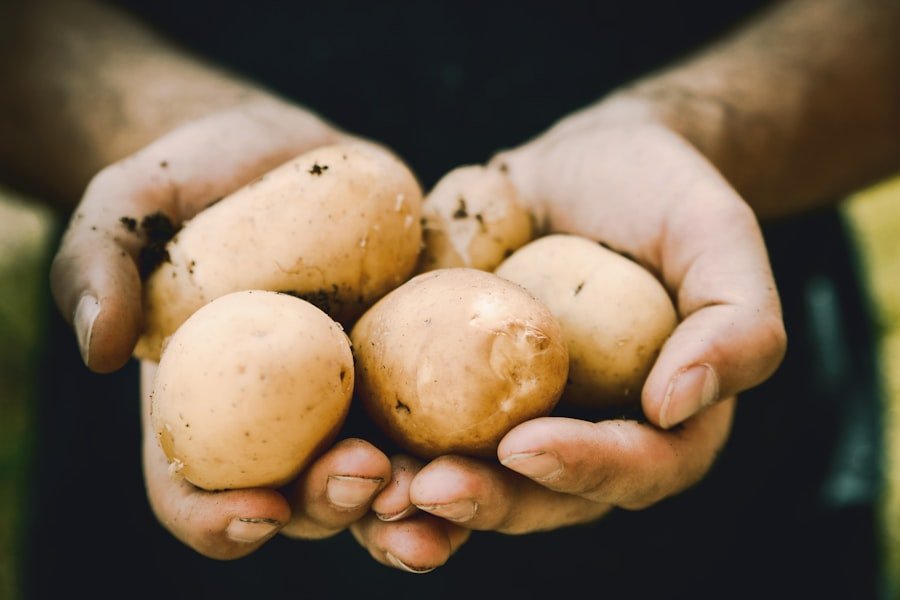
Preparing the barrel for planting is a vital step that sets the foundation for healthy potato growth. Before adding soil, it is advisable to clean the barrel thoroughly to remove any residues or contaminants that could affect plant health. If using a previously used barrel, especially one that contained chemicals or non-food items, it is crucial to ensure that it is safe for growing edible crops.
A simple wash with soap and water followed by a rinse should suffice for most barrels. Once the barrel is clean, the next step involves creating a suitable soil mix. Potatoes thrive in loose, well-draining soil that is rich in organic matter.
A recommended mixture includes equal parts of compost, peat moss, and garden soil. This combination not only provides essential nutrients but also promotes aeration and drainage, which are critical for healthy root development. After filling the barrel with the soil mix, it is beneficial to add a layer of mulch on top to help retain moisture and suppress weeds.
Choosing the Right Potato Varieties for Barrel Growing
| Potato Variety | Yield (lbs) | Growth Habit | Maturity (days) |
|---|---|---|---|
| Russet Burbank | 10-15 | Indeterminate | 90-120 |
| Yukon Gold | 8-12 | Determinate | 80-100 |
| Red Pontiac | 10-14 | Indeterminate | 90-110 |
Selecting the right potato varieties is essential for maximizing yield and ensuring a successful harvest from your barrel garden. There are numerous potato varieties available, each with its unique characteristics, flavors, and growth habits. For barrel gardening, it is often best to choose early or mid-season varieties that mature quickly and can be harvested within a few months.
Varieties such as ‘Red Pontiac,’ ‘Yukon Gold,’ and ‘Fingerling’ potatoes are excellent choices due to their adaptability and relatively short growing seasons. In addition to maturity rates, gardeners should consider disease resistance when selecting potato varieties. Some varieties are more susceptible to common potato diseases such as blight or scab, which can significantly impact yield.
For instance, ‘Kennebec’ potatoes are known for their resistance to late blight, making them a reliable option for gardeners concerned about disease pressure. Furthermore, experimenting with heirloom varieties can add diversity to your garden while also providing unique flavors and textures that are often absent in commercial varieties.
Planting Potatoes in the Barrel
Planting potatoes in a barrel requires careful attention to spacing and depth to ensure optimal growth conditions. Once you have selected your potato varieties and prepared your barrel, it’s time to plant. Begin by placing seed potatoes—whole or cut into pieces with at least one eye each—about 4-6 inches deep into the soil mix.
If using larger seed potatoes, cutting them into smaller pieces can encourage multiple tuber formation; however, allow them to dry for a day or two before planting to prevent rot. Spacing is another critical factor when planting potatoes in a barrel. Ideally, seed potatoes should be spaced about 12 inches apart to allow sufficient room for tuber development.
As the plants grow, they will require hilling—adding more soil around the base of the plants—to encourage additional tuber formation and prevent greening from exposure to sunlight. This process can be done gradually as the plants reach about 6-8 inches in height, ensuring that you leave some foliage exposed for photosynthesis.
Caring for Potatoes in the Barrel
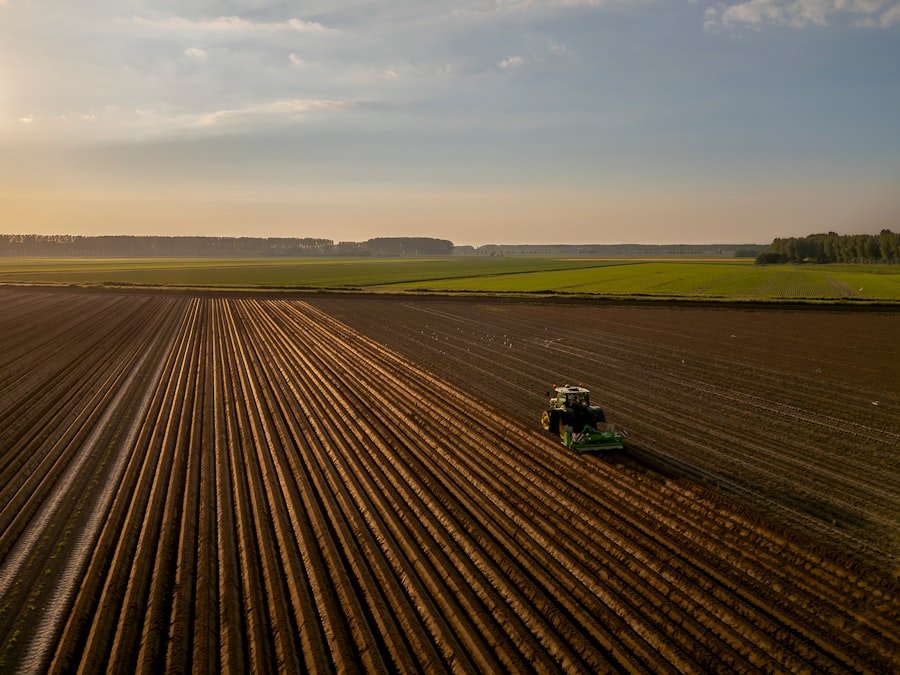
Caring for potatoes grown in a barrel involves regular monitoring of their growth conditions and addressing any issues that may arise throughout the growing season. One of the primary aspects of care is ensuring that the plants receive adequate sunlight. Potatoes thrive in full sun, so placing your barrel in a location that receives at least six hours of direct sunlight each day is essential for robust growth.
In addition to sunlight, maintaining proper airflow around the plants is crucial for preventing fungal diseases and promoting healthy growth. This can be achieved by avoiding overcrowding and ensuring that there is enough space between plants within the barrel. Regularly inspecting your potato plants for signs of stress or disease will allow you to address any issues promptly before they escalate into more significant problems.
Watering and Fertilizing Potatoes in the Barrel
Watering is one of the most critical aspects of caring for potatoes in a barrel garden. Potatoes require consistent moisture throughout their growing season; however, overwatering can lead to root rot and other complications. A general rule of thumb is to water deeply once or twice a week, depending on weather conditions and soil moisture levels.
The goal is to keep the soil consistently moist but not soggy. Fertilizing is equally important for promoting healthy growth and maximizing yield. A balanced fertilizer with equal parts nitrogen, phosphorus, and potassium can be applied at planting time and again when hilling up soil around the plants.
Organic options such as compost tea or fish emulsion can also provide essential nutrients without risking chemical buildup in the soil. Monitoring plant health will help determine if additional fertilization is necessary; yellowing leaves may indicate nutrient deficiencies that need addressing.
Dealing with Pests and Diseases in Barrel-Grown Potatoes
Pest management is an integral part of growing potatoes in a barrel garden. Common pests such as aphids, Colorado potato beetles, and wireworms can pose significant threats to potato plants if left unchecked. Regularly inspecting your plants for signs of infestation will allow you to take action before pests cause substantial damage.
Handpicking larger pests like beetles can be effective; alternatively, introducing beneficial insects such as ladybugs can help control aphid populations naturally. Diseases can also affect barrel-grown potatoes; therefore, maintaining good cultural practices is essential for prevention. Crop rotation is one effective strategy; avoid planting potatoes in the same location year after year to reduce disease buildup in the soil.
If disease symptoms do appear, promptly removing affected plants can help limit spread.
Harvesting Potatoes from the Barrel
Harvesting potatoes from a barrel garden is one of the most rewarding aspects of this method. The timing of harvest depends on the variety planted; early varieties may be ready as soon as 70 days after planting, while late-season varieties may take up to 120 days or more. Signs that potatoes are ready for harvest include yellowing leaves and wilting stems; these indicate that the plants have finished their growth cycle.
To harvest potatoes from a barrel, simply tip it over or carefully remove it from its standing position while supporting the sides to prevent damage to the tubers inside. Gently sift through the soil with your hands or a small garden fork to collect the potatoes without bruising them. This method allows you to easily access all tubers without digging through compacted soil as you would in traditional gardening methods.
Storing Potatoes for Long-Term Use
Once harvested, proper storage techniques are essential for preserving your potato crop throughout winter months or until you are ready to use them. Begin by allowing freshly harvested potatoes to cure in a cool, dark place with good ventilation for about two weeks; this helps toughen their skins and prolongs shelf life. After curing, store them in a cool (ideally between 35°F and 40°F), dark location such as a basement or root cellar.
Avoid washing potatoes before storage; excess moisture can promote rot during storage periods. Instead, brush off any excess dirt gently without damaging their skins. It’s also important to check stored potatoes regularly for signs of sprouting or decay; removing affected tubers promptly will help prevent spoilage from spreading to healthy ones.
Tips for Success with Barrel-Grown Potatoes
To ensure success when growing potatoes in barrels, consider implementing several best practices that enhance both yield and plant health. First, always choose high-quality seed potatoes from reputable sources; this reduces risks associated with disease transmission and ensures robust growth potential from the start. Additionally, keep detailed records of your planting dates, watering schedules, fertilization routines, and any pest or disease issues encountered throughout the season; this information will prove invaluable for future gardening endeavors as you refine your techniques based on past experiences.
Lastly, don’t hesitate to experiment with different potato varieties or growing methods within your barrels; gardening is as much about learning as it is about producing food! Embrace challenges along the way while celebrating successes—each season offers new opportunities for growth both literally and figuratively!
FAQs
What is a potato barrel?
A potato barrel is a container specifically designed for growing potatoes. It allows for efficient use of space and makes it easier to harvest the potatoes.
How do you grow potatoes in a barrel?
To grow potatoes in a barrel, start by filling the bottom of the barrel with a few inches of soil. Place the seed potatoes on top of the soil and cover them with more soil. As the potatoes grow, continue to add more soil to the barrel. Water the potatoes regularly and ensure they receive adequate sunlight.
What are the benefits of growing potatoes in a barrel?
Growing potatoes in a barrel allows for better control over the soil and growing conditions. It also saves space and makes it easier to harvest the potatoes when they are ready.
What type of barrel is best for growing potatoes?
A 20-30 gallon barrel with drainage holes at the bottom is ideal for growing potatoes. It should also have a removable top or side for easy access to the potatoes.
When is the best time to plant potatoes in a barrel?
Potatoes can be planted in a barrel in early spring, once the soil has warmed up and there is no longer a risk of frost. This is typically around March or April, depending on the climate.