

Swiss baking is known for careful methods and high-quality ingredients. From small village bakeries to busy shops in Zurich and Basel, fresh bread and pastries are part of daily life.
Many classic recipes are handed down over time. Bakers often rely on Swiss flour, butter, milk, honey, nuts, and warm spices. Three favorites—Zopf, Basler Läckerli, and Biberli—show how Switzerland turns simple staples into memorable treats.
Key takeaways
- Swiss baking focuses on technique, timing, and consistent results.
- Zopf (also called Butterzopf) is a rich braided bread often served on weekends, especially Sundays.
- Basler Läckerli are firm, spiced honey biscuits from Basel, usually glazed and cut into rectangles.
- Biberli are small honey-and-spice pastries filled with almond paste, linked to Appenzell traditions.
- Good dairy, honey, nuts, and balanced spices drive the signature Swiss flavor.
Zopf: the classic Swiss braided bread
Zopf—literally “braid”—is one of Switzerland’s best-known breads. It’s also called Züpfe (Bern), Tresse (French-speaking Switzerland), or Treccia (Italian-speaking Switzerland). The loaf is braided, brushed with egg, and baked until golden.
Zopf is made with flour, milk, butter, yeast, and egg. That enriched dough gives a soft crumb and a tender bite. Many households eat it on weekend mornings with butter and jam. It also works well for sandwiches.
Basler Läckerli: Basel’s spiced honey biscuit
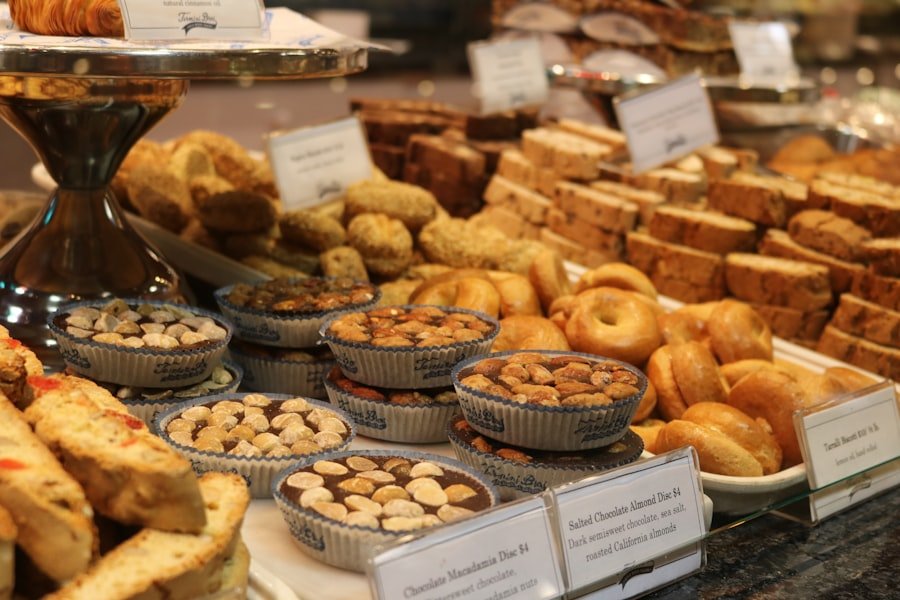
Basler Läckerli are firm spice biscuits from Basel. Classic recipes combine honey and sugar with flour, almonds (often hazelnuts too), candied citrus peel, Kirsch (kirschwasser), and spices like cinnamon, cloves, and nutmeg. The dough is baked in a thin sheet, topped with sugar glaze, and cut into small rectangles.
In Basel, Läckerli were already popular in the 18th century. Production grew in the first half of the 19th century as more producers appeared in the region. Today, Basler Läckerli are still a year-round specialty and a common gift for visitors.
Biberli: a honey-and-almond pastry from Appenzell
| Aspect | Details |
|---|---|
| Origin | Appenzell region, Switzerland |
| Main ingredients | Honey dough, almond paste (or other nut filling), warm spices |
| Flavor | Honey-sweet, nutty, lightly spiced |
| Texture | Soft honey cake with a dense filling; often embossed |
| Popular in | Bakeries, cafés, and traditional inns across Switzerland |
Biberli are small versions of Appenzeller “Biber.” In standard German, Biber means “beaver,” and the Swiss diminutive -li is often used for “small.” In Swiss baking history, though, the pastry name’s origin is debated and is sometimes linked to older words for spice breads. Biberli are made with spiced honey dough and are often filled with almond paste. Many are pressed with a design.
Some sources link Appenzeller Biber baking to the 16th century. Other sources note that the filled and molded style common today is documented from the 19th century. Either way, Biberli are now enjoyed well beyond Appenzell. They’re a classic sweet snack with coffee or tea.
What makes Swiss baked goods unique?
A few themes show up again and again: quality flour, rich dairy, and balanced sweetness and spice. Butter and milk soften breads like Zopf. Honey, nuts, and spice add depth in Läckerli and Biberli. Many bakers also use local flour and regional dairy for reliable texture and flavor.
Where to find authentic Swiss bakery delights
In Switzerland, Zopf is easy to find, especially on weekends. In Basel, specialty shops and confectioners sell Basler Läckerli year-round, often boxed for gifting. In Appenzell and nearby towns, you’ll see Biber and Biberli in local bakeries and cafés.
How to enjoy them like a local
Zopf: Eat it fresh with butter and jam for breakfast or brunch. Leftovers make great toast.
Basler Läckerli: Have one or two as an afternoon bite. They travel well and keep for a while in a sealed tin.
Biberli: Pair with coffee or tea. In winter, they also suit warm spiced drinks.
The perfect drink pairings
Zopf goes well with coffee, black tea, or hot chocolate. Basler Läckerli match espresso or black tea, which balance the honey and spice. If you drink alcohol, a small glass of Kirsch can echo the cherry notes used in many Läckerli recipes. Biberli are cozy with herbal tea or mulled wine in colder months.
Bringing the taste of Switzerland home
To bake these at home, start with the basics. For Zopf, make an enriched dough and braid it well. For Läckerli, bake the spiced honey dough in a thin sheet, glaze it, then cut it. For Biberli, wrap spiced honey dough around almond paste and bake until set.
Other Swiss treats to explore
Many visitors also seek out Engadine nut tart (Engadiner Nusstorte), a caramelized walnut tart from Graubünden. Switzerland is also famous for chocolate and for rösti (a crisp potato dish). Together, they round out a very Swiss breakfast or coffee table.
FAQs
What are the most popular Swiss bakery items to try?
Well-known classics include Zopf (braided bread), Basler Läckerli (spiced honey biscuits), Biberli (filled honey-and-almond pastries), and Engadine nut tart (Engadiner Nusstorte).
Is Zopf sweet?
Zopf is rich because it contains milk and butter, but it’s usually only mildly sweet (or even unsweetened). People eat it with jam, cheese, or as sandwich bread.
What gives Basler Läckerli their flavor?
Honey, candied citrus peel, nuts, Kirsch (kirschwasser), and a warm spice mix—often cinnamon, cloves, and nutmeg—create the signature taste.
What is inside a Biberli?
Biberli are usually filled with almond paste (sometimes other nut fillings) and wrapped in lightly spiced honey dough.
Are these treats seasonal?
They’re sold year-round in Switzerland, though spice-heavy items like Läckerli and Biberli are especially common in autumn and winter.