

Northern California is characterized by a diverse climate that varies significantly from coastal regions to inland valleys and mountainous areas. The coastal areas experience a Mediterranean climate, marked by mild, wet winters and dry summers. This climate is conducive to potato growing in Northern California, which thrives in well-drained soils and moderate temperatures.
The coastal fog can also provide a natural irrigation effect, helping to maintain moisture levels in the soil during the dry summer months (USGS, 2017).
The microclimates within Northern California can greatly influence the success of potato farming.
For instance, areas with higher elevations may have shorter growing seasons due to cooler temperatures, while lower elevations can support longer growing periods. Understanding these climatic nuances is essential for farmers and gardeners alike, as they dictate not only the types of potatoes that can be grown but also the timing of planting and harvesting. Additionally, factors such as rainfall patterns and soil moisture levels play a critical role in determining the health and yield of potato crops.
Farmers must be attuned to these environmental conditions to optimize their planting strategies and ensure robust growth.
Key Takeaways
- Northern California has a Mediterranean climate with mild, wet winters and hot, dry summers, making it suitable for growing potatoes.
- Choose potato varieties such as Yukon Gold, Red Pontiac, and Russet Burbank that are well-suited for the climate and soil in Northern California.
- Prepare the soil by adding organic matter, such as compost, and ensuring good drainage to create optimal growing conditions for potatoes.
- The best time for planting potatoes in Northern California is in late winter to early spring, when the soil temperature reaches about 45–50°F (UC IPM, updated 2025; UC ANR Solano, 2023).
- Care for potato plants during the growing season by providing consistent moisture, hilling up the soil around the plants, and protecting them from pests and diseases (UC IPM, 2025).
Choosing the Right Potato Varieties for Northern California
Early Varieties
Early varieties, such as ‘Yukon Gold’ and ‘Red Norland,’ are particularly well-suited for areas with shorter growing seasons, as they mature quickly and can be harvested within 70 to 90 days after planting. These varieties are known for their excellent flavor and versatility in cooking, making them popular choices among home gardeners and commercial growers alike.
Mid-Season Varieties
Mid-season varieties like ‘Russet Burbank’ and ‘Kennebec’ are also viable options for Northern California. These potatoes typically require around 90 to 110 days to reach maturity and are favored for their high yield potential and storage capabilities. Russet Burbank, in particular, is renowned for its starchy texture, making it ideal for baking and frying.
Late-Season Varieties and Maximizing Production
Late-season varieties such as ‘Purple Majesty’ or ‘All Blue’ can be planted in regions with longer growing seasons, offering unique colors and flavors that appeal to niche markets. By carefully selecting the right varieties based on local climate conditions and market demand, growers can maximize their potato production.
Preparing the Soil for Planting Potatoes
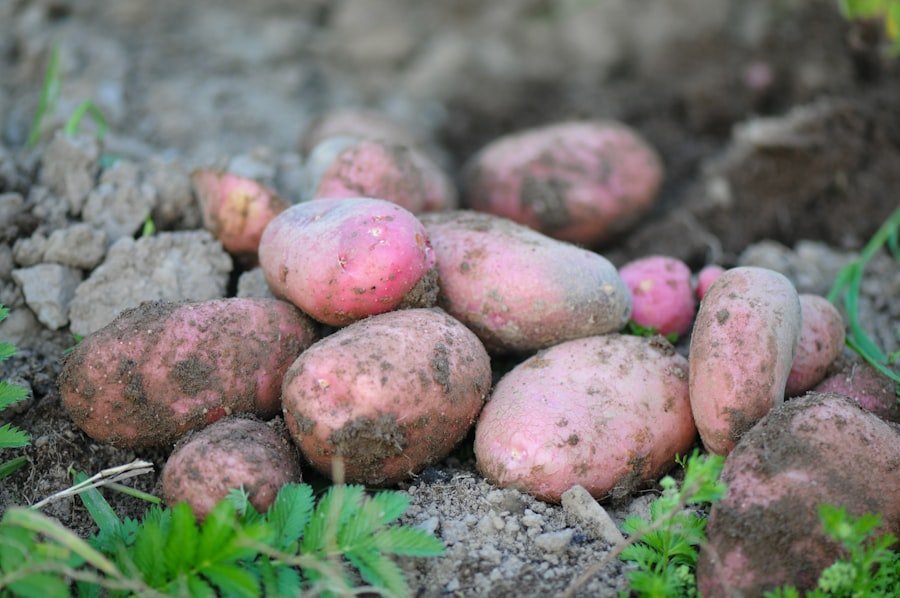
Soil preparation is a fundamental step in ensuring a successful potato crop. Potatoes thrive in loose, well-drained soil with a pH level between 5.2 and 6.0; if common scab is an issue, keeping pH around 5.2–5.5 helps suppress it (UC ANR Small Farms, accessed 2025-10-20; UC IPM Common Scab, accessed 2025-10-20). Before planting, it is advisable to conduct a soil test to determine nutrient levels and pH balance.
Based on the results, amendments such as compost or well-rotted manure can be added to enhance soil fertility. Incorporating organic matter not only improves nutrient availability but also enhances soil structure, promoting better drainage and root development. Tilling the soil to a depth of at least 12 inches is essential for creating an optimal growing environment for potatoes.
This process aerates the soil and breaks up compacted layers that could hinder root growth. Additionally, creating raised beds can further improve drainage and facilitate warmer soil temperatures, which are beneficial for early planting. It is also important to remove any rocks or debris from the planting area, as these can impede tuber development.
By investing time in thorough soil preparation, growers set the stage for healthy potato plants that can produce abundant yields.
Best Timing for Planting Potatoes in Northern California
| Month | Temperature (°F) | Rainfall (inches) |
|---|---|---|
| February | 50-60 | 3-4 |
| March | 55-65 | 2-3 |
| April | 60-70 | 1-2 |
Note: Weather varies widely by microclimate; check local last frost dates and soil temperatures before planting (Plantmaps CA Frost Map, updated 2025).
Timing is critical when it comes to planting potatoes in Northern California. The general rule of thumb is to plant potatoes after the last frost date in spring when soil temperatures reach around 45°F (7°C) (UC IPM, 2025; UC ANR Solano, 2023).
Regional windows (UC IPM): Interior valleys (e.g., Sacramento & San Joaquin): February–March with an additional planting in August for a fall harvest; North & North Coast (Monterey County north): February and April–May (UC IPM, updated 2025).
By carefully monitoring soil temperatures and frost forecasts, growers can optimize their planting schedule to ensure healthy growth and maximize yields throughout the growing season.
Caring for Potato Plants During the Growing Season
Once potato plants are established, ongoing care is essential to promote healthy growth and prevent disease. Regular watering is crucial, especially during dry spells; potatoes require consistent moisture to develop properly. Provide light, frequent watering at least once a week via drip or furrow irrigation, keeping soil moisture uniform (UC IPM, 2025).
Fertilization is another important aspect of potato care. Applying a balanced fertilizer at planting time can provide essential nutrients for initial growth.
As plants begin to flower, a side-dressing of nitrogen-rich fertilizer can support tuber development. Additionally, monitoring for pests such as aphids or Colorado potato beetles is vital; these pests can cause significant damage if left unchecked (note: Colorado potato beetle is a regulated/quarantined pest in California—consult CDFA guidance before management) (CDFA, 2022). Integrated pest management strategies, including crop rotation and introducing beneficial insects, can help mitigate pest issues while minimizing chemical use.
Harvesting Potatoes in Northern California
Harvesting potatoes at the right time is crucial for achieving optimal flavor and texture. Generally, potatoes are ready for harvest when the plants begin to yellow and die back, which typically occurs 70 to 120 days after planting depending on the variety. For early varieties, this may happen sooner than for late-season types.
Growers should carefully monitor their crops during this period; harvesting too early can result in small tubers that lack flavor, while waiting too long may lead to overripe potatoes that are more susceptible to disease. When harvesting, it is important to use care to avoid damaging the tubers. Using a spading fork or shovel, growers should gently lift the plants from the ground rather than pulling them up by the stems.
After harvesting, it is advisable to allow the tubers to cure in a cool, dark place for several days; this process helps heal any minor wounds and improves storage longevity.
Storing Potatoes After Harvest
Proper storage techniques are essential for maintaining the quality of harvested potatoes throughout the months following harvest. Potatoes should be stored in a cool (ideally between 45°F and 50°F), dark environment with good ventilation to prevent sprouting and decay (MSU Extension, 2015). A root cellar or a well-ventilated basement can serve as an ideal storage location.
It is crucial to keep potatoes away from direct sunlight as exposure can lead to greening and solanine production, which is toxic if consumed in large quantities. Before storing potatoes, it is advisable to sort through them carefully, discarding any that show signs of rot or damage. Storing healthy tubers together helps prevent spoilage from spreading among them.
Additionally, it’s important not to wash potatoes before storage; excess moisture can promote mold growth and decay. Instead, brushing off any dirt gently will suffice. By following these storage guidelines, growers can enjoy their homegrown potatoes well into the winter months.
Tips for Success in Growing Potatoes in Northern California
To achieve success in growing potatoes in Northern California, several best practices should be followed throughout the cultivation process. First and foremost is selecting disease-resistant varieties that are well-suited to local conditions; this reduces the risk of crop failure due to pests or diseases common in the region. Additionally, practicing crop rotation by alternating potato planting with other crops each year helps break pest cycles and maintain soil health.
Regular monitoring of plant health is also vital; keeping an eye out for signs of nutrient deficiencies or pest infestations allows for timely intervention before problems escalate. Utilizing mulch around potato plants can help retain soil moisture while suppressing weeds that compete for nutrients and water. Finally, engaging with local agricultural extension services or gardening clubs can provide valuable insights into best practices tailored specifically for Northern California’s unique growing conditions.
By understanding the climate nuances of Northern California and implementing effective cultivation strategies—from selecting appropriate varieties to ensuring proper care during growth—growers can enjoy bountiful harvests of delicious potatoes year after year.
FAQs
What is the best time to plant potatoes in Northern California?
The best time to plant potatoes in Northern California is typically late winter to early spring once soil is ~45°F. Interior valleys: February–March (plus August for a fall crop). North & North Coast: February and April–May (UC IPM, updated 2025).
What are the ideal growing conditions for potatoes in Northern California?
Potatoes thrive in well-drained, loose, and fertile soil with a slightly acidic pH (about 5.2–6.0; 5.2–5.5 to suppress scab) and require full sun and regular, uniform moisture (UC IPM, accessed 2025-10-20; UC ANR Small Farms, accessed 2025-10-20).
How deep should potatoes be planted in Northern California?
Plant seed pieces about 3 inches deep (UC IPM, 2025).
What are some popular potato varieties that grow well in Northern California?
Popular potato varieties that grow well in Northern California include Yukon Gold, Russet, and Red Pontiac (UC ANR Marin MG, accessed 2025-10-20).
When can I harvest potatoes in Northern California?
Potatoes can typically be harvested in Northern California about 70–120 days after planting, depending on the variety and growing conditions.