

The purple potato flower, a striking and vibrant bloom, is often overlooked in the realm of ornamental gardening. This flower, which emerges from the Solanum tuberosum plant, is not only visually appealing but also serves as a precursor to the edible tubers that lie beneath the soil. The flowers themselves are typically star-shaped and can range in color from pale lavender to deep violet, often featuring a yellow center that adds a touch of brightness.
These blooms are not just a feast for the eyes; they also play a crucial role in the plant’s reproductive cycle, attracting pollinators such as bees and butterflies, which are essential for the fertilization process. In addition to their aesthetic appeal, purple potato flowers are indicative of the health and vitality of the potato plant. When these flowers bloom, it signals that the plant is thriving and ready to produce tubers.
The flowers can be found in clusters, creating a beautiful display that can enhance any garden space. As gardeners increasingly seek out unique and colorful plants to diversify their landscapes, the purple potato flower stands out as an excellent choice for both its beauty and its agricultural significance.
Key Takeaways
- The purple potato flower is a beautiful and unique addition to any garden, with its vibrant purple petals and yellow stamens.
- Growing purple potato flowers in your garden can attract beneficial insects, improve soil health, and add a pop of color to your landscape.
- To plant and care for purple potato flowers, choose a sunny location with well-drained soil, water regularly, and provide support for the plants as they grow.
- There are several varieties of purple potato flowers to choose from, including the Purple Majesty and All Blue varieties, each with its own distinct characteristics.
- Companion planting with purple potato flowers can help repel pests, attract pollinators, and enhance the growth of neighboring plants.
Benefits of growing purple potato flowers in your garden
Growing purple potato flowers in your garden offers a multitude of benefits that extend beyond mere aesthetics. One of the primary advantages is their ability to attract beneficial insects. The vibrant colors and sweet nectar of these flowers draw in pollinators, which can enhance the overall health of your garden ecosystem.
By fostering a habitat for bees and butterflies, you not only support these vital species but also improve the pollination rates of other plants in your garden, leading to increased yields and healthier crops. Moreover, purple potato flowers can serve as a natural pest deterrent. The presence of these flowers can help mask the scent of other plants that might attract harmful insects, thereby reducing the likelihood of infestations.
Additionally, certain compounds found in the flowers may repel pests such as aphids and beetles.
How to plant and care for purple potato flowers
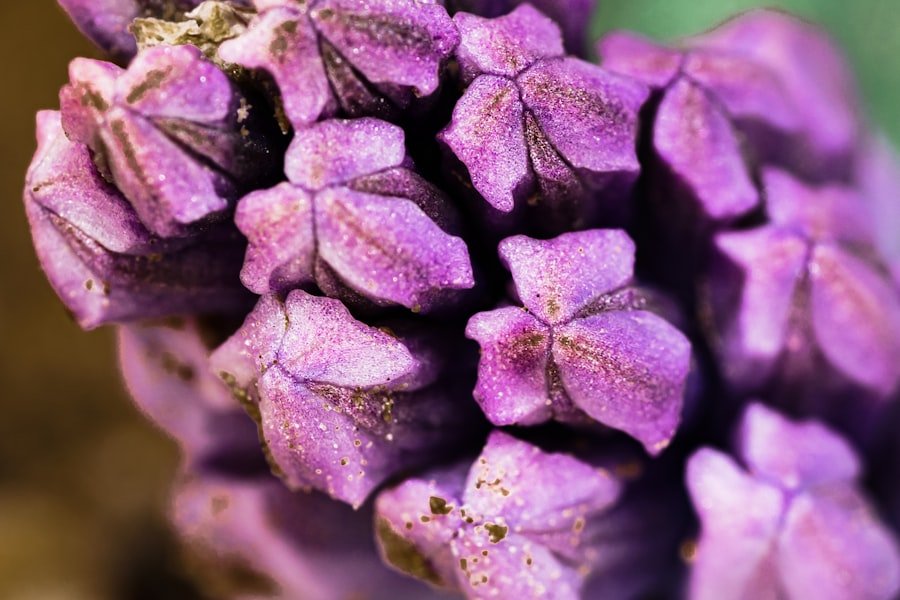
Planting purple potato flowers requires careful consideration of their growing conditions to ensure optimal health and productivity. These plants thrive in well-drained soil that is rich in organic matter. Before planting, it is advisable to amend the soil with compost or well-rotted manure to enhance its nutrient content.
Ideally, purple potatoes should be planted in full sun, as they require at least six hours of direct sunlight each day to flourish. The best time to plant is in early spring when the soil temperature reaches around 60°F (15°C), which encourages robust growth. Once planted, regular care is essential for maintaining healthy purple potato flowers.
Watering should be consistent but not excessive; the soil should be kept moist but not waterlogged. Mulching around the base of the plants can help retain moisture and suppress weeds. Fertilization is also important; using a balanced fertilizer during the growing season can promote vigorous growth and abundant flowering.
As the plants mature, it’s crucial to monitor them for signs of stress or disease, allowing for timely interventions if necessary.
Varieties of purple potato flowers
| Variety | Flower Color | Flower Size |
|---|---|---|
| Purple Majesty | Purple | Medium |
| Adirondack Blue | Purple | Small |
| Blue Congo | Purple | Large |
The world of purple potato flowers encompasses several varieties, each with its unique characteristics and appeal. One popular variety is the ‘Purple Majesty,’ known for its striking deep purple skin and vibrant flowers that bloom profusely throughout the growing season. This variety not only produces beautiful blooms but also yields tubers that are rich in antioxidants and have a nutty flavor profile, making them a favorite among chefs and home cooks alike.
Another noteworthy variety is ‘All Blue,’ which features stunning blue-purple skin and flowers that add a splash of color to any garden. This heirloom variety is celebrated for its culinary versatility; its flesh retains a vibrant hue even after cooking, making it an attractive addition to salads and side dishes. Each variety brings its own set of traits, allowing gardeners to choose based on their aesthetic preferences or culinary needs.
Companion planting with purple potato flowers
Companion planting is an age-old gardening technique that involves growing different plants in proximity for mutual benefit. Purple potato flowers can be excellent companions for various plants due to their ability to attract beneficial insects and deter pests. For instance, planting marigolds alongside purple potatoes can help repel nematodes and other harmful insects while attracting pollinators that benefit both plants.
Additionally, legumes such as beans or peas can be planted near purple potatoes to enhance soil fertility. These plants fix nitrogen in the soil, which can improve nutrient availability for the potato plants. Furthermore, herbs like basil or oregano can be beneficial companions as they may help mask the scent of potatoes from pests while providing culinary benefits for gardeners who enjoy cooking with fresh herbs.
Harvesting and using purple potato flowers
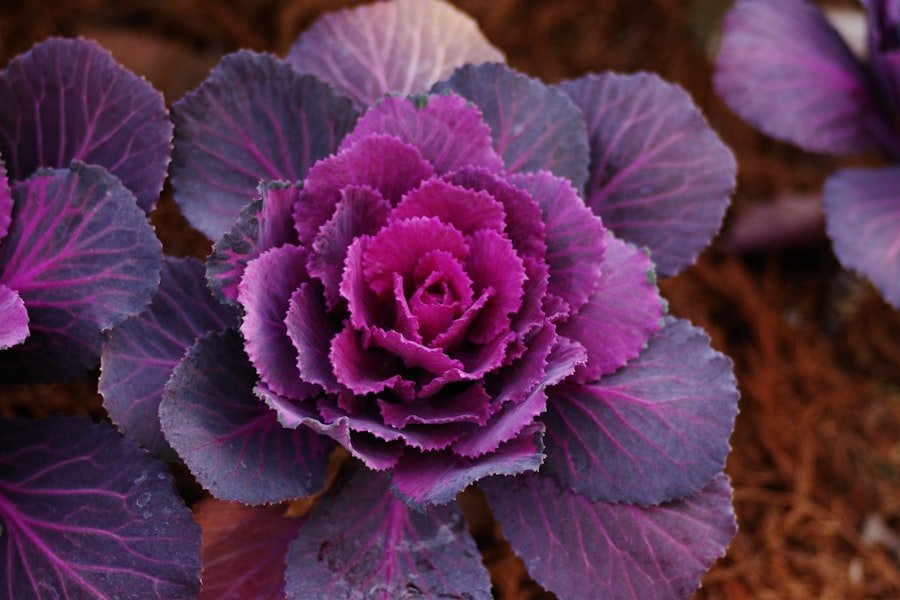
Culinary Delights
While many gardeners focus on harvesting tubers from their potato plants, the flowers themselves can also be utilized in various ways. The blooms are edible and can be used as a decorative element in salads or as a garnish for dishes, adding a pop of color and a subtle flavor that complements many meals. When harvesting flowers, it’s essential to do so at their peak freshness; this typically occurs when they are fully open but before they begin to wilt.
Ornamental Purposes
In addition to culinary uses, purple potato flowers can also be harvested for ornamental purposes. They make stunning additions to floral arrangements or can be used in crafting projects such as homemade potpourri or pressed flower art.
Unleashing Creativity
Their vibrant colors and unique shapes lend themselves well to creative endeavors, allowing gardeners to enjoy their beauty long after the growing season has ended.
Common pests and diseases that affect purple potato flowers
Despite their hardiness, purple potato flowers are susceptible to various pests and diseases that can hinder their growth and flowering potential. Aphids are one of the most common pests that target potato plants; these small insects feed on plant sap, leading to stunted growth and distorted leaves. Regular monitoring and introducing natural predators like ladybugs can help manage aphid populations effectively.
Fungal diseases such as powdery mildew and blight can also pose significant threats to purple potato flowers. Powdery mildew appears as a white powdery coating on leaves and stems, while blight manifests as dark spots on foliage. To combat these issues, it’s crucial to ensure proper air circulation around plants by spacing them adequately and avoiding overhead watering, which can create a humid environment conducive to fungal growth.
Tips for maintaining healthy purple potato flowers
To cultivate healthy purple potato flowers, several best practices should be followed throughout their growth cycle. First and foremost, regular watering is essential; however, it’s important to avoid overwatering, which can lead to root rot. A good rule of thumb is to water deeply but infrequently, allowing the top inch of soil to dry out between watering sessions.
Additionally, pruning spent flowers can encourage further blooming by redirecting energy back into new growth rather than seed production. This practice not only enhances the visual appeal of the plants but also prolongs their flowering period. Fertilizing with a low-nitrogen fertilizer during the flowering stage can promote robust blooms without encouraging excessive foliage growth at the expense of flower production.
Creative ways to incorporate purple potato flowers in your garden design
Incorporating purple potato flowers into garden design offers numerous creative possibilities due to their vibrant colors and unique shapes. One approach is to use them as focal points within mixed flower beds; their striking blooms can draw attention and create visual interest among other flowering plants. Pairing them with contrasting colors such as yellow or white can enhance their beauty even further.
Another innovative idea is to create a themed garden centered around edible plants. By integrating purple potatoes alongside other vegetables and herbs, gardeners can create an aesthetically pleasing yet functional space that celebrates both beauty and utility. Vertical gardening techniques can also be employed; using trellises or containers allows for creative arrangements that maximize space while showcasing these stunning flowers.
The symbolism and cultural significance of purple potato flowers
Purple potato flowers carry various symbolic meanings across different cultures due to their unique color and association with agriculture. In many cultures, purple is often linked with royalty, luxury, and spirituality; thus, these flowers may symbolize abundance and prosperity in agricultural contexts.
In some indigenous cultures, potatoes hold significant cultural importance as staple foods that have sustained communities for generations. The flowers serve as a reminder of this connection between people and the land, symbolizing growth, nourishment, and resilience. Incorporating these blooms into gardens not only enhances visual appeal but also pays homage to their rich cultural heritage.
Frequently asked questions about growing purple potato flowers
Many gardeners have questions about how best to grow and care for purple potato flowers effectively. One common inquiry revolves around whether these flowers require special care compared to other flowering plants. While they do have specific needs regarding sunlight and soil quality, they are generally low-maintenance once established.
Another frequently asked question pertains to whether it’s possible to save seeds from purple potato flowers for future planting. While it is technically feasible to collect seeds from the berries produced after flowering, most gardeners prefer propagating potatoes through tubers due to their reliability in producing consistent results. Understanding these nuances helps gardeners make informed decisions about cultivating these beautiful blooms in their gardens.
FAQs
What is a potato flower purple?
Potato flower purple refers to the flowering stage of a potato plant where it produces purple-colored flowers. These flowers eventually develop into small green fruits, which resemble tomatoes, but are not edible.
Are potato flowers edible?
While the flowers of the potato plant are not toxic, they are not typically consumed as they do not offer any significant nutritional value. It is important to note that other parts of the potato plant, such as the leaves and stems, are toxic and should not be consumed.
What do potato flowers look like?
Potato flowers can come in a variety of colors, including white, pink, red, blue, and purple. The flowers have five petals and a yellow center, and they typically bloom in clusters on the potato plant.
Do all potato plants produce purple flowers?
No, not all potato plants produce purple flowers. The color of the potato flower can vary depending on the specific variety of potato being grown. Some potato plants may produce white, pink, or red flowers instead of purple.
Do potato flowers indicate the presence of potatoes underground?
The presence of potato flowers does not necessarily indicate the presence of potatoes underground. Potatoes are tubers that grow underground, and the development of the tubers is not directly linked to the flowering of the plant.