

Purple seed potatoes are a captivating and nutritious variety of potatoes that have gained popularity among gardeners and chefs alike. Their striking color, which ranges from deep violet to lavender, is not just visually appealing but also indicative of their rich nutritional profile. These tubers belong to the Solanum tuberosum species and are cultivated in various regions around the world.
The vibrant hue of purple potatoes is primarily due to the presence of anthocyanins, powerful antioxidants that contribute to their health benefits. As more people become aware of the advantages of incorporating colorful vegetables into their diets, purple seed potatoes have emerged as a favorite choice for home gardeners and commercial growers. The cultivation of purple seed potatoes can be traced back to the Andean regions of South America, where indigenous peoples have cultivated various potato species for thousands of years.
Today, these potatoes are not only celebrated for their unique flavor and texture but also for their versatility in culinary applications. As interest in heirloom and specialty crops continues to grow, purple seed potatoes represent a bridge between traditional agricultural practices and modern dietary preferences. Their ability to thrive in diverse growing conditions makes them an excellent choice for both novice and experienced gardeners.
Key Takeaways
- Purple seed potatoes are a unique and colorful variety of potatoes that are not only visually appealing but also offer a range of health benefits.
- Growing purple seed potatoes can provide a bountiful harvest of nutrient-rich tubers while also adding a pop of color to your garden.
- There are several different varieties of purple seed potatoes, each with its own distinct flavor, texture, and cooking properties.
- Planting purple seed potatoes is a relatively simple process that can be done in traditional garden beds or in containers for smaller spaces.
- Caring for purple seed potatoes involves regular watering, hilling up the soil around the plants, and protecting them from pests and diseases.
Benefits of Growing Purple Seed Potatoes
Growing purple seed potatoes offers numerous benefits that extend beyond their aesthetic appeal. One of the most significant advantages is their resilience in various soil types and climates. Purple potatoes are known for their adaptability, allowing them to flourish in both cool and warm environments.
This resilience makes them an ideal crop for home gardeners looking to experiment with different growing conditions or those living in regions with unpredictable weather patterns. In addition to their adaptability, purple seed potatoes are relatively low-maintenance compared to other vegetable crops. They require minimal pest control and can thrive with basic care, making them an excellent choice for beginners.
Furthermore, their unique coloration is not just for show; it signifies a higher concentration of antioxidants compared to traditional white or yellow potatoes. This means that by growing purple seed potatoes, gardeners can enjoy a nutritious crop that contributes positively to their overall health.
Different Varieties of Purple Seed Potatoes
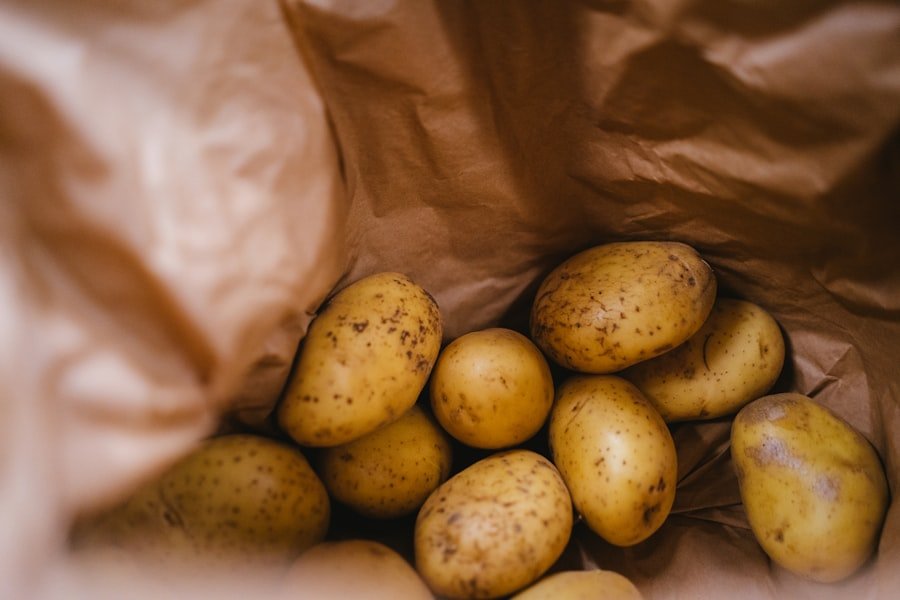
The world of purple seed potatoes is rich with diversity, featuring several distinct varieties, each with its own unique characteristics. One popular variety is the ‘Purple Majesty,’ known for its striking deep purple skin and flesh. This variety is not only visually stunning but also boasts a creamy texture and a slightly nutty flavor, making it a favorite among chefs for gourmet dishes. Another notable variety is the ‘All Blue,’ which has a bluish-purple skin and flesh that retains its vibrant color even after cooking. This variety is often used in salads and as a colorful side dish.
Another interesting variety is the ‘Purple Peruvian,’ which has a more elongated shape and a slightly waxy texture. This potato is prized for its earthy flavor and is often used in traditional Peruvian dishes. The ‘Adirondack Blue’ is another noteworthy option, featuring a bluish-purple skin with a firm texture that holds up well during cooking.
Each of these varieties offers unique flavors and textures, allowing gardeners to choose the best fit for their culinary preferences and growing conditions.
How to Plant Purple Seed Potatoes
| Step | Description |
|---|---|
| 1 | Choose a sunny location with well-drained soil |
| 2 | Prepare the soil by adding compost and fertilizer |
| 3 | Cut the seed potatoes into pieces with at least 2 eyes each |
| 4 | Plant the seed potato pieces 3-4 inches deep and 12 inches apart |
| 5 | Water the potatoes regularly, keeping the soil evenly moist |
| 6 | Hill the soil around the plants as they grow |
| 7 | Harvest the potatoes when the plants have died back |
Planting purple seed potatoes requires careful preparation to ensure a successful harvest. The first step is selecting high-quality seed potatoes from a reputable source, as this will significantly impact the yield and health of the plants. Before planting, it is advisable to “chit” the seed potatoes by placing them in a cool, light area for a few weeks until they develop small sprouts.
This process encourages early growth and can lead to a more robust harvest.
Prepare the soil by tilling it to a depth of about 12 inches and incorporating organic matter such as compost or well-rotted manure to enhance fertility.
Plant the chitted seed potatoes about 4-6 inches deep, spacing them approximately 12-15 inches apart in rows that are 2-3 feet apart. Cover them with soil and water thoroughly to promote germination. It’s essential to monitor soil moisture levels during the growing season, as consistent watering will help ensure healthy tuber development.
Caring for Purple Seed Potatoes
Caring for purple seed potatoes involves several key practices that promote healthy growth and maximize yield. One crucial aspect is weed management, as weeds can compete with potato plants for nutrients and water. Regularly check the garden bed for weeds and remove them by hand or use mulch to suppress their growth.
Mulching not only helps control weeds but also retains soil moisture, which is vital during dry spells. Fertilization is another important consideration when caring for purple seed potatoes. A balanced fertilizer applied at planting time can provide essential nutrients for initial growth.
As the plants develop, side-dressing with additional fertilizer may be necessary, particularly when the plants begin to flower, indicating that tuber formation is underway. Additionally, monitoring for pests such as aphids or Colorado potato beetles is essential; organic insecticides or manual removal can help manage these threats without harming beneficial insects.
Harvesting and Storing Purple Seed Potatoes

Harvesting purple seed potatoes requires careful timing and technique to ensure optimal flavor and storage potential. Typically, these potatoes are ready for harvest when the foliage begins to yellow and die back, usually around 90-120 days after planting, depending on the variety. To harvest, gently dig around the base of each plant using a spading fork or shovel, taking care not to puncture the tubers.
Once unearthed, allow the potatoes to dry in a shaded area for a few hours before moving them to storage. Proper storage is crucial for maintaining the quality of harvested purple seed potatoes. Ideally, they should be stored in a cool, dark place with good ventilation, such as a root cellar or a basement with stable temperatures between 45-50°F (7-10°C).
Avoid washing the potatoes before storage, as moisture can promote rot; instead, brush off any excess soil gently. When stored correctly, purple seed potatoes can last several months, providing a nutritious food source throughout the winter months.
Cooking with Purple Seed Potatoes
The culinary versatility of purple seed potatoes makes them an exciting ingredient in various dishes. Their vibrant color adds visual appeal to meals, making them an excellent choice for presentations or special occasions. One popular way to prepare purple potatoes is by roasting them with olive oil, garlic, and herbs; this method enhances their natural sweetness while creating a crispy exterior.
Additionally, they can be boiled or steamed and then mashed with butter and cream for a colorful twist on traditional mashed potatoes. Purple seed potatoes also shine in salads due to their unique flavor profile and eye-catching appearance. A simple salad featuring roasted purple potatoes tossed with fresh greens, cherry tomatoes, and a tangy vinaigrette can elevate any meal.
Furthermore, they can be used in soups or stews, where their color can infuse the broth with a beautiful hue while providing essential nutrients. The culinary possibilities are endless when it comes to incorporating these vibrant tubers into everyday cooking.
Health Benefits of Purple Potatoes
The health benefits of purple potatoes extend far beyond their appealing color; they are packed with essential nutrients that contribute positively to overall well-being. One of the standout features of purple seed potatoes is their high antioxidant content, particularly anthocyanins, which have been linked to various health benefits including reduced inflammation and improved heart health. These antioxidants help combat oxidative stress in the body, potentially lowering the risk of chronic diseases such as cancer and cardiovascular issues.
In addition to antioxidants, purple potatoes are an excellent source of vitamins and minerals such as vitamin C, potassium, and dietary fiber. Vitamin C plays a crucial role in immune function and skin health, while potassium helps regulate blood pressure levels. The dietary fiber found in these tubers aids digestion and promotes gut health by supporting beneficial bacteria in the digestive system.
Incorporating purple seed potatoes into one’s diet can thus contribute significantly to maintaining overall health.
Using Purple Seed Potatoes for Ornamental Purposes
Beyond their culinary uses, purple seed potatoes can also serve ornamental purposes in gardens and landscapes. Their striking color makes them an attractive addition to flower beds or vegetable gardens where aesthetics are important. Planting purple potatoes alongside other colorful vegetables or flowers can create a visually stunning display that draws attention and admiration from visitors.
Moreover, some gardeners choose to grow purple seed potatoes in decorative containers or raised beds as part of an edible landscape design. This approach not only maximizes space but also allows gardeners to showcase their creativity while producing food at the same time. The vibrant foliage of potato plants adds texture and interest throughout the growing season, making them an excellent choice for those looking to combine beauty with functionality in their gardening endeavors.
Tips for Growing Purple Seed Potatoes in Containers
Growing purple seed potatoes in containers offers an innovative solution for those with limited garden space or poor soil conditions. When selecting containers, choose ones that are at least 12-18 inches deep with adequate drainage holes to prevent waterlogging. A mix of potting soil enriched with compost will provide the necessary nutrients for healthy growth.
When planting in containers, follow similar spacing guidelines as you would in traditional garden beds—planting one or two seed potatoes per container depending on size—while ensuring they are buried about 4-6 inches deep. Regular watering is crucial since container plants tend to dry out more quickly than those planted directly in the ground; however, be cautious not to overwater as this can lead to rot. As the plants grow taller, adding more soil or mulch around the stems will encourage additional tuber formation while keeping the plants stable.
Frequently Asked Questions about Purple Seed Potatoes
Many gardeners have questions about growing purple seed potatoes due to their unique characteristics and benefits. One common inquiry revolves around whether these tubers require special care compared to traditional varieties. In general, purple seed potatoes do not require significantly different care; however, attention should be paid to soil quality and moisture levels since they thrive best in well-draining soils.
Another frequently asked question pertains to pest management strategies specific to purple seed potatoes. While they are relatively resistant to pests compared to other crops, regular monitoring is essential. Implementing companion planting techniques—such as planting marigolds nearby—can help deter pests naturally while promoting healthy growth among potato plants.
Additionally, many gardeners wonder about the best time to plant purple seed potatoes; typically, they should be planted in early spring once the danger of frost has passed but can vary based on local climate conditions. In summary, purple seed potatoes offer an array of benefits ranging from their nutritional value to their ornamental potential in gardens. With proper care and attention, these vibrant tubers can thrive in various growing conditions while providing delicious meals throughout the year.
FAQs
What are purple seed potatoes?
Purple seed potatoes are a type of potato that has a purple-colored skin and flesh. They are used for planting and growing new potato plants.
Are purple seed potatoes safe to eat?
Yes, purple seed potatoes are safe to eat. They are a nutritious and delicious variety of potato that can be used in a variety of recipes.
How do you plant purple seed potatoes?
To plant purple seed potatoes, you should cut the potatoes into pieces with at least one eye per piece. Then, you can plant the pieces in well-drained soil, ensuring they receive plenty of sunlight and water.
What are the benefits of growing purple seed potatoes?
Growing purple seed potatoes can provide a sustainable source of fresh, nutritious potatoes. They are also visually appealing and can add variety to your garden or farm.
Can purple seed potatoes be used for cooking?
Yes, purple seed potatoes can be used for cooking. They can be boiled, mashed, roasted, or used in a variety of other recipes just like other types of potatoes.
