

Loquat fruit, scientifically known as Eriobotrya japonica, is a lesser-known gem in the world of fruits that has been cherished for centuries. This small, pear-shaped fruit is characterized by its smooth, yellow to orange skin and sweet, tangy flavor. Often found in subtropical and mild temperate regions, loquats are not only delicious but also versatile, making them a delightful addition to various culinary creations.
Their unique taste profile, which combines hints of peach, citrus, and mango, makes them a favorite among those who have had the pleasure of tasting them. The loquat tree itself is an evergreen that can grow up to 30 feet tall, adorned with glossy, dark green leaves that can reach lengths of 12 inches. The fruit typically grows in clusters and ripens in the spring, offering a refreshing treat just as the warmer months approach.
While loquats may not be as widely recognized as apples or oranges, their distinct flavor and numerous health benefits are gaining attention among food enthusiasts and health-conscious individuals alike.
Key Takeaways
- Loquat fruit is a sweet and tangy fruit with a unique flavor and texture.
- Originating from China, the loquat fruit has a rich history dating back to ancient times.
- Loquat fruit is characterized by its small, round shape, smooth skin, and juicy flesh.
- Packed with vitamins, minerals, and antioxidants, loquat fruit offers numerous health benefits.
- Loquat fruit is typically in season during the spring and early summer months.
History and Origin of Loquat Fruit
The loquat has a rich history that dates back thousands of years, with its origins traced to southeastern China. Historical records suggest that the fruit was cultivated as early as 2000 BCE, making it one of the oldest cultivated fruits in the world. From China, the loquat spread to Japan, where it became a staple fruit and was celebrated for its sweet flavor and nutritional value.
The Japanese have long revered the loquat, incorporating it into their culture and cuisine, and even using it in traditional festivals. As trade routes expanded, the loquat made its way to other parts of Asia and eventually to the Mediterranean region. By the 18th century, it had reached Europe, where it was cultivated in gardens for its ornamental value as well as its fruit.
The loquat was introduced to the Americas in the 19th century, particularly in California, where it thrived in the mild climate.
Characteristics of Loquat Fruit
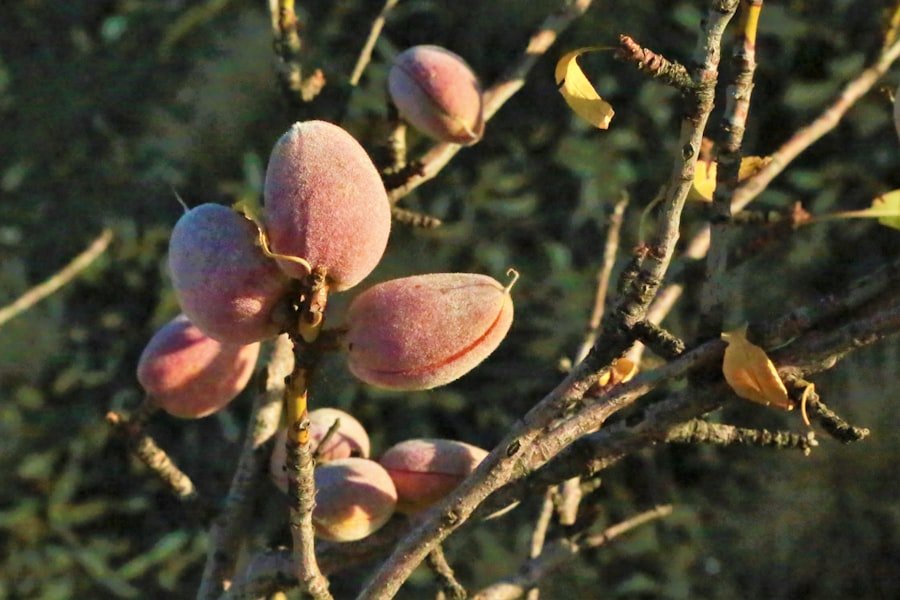
Loquat fruit is easily identifiable due to its distinctive shape and color. Typically oval or pear-shaped, each fruit measures about one to two inches in length. The skin is smooth and can range from pale yellow to deep orange when ripe.
Beneath the skin lies a juicy flesh that is both sweet and slightly tart, with a texture reminiscent of a peach or apricot. The fruit contains several small brown seeds that are not typically consumed but can be planted to grow new loquat trees. The loquat tree itself is notable for its large, leathery leaves that can grow up to 12 inches long.
These leaves are dark green on top and lighter underneath, providing a striking contrast that enhances the tree’s ornamental appeal. The flowers of the loquat tree are small and white, blooming in clusters during the winter months. These blossoms are not only beautiful but also attract pollinators such as bees, which play a crucial role in the fruit’s development.
Nutritional Benefits of Loquat Fruit
| Nutritional Benefits of Loquat Fruit | |
|---|---|
| Vitamin A | Good for vision and immune system |
| Vitamin C | Boosts immune system and promotes skin health |
| Fiber | Aids in digestion and helps maintain a healthy weight |
| Potassium | Regulates blood pressure and supports heart health |
| Antioxidants | Protects cells from damage and reduces risk of chronic diseases |
Loquats are not just a tasty treat; they are also packed with essential nutrients that contribute to overall health. A serving of loquat fruit is low in calories yet rich in vitamins and minerals. They are an excellent source of vitamin A, which is vital for maintaining healthy vision and skin.
Additionally, loquats contain significant amounts of vitamin C, an antioxidant that supports the immune system and helps protect against cellular damage. Beyond vitamins, loquats are also a good source of dietary fiber. This fiber aids digestion by promoting regular bowel movements and can help maintain a healthy weight by providing a feeling of fullness.
Furthermore, loquats contain various phytonutrients and antioxidants that may help reduce inflammation and lower the risk of chronic diseases such as heart disease and diabetes. Their unique combination of nutrients makes them an ideal choice for those looking to enhance their diet with wholesome fruits.
Loquat Fruit Season
The season for loquat fruit varies depending on the region in which it is grown. In general, loquats ripen in late spring to early summer, typically between April and June in most temperate climates. This timing aligns perfectly with the transition from cooler weather to warmer days, providing a refreshing burst of flavor just as summer approaches.
In regions with milder winters, such as California or parts of southern Europe, loquats may ripen even earlier. During this season, loquats can be found at local farmers’ markets and grocery stores, often sold in small baskets or clamshell containers. The peak season is relatively short-lived; therefore, it is advisable for enthusiasts to take advantage of this time to enjoy fresh loquats before they disappear from store shelves.
The fleeting nature of their availability adds to their allure and encourages culinary experimentation during their prime.
How to Select and Store Loquat Fruit
Choosing Fresh Loquats
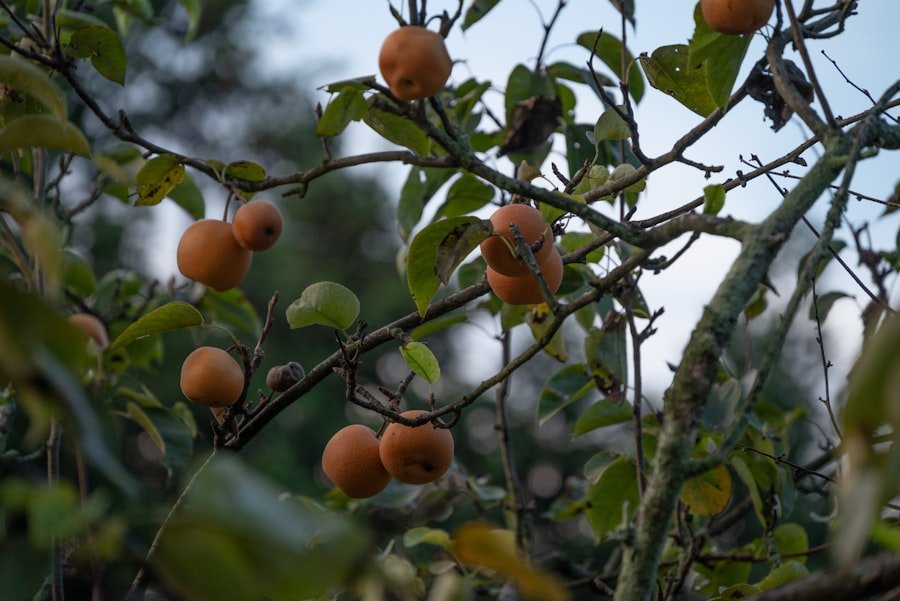
When selecting loquats, it’s crucial to choose fruits that are firm yet slightly yielding to gentle pressure. The skin should be free from blemishes or dark spots, indicating freshness and ripeness. A vibrant color, ranging from yellow to orange, often signifies that the fruit is ready to eat.
Ripening Loquats at Home
If you come across loquats that are still green or hard, they may need additional time to ripen at home. Once you have selected your loquats, proper storage is crucial to maintaining their freshness. Loquats can be stored at room temperature for a few days if they are not fully ripe; however, once they reach peak ripeness, it is best to refrigerate them to prolong their shelf life.
Storing Loquats for Longer Freshness
When stored in the refrigerator’s crisper drawer, loquats can last up to a week. For longer storage options, consider freezing them after washing and removing the seeds; this allows you to enjoy their flavor even when they are out of season.
Culinary Uses of Loquat Fruit
Loquat fruit’s sweet-tart flavor makes it an excellent ingredient for various culinary applications. One popular way to enjoy loquats is by eating them fresh out of hand; their juicy flesh provides a refreshing snack on warm days. However, their versatility extends far beyond raw consumption.
Loquats can be used in jams and jellies due to their natural sweetness and pectin content, making them ideal for preserving. In addition to preserves, loquats can be incorporated into baked goods such as pies and tarts. Their unique flavor pairs well with spices like cinnamon and nutmeg, creating delightful desserts that highlight their natural sweetness.
Furthermore, loquats can be added to salads for a burst of flavor or blended into smoothies for a nutritious drink option. Their adaptability in both sweet and savory dishes makes them a valuable addition to any kitchen.
Health Benefits of Loquat Fruit
The health benefits of loquat fruit extend beyond its nutritional profile; various studies have highlighted its potential therapeutic properties as well. The antioxidants found in loquats may help combat oxidative stress in the body, reducing inflammation and lowering the risk of chronic diseases such as heart disease and cancer. Additionally, some research suggests that compounds in loquats may have anti-diabetic effects by helping regulate blood sugar levels.
Moreover, loquats have been associated with respiratory health benefits due to their high content of vitamins A and These vitamins play a crucial role in maintaining healthy mucous membranes and supporting immune function. Traditional uses of loquat leaves have also been noted for their potential benefits in treating coughs and respiratory ailments; herbal teas made from dried loquat leaves have been consumed for generations for their soothing properties.
Loquat Fruit in Traditional Medicine
In traditional medicine systems across Asia, particularly in Chinese herbal medicine, loquat leaves have been utilized for their therapeutic properties for centuries. The leaves are often brewed into teas or used in tinctures believed to alleviate coughs and soothe sore throats due to their expectorant qualities. This practice highlights the cultural significance of loquats beyond mere culinary uses; they have been integrated into holistic health approaches.
In addition to respiratory benefits, loquat leaves are thought to possess anti-inflammatory properties that may aid in treating digestive issues such as gastritis or ulcers. The leaves contain compounds that may help reduce stomach acidity and promote healing within the gastrointestinal tract. This traditional knowledge underscores the importance of loquats not only as a food source but also as a natural remedy with historical roots.
Fun Facts About Loquat Fruit
Loquat fruit comes with an array of intriguing facts that add to its charm. For instance, did you know that loquats belong to the same family as roses? This connection explains some similarities in their flowering patterns and growth habits.
Additionally, while many fruits are typically harvested when fully ripe, loquats can be enjoyed at various stages of ripeness—some prefer them slightly under-ripe for a more tart flavor profile. Another fascinating aspect of loquats is their ability to thrive in diverse climates; they can tolerate frost better than many other subtropical fruits. This resilience allows them to flourish in regions where other fruit trees might struggle.
Furthermore, loquats are often used as ornamental trees due to their attractive foliage and fragrant flowers; many homeowners plant them not only for their fruit but also for their aesthetic appeal.
Conclusion and Recipe Ideas for Loquat Fruit
Loquat fruit offers a delightful combination of flavor and nutrition that makes it worthy of exploration in both culinary endeavors and health discussions. As we have seen throughout this article, its rich history spans continents and cultures while its unique characteristics make it stand out among other fruits. For those looking to incorporate loquats into their diet or simply enjoy their taste during peak season, there are numerous recipe ideas worth trying.
Consider making a refreshing loquat salad by combining diced fresh loquats with mixed greens, goat cheese, walnuts, and a light vinaigrette dressing for a perfect summer dish. Alternatively, you could create a simple loquat compote by simmering chopped loquats with sugar and lemon juice until thickened; this compote can be served over yogurt or pancakes for breakfast or dessert. For those who enjoy baking, try your hand at a loquat pie or tart—its sweet-tart flavor pairs beautifully with buttery crusts and complements spices like cinnamon or ginger perfectly.
Incorporating loquats into your meals not only enhances your culinary repertoire but also allows you to enjoy this unique fruit’s myriad health benefits while celebrating its rich cultural heritage.
FAQs
What is the loquat fruit season?
The loquat fruit season typically runs from late winter to early spring, with peak harvest times varying depending on the specific region and climate.
Where are loquat fruits grown?
Loquat fruits are grown in various regions around the world, including China, Japan, Spain, Brazil, and the United States. They thrive in subtropical and mild temperate climates.
How do I know when loquat fruits are ripe?
Ripe loquat fruits are typically yellow or orange in color and yield slightly to gentle pressure. They should also have a sweet aroma and be easy to detach from the tree when ripe.
What are the health benefits of loquat fruits?
Loquat fruits are rich in vitamins A and C, as well as fiber and antioxidants. They are also known for their anti-inflammatory and anti-cancer properties.
How can I use loquat fruits in cooking?
Loquat fruits can be eaten fresh, added to fruit salads, used in jams and preserves, or even incorporated into savory dishes such as salsas and chutneys. They can also be used to make juices, smoothies, and desserts.