

The Benzoin tree, scientifically known as Styrax benzoin, is a tropical tree native to Southeast Asia, particularly found in regions such as Sumatra and Java. This tree is renowned for its aromatic resin, which has been harvested and utilized for centuries. The Benzoin tree can grow up to 20 meters tall and features a distinctive trunk with a smooth, grayish bark.
Its leaves are glossy and dark green, providing a lush canopy that contributes to the biodiversity of its native habitats. The tree produces small, white flowers that bloom in clusters, eventually giving way to fruit that contains seeds. However, it is the resin that exudes from the tree’s bark that has garnered significant attention for its myriad uses.
The resin of the Benzoin tree is collected through a process known as tapping, where incisions are made in the bark to allow the sap to ooze out and harden into a solid form. This resin is rich in benzoic acid and has a sweet, balsamic aroma that has made it a sought-after ingredient in various industries. The unique properties of Benzoin resin have led to its incorporation into perfumes, incense, and traditional medicines.
As we delve deeper into the history, uses, and benefits of Benzoin, it becomes evident that this tree holds a significant place in both cultural practices and modern applications.
Key Takeaways
- The Benzoin tree, native to Southeast Asia, is known for its resin that has been used for centuries in traditional medicine, skincare, aromatherapy, and spiritual practices.
- Benzoin has a long history of traditional uses, including as incense in religious ceremonies, as a medicine for respiratory issues, and as a skincare ingredient for its healing properties.
- The resin of the Benzoin tree contains medicinal properties such as anti-inflammatory, antiseptic, and expectorant qualities, making it valuable in treating various health conditions.
- In aromatherapy, Benzoin is used for its calming and grounding effects, making it a popular choice for relaxation and stress relief.
- Benzoin is also used in skincare for its ability to soothe and heal skin, making it a common ingredient in products for treating dry, irritated, or inflamed skin.
History and Traditional Uses of Benzoin
The history of Benzoin dates back thousands of years, with its use documented in ancient civilizations across Asia and the Middle East. In ancient Egypt, Benzoin was highly valued for its aromatic properties and was often used in religious ceremonies and embalming practices. The resin was burned as incense in temples, believed to purify the air and create a sacred atmosphere conducive to worship.
Historical texts indicate that Benzoin was also traded along the Silk Road, where it was exchanged for other valuable commodities, highlighting its importance in ancient commerce. In traditional Chinese medicine, Benzoin has been utilized for its therapeutic properties. It was often combined with other herbs to create remedies aimed at treating respiratory ailments and digestive issues.
The resin’s warming qualities were believed to help alleviate symptoms of colds and flu. In addition to its medicinal applications, Benzoin has been used in various cultural rituals, including those of indigenous tribes in Southeast Asia, where it is often burned during ceremonies to invoke blessings or ward off negative energies. This rich tapestry of historical uses underscores the significance of Benzoin across different cultures and time periods.
Medicinal Properties of Benzoin
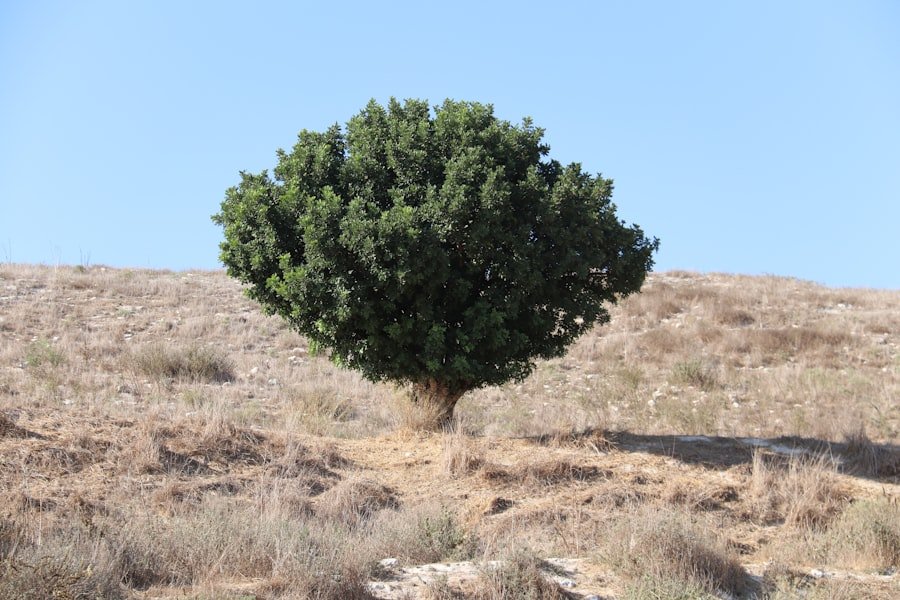
Benzoin possesses a range of medicinal properties that have been recognized in both traditional and modern medicine. One of its primary components, benzoic acid, is known for its antifungal and antibacterial effects. This makes Benzoin an effective remedy for various skin conditions, including minor cuts, wounds, and infections.
The resin’s soothing properties can help reduce inflammation and promote healing when applied topically. Additionally, Benzoin is often used in herbal preparations aimed at alleviating respiratory issues due to its expectorant qualities, which can help clear mucus from the airways. Research has also indicated that Benzoin may have antioxidant properties, which can help combat oxidative stress in the body.
This is particularly relevant in the context of chronic diseases where oxidative damage plays a significant role. Furthermore, some studies suggest that Benzoin may have mild sedative effects, making it beneficial for individuals dealing with anxiety or stress-related disorders. The combination of these medicinal properties positions Benzoin as a versatile natural remedy with applications in both holistic health practices and conventional medicine.
Benzoin in Aromatherapy
| Benefits of Benzoin in Aromatherapy | Usage |
|---|---|
| Relieves stress and anxiety | Diffuse in a room or add to a bath |
| Helps with respiratory issues | Inhale directly or use in a steam inhalation |
| Antiseptic properties | Apply topically to wounds or cuts |
| Relieves muscle aches and pains | Massage into the affected area |
In the realm of aromatherapy, Benzoin is celebrated for its warm, sweet scent that evokes feelings of comfort and tranquility. The essential oil derived from Benzoin resin is often used in diffusers or blended with carrier oils for massage therapy. Its calming aroma is believed to help reduce anxiety and promote relaxation, making it a popular choice for individuals seeking stress relief.
When inhaled, Benzoin oil can stimulate the limbic system—the part of the brain associated with emotions—thereby enhancing mood and fostering a sense of well-being. Moreover, Benzoin’s grounding properties make it an excellent addition to meditation practices. Many practitioners incorporate Benzoin into their rituals to create a serene environment conducive to mindfulness and introspection.
The oil’s ability to evoke feelings of warmth and security can enhance spiritual experiences, allowing individuals to connect more deeply with their inner selves. As such, Benzoin serves not only as a fragrant addition to aromatherapy but also as a tool for emotional healing and spiritual growth.
Benzoin in Skincare
The skincare industry has increasingly recognized the benefits of Benzoin for its soothing and protective properties. Its natural antiseptic qualities make it an ideal ingredient for formulations aimed at treating acne-prone skin or minor irritations. When applied topically, Benzoin can help reduce redness and inflammation while promoting healing.
Its ability to form a protective barrier on the skin also aids in retaining moisture, making it beneficial for dry or sensitive skin types. In addition to its healing properties, Benzoin is often included in formulations for anti-aging products due to its antioxidant content. By combating free radicals that contribute to skin aging, Benzoin can help maintain a youthful appearance.
Many skincare brands have begun incorporating Benzoin into their products, ranging from serums to creams, capitalizing on its multifaceted benefits. As consumers become more aware of natural ingredients and their efficacy, the demand for products containing Benzoin continues to rise.
Benzoin in Traditional Medicine
Traditional medicine systems around the world have long recognized the therapeutic potential of Benzoin. In Ayurveda, the ancient Indian system of medicine, Benzoin is used for its warming properties to treat respiratory conditions such as coughs and bronchitis. It is often combined with other herbs like ginger or turmeric to enhance its effectiveness.
The resin is also believed to support digestive health by alleviating symptoms like bloating and gas. In addition to Ayurveda, traditional African medicine employs Benzoin for various ailments. It is commonly used in poultices or infusions aimed at treating skin infections or wounds.
The resin’s antimicrobial properties make it a valuable asset in regions where access to modern medical treatments may be limited. These traditional practices highlight the enduring relevance of Benzoin in holistic health approaches across different cultures.
Benzoin as an Antiseptic
Benzoin’s antiseptic properties have made it a staple in both traditional and modern medicine for treating infections and promoting wound healing. The resin contains compounds that inhibit the growth of bacteria and fungi, making it effective against various pathogens that can compromise skin integrity. When applied topically as an ointment or infused in oils, Benzoin can help cleanse wounds and prevent infection while facilitating faster healing.
In addition to its topical applications, Benzoin has been used historically as an ingredient in medicinal syrups and tinctures aimed at treating respiratory infections. Its ability to soothe irritated mucous membranes makes it beneficial for conditions such as sore throats or bronchitis. By acting as both an antiseptic and an expectorant, Benzoin provides a dual action that supports respiratory health while minimizing the risk of secondary infections.
Benzoin in Spiritual and Ritual Practices
Benzoin has long been associated with spiritual practices across various cultures due to its aromatic qualities and perceived energetic properties. In many indigenous traditions, burning Benzoin resin during rituals is believed to purify spaces and invite positive energies while dispelling negativity. This practice is often seen during ceremonies intended for healing or protection, where the smoke from burning Benzoin serves as a conduit between the physical and spiritual realms.
In contemporary spiritual practices, such as those found in New Age communities, Benzoin is frequently used in smudging rituals or as an ingredient in incense blends designed for meditation or prayer. Its grounding scent helps create an atmosphere conducive to introspection and connection with higher consciousness. The use of Benzoin in these contexts underscores its significance not only as a physical substance but also as a symbol of spiritual cleansing and renewal.
Sustainable Harvesting and Conservation of Benzoin
As demand for Benzoin continues to grow across various industries, concerns regarding sustainable harvesting practices have emerged. Overexploitation of wild populations can lead to habitat degradation and threaten the survival of the species. To address these issues, initiatives aimed at promoting sustainable harvesting methods have been developed in regions where Benzoin trees are cultivated.
Organizations working with local communities emphasize the importance of responsible tapping techniques that allow trees to regenerate while still providing resin for commercial use. Additionally, efforts are being made to educate consumers about the significance of sourcing Benzoin from sustainable suppliers who prioritize environmental conservation. By fostering awareness around sustainable practices, stakeholders can help ensure that future generations will continue to benefit from this remarkable tree without compromising ecological integrity.
Potential Side Effects and Precautions when using Benzoin
While Benzoin is generally considered safe for most individuals when used appropriately, there are potential side effects that should be taken into account. Some people may experience allergic reactions or skin irritation when applying products containing Benzoin directly onto their skin. It is advisable to conduct a patch test before using any new product containing this resin extensively.
Furthermore, individuals who are pregnant or nursing should exercise caution when using Benzoin essential oil or products containing high concentrations of the resin due to limited research on its safety during these periods. Those with pre-existing medical conditions or those taking medications should consult healthcare professionals before incorporating Benzoin into their wellness routines. Awareness of these precautions ensures that users can enjoy the benefits of Benzoin while minimizing any potential risks.
Harnessing the Healing Power of the Benzoin Tree
The multifaceted uses of the Benzoin tree highlight its significance across various domains—from traditional medicine to modern skincare and spiritual practices. Its rich history underscores not only its cultural importance but also its therapeutic potential that continues to be explored today. As we harness the healing power of this remarkable tree through sustainable practices and informed usage, we can appreciate both its historical legacy and contemporary relevance in promoting health and well-being across diverse communities worldwide.
FAQs
What is a benzoin tree?
The benzoin tree, also known as Styrax benzoin, is a tropical tree native to Southeast Asia. It is known for its resin, which has been used for various purposes for centuries.
What is benzoin resin used for?
Benzoin resin has been used in traditional medicine, perfumery, incense, and as a flavoring agent in food and beverages. It is also used in some religious ceremonies and rituals.
How is benzoin resin extracted from the tree?
Benzoin resin is obtained by making incisions in the bark of the benzoin tree and collecting the resin that oozes out. The resin is then processed and purified for various uses.
What are the medicinal properties of benzoin resin?
Benzoin resin has been used in traditional medicine for its antiseptic, anti-inflammatory, and expectorant properties. It has been used to treat respiratory conditions, skin irritations, and as a topical antiseptic.
Is benzoin resin safe for use?
Benzoin resin is generally considered safe for use in small amounts. However, it may cause skin irritation in some individuals, and excessive inhalation of its fumes may cause respiratory irritation. It is always recommended to use benzoin resin in moderation and consult a healthcare professional before using it for medicinal purposes.