

Bean pots are sturdy, lidded pots—often ceramic or stoneware—made for slow cooking. They’re best known for baked beans, but they also work well for soups, stews, and other one-pot meals.
History of bean pots
The idea is old. Across many cultures, cooks have used clay and earthenware to simmer food over steady heat. In New England, the bean pot became closely tied to baked beans and Boston food traditions, with roots traced to the early 17th century. The National Park Service links beanpots to long, slow cooking and Boston baked beans, including how beans could be kept warm overnight for a Sunday meal.
Classic New England-style bean pots often have a smaller opening and a wider body. Fannie Farmer credited the “earthen bean-pot with small top and bulging sides” as part of Boston baked beans’ reputation. The curved sides and tight lid also help trap steam so moisture condenses and drips back down into the pot during a long bake.
Beans have stayed popular because they’re filling, versatile, and budget-friendly—especially when money is tight. Bean pots still show up wherever people want comfort food that cooks low and slow.
Key takeaways
- Bean pots are traditional vessels for slow-cooking beans, stews, and other hearty dishes.
- Choose a pot by size and material—and only use it on the stovetop if the maker says it’s stovetop-safe.
- Soaking dried beans can shorten cooking time and can improve texture; “less gas” results vary by person.
- Traditional favorites include baked beans and ham-and-bean soup, while modern recipes use global spices and plant-based proteins.
Choosing the right bean pot for your kitchen
Picking a bean pot comes down to material, size, and how you plan to cook. Traditional bean pots are often stoneware or ceramic, which hold heat well and are ideal for long, oven-based cooking.
Important: many stoneware and ceramic pots are not safe for direct burner heat. If you want to use a pot on the stovetop, buy one that is clearly labeled as stovetop-safe.
Size is another crucial consideration when selecting a bean pot.
For most homes, a 2- to 3-quart pot works well for a batch of beans or a small stew. Larger pots are better for gatherings. A snug lid helps hold in moisture, and a simple shape can double as a serving dish.
Soaking and preparing beans for cooking
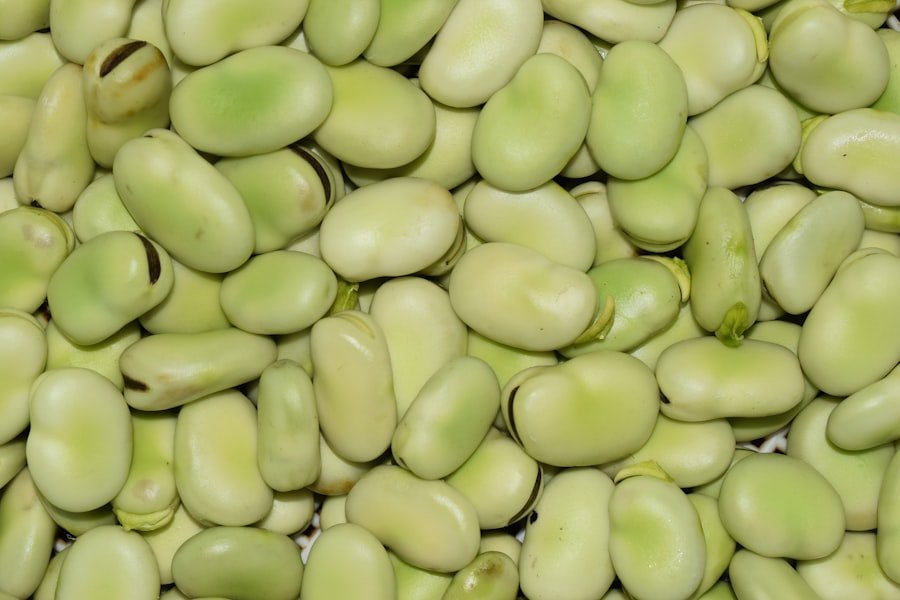
Soaking beans is a common prep step. It can cut down cooking time and help beans cook more evenly. The overnight soak covers dried beans with water for at least 8 hours. The quick soak boils beans briefly, then lets them sit off heat for about an hour.
After soaking, drain and rinse the beans. Studies suggest soaking and discarding the water can reduce some water-soluble compounds, but people’s digestive results vary. For evidence-based prep tips, see NDSU Extension’s “All About Beans” guide.
Traditional bean pot recipes
| Recipe name | Main ingredients | Typical cooking time | Typical serving size |
|---|---|---|---|
| Boston baked beans | Navy beans, molasses, bacon | About 4 hours | 6–8 |
| Chili con carne | Kidney beans, ground beef, tomatoes | About 1½ hours | 4–6 |
| Black bean soup | Black beans, onions, garlic | About 1 hour | 4–6 |
Traditional bean pot recipes highlight the simplicity of beans. A classic is Boston baked beans: navy beans cooked with molasses, brown sugar, salt pork or bacon, and mustard. The sweet-and-savory balance is a big part of the dish’s appeal.
Another staple is ham and bean soup, using beans like great northern or pinto beans simmered with ham hock, onions, carrots, and celery. Long cooking gives the broth time to turn rich while keeping the beans tender.
Modern twists on bean pot cooking
Modern bean pot cooking often borrows flavors from around the world. A Moroccan-inspired pot might use chickpeas or lentils with cumin, coriander, and cinnamon, plus tomatoes and bell peppers.
Plant-forward versions are popular too. Try black beans with quinoa, corn, tomatoes, and avocado, finished with lime juice and cilantro.
Tips for cooking with a bean pot
To protect stoneware and ceramics, avoid abrupt temperature changes. Many makers recommend letting the pot warm gradually (for example, starting in a cold oven) instead of putting a cold pot into a fully preheated oven.
Watch the liquid. Beans absorb moisture as they cook, so check now and then and add hot water or broth if the pot looks dry.
Health benefits of cooking with bean pots
Beans are rich in plant protein and fiber. They also provide minerals such as iron, magnesium, and potassium. Building meals around beans can be a simple way to add more filling, nutritious foods to your routine.
Using bean pots for one-pot meals
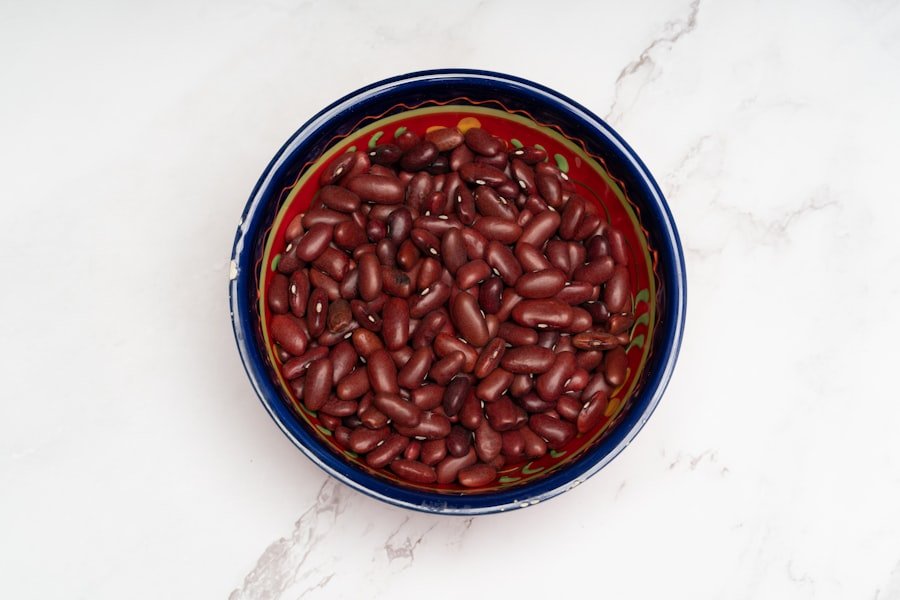
Bean pots are great for one-pot meals because you can cook beans, vegetables, and spices together. For example, combine soaked kidney beans with tomatoes, onions, peppers, and chili spices for a long-simmered chili-style dish.
A Mediterranean-style option pairs chickpeas with grains like farro or couscous, plus vegetables such as zucchini and eggplant. Slow cooking helps the flavors blend with little hands-on work.
Bean pot cooking for vegetarians and vegans
Bean pots work especially well for vegetarian and vegan meals. A simple favorite is lentils cooked with coconut milk, curry spices, spinach, and sweet potatoes until tender.
You can also make vegetable-and-bean stews based on seasonal produce. A ratatouille-style pot with eggplant, zucchini, peppers, tomatoes, and white beans is hearty enough to serve as a main dish.
Cleaning and caring for your bean pot
Let the pot cool before cleaning. Wash with warm water and mild dish soap, and avoid abrasive scrubbers that can scratch the glaze.
To lower the risk of cracking, avoid sudden temperature changes (for example, don’t move a hot pot straight into cold water). If your bean pot is unglazed stoneware, follow the maker’s guidance on seasoning; many glazed bean pots don’t need it.
Hosting a bean pot dinner party
A bean pot dinner party is an easy way to feed a crowd. Pick a theme—traditional New England baked beans, or a global spread with dishes like tagine-inspired chickpeas or Italian-style minestrone—and serve straight from the pots.
Add sides like crusty bread and a crisp salad. Put out toppings guests can mix and match, such as fresh herbs, pickled onions, hot sauce, grated cheese, or a vegan option.
FAQs
What are bean pots?
Bean pots are traditional cooking vessels used for preparing and serving bean-based dishes. They are usually ceramic or stoneware, and they come in different sizes and designs.
How are bean pots used?
Bean pots slow-cook beans and other ingredients, such as meat and vegetables. They are often used in the oven for long, gentle cooking so flavors meld together.
What are the benefits of using bean pots?
Bean pots heat gently and hold warmth well. This helps with long cooking and keeps food hot at the table.
Can bean pots be used for other dishes?
Yes. While bean pots are famous for baked beans, they also work for soups, stews, and casseroles—especially recipes that benefit from slow, moist heat.
How do you clean and care for bean pots?
Hand-wash with mild soap and warm water, avoid abrasive scrubbers, and avoid abrupt temperature changes to help prevent cracking.