

Peanut trees, often referred to in the context of their botanical classification, are not actually trees in the traditional sense. Instead, they are legumes that grow on low-lying plants, scientifically known as Arachis hypogaea. The term “peanut tree” can be misleading, as it conjures images of towering trees bearing fruit high above the ground.
In reality, peanuts develop underground, making them unique among many crops. This fascinating growth habit is a key aspect of their cultivation and harvesting, setting them apart from other nuts and legumes. The peanut plant is a member of the Fabaceae family, which includes a variety of other legumes such as beans and lentils.
Peanuts are primarily grown in warm climates, thriving in regions with well-drained sandy loam soils. Their growth cycle is relatively short, typically taking about four to five months (around 120–150 days) from planting to harvestGeorgia Peanut Commission, 2025-01-01. Understanding the biology and growth habits of peanut plants is essential for farmers and agriculturalists who wish to cultivate this versatile crop effectively.
Key Takeaways
- Peanut plants are a valuable source of nutrition and economic importance.
- Peanut cultivation has a rich history and has been an important part of the human diet for centuries.
- Peanut plants require specific growing conditions such as well-drained soil and warm climate.
- Harvesting and processing peanuts involves drying and shelling the pods to extract the nuts.
- Despite common misconceptions, peanut plants have a positive environmental impact and offer numerous nutritional benefits.
History of Peanut Cultivation
The history of peanut cultivation dates back thousands of years, with evidence suggesting that peanuts were first domesticated in South America, particularly in regions that are now part of Peru and Brazil. Archaeological findings indicate peanuts were cultivated roughly 3,500–4,500 years ago in coastal PeruKochert et al., 2012, and early use in northern Peru is documented even earlier in the Preceramic periodDillehay et al., 2007.
As European explorers ventured into the Americas, they encountered peanuts and brought them back to Europe in the 16th century. The crop quickly gained popularity across the continent and eventually made its way to Africa and Asia. By the 19th century, peanuts had become a staple crop in the southern United States, where they were initially used as animal feed.
However, their culinary potential was soon recognized, leading to a surge in peanut farming and consumption. The modern peanut-butter era traces to late 19th-century patents (e.g., Marcellus G. Edson, 1884)US Patent 306,727 (1884).
Characteristics of Peanut Trees
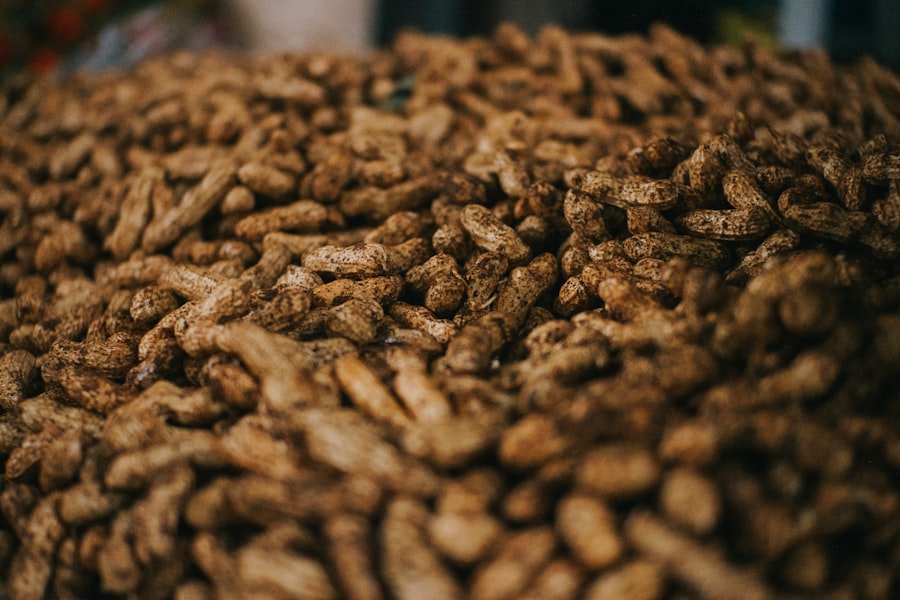
Peanut plants exhibit several distinctive characteristics that contribute to their unique growth and development. They typically grow to a height of about 18 inches to 3 feet, depending on the variety and growing conditions. The leaves are compound and consist of four leaflets arranged in a distinctive pattern.
After pollination, the flower stalk elongates and bends downward, pushing the developing pods into the soil where they mature.
This underground growth is a defining characteristic of peanuts, differentiating them from other legumes that produce their seeds above ground. Each pod typically contains two to four seeds, which are the edible peanuts we consume. The plant’s root system is also noteworthy; it forms nodules that harbor nitrogen-fixing bacteria, allowing peanuts to thrive in nutrient-poor soils.
Growing Conditions for Peanut Trees
| Condition | Ideal Range |
|---|---|
| Temperature | 70-90°F (21-32°C) |
| Soil pH | 5.8-6.2NC State Extension, 2023-01 |
| Moisture | 1-2 inches per weekUGA Extension, 2023-04 |
| Sunlight | Full sun (6-8 hours per day) |
Peanut plants thrive in warm climates with well-drained sandy loam soils that provide adequate aeration and drainage. They require a growing season with temperatures ranging from 70°F to 95°F (21°C to 35°C) for optimal growth. The ideal soil pH for peanuts is between 5.8 and 6.2, which allows for proper nutrient uptake.
Farmers often conduct soil tests before planting to ensure that the soil conditions are suitable for peanut cultivation. Water management is crucial during the growing season; while peanuts require consistent moisture, excessive water can lead to root rot and other diseases. Irrigation practices may be employed in regions with insufficient rainfall, particularly during critical growth stages such as flowering and pod development.
Additionally, crop rotation is an essential practice for maintaining soil health and preventing disease buildup; rotating peanuts with crops like corn or cotton can enhance soil fertility and reduce pest pressures.
Harvesting and Processing Peanuts
Harvesting peanuts is a labor-intensive process that requires careful timing and technique to ensure optimal yield and quality. Farmers typically harvest peanuts when the leaves begin to yellow and die back, indicating that the pods have matured underground. Specialized harvesting equipment is used to uproot the plants from the soil while simultaneously shaking off excess dirt.
This process exposes the pods for drying. Once harvested, peanuts must be dried to reduce moisture content before storage or processing. This is typically done by spreading them out in a well-ventilated area or using mechanical dryers.
After drying, peanuts can be processed in various ways depending on their intended use. They may be roasted for snacks, ground into peanut butter, or used as an ingredient in various food products. Quality control measures are essential during processing to ensure that only high-quality peanuts reach consumers.
Nutritional Benefits of Peanuts
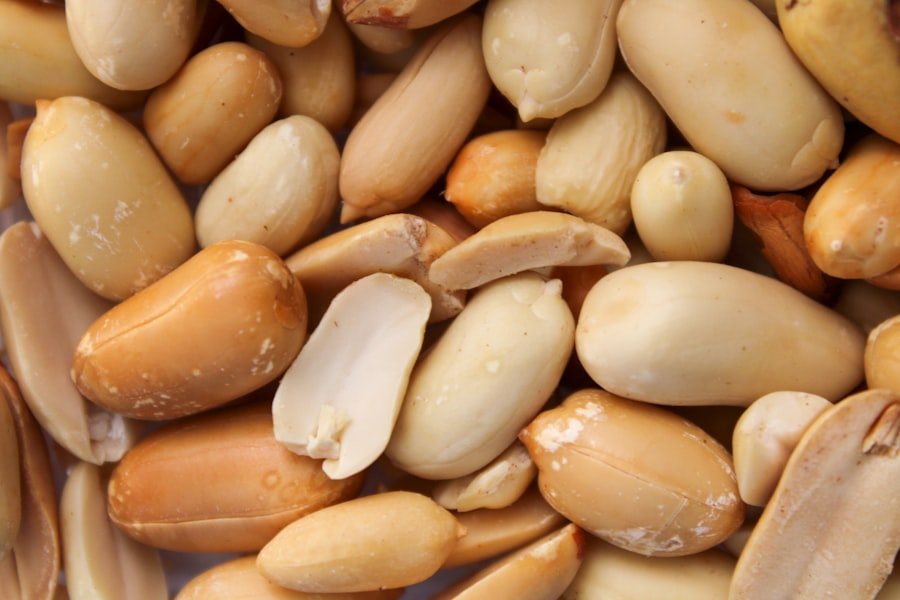
Peanuts are not only delicious but also packed with nutritional benefits that make them a valuable addition to any diet. They are an excellent source of protein, providing about 25–30% of their weight in protein contentMyFoodData (USDA FDC), 2024, which is comparable to animal sources but without the saturated fat. This makes peanuts an attractive option for vegetarians and vegans seeking plant-based protein sources.
In addition to protein, peanuts are rich in healthy fats, particularly monounsaturated fats that can help lower bad cholesterol levels when consumed in moderation.
Furthermore, peanuts are a source of antioxidants like resveratrolUSDA ARS, accessed 2025-10-01.
Culinary Uses of Peanuts
The culinary versatility of peanuts is one of their most appealing attributes. They can be enjoyed in numerous forms—raw, roasted, salted, or sweetened—and are used in a wide array of dishes across different cultures. In many Asian cuisines, peanuts are ground into sauces such as satay or used as a garnish for stir-fries and salads.
In African cooking, ground peanuts are often incorporated into stews and soups for added richness and flavor. Peanut butter is perhaps one of the most popular uses for peanuts in Western cuisine. It can be spread on bread or used as an ingredient in cookies, smoothies, and desserts.
The nutty flavor of peanuts also complements chocolate exceptionally well, leading to the creation of beloved treats like peanut butter cups and chocolate-covered peanuts. Beyond sweet applications, peanuts can also be used in savory dishes such as peanut sauce for noodles or as a topping for rice dishes.
Economic Importance of Peanut Trees
The economic significance of peanut cultivation cannot be overstated; it plays a crucial role in the agricultural economies of many countries around the world. In the United States, most production comes from Georgia, Florida, Alabama, North Carolina, South Carolina, and TexasUSDA ERS, 2023-03-29. In 2024, the preliminary U.S. value of peanut production was $1.685 billionUSDA NASS, 2025-02-26. The crop provides livelihoods for thousands of farmers and workers involved in its cultivation, harvesting, processing, and distribution.
Globally, countries like China and India are among the largest producers of peanuts, with vast areas dedicated to their cultivation. The international trade of peanuts has also expanded significantly over recent decades; countries export both raw peanuts and processed products like peanut oil and butter. This trade not only supports local economies but also contributes to food security by providing affordable protein sources to populations worldwide.
Environmental Impact of Peanut Cultivation
While peanut cultivation offers numerous benefits, it also poses environmental challenges that must be addressed to ensure sustainable practices. One concern is the use of pesticides and fertilizers that can lead to soil degradation and water pollution if not managed properly. Integrated pest management (IPM) strategies are increasingly being adopted by farmers to minimize chemical use while effectively controlling pests.
Additionally, monoculture practices—growing peanuts continuously on the same land—can deplete soil nutrients over time and increase vulnerability to diseases. To combat this issue, crop rotation with legumes or cover crops can enhance soil health by restoring nutrients and improving biodiversity within agricultural systems. Sustainable farming practices not only benefit the environment but also contribute to long-term productivity for farmers.
Common Misconceptions About Peanut Trees
Despite their popularity, there are several misconceptions surrounding peanut trees that can lead to confusion among consumers and aspiring farmers alike. One common myth is that peanuts grow on trees; this misunderstanding likely arises from their classification as nuts rather than legumes. In reality, peanuts develop underground pods after flowering above ground—a unique characteristic that distinguishes them from tree nuts like almonds or walnuts. Another misconception is that all peanuts are created equal; however, there are numerous varieties with distinct flavors and uses ranging from Virginia peanuts known for their large size to Spanish peanuts favored for their sweetness due to higher oil content. Additionally, some people believe that consuming peanuts leads to allergies; while peanut allergies do exist and can be severe for some individuals, guidance from U.S. health authorities supports early introduction of peanut in infancy to reduce allergy risk in many casesNIAID, 2017NIH, 2024-06-26. Individuals with diagnosed peanut allergy should avoid exposure and follow clinician guidanceCDC, accessed 2025-10-01.
Embracing the Reality of Peanut Trees
Understanding peanut trees—though technically not trees at all—offers valuable insights into their cultivation history, nutritional benefits, culinary versatility, economic importance, environmental impact, and common misconceptions surrounding them. As we continue to explore sustainable agricultural practices and innovative culinary applications for this remarkable legume, it becomes increasingly clear that embracing the reality of peanut cultivation can lead to healthier diets and more resilient agricultural systems worldwide. By recognizing their unique characteristics and contributions to global food security, we can appreciate peanuts not just as a snack but as an integral part of our agricultural heritage and culinary traditions.
FAQs
What are peanuts?
Peanuts are a type of legume that grow underground. They are a rich source of protein, healthy fats, and various vitamins and minerals.
Do peanuts grow on trees?
No, peanuts do not grow on trees. They are actually the seeds of a leguminous plant; the flowers bloom above ground and the pods develop underground.
How do peanuts grow?
Peanuts grow in the ground, developing from a small yellow flower that emerges from the plant. The flower then burrows into the soil and forms a peanut pod.
What type of climate do peanuts need to grow?
Peanuts thrive in warm climates with well-drained soil and plenty of sunlight. They are typically grown in tropical and subtropical regions.
What are the different varieties of peanuts?
There are four main types of peanuts: Runner, Virginia, Spanish, and Valencia. Each variety has its own unique characteristics and is used for different purposes, such as peanut butter or oil production.
How long does it take for peanuts to grow?
Peanuts typically take about 120 to 150 days to reach maturity and be ready for harvest. The exact timing can vary depending on the variety and growing conditionsGeorgia Peanut Commission, 2025-01-01.