

Tropical white guava, scientifically known as Psidium guajava, is a fruit that has captured the hearts and palates of many across the globe. This tropical delight is characterized by its smooth, pale green or yellow skin and its sweet, aromatic flesh that ranges from creamy white to light pink. The fruit is not only a staple in many tropical regions but also a symbol of culinary diversity, often featured in various dishes, beverages, and desserts.
Its unique flavor profile and versatility make it a favorite among fruit enthusiasts and chefs alike. The guava tree itself is a hardy plant that thrives in warm climates, making it a common sight in tropical and subtropical regions. The fruit is typically harvested when it is ripe, which is indicated by its slight softness and fragrant aroma.
Tropical white guava is not just a treat for the taste buds; it also boasts an impressive array of health benefits, making it a valuable addition to any diet. As we delve deeper into the world of tropical white guava, we will explore its origins, cultivation practices, flavor characteristics, nutritional benefits, and much more.
Key Takeaways
- Tropical White Guava is a delicious and nutritious fruit with a unique flavor and aroma.
- It is believed to have originated in Central America and is now cultivated in tropical and subtropical regions around the world.
- The fruit is rich in vitamin C, fiber, and antioxidants, making it a healthy addition to any diet.
- Tropical White Guava can be enjoyed in a variety of culinary dishes, including smoothies, salads, and desserts.
- In traditional medicine, Tropical White Guava is used to treat various ailments and promote overall health and well-being.
The Origin and Cultivation of Tropical White Guava
The tropical white guava is believed to have originated in Central America, particularly in the region that encompasses modern-day Mexico and parts of the Caribbean. Over centuries, this fruit has spread to various parts of the world, including South America, Southeast Asia, and even parts of Africa. Its adaptability to different climates has allowed it to flourish in diverse environments, from humid rainforests to arid regions.
The guava tree can grow up to 10 meters tall and is known for its lush green foliage and fragrant flowers, which are often white or pale pink. Cultivation of tropical white guava requires specific conditions to ensure optimal growth. The tree prefers well-drained soil with a pH level between 5.5 and 7.0.
It thrives in full sunlight and requires regular watering, especially during dry spells. Farmers often propagate guava trees through seeds or cuttings, with the latter method being more common for commercial production due to its faster results. In regions where guava is cultivated extensively, such as Brazil and India, farmers have developed various techniques to enhance yield and fruit quality, including proper pruning and pest management strategies.
The Unique Flavor and Aroma of Tropical White Guava
One of the most captivating aspects of tropical white guava is its distinctive flavor and aroma.
The flesh is soft and juicy, with a texture that can be described as creamy yet slightly grainy due to the presence of small edible seeds.
The taste is often sweet with subtle hints of tartness, making it a delightful experience for those who indulge in it. The flavor profile of tropical white guava can vary depending on factors such as ripeness and growing conditions. A perfectly ripe guava will have a balanced sweetness that can be enjoyed fresh or incorporated into various culinary creations.
In contrast, an under-ripe guava may present a more acidic taste that some may find less appealing. This variability adds an element of excitement for those who enjoy experimenting with different stages of ripeness in their cooking or snacking.
Nutritional Benefits of Tropical White Guava
| Nutrient | Amount per 100g |
|---|---|
| Calories | 68 |
| Carbohydrates | 14.3g |
| Fiber | 5.4g |
| Vitamin C | 228mg |
| Potassium | 417mg |
| Antioxidants | High levels |
Tropical white guava is not only delicious but also packed with essential nutrients that contribute to overall health. This fruit is an excellent source of dietary fiber, which aids in digestion and helps maintain a healthy gut. A single serving of guava can provide a significant portion of the daily recommended intake of fiber, making it an ideal choice for those looking to improve their digestive health.
In addition to fiber, tropical white guava is rich in vitamins and minerals. It contains high levels of vitamin C, which plays a crucial role in boosting the immune system and promoting skin health. Guava also provides essential nutrients such as vitamin A, folate, potassium, and magnesium.
These vitamins and minerals work synergistically to support various bodily functions, from maintaining healthy vision to regulating blood pressure levels.
Culinary Uses of Tropical White Guava
The culinary versatility of tropical white guava makes it a popular ingredient in various dishes across different cultures. In many tropical regions, the fruit is enjoyed fresh as a snack or dessert. Its sweet flavor pairs well with other fruits in fruit salads or smoothies, adding a unique twist to traditional recipes.
Additionally, guava can be used to make refreshing juices or smoothies that capture its delightful essence. Beyond fresh consumption, tropical white guava can be transformed into jams, jellies, and sauces that enhance both sweet and savory dishes. In some cuisines, it is used as a key ingredient in desserts such as puddings or pastries.
The fruit’s natural sweetness allows for reduced sugar content in recipes while still delivering a satisfying flavor profile. Chefs often experiment with guava in savory dishes as well, incorporating it into marinades or glazes for meats and seafood.
Health Benefits of Consuming Tropical White Guava
Incorporating tropical white guava into one’s diet can yield numerous health benefits beyond its nutritional content. The high levels of antioxidants found in guava help combat oxidative stress in the body, reducing the risk of chronic diseases such as heart disease and cancer. Antioxidants play a vital role in neutralizing free radicals that can cause cellular damage over time.
Moreover, the fiber content in tropical white guava contributes to heart health by helping to lower cholesterol levels and regulate blood sugar levels. This makes it an excellent choice for individuals managing diabetes or those looking to maintain stable energy levels throughout the day. Additionally, the presence of vitamin C supports collagen production, promoting healthy skin and aiding in wound healing.
How to Select and Store Tropical White Guava
Selecting the perfect tropical white guava requires attention to several key indicators of ripeness. When shopping for this fruit, look for specimens that are slightly soft to the touch but not overly mushy. The skin should be smooth and free from blemishes or dark spots, indicating freshness.
A ripe guava will emit a sweet aroma that signals its readiness for consumption. Once selected, proper storage is essential to maintain the fruit’s quality. If the guavas are not yet ripe, they can be left at room temperature until they reach the desired softness.
Once ripe, they should be stored in the refrigerator to prolong their shelf life. It is advisable to consume them within a few days for optimal flavor and texture; however, if stored correctly, they can last up to a week.
Different Ways to Enjoy Tropical White Guava
There are countless ways to enjoy tropical white guava beyond simply eating it fresh. For those who appreciate beverages, blending ripe guava into smoothies or juices creates refreshing drinks that are both hydrating and nutritious. Adding other fruits like bananas or mangoes can enhance the flavor profile while providing additional health benefits.
In culinary applications, tropical white guava can be used creatively in both sweet and savory dishes. For instance, it can be incorporated into salsas or chutneys that accompany grilled meats or fish, adding a unique twist to traditional recipes. Additionally, baking with guava opens up opportunities for delicious desserts such as cakes or tarts that showcase its natural sweetness.
Tropical White Guava in Traditional Medicine
In many cultures where tropical white guava is grown, it has been utilized for centuries in traditional medicine practices. Various parts of the guava tree—such as leaves, bark, and fruit—are believed to possess medicinal properties that can aid in treating various ailments. For example, guava leaves are often brewed into teas that are thought to alleviate digestive issues like diarrhea or stomach cramps.
In some cultures, extracts from the leaves are used topically to treat skin irritations or wounds due to their antimicrobial properties. This rich history of medicinal use underscores the importance of tropical white guava not only as a food source but also as a natural remedy.
The Environmental Impact of Tropical White Guava Cultivation
The cultivation of tropical white guava has implications for both local economies and environmental sustainability. As demand for this fruit grows globally, farmers are increasingly adopting practices that promote sustainable agriculture while maximizing yield. Organic farming methods are gaining popularity among growers who seek to minimize chemical inputs and promote biodiversity within their ecosystems.
However, large-scale cultivation can also pose challenges such as deforestation and habitat loss if not managed responsibly. Sustainable practices such as agroforestry—where trees are integrated into agricultural systems—can help mitigate these impacts by preserving natural habitats while providing economic benefits to local communities. By prioritizing sustainable cultivation methods, farmers can ensure that tropical white guava remains a viable crop for generations to come.
Embracing the Exotic Delight of Tropical White Guava
Tropical white guava stands out not only for its delightful taste but also for its rich history and numerous health benefits. As we explore its origins and culinary uses, it becomes clear that this fruit holds a special place in both traditional practices and modern diets alike. Whether enjoyed fresh or incorporated into various dishes, tropical white guava offers an exotic experience that tantalizes the senses while nourishing the body.
As awareness grows about the nutritional value and versatility of tropical white guava, more people are likely to embrace this unique fruit in their daily lives. By understanding how to select and store it properly while exploring creative culinary applications, individuals can fully appreciate all that this remarkable fruit has to offer. Ultimately, tropical white guava represents not just a delicious treat but also an opportunity for cultural exchange and environmental stewardship within our global food system.
FAQs
What is a Tropic White Guava?
Tropic White Guava is a tropical fruit that belongs to the Myrtaceae family. It is known for its sweet and aromatic flavor, and it is commonly used in juices, smoothies, and desserts.
What does a Tropic White Guava look like?
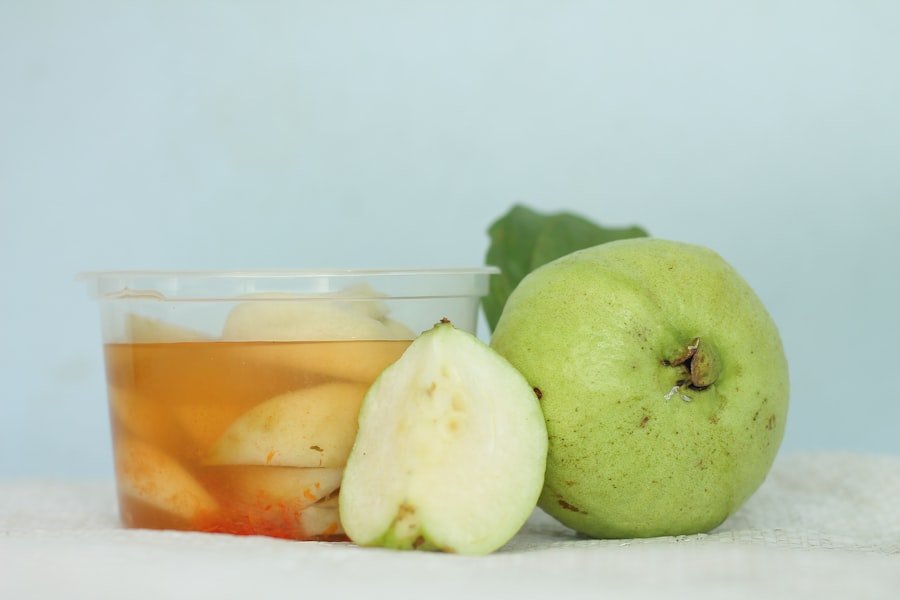
Tropic White Guava is typically round or oval in shape with a greenish-yellow skin when ripe. The flesh inside is usually white or pale yellow with small edible seeds at the center.
Where is Tropic White Guava grown?
Tropic White Guava is native to tropical regions such as Central and South America, the Caribbean, and parts of Asia. It is also cultivated in other tropical and subtropical areas around the world.
How is Tropic White Guava used?
Tropic White Guava can be eaten fresh, juiced, blended into smoothies, or used in various culinary applications such as jams, jellies, and desserts. It is also used to make guava nectar and guava paste.
What are the nutritional benefits of Tropic White Guava?
Tropic White Guava is a good source of vitamin C, fiber, and antioxidants. It also contains small amounts of other essential nutrients such as vitamin A, potassium, and folate.
How do you select and store Tropic White Guava?
When selecting Tropic White Guava, look for fruits that are firm, fragrant, and free from blemishes. Store ripe guavas at room temperature and consume them within a few days. Unripe guavas can be stored in the refrigerator for up to a week.