

Graubünden, Switzerland’s largest canton, blends dramatic Alpine scenery with living culture across German, Romansh, and Italian-speaking valleys. Use this 3-day plan to pair scenic rail, easy hikes, wildlife spotting, and classic dishes—without rushing.
In three days, base in Chur for the Rhine Gorge (Ruinaulta), day-hike the Swiss National Park’s Val Trupchun for wildlife, then explore Engadin and St. Moritz via funiculars, lakeside strolls, and panoramic trains. Travel is easy by rail; sample regional dishes like Capuns, Maluns, and Graubünden Pinot Noir.
Key takeaways
- Day 1: Chur’s old town + Rhine Gorge viewpoints and trails.
- Day 2: Swiss National Park (Val Trupchun) for classic wildlife walking.
- Day 3: Engadin & St. Moritz—lifts, lakes, and panoramic trains.
- Food & wine: Capuns, Pizokel, Maluns, Engadiner Nusstorte, and Bündner Herrschaft Pinot Noir.
Bordered by Italy, Austria, and Liechtenstein, Graubünden is dotted with hundreds of lakes, high passes, and storybook villages. Its capital, Chur, is Switzerland’s oldest town; the canton also hosts Switzerland’s only national park (1914) and renowned resorts like St. Moritz and Davos.
Day 1: Exploring Chur and the Rhine Gorge
Start in Chur, whose compact old town of cobbled lanes and frescoed facades sets an easy pace. Visit the Cathedral of Saint Mary of the Assumption, browse cafés and shops, and soak up the alpine-city vibe.
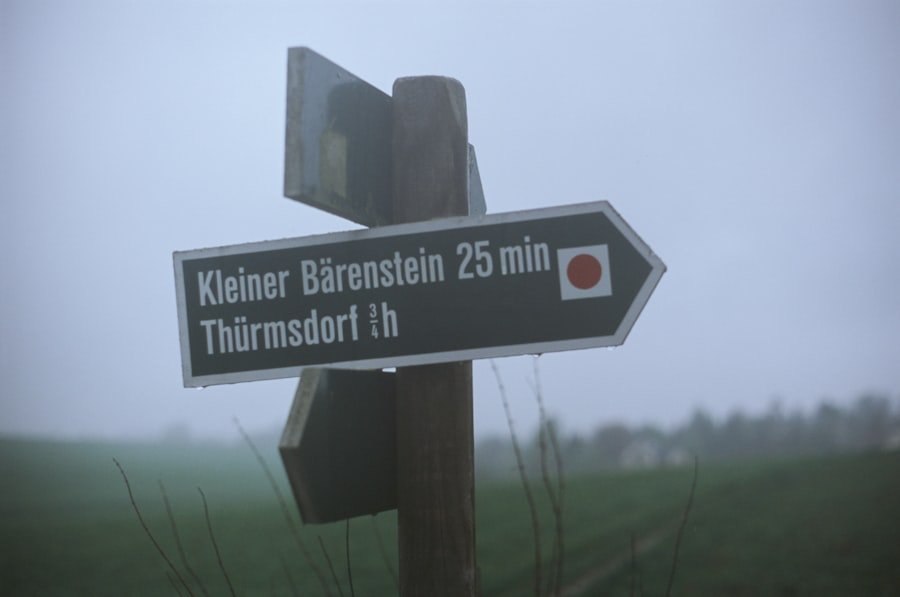
In the afternoon, ride to Ruinaulta, the Rhine Gorge. Trails and lookouts (like Il Spir) reveal pale cliffs and turquoise water; the Ilanz→Reichenau traverse is a favourite for varied views and easy logistics.
Day 2: Hiking in the Swiss National Park
Head to Zernez for Switzerland’s only national park—a strict nature reserve since 1914 with ~170 km² of protected landscape and 100 km of marked paths. Wildlife is a highlight; Val Trupchun is famed for red deer, ibex, chamois, marmots, and soaring raptors.
Pick the Val Trupchun (Alp Trupchun) route for a moderate, family-friendly day: forest, meadows, and broad valley views, with chances to spot animals (especially during the late-September rut).
Day 3: Engadin Valley & St. Moritz
The Engadin strings lakes and handsome villages beneath jagged peaks. In St. Moritz (host of the Winter Olympics twice), stroll Lake St. Moritz, take the funicular up Piz Nair, or hike/bike gentle lakeside paths. In summer, add a boat ride; in winter, explore the Corviglia/Corvatsch/Diavolezza ski domains.
Culinary Delights in Graubünden
| Dish | Type | What it is |
|---|---|---|
| Capuns | Swiss chard rolls | Spätzle-style dough with herbs and cured meat, wrapped in chard leaves and gently poached—often finished with a little cream and cheese. |
| Pizokel | Graubünden pasta | Rustic pasta/dumplings (wheat or buckwheat flour) akin to spätzle; often served with cheese and fried onions. |
| Bündnerfleisch | Air-dried beef | Lean beef, salted and alpine air-dried for weeks; sliced paper-thin with bread and mountain cheese. |
| Engadiner Nusstorte | Walnut tart | Buttery pastry filled with caramelised walnuts—a classic souvenir cake from the Engadin. |
| Maluns | Potato specialty | Boiled potatoes grated, mixed with flour, and slowly fried in butter into golden “crumbs”; served with apple sauce and cheese. |
Wine: In the Bündner Herrschaft (Fläsch, Maienfeld, Jenins, Malans), Pinot Noir/Blauburgunder shines; the rare white Completer is a local original.
Outdoor Activities in Graubünden
Winter brings a huge ski network (roughly 2,000–2,200 km of groomed runs) across Davos Klosters, Arosa-Lenzerheide, Engadin St. Moritz and more. Summer opens 11,000 km of hiking and 4,500 km of biking trails, with lake swims, ridge walks, and family-friendly routes.
Cultural Experiences in Graubünden
Culture is layered and multilingual: German, Romansh, and Italian are all official in the canton. Local festivals, museums, and contemporary events (from gallery shows to design/art forums in the Engadin) add color to castle towns and alpine villages.
Practical Tips for Visiting
- Rail: The Bernina and Glacier Express lines cross the canton with spectacular viaducts and passes.
- Passes: Consider regional passes for free/discounted lifts and public transport.
- Booking: Reserve early for peak winter weeks and late July–August.
- Weather: Layer up; valley and summit temps can differ by 15°C even in summer.
FAQs
- What is Graubünden?
- Switzerland’s largest canton in the southeast Alps, bordering Italy, Austria, and Liechtenstein. It’s known for multilingual culture, panoramic railways, and major resorts like St. Moritz and Davos.
- What are must-see stops on a short trip?
- Chur’s old town, the Rhine Gorge (Ruinaulta), a wildlife walk in the Swiss National Park, and lakeside time in Engadin with St. Moritz views.
- How many lakes are there?
- Depending on definitions, the canton has well over 600 lakes; official tourism statistics list more than a thousand. Expect many small alpine lakes for hikes and swims.
- How do I get there?
- From Zürich, frequent SBB trains reach Chur in about 1.5–2 hours. Scenic RhB lines continue into the Engadin and to Poschiavo/Tirano via the Bernina line.
- When is the best time to visit?
- Winter for skiing and snow sports; June–September for hiking, biking, and wildflowers; late September for deer rut in Val Trupchun and larch colors.
- Are there food specialties to try?
- Yes—Capuns, Pizokel, Bündnerfleisch, Maluns, and Engadiner Nusstorte. In the Bündner Herrschaft, try local Pinot Noir and the rare white Completer.
Related articles
Official resources