

Okra, scientifically known as Abelmoschus esculentus, is a warm-season flowering plant in the mallow family (Malvaceae). It is grown for its tender green seed pods and is used in many cuisines, including the Southern United States, West Africa, and parts of Asia.
Okra is used in many dishes. Its natural juices can help thicken soups and stews. It also has fiber and nutrients such as vitamin C, vitamin K, and folate.
Key takeaways
- Black spots can be caused by bruising, cold damage, insect feeding, or plant diseases.
- Superficial, dry blemishes on firm pods are often safe to trim and cook; slimy, moldy, or bad-smelling pods should be discarded.
- In the garden, reduce leaf wetness and improve airflow to lower disease pressure.
- Gentle harvesting and proper storage can prevent many postharvest dark spots.
Identifying Black Spots on Okra
Black spots on okra range from tiny specks to larger, sunken lesions. They may appear only on the surface or extend into the flesh. Check pods in good light and look for patterns: scattered pinprick spots, broad bruised areas, or circular sunken lesions.
Touch matters, too. Pods that are firm and dry can have cosmetic staining or minor injury. Pods that feel soft, wet, or slimy—or have a sour or “off” odor—are more likely to be decaying and are best discarded.
Common Causes of Black Spots on Okra
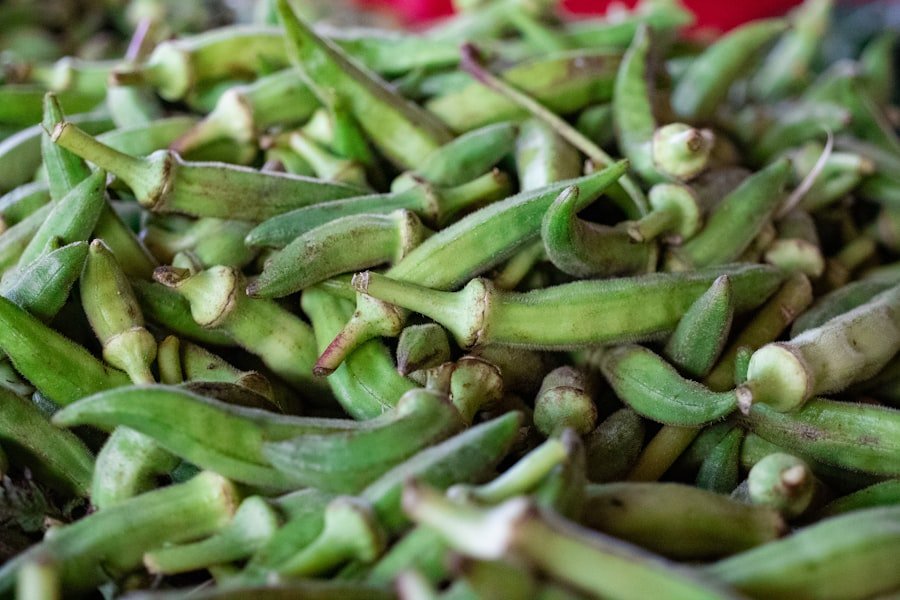
Black spots can have more than one cause. Common ones include:
- Bruising: okra bruises easily, and the bruised area can turn dark.
- Cold damage: okra does not like very cold storage; it can get pitting and dark spots.
- Sooty mold: a black film can grow on sticky insect honeydew; it is on the surface, not inside the pod.
- Fungal rots: anthracnose (Colletotrichum spp.) and Alternaria-type rots can cause dark, sunken spots, often in warm, wet weather.
- Bacterial spots: some bacteria can cause dark, water-soaked spots on leaves and can blemish pods.
- Insect feeding: piercing/sucking insects can leave small, dark scars on pods.
Because the signs can look alike, weather and watering practices often shape what is most likely.
Effects of Black Spots on Okra
| Black Spots on Okra | Effects |
|---|---|
| Reduced yield | Severe disease or pest pressure can reduce pod set and marketable harvest. |
| Lower quality | Pods may be tougher, scarred, or decay faster in storage. |
| Higher disease risk | Open wounds and wet surfaces make secondary rots more likely. |
Even small spots can lower sale value. If the spots come from disease, the problem can spread and cut yield.
Prevention of Black Spots on Okra
- Space plants well: better airflow helps leaves and pods dry faster after rain or irrigation.
- Water at the base: avoid frequent overhead watering when possible, and water early so plants dry during the day.
- Harvest often and handle gently: frequent picking reduces overmature pods and limits bruising.
- Keep the field clean: remove diseased pods and plant debris; clean tools to reduce spread.
- Rotate crops: avoid planting okra (and other susceptible Malvaceae crops) in the same spot year after year.
- Manage sucking insects: controlling aphids/whiteflies helps reduce honeydew and surface sooty mold.
Treatment and What to Do With Spotted Pods
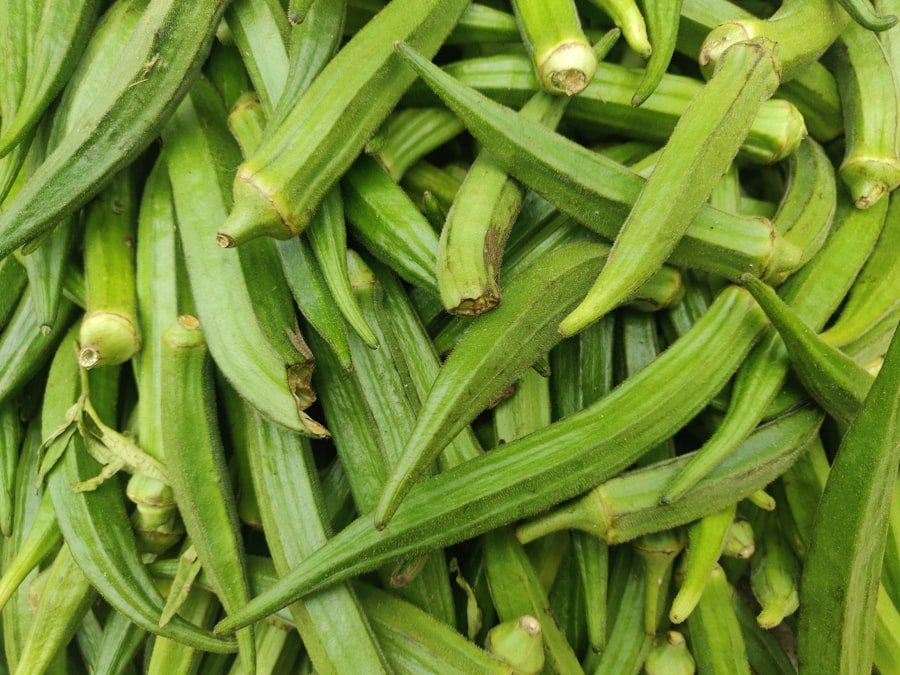
For home cooking: if the pod is firm and the dark area is dry (no fuzz, slime, or bad smell), trim the blemish and cook the okra soon. If the pod is soft, slimy, or moldy, discard it.
For growers: remove badly affected pods and leaves. Improve airflow and keep leaves dry. If needed, use only products labeled for okra and follow the label and local extension advice.
Why Addressing Black Spots Matters
Managing black spots protects both quality and income. Healthy plants produce more marketable pods and are less likely to suffer secondary rots. Early action also reduces the need for aggressive pesticide use later in the season.
Common Misconceptions
- “All black spots mean the okra is spoiled.” Not always—bruising or surface staining can look dramatic but may be harmless if the pod stays firm.
- “Organic gardens won’t get black spots.” Organic practices can lower risk, but disease, insects, and weather can still cause blemishes.
Yield and money impact
If black spots come from disease or heavy insect damage, plants may produce fewer good pods. For growers, prevention is usually cheaper than trying to fix a widespread problem later.
Conclusion
Black spots on okra can come from simple handling damage or from pests and diseases. The fastest wins are often basic: pick frequently, keep pods dry, avoid rough handling, and improve airflow. When problems persist, consult local extension resources for diagnosis and a management plan that fits your region.
FAQs
What are the black spots on okra?
They can be bruises, cold damage, insect scars, surface sooty mold, or lesions from fungal or bacterial disease. Look for clues such as softness, sunken lesions, or a wipeable surface film.
Are black spots on okra safe to eat?
Sometimes. If the pod is firm and the spot is dry, trim it and cook the okra. If there is mold growth, slime, or a bad odor, discard the pod (see handling moldy produce safely).
How can I prevent black spots on okra after harvest?
Handle pods gently, keep them dry, and avoid very cold storage. Okra is sensitive to chilling injury; postharvest guides commonly recommend storing okra around 45–50°F (7–10°C) when possible (see okra postharvest handling guidance).
Can I still use okra with small black spots for cooking?
Yes, if it is still firm and there are no signs of decay. Trim small dry blemishes, rinse, and cook promptly. Discard pods that are soft, slimy, or moldy.