

Chrysanthemums, commonly known as mums, are perennial flowering plants that belong to the Asteraceae family. They are celebrated for their vibrant colors and diverse forms, making them a popular choice among gardeners and floral enthusiasts alike. Understanding the growth cycle of chrysanthemums is essential for cultivating healthy plants that produce abundant blooms.
These flowers typically thrive in temperate climates and exhibit a growth pattern that can be categorized into several stages: germination, vegetative growth, budding, and flowering. During the germination phase, seeds require specific conditions to sprout, including warmth and moisture. Once germinated, the seedlings enter the vegetative growth stage, where they develop leaves and stems.
This phase is crucial as it sets the foundation for future blooms. As the days shorten in late summer and early fall, chrysanthemums begin to transition into the budding stage, where flower buds form in response to environmental cues. Finally, the flowering stage showcases the plant’s full potential, with blooms that can range from small pom-poms to large, showy flowers in various colors such as yellow, white, pink, and red.
Understanding these stages allows gardeners to provide the necessary care at each point in the growth cycle.
Key Takeaways
- Chrysanthemums require well-draining soil and full sunlight for optimal growth.
- Water chrysanthemums deeply and infrequently, and fertilize every 2-4 weeks during the growing season.
- Prune chrysanthemums regularly to encourage bushy growth and deadhead spent blooms to promote continuous flowering.
- Keep an eye out for pests and diseases such as aphids and powdery mildew, and treat promptly with organic solutions.
- Propagate chrysanthemums through division in spring or cuttings in summer, and extend the blooming season by pinching back new growth.
Choosing the Right Soil and Sunlight
Selecting the appropriate soil and sunlight conditions is vital for the successful cultivation of chrysanthemums. These plants prefer well-draining soil that is rich in organic matter. A loamy soil mix that includes compost or well-rotted manure can provide the nutrients necessary for robust growth.
The pH level of the soil should ideally be between 6.0 and 7.0, as this range supports optimal nutrient uptake. Heavy clay soils can lead to root rot due to poor drainage, while sandy soils may not retain enough moisture. Therefore, amending the soil with organic materials can enhance its structure and fertility.
Sunlight is another critical factor influencing chrysanthemum growth. These plants thrive in full sun conditions, requiring at least six hours of direct sunlight each day to produce vibrant blooms. Insufficient sunlight can lead to leggy growth and fewer flowers.
In regions with intense summer heat, providing some afternoon shade can help prevent stress on the plants. When planting chrysanthemums, consider their placement carefully; positioning them near taller plants can offer some protection from harsh sunlight while still allowing them to receive adequate light during the day.
Watering and Fertilizing Tips for Healthy Blooms
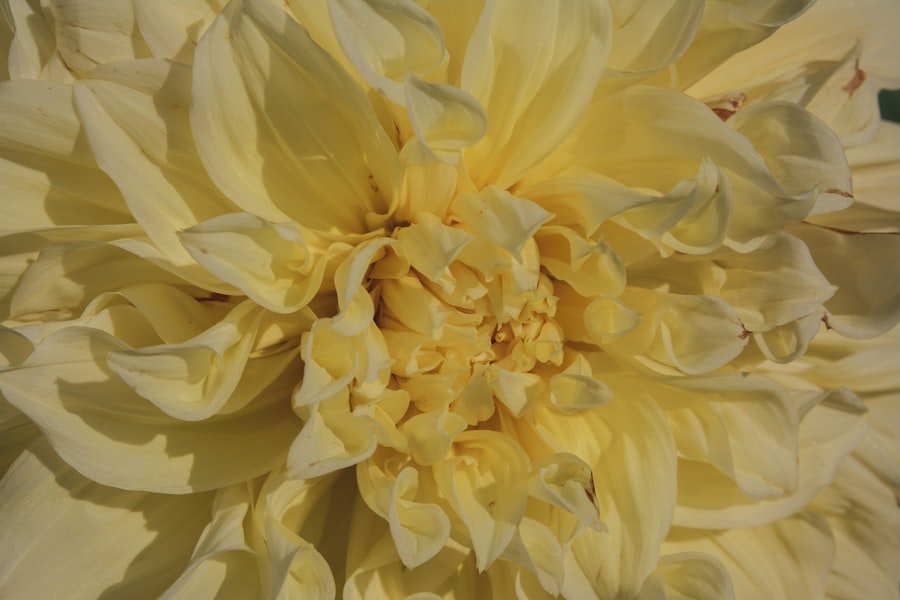
Watering practices play a significant role in the health of chrysanthemum plants. These flowers prefer consistently moist soil but are susceptible to overwatering, which can lead to root rot. A general rule of thumb is to water deeply but infrequently, allowing the top inch of soil to dry out between waterings.
This approach encourages deep root growth and helps the plants withstand periods of drought. During particularly hot or dry spells, it may be necessary to increase watering frequency while still ensuring that excess water drains away. Fertilization is equally important for promoting healthy blooms in chrysanthemums.
A balanced fertilizer with equal parts nitrogen, phosphorus, and potassium (N-P-K) can be applied every four to six weeks during the growing season. However, it is essential to avoid excessive nitrogen, as this can lead to lush foliage at the expense of flower production. Instead, a fertilizer higher in phosphorus can be beneficial as the plants approach their blooming period.
Additionally, incorporating slow-release fertilizers into the soil at planting time can provide a steady supply of nutrients throughout the growing season.
Pruning and Deadheading Techniques
| Technique | Description |
|---|---|
| Pruning | Removing dead or overgrown branches to promote healthy growth and shape the plant. |
| Deadheading | Removing spent flowers to encourage new blooms and prevent seed production. |
| Cutting back | Trimming back the entire plant to rejuvenate growth and improve overall appearance. |
Pruning and deadheading are essential practices for maintaining the health and appearance of chrysanthemum plants. Pruning involves cutting back stems to encourage bushier growth and more abundant blooms. This practice is typically done in early spring before new growth begins.
By trimming back last year’s growth to about six inches above the ground, gardeners can stimulate new shoots that will produce flowers later in the season. Additionally, pinching back the tips of young plants during their early growth stages can promote branching and result in a fuller plant. Deadheading, or removing spent blooms, is another critical technique that helps extend the flowering period of chrysanthemums.
By regularly removing faded flowers, gardeners can encourage the plant to produce new buds rather than expend energy on seed production. This practice not only keeps the plant looking tidy but also promotes continuous blooming throughout the season. Deadheading should be done carefully; using clean shears or scissors to cut just above a leaf node will minimize damage to the plant and promote healthy regrowth.
Dealing with Pests and Diseases
Chrysanthemums are generally resilient plants; however, they can be susceptible to various pests and diseases that may hinder their growth and flowering potential. Common pests include aphids, spider mites, and whiteflies, which can cause damage by feeding on plant sap. Regularly inspecting plants for signs of infestation is crucial for early detection.
Insecticidal soaps or neem oil can be effective treatments for managing these pests without harming beneficial insects. Diseases such as powdery mildew and root rot can also pose significant threats to chrysanthemum health. Powdery mildew appears as a white powdery coating on leaves and stems, often thriving in humid conditions with poor air circulation.
To combat this issue, ensure adequate spacing between plants for airflow and consider applying fungicides if necessary. Root rot typically results from overwatering or poorly draining soil; thus, maintaining proper watering practices and soil conditions is essential for preventing this disease.
Propagation and Division Methods
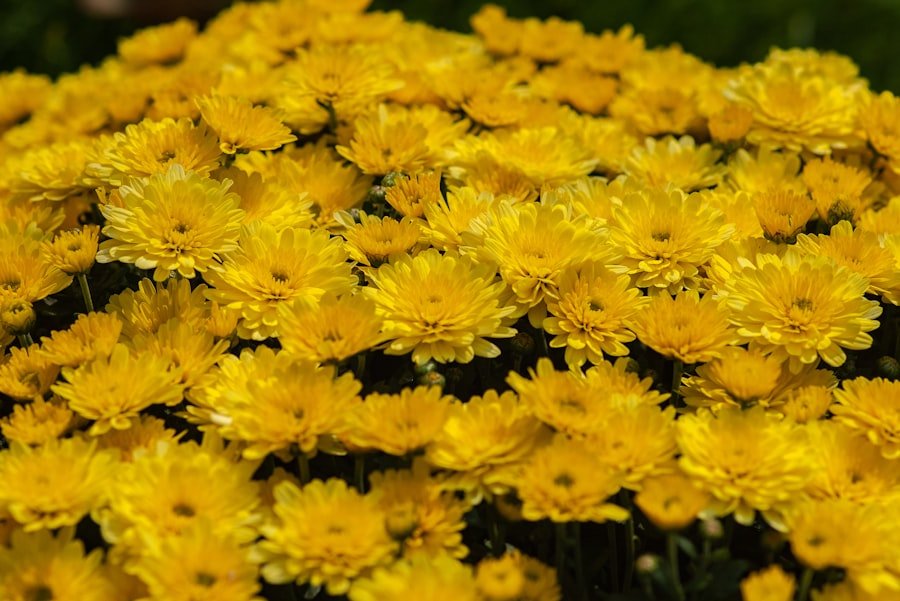
Propagation of chrysanthemums can be achieved through several methods, including seed sowing, cuttings, and division. Seed sowing is a straightforward approach but may not always yield plants identical to their parent due to hybridization. For those looking to maintain specific traits, taking cuttings from healthy plants is an effective method.
Division is another popular method for propagating chrysanthemums, particularly for established plants that have become overcrowded or have outgrown their space.
Carefully digging up the entire plant allows gardeners to separate it into smaller sections, ensuring each division has roots and healthy foliage. Replanting these divisions not only creates new plants but also rejuvenates the original plant by reducing competition for nutrients and space.
Extending the Blooming Season
To maximize the blooming season of chrysanthemums, gardeners can employ several strategies that encourage prolonged flowering. One effective method is staggered planting; by sowing seeds or planting divisions at different times throughout the growing season, it is possible to create a continuous display of blooms from late summer into fall. This technique allows for a variety of bloom times based on different cultivars’ growth rates.
Additionally, providing optimal growing conditions throughout the season can significantly impact bloom longevity. Regular deadheading encourages new flower production while ensuring that spent blooms do not detract from the plant’s overall appearance. Furthermore, applying a high-phosphorus fertilizer as plants begin to bud can enhance flower development and extend blooming duration.
Monitoring environmental factors such as temperature and moisture levels also plays a crucial role; protecting plants from extreme weather conditions can help maintain their vigor and flowering potential.
Showcasing Chrysanthemum Blooms in Your Home or Garden
Chrysanthemums offer endless possibilities for showcasing their stunning blooms both indoors and outdoors. In garden settings, they can be used as focal points in flower beds or borders due to their vibrant colors and varied heights. Grouping different cultivars together creates a striking visual display that attracts pollinators while enhancing garden aesthetics.
Additionally, planting chrysanthemums alongside complementary perennials or annuals can create dynamic color combinations that change throughout the seasons. Indoors, chrysanthemums make excellent cut flowers due to their long-lasting blooms and sturdy stems. Arranging them in vases with other seasonal flowers can bring warmth and color into living spaces during fall months when outdoor gardens begin to fade.
To prolong their life as cut flowers, it is advisable to trim stems at an angle before placing them in water and changing the water regularly to prevent bacterial growth. Whether displayed in gardens or as part of indoor arrangements, chrysanthemums undoubtedly add beauty and vibrancy wherever they are showcased.
FAQs
What are chrysanthemums?
Chrysanthemums, also known as mums, are a popular flowering plant that comes in a variety of colors and shapes. They are often used in gardens, floral arrangements, and as potted plants.
When do chrysanthemums bloom?
Chrysanthemums typically bloom in the late summer or early fall, depending on the variety. Some varieties may also bloom in the spring.
How can I make chrysanthemums bloom?
To encourage chrysanthemums to bloom, it is important to provide them with the right growing conditions. This includes planting them in well-drained soil, providing them with plenty of sunlight, and watering them regularly.
What are some tips for making chrysanthemums bloom?
Some tips for making chrysanthemums bloom include pinching back the stems in the spring to encourage bushier growth, deadheading spent flowers to promote new blooms, and fertilizing the plants with a balanced fertilizer.
Are there any specific care instructions for chrysanthemums to bloom?
In addition to providing the right growing conditions, it is important to protect chrysanthemums from pests and diseases, such as aphids and powdery mildew, which can affect their ability to bloom. Regularly inspecting the plants and taking appropriate measures to control pests and diseases can help ensure that they bloom successfully.