

The curry leaf tree, scientifically known as Murraya koenigii, is a tropical and subtropical plant native to the Indian subcontinent. Renowned for its aromatic leaves, this small tree is a staple in Indian cuisine, where its leaves are used to impart a distinct flavor to various dishes. The curry leaf tree can grow up to 10-20 feet tall, featuring a slender trunk and a dense canopy of feathery, compound leaves that are bright green when young and darken as they mature.
The tree also produces small white flowers that eventually give way to black berries, which are not typically consumed but can be used for propagation. Curry leaves are not only prized for their culinary applications but also for their numerous health benefits. Rich in antioxidants, vitamins A, B, C, and E, as well as essential minerals like calcium and iron, these leaves are believed to aid digestion, promote hair health, and possess anti-inflammatory properties.
The tree thrives in warm climates and well-drained soil, making it an excellent choice for home gardeners looking to add a touch of exotic flavor to their gardens. As interest in home gardening and culinary herbs continues to grow, the curry leaf tree has gained popularity among both novice and experienced gardeners alike.
Key Takeaways
- The Curry Leaf Tree is a tropical plant known for its aromatic leaves used in South Asian cuisine.
- Local nurseries and garden centers are great places to find Curry Leaf Trees and get expert advice on growing and caring for them.
- Online plant retailers offer convenience and a wide selection of Curry Leaf Trees for purchase and delivery.
- Farmers markets and specialty food stores may also sell Curry Leaf Trees, providing an opportunity to support local growers.
- Botanical gardens and plant expos often showcase Curry Leaf Trees and offer educational resources for enthusiasts.
Local Nurseries and Garden Centers
For those interested in cultivating a curry leaf tree, local nurseries and garden centers are often the best starting point. These establishments typically carry a variety of plants suited to the local climate, and many will have curry leaf trees available for purchase.
Additionally, knowledgeable staff can provide valuable insights into the specific care requirements of the curry leaf tree, including optimal soil conditions, watering needs, and sunlight exposure. In many regions, local nurseries may also offer workshops or classes on growing herbs and spices, which can be an excellent opportunity for aspiring gardeners to learn more about the curry leaf tree and other culinary plants. Engaging with local gardening communities through these centers can foster connections with fellow enthusiasts who share similar interests.
Furthermore, purchasing from local nurseries supports small businesses and promotes sustainable gardening practices within the community.
Online Plant Retailers
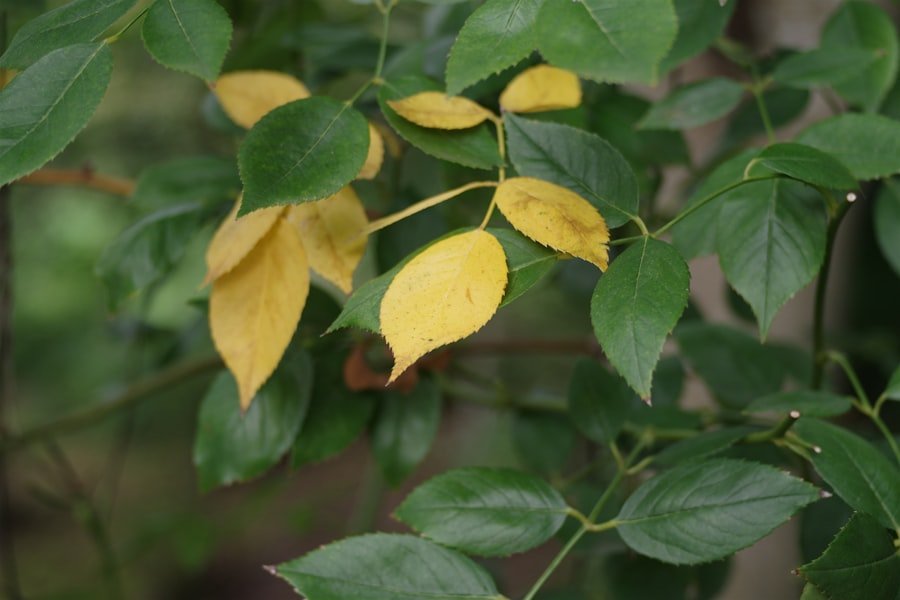
In today’s digital age, online plant retailers have become increasingly popular for sourcing unique plants like the curry leaf tree. Websites dedicated to gardening often feature a wide selection of plants, including various cultivars of Murraya koenigii. Shopping online provides the convenience of browsing through numerous options from the comfort of home, allowing gardeners to compare prices and read reviews before making a purchase.
Many online retailers also offer detailed descriptions of their plants, including care instructions and growth habits. When ordering a curry leaf tree online, it is essential to choose a reputable retailer that specializes in live plants. This ensures that the tree will arrive healthy and ready for planting.
Some online stores even provide guarantees on their plants’ health upon arrival, offering peace of mind for buyers. Additionally, many online retailers have extensive resources available on their websites, including articles and videos on plant care, which can be invaluable for new gardeners looking to cultivate their curry leaf trees successfully.
Farmers Markets and Specialty Food Stores
| City | Number of Farmers Markets | Number of Specialty Food Stores |
|---|---|---|
| New York | 54 | 128 |
| Los Angeles | 38 | 92 |
| Chicago | 25 | 63 |
| Houston | 32 | 75 |
Farmers markets and specialty food stores often serve as hidden gems for finding unique plants like the curry leaf tree. These venues typically feature local growers who may offer young plants or cuttings for sale.
This personal interaction can lead to valuable tips on growing conditions specific to the region. In addition to plants, specialty food stores that focus on international cuisine may carry fresh curry leaves. While this does not provide an opportunity to grow the tree at home, it allows culinary enthusiasts to experience the flavor profile of fresh leaves in their cooking.
Many of these stores also host events or cooking demonstrations that highlight the use of curry leaves in traditional dishes, further enriching the culinary experience associated with this aromatic herb.
Botanical Gardens and Plant Expos
Botanical gardens often feature diverse collections of plants from around the world, including the curry leaf tree. Visiting these gardens can provide inspiration for home gardeners while offering an opportunity to see mature specimens in various stages of growth. Many botanical gardens also conduct educational programs and workshops focused on specific plant species or gardening techniques.
These programs can be particularly beneficial for those interested in learning more about the care and cultivation of curry leaf trees. Plant expos are another excellent venue for discovering curry leaf trees and other unique plants. These events typically bring together growers, vendors, and gardening enthusiasts under one roof, showcasing a wide array of plant species.
Attendees can often purchase plants directly from growers or learn about new varieties that may not be available at local nurseries. Additionally, plant expos frequently feature expert speakers who share insights on plant care and gardening trends, making them an invaluable resource for anyone looking to expand their knowledge about growing curry leaf trees.
Community Gardens and Plant Swaps
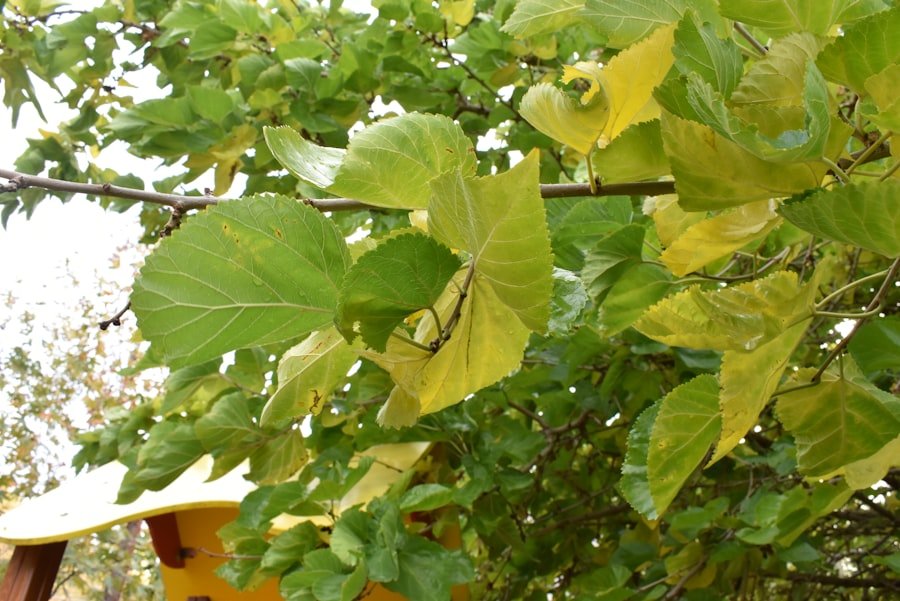
Community gardens provide an excellent opportunity for individuals interested in growing curry leaf trees to connect with fellow gardeners. These shared spaces often encourage collaboration and knowledge sharing among participants. Many community gardens have established guidelines that allow members to cultivate various plants while fostering a sense of camaraderie among gardeners.
Joining a community garden can be particularly beneficial for those who may not have access to private outdoor space or who wish to learn from more experienced gardeners. Plant swaps are another engaging way to acquire a curry leaf tree or its cuttings while promoting sustainability within the gardening community. These events allow gardeners to exchange plants, seeds, or cuttings with one another, fostering a spirit of sharing and collaboration.
Participating in a plant swap can lead to valuable connections with other gardening enthusiasts who may have insights into growing techniques specific to curry leaf trees. Additionally, these gatherings often include discussions about plant care and cultivation strategies, enriching participants’ understanding of how to nurture their new plants effectively.
Tips for Growing and Caring for Curry Leaf Trees
Growing a curry leaf tree requires attention to several key factors that influence its health and productivity. First and foremost is the choice of location; these trees thrive in full sun but can tolerate partial shade. Ideally, they should receive at least six hours of direct sunlight each day to promote robust growth and enhance the flavor of the leaves.
When planting outdoors, it is crucial to select well-draining soil enriched with organic matter to support healthy root development. Watering practices are equally important when caring for a curry leaf tree. While these trees prefer consistently moist soil, overwatering can lead to root rot—a common issue that can jeopardize the plant’s health.
It is advisable to allow the top inch of soil to dry out between waterings while ensuring that excess water drains away effectively. During periods of extreme heat or drought, additional watering may be necessary to keep the soil adequately moist. Fertilization is another critical aspect of maintaining a healthy curry leaf tree.
A balanced fertilizer applied during the growing season can provide essential nutrients that support vigorous growth and enhance leaf production. Organic options such as compost or well-rotted manure can also be beneficial in enriching the soil without introducing harmful chemicals. Pest management is an essential consideration when growing curry leaf trees.
Common pests include aphids and spider mites, which can damage the leaves if left unchecked. Regularly inspecting the foliage for signs of infestation allows gardeners to take prompt action—such as using insecticidal soap or neem oil—to protect their plants from harm.
Enjoying the Benefits of Curry Leaf Trees
The journey of cultivating a curry leaf tree is not just about growing a plant; it is about embracing a rich cultural heritage and enhancing culinary experiences at home. The aromatic leaves serve as a versatile ingredient in various dishes, from curries to chutneys, adding depth and complexity to flavors that are hard to replicate with dried alternatives. Beyond their culinary uses, curry leaves offer numerous health benefits that contribute positively to overall well-being.
As interest in home gardening continues to flourish, more individuals are discovering the joys of nurturing their own curry leaf trees. Whether sourced from local nurseries or grown from cuttings exchanged at community gardens, these trees represent a connection to nature and an opportunity for personal growth—both literally and figuratively. By investing time and care into cultivating this remarkable plant, gardeners can enjoy not only its flavorful contributions but also its beauty as part of their landscape for years to come.
FAQs
What is a curry leaf tree?
A curry leaf tree is a tropical to sub-tropical tree that is native to India and Sri Lanka. It is known for its aromatic leaves that are commonly used in Indian cooking to add flavor to dishes.
Where can I buy a curry leaf tree?
Curry leaf trees can be purchased from nurseries, garden centers, and online plant retailers. They are often available as potted plants or as seeds for growing your own tree.
What should I look for when buying a curry leaf tree?
When buying a curry leaf tree, look for a healthy plant with vibrant green leaves and a strong, sturdy stem. Avoid plants with yellowing or wilting leaves, as this may indicate poor health.
Can I grow a curry leaf tree from seeds?
Yes, curry leaf trees can be grown from seeds. However, they can be slow to germinate and may take several weeks to sprout. It is important to provide the seeds with warm, moist conditions to encourage germination.
Are curry leaf trees easy to care for?
Curry leaf trees require a warm, sunny location and well-draining soil. They are relatively low-maintenance once established, but may need protection from frost in cooler climates. Regular watering and occasional fertilization can help promote healthy growth.
Can I grow a curry leaf tree indoors?
Curry leaf trees can be grown indoors in a bright, sunny location. They may benefit from being placed outdoors during the warmer months to receive ample sunlight and fresh air. It is important to provide adequate space for the tree to grow, as it can reach heights of up to 20 feet.