

Yuma County draws winter visitors, road-trippers, and river fans. Where you stay shapes your whole trip. Pick a neighborhood that fits your pace—walkable downtown, quiet foothills, or close to the water.
Best Neighborhoods and What to Expect
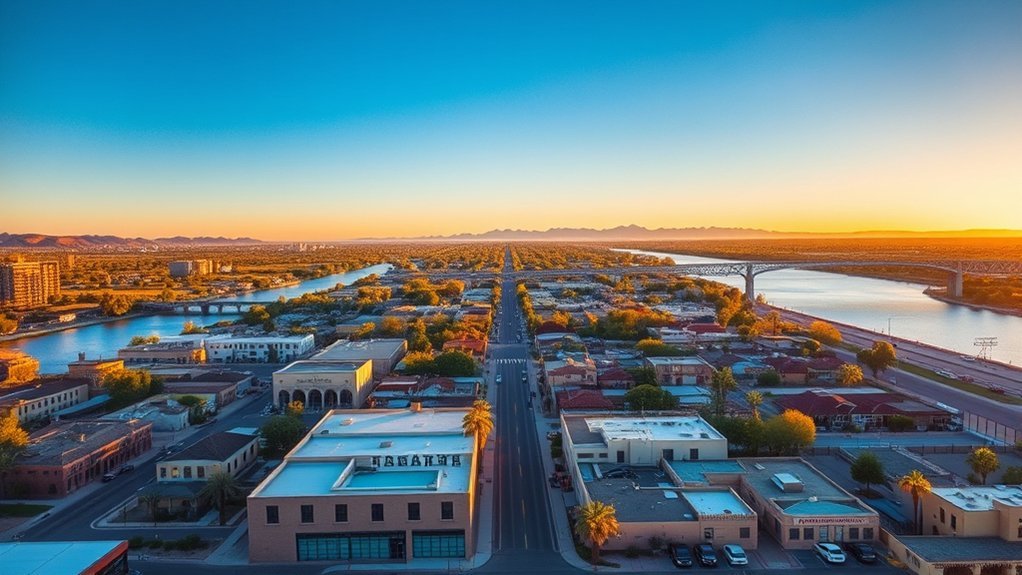
In Yuma, the “best” area depends on how you want to spend your days (and nights). Use this quick match-up:
- Downtown / Historic District: Walkable restaurants, bars, museums, and a classic Main Street feel.
- Quartermaster area: A calmer, homey vibe with parks and easy routes across town.
- Foothills: Quiet comfort near I-8, popular for longer stays and quick desert day trips.
- River and Martinez Lake area: Best if you want sunrise fishing, boating, and easy access to the water.
Think about noise, parking, and how much you want to drive. If you want to walk to dinner, stay closer to Downtown. If you want space and quiet, Quartermaster or the Foothills can feel easier.
Top Hotels for Every Budget
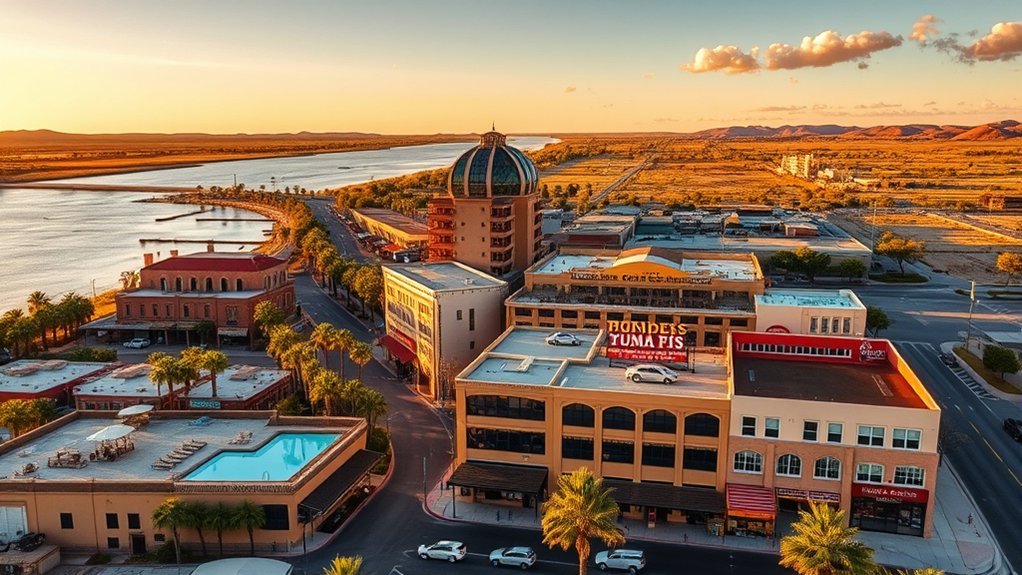
Yuma has budget stays, midrange comfort, and a few splurges. These are the usual tradeoffs:
- Budget: Look near Interstate 8 for simple rooms, easy parking, and fast freeway access.
- Midrange: Expect a pool, free breakfast, and newer rooms—great for families and quick weekend stays.
- Upscale or boutique-leaning: Focus on location (Downtown or riverfront) and upgraded rooms over the lowest price.
Before you book, double-check the basics you’ll feel every day: parking, cancel rules, and whether breakfast, a pool, or a quiet workspace is included.
Practical Tips: Parking, Seasons, and Getting Around
Yuma is spread out, and the weather changes your day-to-day plan. A few simple tips make everything smoother:
- Parking: Downtown uses meters and public lots. On busy winter weekends and during events, closer spots can fill up fast.
- Best season: Late fall through early spring (about November–March) is best for outdoor plans. Winter visitors often arrive in December and stay into spring.
- Getting around: A car is the simplest option for most trips. Rideshares can work for nights out, and biking is pleasant on flat paths in cooler months—bring water either way.
Frequently Asked Questions
Are There Pet-Friendly Hotels With Fenced Yards?
Some pet-friendly hotels have designated pet-relief areas, but fully fenced yards are more common at RV resorts and vacation rentals. If a fenced space matters, ask the property what the pet area looks like and whether it’s enclosed.
Which Hotels Offer Airport Shuttle Service?
Shuttle rules can change, so check with the hotel before you book. As of 2026-01-31, some Yuma hotels note free shuttle service on their official sites. Some offer airport pickup by request, while others list only a local-area shuttle.
Are There Long-Term Stay (Monthly) Hotel Options?
Yes. Yuma has extended-stay hotels and suites. Many have kitchenettes and on-site laundry. Weekly rates are common, and some offer monthly deals outside peak season.
Where Can I Find Vegan or Specialty Grocery Stores?
For vegan staples, start with larger supermarkets and specialty-friendly stores like Sprouts Farmers Market. For local produce, check Yuma-area farmers markets when they’re in season.
Do Local Hotels Provide Gun-Safe Storage for Visitors?
Rules vary, and many hotels won’t store firearms at the front desk. Some rooms have small in-room safes for valuables, but sizes differ. If secure storage is a must, contact the property directly and follow all local laws and safe-handling practices.
Conclusion
Downtown is best for walkable dining and historic charm. Quartermaster and the Foothills are quieter and car-friendly. The river and Martinez Lake make sense if water time is the point of the trip.
Yuma is also very dry: the 1991–2020 climate normals list about 3.28 inches of average annual rainfall for Yuma. Plan for sun, pack water, and book a place with parking if you’ll be driving.