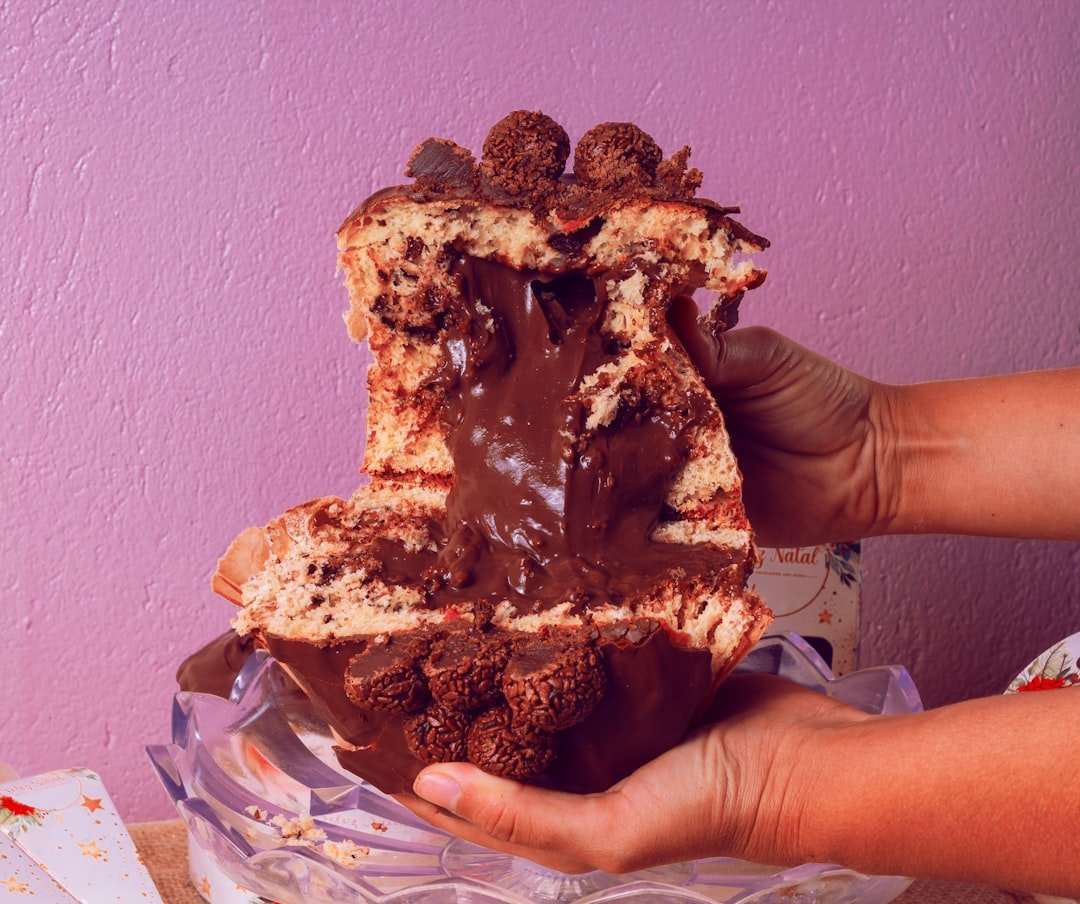
A 3 ingredient mug cake with cocoa powder is one of the fastest ways to make a single-serving chocolate dessert without flour, butter, oil, or baking powder. This version uses egg, powdered sugar, and unsweetened cocoa powder. Expect a rich, fudgy texture closer to flourless chocolate cake than a light bakery cupcake.
Quick Answer
Whisk 1 large egg with 1/4 cup powdered sugar and 2 tablespoons unsweetened cocoa powder in a microwave-safe mug. Microwave on high for about 50–60 seconds, then add 10-second bursts if needed. Let it rest briefly before eating. The finished cake should be cooked through but still soft and fudgy.
At a Glance
| Time Required | About 3–5 minutes |
| Difficulty | Easy |
| Tools Needed | Microwave-safe mug, fork or small whisk, measuring spoons and cup |
Why Make a 3-Ingredient Cocoa Powder Mug Cake?
A three-ingredient mug cake keeps both preparation and cleanup simple. You mix and cook one serving in the same mug, so there is no cake pan, mixing bowl, or full-size oven to deal with.
This particular formula is also naturally flourless. The egg gives the dessert structure and moisture, powdered sugar sweetens it, and cocoa powder provides the chocolate flavor.
The simplicity does come with a tradeoff. Because there is no flour, fat, or chemical leavener, the result is not identical to traditional chocolate cake. It is denser, softer, and more like a small flourless chocolate cake or brownie-style dessert.
How to Make a 3 Ingredient Mug Cake With Cocoa Powder
You need only three ingredients for the base recipe: one large egg, powdered sugar, and unsweetened cocoa powder. Mixing the egg thoroughly and stopping the microwave as soon as the center is cooked are the two biggest factors in getting a tender texture.
Ingredients
- 1 large egg
- 1/4 cup powdered or confectioners’ sugar
- 2 tablespoons unsweetened cocoa powder
Step-by-Step Instructions
- Whisk the egg. Crack the egg into a microwave-safe mug and beat it thoroughly with a fork or small whisk. Break up all visible streaks of white and yolk.
- Add the cocoa and sugar. Add the unsweetened cocoa powder and powdered sugar.
- Mix until smooth. Stir well, scraping the bottom and sides of the mug. The batter should look evenly chocolate-colored with no pockets of dry cocoa.
- Microwave briefly. Microwave on high for about 50–60 seconds. If the center still looks liquid, continue in 10-second bursts rather than adding a long block of extra time.
- Check and rest. Let the cake stand briefly after cooking. It may rise dramatically in the microwave and then settle as it cools; that is normal for this flourless recipe.
Warning: This recipe contains raw egg before cooking. Do not intentionally leave the middle raw or liquid. According to USDA microwave safety guidance, egg dishes should reach 160°F, and microwaves can heat unevenly. If you are unsure, check the center with an instant-read food thermometer.
Microwave wattage has a major effect on cooking time. A powerful microwave can set a small mug cake quickly, while a lower-powered model may need additional time. Short bursts are safer for the texture than adding another full minute.
Which Cocoa Powder Works Best?
| Cocoa Option | What to Expect |
|---|---|
| Natural unsweetened cocoa | A brighter, somewhat more acidic chocolate flavor. It works well in this recipe because there is no baking soda or baking powder to balance. |
| Dutch-process cocoa | Usually darker with a smoother, less acidic chocolate profile. It can also be used in this unleavened mug cake. |
| Black cocoa | Produces an especially dark color and a distinctive flavor. Use it only when that very dark cocoa profile is what you want. |
| Hot cocoa or sweetened cocoa mix | Not a direct substitute for unsweetened cocoa because the mix already contains sugar and may contain milk or other ingredients. |
For the simplest result, use a fresh, good-tasting unsweetened cocoa powder. King Arthur Baking’s cocoa guide explains that natural and Dutch-process cocoa behave differently in recipes with chemical leaveners. Because this mug cake uses neither baking soda nor baking powder, you have more freedom to choose based on flavor.
Natural cocoa tends to taste brighter, while Dutch-process cocoa is typically darker and smoother. Neither choice automatically makes the dessert better; choose the chocolate profile you prefer.
How to Choose the Right Mug
Use a mug clearly labeled microwave-safe and leave enough empty space for the batter to rise. A mug that is too small can allow the cake to climb over the rim before it settles.
A roughly 12-ounce ceramic mug is a practical starting point. A Food Network chocolate mug cake recipe also uses a 12-ounce microwave-safe ceramic mug and stresses avoiding overcooking.
Choose a mug with a comfortable handle because the vessel itself may become hot. Avoid metallic decoration, metallic trim, or any cup that is not intended for microwave use.
Pro Tip: A wider mug makes it easier to whisk the egg and scrape cocoa from the bottom corners. It also makes the center easier to check after cooking.
How to Customize Your Mug Cake
The three-ingredient base is intentionally simple, but you can add extra flavors and textures after you understand how the basic recipe cooks. Any addition makes it more than a three-ingredient recipe, so think of these as optional variations rather than part of the core formula.
Chocolate chips add pockets of melted chocolate. Chopped walnuts, pecans, or almonds add crunch, while a small amount of cinnamon or espresso powder can change the chocolate profile without changing the basic method.
You can also add a small swirl of peanut butter or another spread before microwaving. Keep heavy add-ins modest because too much extra material can change how quickly the center cooks.
What About Flour Substitutions?
This version contains no flour, so there is no all-purpose flour to replace with almond flour or a gluten-free blend. If you want the airy crumb of a conventional cake, use a flour-based mug-cake formula designed around that ingredient instead of adding flour randomly to this recipe.
Can You Leave Out the Egg?
The egg provides most of the structure and moisture in this particular mug cake. Simply removing it will not produce the same result. Eggless mug cakes use a different balance of flour, liquid, fat, or leavening and should be treated as a separate recipe.
How to Get the Best Mug Cake Texture
The best texture comes from thorough mixing followed by conservative cooking. This cake should be tender and fudgy, not dry, bouncy, or rubbery.
First, whisk the egg before adding the dry ingredients. This distributes the white and yolk evenly and reduces the chance of getting visible cooked-egg streaks in the finished dessert.
Next, scrape the bottom and sides of the mug while mixing. Cocoa powder can hide in dry pockets, especially near the base of a narrow cup.
Finally, stop cooking as soon as the center is safely set. The egg proteins continue to firm as cooking time increases, so an extra 20 or 30 seconds can make a noticeable difference in such a small dessert.
Why Does a Mug Cake Rise and Then Sink?
Some rising and settling is normal. Heat creates steam and expands air trapped in the beaten mixture, causing the batter to puff while it cooks. Once the microwave stops and the cake cools, that temporary expansion falls back slightly.
A dramatic collapse does not necessarily mean the recipe failed. With no flour or baking powder, this three-ingredient cake is not designed to hold the tall structure of a traditional sponge cake.
Why Is My Mug Cake Rubbery?
A rubbery texture usually points to overcooking. Start with the shorter microwave time and add only brief bursts if the center still needs cooking.
Do not keep microwaving simply because the surface looks soft. A flourless chocolate cake naturally stays more tender than a dry, bread-like cake, even when the egg is fully cooked.
Best Toppings for a 3-Ingredient Cocoa Mug Cake
Toppings work best when they contrast with the warm, rich chocolate cake. Creamy, fruity, and crunchy choices all work, and you can add them after cooking so they do not affect the cake’s microwave time.
- Whipped cream: Adds a cool, light contrast to the dense chocolate cake.
- Vanilla ice cream: Melts into the warm surface and makes the dessert richer.
- Fresh berries: Strawberries and raspberries add tartness and freshness.
- Sliced banana: Adds sweetness and a softer texture.
- Chocolate sauce: Intensifies the chocolate flavor.
- Chopped nuts: Add crunch to the otherwise soft dessert.
- Granola: Gives the top a crisp, contrasting texture.
You do not need a topping for the recipe to work. Letting the cake rest briefly and eating it warm from the mug is the simplest serving option.
How to Store Leftover Mug Cake
Mug cake tastes best soon after cooking because microwave cakes tend to become firmer as they cool. If you do have leftovers, refrigerate them rather than leaving this egg-based cake on the counter for days.
USDA leftover food-safety guidance says perishable leftovers should be refrigerated within two hours and most cooked leftovers should be used within three to four days.
Cover the mug or transfer the cake to a covered container before refrigerating. If you reheat it, use short microwave intervals because such a small portion can dry out quickly. USDA guidance calls for reheating leftovers to 165°F.
Serving Suggestions for Your Mug Cake
The easiest way to serve this dessert is directly in the mug after it has rested briefly. The warm cake pairs particularly well with something cool, such as whipped cream, ice cream, or fresh fruit.
For a more plated dessert, spoon the cooked cake into a small bowl and add berries or sliced banana. You can also break the cake into pieces and layer them with whipped cream or yogurt for a simple chocolate parfait.
If you plan to add ice cream, wait until the cake has stopped steaming heavily. That gives the cake time to set while keeping the ice cream from melting immediately.
Flavor Variations to Try
The basic three-ingredient formula gives you a neutral chocolate base for experimentation. Add only one or two extras at first so you can see how each change affects flavor and texture.
Chocolate-Peanut Butter
Add a small spoonful of creamy peanut butter to the center of the batter before microwaving. The peanut butter creates a richer center and pairs naturally with cocoa.
Chocolate and Spice
A pinch of cinnamon, cardamom, or chili powder can add warmth without masking the chocolate. Start lightly because spices are concentrated and difficult to remove once mixed in.
Extra Chocolate
Stir in a few chocolate chips or place them on top immediately after cooking. The residual heat will soften them and create small pockets of melted chocolate.
S’mores-Style Mug Cake
Add crushed graham crackers and a few mini marshmallows as optional extras. Because marshmallows expand quickly in a microwave, leave plenty of room at the top of the mug and watch the cake while it cooks.
Key Takeaways
- The base recipe truly uses three ingredients: egg, powdered sugar, and unsweetened cocoa powder.
- Its texture is naturally fudgy and flourless rather than light and sponge-like.
- Natural and Dutch-process cocoa can both work because the recipe contains no baking soda or baking powder.
- Microwave power varies, so start with a short cooking time and add brief bursts only as needed.
- Because the recipe contains egg, the center should be fully cooked rather than intentionally left raw.
Frequently Asked Questions
What are the ingredients for a 3 ingredient mug cake with cocoa powder?
Use one large egg, 1/4 cup powdered sugar, and 2 tablespoons unsweetened cocoa powder. Those three ingredients make a flourless, single-serving chocolate cake. Because there is no flour, oil, or baking powder, the texture is fudgy and tender rather than light and fluffy.
How long do you microwave a 3 ingredient chocolate mug cake?
Start with about 50 to 60 seconds on high, then add 10-second bursts only if needed. Microwave power varies, so time is only a guide. Because this recipe contains egg, the center should be cooked through; USDA guidance for egg dishes is 160°F.
Can I use natural or Dutch-process cocoa powder?
Yes. This recipe contains no baking soda or baking powder, so either natural cocoa or Dutch-process cocoa can work. Natural cocoa usually tastes brighter and more acidic, while Dutch-process cocoa is darker and smoother. Use unsweetened cocoa so the sugar balance stays predictable.
Can I use granulated sugar instead of powdered sugar?
Powdered sugar is the better choice for this exact three-ingredient formula because it blends quickly into the egg and cocoa. Granulated sugar may leave a coarser texture and changes how the batter behaves. For the most consistent result, use powdered or confectioners’ sugar as written.
Why did my mug cake turn rubbery or dry?
A rubbery or dry mug cake is usually overcooked. The egg firms quickly in a microwave, so a small amount of extra time can change the texture. Start with the shortest cooking time, then add brief 10-second bursts only until the center is cooked through.
Can I make this 3 ingredient mug cake without egg?
Not by simply leaving the egg out of this formula. The egg provides most of the structure and moisture in this flourless version. An eggless mug cake needs a different balance of flour, liquid, fat, or leavening, so use a recipe designed to be eggless instead.
Sources
- USDA Food Safety and Inspection Service: Cooking with Microwave Ovens: Supports microwave-safe cookware, variable microwave wattage, uneven heating, and the 160°F guidance for egg dishes.
- King Arthur Baking: Types of Cocoa, Explained: Supports the differences between natural and Dutch-process cocoa and their relationship with chemical leaveners.
- Food Network: Chocolate Cake in a Mug: Supports using a microwave-safe 12-ounce mug, allowing the cake to rest, and avoiding overcooking.
- USDA Food Safety and Inspection Service: Leftovers and Food Safety: Supports refrigerating perishable leftovers within two hours, using most cooked leftovers within three to four days, and reheating leftovers to 165°F.