Lighting plays a pivotal role in photography, especially in a chocolate factory where the interplay of light and shadow can dramatically influence the mood and aesthetic of the images captured. Natural light, when available, can create a warm and inviting atmosphere that enhances the rich browns and glossy finishes of chocolate. For instance, large windows allowing sunlight to stream in can illuminate the chocolate-making area, casting soft shadows that add depth to the photographs.
However, relying solely on natural light may not always be feasible, particularly in factories where production occurs around the clock. In such cases, artificial lighting becomes essential. When using artificial lighting, it is crucial to consider the color temperature of the lights.
Warmer lights can enhance the golden hues of caramel or the deep tones of dark chocolate, while cooler lights might wash out these colors. A combination of diffused softboxes and reflectors can help create a balanced lighting setup that minimizes harsh shadows and highlights the textures of the chocolate. Additionally, experimenting with different angles and intensities of light can yield unique results; for example, backlighting can create a halo effect around chocolate pieces, making them appear more enticing and luxurious.
Key Takeaways
- Understanding the lighting in the chocolate factory is crucial for capturing high-quality images.
- Capturing the intricate details of the chocolate-making process requires a keen eye for detail and patience.
- Utilizing close-up shots is essential to showcase the textures and colors of the chocolate.
- Incorporating the factory’s machinery and equipment into your photographs adds depth and context to the images.
- Highlighting the craftsmanship and skill of the chocolatiers brings a human element to the photography.
Capturing the intricate details of the chocolate-making process
The chocolate-making process is a fascinating journey that involves numerous steps, each with its own set of intricate details worthy of capture. From the initial roasting of cocoa beans to the final tempering and molding stages, every phase offers unique visual opportunities. For instance, photographing the cocoa beans as they are roasted reveals their transformation from raw to aromatic, showcasing their rich color changes and textures.
Close-up shots of the beans cracking open to reveal their inner nibs can highlight the raw essence of chocolate. As the process continues, capturing the melting chocolate as it flows smoothly into molds can evoke a sense of motion and fluidity. The glossy surface of melted chocolate glistening under the factory lights creates an inviting image that draws viewers in.
Additionally, documenting the mixing process, where various ingredients are combined to create different chocolate varieties, allows for a narrative to unfold through images. Each step tells a story, and by focusing on these details, photographers can convey the artistry and science behind chocolate production.
Utilizing close-up shots to showcase the textures and colors of the chocolate

Close-up photography is an invaluable technique when it comes to showcasing the textures and colors inherent in chocolate. The surface of chocolate can vary significantly depending on its type and preparation; for example, dark chocolate often has a matte finish with subtle sheen, while milk chocolate may appear creamier and smoother. By employing macro lenses or specialized close-up filters, photographers can capture these nuances in stunning detail.
Textures such as the roughness of cocoa nibs or the smoothness of tempered chocolate can be highlighted through careful focus and depth of field manipulation. A shallow depth of field can isolate specific elements, drawing attention to the intricate patterns formed on the surface of a chocolate bar or truffle. Additionally, capturing the vibrant colors of flavored chocolates—such as those infused with fruits or spices—can create striking contrasts that make images pop.
The interplay between light and texture in these close-ups not only showcases the beauty of chocolate but also invites viewers to appreciate its complexity.
Incorporating the factory’s machinery and equipment into your photographs
| Equipment | Importance | Considerations |
|---|---|---|
| Cameras | Essential for capturing images | Choose high-resolution cameras for better quality |
| Lighting | Enhances visibility and clarity | Use natural light or invest in professional lighting equipment |
| Tripods | Stabilizes the camera for clear shots | Consider adjustable and portable tripods for flexibility |
| Lenses | Affects the perspective and composition | Invest in a variety of lenses for different angles and effects |
The machinery and equipment used in a chocolate factory are integral to its operation and can serve as compelling subjects in their own right. These machines, often large and imposing, represent the industrial side of chocolate production and provide context for the artisanal process. Capturing images of machines in action—such as conching machines that refine chocolate or tempering machines that ensure perfect consistency—can illustrate the blend of technology and craftsmanship involved in creating high-quality chocolate.
Photographers should consider framing these machines within their environment to convey scale and functionality. Wide-angle shots can capture entire production lines, showcasing how each piece of equipment works in harmony with others to produce delicious confections. Additionally, incorporating elements like conveyor belts carrying freshly molded chocolates or cooling tunnels can add dynamic movement to photographs.
By highlighting both the machinery and the human element—workers operating these machines—photographers can tell a more comprehensive story about the chocolate-making process.
Highlighting the craftsmanship and skill of the chocolatiers
The artistry involved in chocolate making is often best represented through portraits of chocolatiers at work. These skilled artisans bring passion and expertise to their craft, and capturing them in action can convey their dedication to quality and creativity. Photographs that focus on chocolatiers pouring tempered chocolate into molds or delicately decorating truffles with intricate designs reveal not only their technical skills but also their artistic vision.
In addition to action shots, candid moments that showcase chocolatiers’ expressions—concentration, joy, or even frustration—can add emotional depth to photographs. These images humanize the process and connect viewers with the individuals behind their favorite treats. Furthermore, including tools of the trade—such as spatulas, molds, or piping bags—within these portraits can provide context about their craft while emphasizing their meticulous attention to detail.
Using composition techniques to create visually appealing images
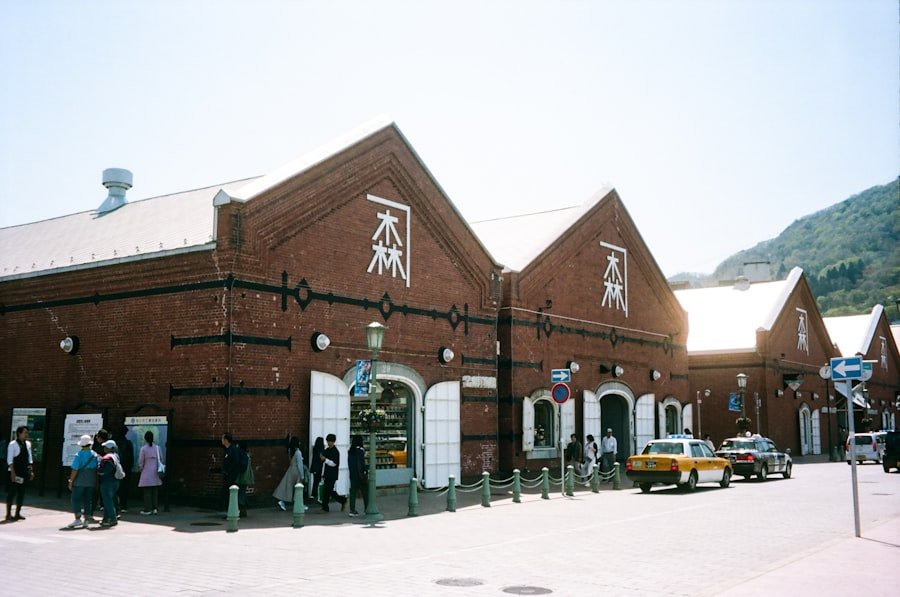
Composition is a fundamental aspect of photography that significantly impacts how images are perceived. In a chocolate factory setting, employing techniques such as the rule of thirds can help create balanced and engaging photographs. By positioning key elements along imaginary lines or at intersections within the frame, photographers can guide viewers’ eyes through the image while maintaining visual interest.
Leading lines are another effective compositional tool; for instance, capturing rows of chocolates on a conveyor belt can draw attention toward a focal point at the end of the line.
Negative space can also be utilized effectively; leaving areas of empty space around chocolates or tools can emphasize their importance within the frame while creating a clean aesthetic.
Capturing the sensory experience of the chocolate factory through photography
Photography has the unique ability to evoke sensory experiences beyond just sight; it can also suggest taste, smell, and touch. In a chocolate factory, this sensory richness can be captured through thoughtful imagery that conveys not only what is seen but also what is felt and experienced within that environment. For example, images that depict steam rising from melting chocolate or cocoa powder dusting surfaces can evoke warmth and richness associated with chocolate production.
Incorporating elements that suggest sound—such as the clinking of molds or the whirring of machinery—can further enhance this sensory experience for viewers. Photographers might also consider using props like cocoa pods or fresh ingredients alongside finished products to create a narrative that connects raw materials with final confections. By focusing on these sensory elements, photographers can transport viewers into the heart of the factory, allowing them to almost taste and smell the delicious creations being made.
Showcasing the final products and packaging in your photographs
The culmination of all efforts in a chocolate factory is undoubtedly found in its final products—beautifully crafted chocolates ready for sale or distribution. Capturing these finished items requires an understanding of how presentation influences perception; thus, styling becomes essential. Photographers should consider using props such as elegant plates or rustic wooden boards to enhance visual appeal while complementing the chocolates’ aesthetics.
Packaging also plays a crucial role in how chocolates are perceived by consumers. High-quality packaging design often reflects brand identity and values; therefore, photographing chocolates alongside their packaging can tell a more complete story about their origin and craftsmanship. Close-up shots that highlight intricate details on packaging—such as embossed logos or artistic illustrations—can add an additional layer of sophistication to product photography.
By thoughtfully combining product shots with packaging imagery, photographers can create compelling visuals that entice potential customers while celebrating the artistry behind each piece of chocolate.
If you’re planning a visit to the Maison Cailler chocolate factory, you’ll want to capture the experience with some stunning photographs. The factory offers a picturesque setting with its charming architecture and scenic surroundings, making it a perfect spot for photography enthusiasts. To enhance your visit, consider reading this related article on Exploring the Delightful World of Asian Melon. While it may not be directly about chocolate, the article provides insights into capturing the vibrant colors and textures of food, which can be applied to photographing the rich and luscious chocolates at Maison Cailler. Remember to take advantage of natural lighting and experiment with different angles to truly capture the essence of this sweet adventure.
FAQs
What is Maison Cailler chocolate factory?
Maison Cailler is a famous Swiss chocolate factory located in Broc, Switzerland. It is known for its high-quality chocolate production and offers guided tours for visitors to learn about the chocolate-making process.
What can visitors expect to see at Maison Cailler chocolate factory?
Visitors can expect to see the chocolate-making process from bean to bar, interactive exhibits, and a tasting room where they can sample a variety of chocolate flavors.
What are some photography tips for capturing Maison Cailler chocolate factory?
When photographing Maison Cailler, it’s important to capture the vibrant colors of the chocolate, the intricate details of the production process, and the overall atmosphere of the factory. Using natural light and experimenting with different angles can help capture the essence of the chocolate factory.