
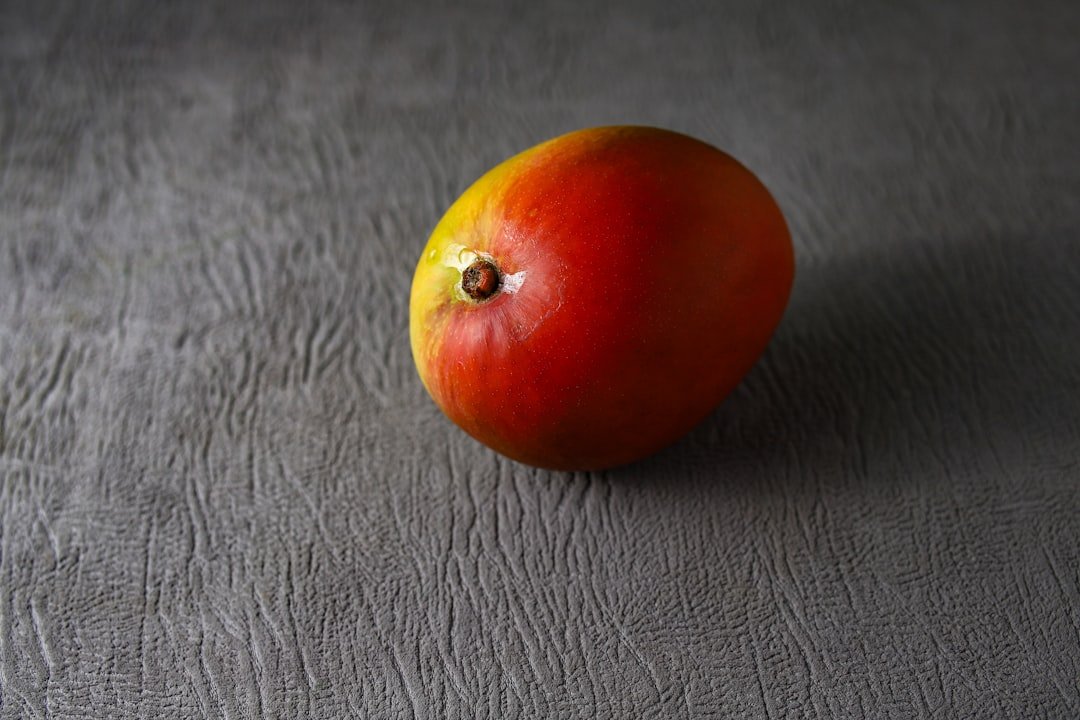
“Asian melon” is a broad market label rather than the name of one fruit. In many grocery stores, it means Korean or oriental melon, but the term may also be used for Japanese muskmelons, Hami melons from China, and winter melon. These fruits differ in taste, texture, ripeness, storage, and cooking use.
Quick Answer
Asian melon usually means Korean melon, a small yellow Cucumis melo with white ridges, crisp flesh, and mild sweetness. However, the label can also describe Japanese muskmelon or Chinese Hami melon. Winter melon is different: it is a mild wax gourd normally cooked in savory dishes.
Key Takeaways
- “Asian melon” most often refers to Korean or oriental melon, which is a type of Cucumis melo commonly placed in the Makuwa horticultural group.
- Yubari Melon is a specific protected Japanese GI product, while Hami melon is a broader name for several thick-skinned melons associated with Xinjiang, China.
- Korean, Japanese, and Hami dessert melons are usually eaten fresh. Winter melon is Benincasa hispida and is generally cooked.
- Ripeness and storage cues vary by type, so aroma or softness should not be used as a universal test for every melon.
- Wash the rind before cutting and refrigerate cut melon promptly at 40°F or 4°C or below.
What does “Asian melon” mean?
The phrase can describe several fruits grown or commonly eaten in Asian countries. It is not a formal botanical category. The fruit being sold under that name may depend on the country, season, store, and supplier.
When the fruit is small, oval, bright yellow, and marked with white lengthwise ridges, it is probably Korean melon, also called oriental melon or chamoe. This fruit belongs to the species Cucumis melo and is commonly placed in the Makuwa horticultural group.
Note: “Makuwa” is useful as a horticultural group name, but Kew treats the former botanical name Cucumis melo var. makuwa as a synonym of the broader species Cucumis melo.
The different varieties of Asian melon
| Type | Identity | Typical taste and texture | Common use |
|---|---|---|---|
| Korean melon | Cucumis melo, commonly placed in the Makuwa horticultural group | Crisp, juicy, lightly floral, and mildly sweet | Fresh slices, fruit salads, chilled snacks, and pickles |
| Yubari Melon | Protected Yubari King muskmelon from Yubari City, Japan | Soft, juicy, aromatic, and sweet, with orange flesh | Served fresh as premium fruit |
| Hami melon | A market and regional name covering several thick-skinned Xinjiang melon types | Varies by cultivar; often sweet, aromatic, firm, or crisp | Fresh slices, fruit platters, drinks, and desserts |
| Winter melon | Benincasa hispida, also called wax gourd | Mild, watery, and neutral rather than dessert-sweet | Soups, braises, stews, stir-fries, and candied preparations |
Products Worth Considering

Super Melon Seeds (Egyptian Style)

Length: 10-16" | Fruit Diameter: 3.5-5" | Weight:1.3-1.6 lbs

Egyptian Style Roasted & Salted Melon Seed
Korean or oriental melon: chamoe
Korean melon, called chamoe in Korea and often called makuwa-uri in Japan, is usually small and oval. Modern commercial fruit commonly has bright yellow skin with raised white ridges. The pale flesh is firmer and crisper than ripe cantaloupe and has a lighter sweetness.
You can cut it into wedges, rounds, or bite-size pieces. The soft central seed pulp is edible and is often the sweetest part. Some people scoop it out because they prefer a firmer texture.
The thin peel is also edible when it has been washed well, although it can taste slightly bitter or feel tough. Peeling is a matter of preference rather than a requirement.
Japanese muskmelon: Yubari Melon
Japan grows many premium muskmelons, but Yubari Melon is one protected regional product, not a general name for every Japanese melon. It is made from the Yubari King variety and must come from Yubari City in Hokkaido to use the registered name.
Japan’s Ministry of Agriculture, Forestry and Fisheries describes Yubari Melon as orange-fleshed, soft, juicy, low in fiber, strongly aromatic, and more than 10° Brix. The product was registered under Japan’s Geographical Indication system in December 2015.
Chinese Hami melons
Hami melon is not one fixed cultivar. It is a broad name associated with thick-skinned melons grown in Xinjiang, China. Research on Xinjiang germplasm shows that Hami melons include more than one horticultural group and can vary in rind pattern, flesh color, aroma, texture, maturity, and storage life.
Some Hami melons are crisp and firm, while others become softer when ripe. Many have a pronounced aroma and high sweetness. Because cultivars differ, use the grower’s label and store instructions when available rather than relying on one universal ripeness test.
Winter melon or wax gourd
Winter melon is not a sweet dessert melon. It is the accepted species Benincasa hispida, a member of the gourd family. Mature fruit is often large and green with a pale, waxy coating.
The white flesh has a mild flavor and absorbs the taste of broth, meat, seafood, herbs, and sauces. It is usually peeled, seeded, cut into chunks, and cooked in soups, braises, stir-fries, or steamed dishes.
The history and origins of Asian melon
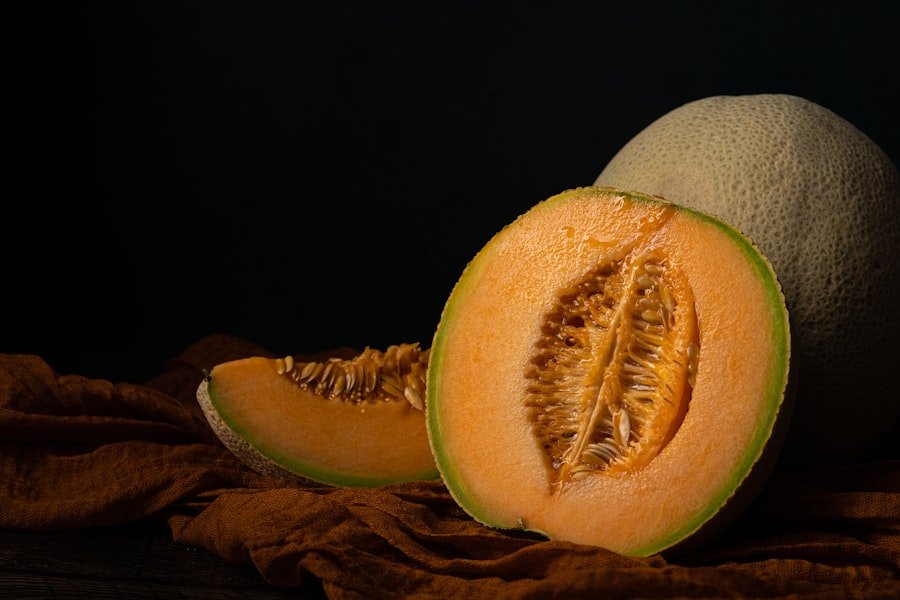
People have cultivated Cucumis melo for thousands of years, but its domestication history is more complex than a single place of origin. A large genomic study of 1,175 melon accessions found evidence of three independent domestication events: two in India and one in Africa.
Melons later spread through trade, migration, farming, and selective breeding. Growers selected local fruit for sweetness, aroma, rind thickness, storage life, flesh texture, size, and climate tolerance. That long process helped create the wide range of East Asian, South Asian, Central Asian, Middle Eastern, African, European, and American melon types available today.
Modern melon diversity reflects more than one domestication event and thousands of years of regional selection.
What does Asian melon taste like?
The answer depends on the fruit:
- Korean melon: Crisp like a firm pear or cucumber, lightly floral, juicy, and mildly sweet.
- Yubari and other aromatic muskmelons: Softer, more fragrant, and usually richer in sweetness.
- Hami melon: Often sweet and aromatic, but texture can range from crisp and dense to soft and juicy.
- Winter melon: Mild and neutral, with little dessert sweetness. It is valued for its texture and ability to absorb savory flavors.
Health benefits and nutrition of Asian melon
There is no single nutrition profile for every fruit called Asian melon. Nutrient levels vary with the species, cultivar, ripeness, growing conditions, and serving size.
Fresh dessert melons generally contain a high proportion of water and can contribute fluid, carbohydrates, vitamin C, potassium, and small amounts of fiber. Orange-fleshed muskmelons commonly provide more beta-carotene than pale-fleshed varieties. You can compare specific melon entries through USDA FoodData Central.
- Water content: Fresh melon can be a refreshing part of normal fluid intake, especially when served chilled.
- Vitamin C: Many dessert melons contribute vitamin C, although the amount varies.
- Carotenoids: Orange-fleshed melons may provide beta-carotene, which the body can convert to vitamin A.
- Fiber: Melon contains some dietary fiber, but it is not usually a high-fiber food.
- Portion-friendly sweetness: Fresh melon can replace more heavily processed desserts when you want something naturally sweet.
Note: Wax gourd is normally eaten as a cooked vegetable, so its serving size and preparation differ from those of fresh dessert melon. Added sugar, syrup, salt, oil, and sauces can change the nutrition of the finished dish.
How to select and store Asian melon
Products Worth Considering

5 packs : You will get 5 fridge storage containers with colander size from 300 ml to 4200 ml [10 oz - 148 oz ]. Suited for Most fruits, vegetables, berries, meats.

Better for different produce : You will get 4 sized fridge organizers and 4 matched colanders that could be used in the container or separate. Size from 0.32 L to 2.7 L [ 0.34 - 2.85 qt ]. Suited for berries, fruits, vegetables, meats

🍋Better for different produce : You will get 4 sized fridge organizers and 4 matched colanders that could be used in the container or separate. Size from 0.32 L to 2.7 L [ 0.34 - 2.85 qt ]. Suited for berries, fruits, vegetables, meats . and you will get a pen and lable which can help us clarify the date for preparing the fruits.
Choosing Korean melon
- Look for bright, even color and well-defined pale ridges.
- Choose fruit with an intact rind and no leaking, deep cuts, mold, or large soft patches.
- A ripe fruit should feel firm and relatively heavy for its size.
- A light sweet aroma may be present, but Korean melon is often less fragrant than cantaloupe.
Choosing Yubari or another netted muskmelon
- Look for an intact rind without wet cracks, mold, or collapsed areas.
- A fragrant smell may develop near the blossom end as aromatic cultivars ripen.
- Some muskmelons soften slightly when ripe, but the amount of softness depends on the cultivar.
- Follow the seller’s ripening instructions for premium Japanese fruit because it may have been graded and packed for a specific eating window.
Choosing Hami melon
- Look for a sound, undamaged rind and fruit that feels heavy for its size.
- Do not expect every Hami melon to have the same rind color, netting, aroma, or softness.
- Read the cultivar or package information when available because some types stay firm even when ready to eat.
Choosing winter melon
- Choose a firm fruit or cut section without mold, leaking liquid, deep bruises, or sunken decay.
- Mature whole fruit may have a whitish waxy bloom.
- For cut pieces, look for pale, firm flesh rather than slimy or badly discolored flesh.
Storage guidance
Whole dessert melon can remain at room temperature briefly when it still needs to ripen, but not every cultivar becomes sweeter after harvest. Refrigerate ripe fruit to slow quality loss.
Store cut melon in a clean, covered container in the refrigerator at 40°F or 4°C or below. For best quality, eat it within a few days. Discard cut melon that has been left at room temperature for more than two hours, or more than one hour when the surrounding temperature is above 90°F or 32°C.
Whole mature winter melon can keep much longer than cut dessert melon because of its firm rind and waxy surface. Storage life still depends on maturity, temperature, humidity, rind damage, and decay. Refrigerate cut winter melon in a sealed container and use it promptly.
Warning: Wash the outside of any melon under clean running water before cutting it, even when you will discard the peel. Use clean hands, a clean knife, and a clean cutting board so dirt and microorganisms on the rind are not carried into the flesh.
Culinary uses of Asian melon
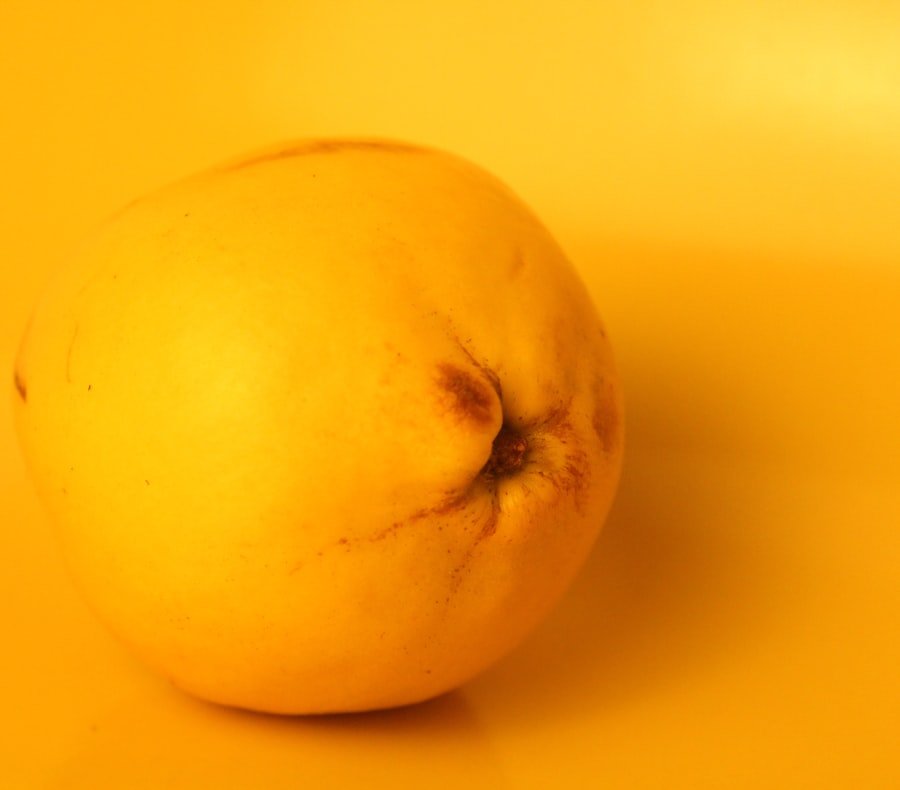
Korean melon, Japanese muskmelon, and Hami melon are usually served fresh. Winter melon is normally cooked.
Products Worth Considering

Brand: Holtgarden

30 Premium Bitter Melon Seeds: Grow this unique tropical vegetable with our special collection of 30 bitter melon seeds. Cultivate these vigorous vines that produce distinctive bumpy-skinned fruits.

VARIETY INFO: Vietnamese Dua Gang Thai Musk Melon is a distinctive striped Asian musk melon variety known for its unique appearance and sweet flavor
Ways to serve Korean melon
- Chill it and cut it into wedges or thin rounds.
- Add cubes to fruit salad.
- Pair it with yogurt, cottage cheese, or a lightly salted cheese.
- Serve it with cured meat or salty snacks for contrast.
- Blend it into a cold drink or smoothie.
- Use firm slices in quick pickles or lightly seasoned side dishes.
Ways to serve Japanese muskmelon or Hami melon
- Serve ripe slices on their own so the aroma remains clear.
- Add melon to chilled desserts, shaved ice, yogurt, or fruit parfaits.
- Blend it into juice, smoothies, sorbet, or chilled soup.
- Pair sweet melon with lime, mint, ginger, mild cheese, or a small amount of salt.
Ways to cook winter melon
- Simmer chunks in chicken, pork, seafood, or vegetable broth.
- Braise it with mushrooms, ginger, soy sauce, or fermented seasonings.
- Add thin pieces to stir-fries near the end of cooking.
- Steam stuffed rings or pieces until tender.
- Use it in sweet soups or candied preparations where traditional recipes call for it.
Pro Tip: Taste Korean melon before removing the center. The seed pulp is edible and can be sweeter than the crisp outer flesh. Scoop it out only when you prefer a firmer, less juicy bite.
Asian melon in traditional medicine
Melons and gourds appear in several systems of folk and traditional medicine. Wax gourd has a history of use in traditional Chinese practices, while melon fruit, seeds, stems, and other plant parts appear in some historical East Asian references.
Traditional use does not prove that a food or plant part can diagnose, prevent, or treat a medical condition. Do not eat concentrated extracts or non-food plant parts as a remedy without qualified medical guidance. Ordinary melon can be enjoyed as food unless a clinician has advised you to limit it because of an allergy, medical condition, medication, or prescribed diet.
Growing Asian melon at home
Korean melon and other Cucumis melo varieties are warm-season vines. They grow best with full sun, fertile well-drained soil, consistent moisture, and enough warm weather to mature before frost.
- Planting: Sow or transplant after the soil and weather have warmed and frost danger has passed.
- Space: Give vines room to spread, or choose a compact variety for a smaller garden.
- Water: Water deeply enough to moisten the root area, but avoid keeping the soil constantly waterlogged.
- Pollination: Melon flowers require pollination for fruit development. Protect bees and other pollinators by avoiding unnecessary insecticide use during flowering.
- Trellising: Smaller-fruited varieties can be trained on a sturdy trellis. Support hanging fruit with a sling if its weight may pull it from the vine.
- Disease prevention: Improve airflow, avoid wetting leaves late in the day, remove badly diseased plant material, and rotate away from cucumbers, squash, pumpkins, and other cucurbits when possible.
The University of Minnesota Extension notes that smaller-fruited melons can be trained to a fence or trellis. However, harvest signs vary. Some cultivars release easily from the stem when ripe, while others must be cut from the vine.
Use the seed supplier’s days-to-maturity estimate and harvest description for your exact cultivar. Rind color, aroma, stem separation, leaf or tendril changes, and slight softening may help, but no single sign applies to every Asian melon.
Asian melon in Asian culture and cuisine
In Korea, chamoe is closely associated with summer and is commonly eaten chilled. Korea’s Rural Development Administration currently uses the English name “Korean Melon” in export guidance, reflecting the fruit’s strong connection with Korean production and food culture.
In Japan, carefully grown muskmelons are part of the country’s premium-fruit market. Appearance, netting, aroma, sugar level, and presentation can affect grading. Yubari Melon is one of the best-known protected regional examples.
In China, Hami melons are linked with Xinjiang and include different local and commercial types. Winter melon also has a major place in Chinese and other Asian cuisines, where its mild flesh works well in soups, braises, and banquet dishes.
Fun facts about Asian melon
- Yubari Melon was among the first products registered under Japan’s national Geographical Indication system.
- The official Yubari GI description identifies Yubari King as the required variety and sets sugar content above 10° Brix.
- Hami melon is a diverse regional and market category rather than one genetically uniform cultivar.
- Mature winter melon develops a protective waxy surface that helps explain the name “wax gourd” and its relatively long storage potential.
- Winter melons commonly reach 5–20 pounds, although fruit can become much larger under favorable growing conditions.
- Korean melon seeds, central pulp, and washed peel are edible, although many people remove one or more of them for texture.
Exploring Asian melon in different Asian countries
Korea
Korean melon is mainly eaten fresh, but firm fruit can also appear in pickles and seasoned side dishes. The familiar modern commercial type is usually yellow with white ridges, although older Korean melon varieties included a wider range of colors and shapes.
Japan
Japan grows everyday melons as well as carefully graded premium fruit. Japanese muskmelon is a broad category, while Yubari Melon is a protected regional name with specific production requirements.
China
Xinjiang is strongly associated with Hami melon production. Different cultivars are selected for local eating, sweetness, firmness, aroma, transport, or storage. Winter melon is also widely cooked in regional Chinese dishes.
Other parts of Asia
Related Cucumis melo varieties and wax gourds are grown and eaten across South Asia, Southeast Asia, and Central Asia. Local names can refer to different cultivars, so appearance and cooking use are often more reliable identifiers than an English market label alone.
Frequently Asked Questions
What is an Asian melon?
Asian melon is a broad market term for several melons and gourds associated with Asian farming or cuisine. In many stores, it most often means Korean or oriental melon, a small yellow type of Cucumis melo.
What does Korean melon taste like?
Korean melon is crisp, juicy, mildly sweet, and lightly floral. Its texture is firmer than ripe cantaloupe and is sometimes compared with a crisp pear or cucumber.
Can you eat Korean melon skin and seeds?
Yes. The washed peel, seeds, and soft seed pulp are edible. The peel may taste slightly bitter or feel tough, while the center can be very sweet. You can keep or remove them according to your texture preference.
Is Yubari Melon the same as Japanese muskmelon?
Yubari Melon is a Japanese muskmelon, but not every Japanese muskmelon is a Yubari Melon. The protected name applies to Yubari King melons produced in Yubari City under the registered GI requirements.
Is Hami melon one specific variety?
No. Hami melon is a broad name for several thick-skinned melon types associated with Xinjiang, China. Their rind, flesh color, sweetness, firmness, aroma, and storage behavior can differ.
Is winter melon the same as honeydew?
No. Honeydew is a sweet dessert melon in the species Cucumis melo. Winter melon is Benincasa hispida, a mild wax gourd normally peeled and cooked in savory or sweet dishes.
How can you tell when an Asian melon is ripe?
Check the exact type first. Korean melon should have developed color and remain firm. Aromatic muskmelons may smell sweet and soften slightly. Hami cultivars vary, and some stay firm when ripe. Winter melon is selected as a mature cooking gourd rather than a soft dessert fruit.
How should cut Asian melon be stored?
Place cut melon in a clean, covered container and refrigerate it at 40°F or 4°C or below. For best quality, eat it within a few days. Discard it if it has remained at room temperature for more than two hours, or one hour above 90°F or 32°C.
Sources
- Japan Ministry of Agriculture, Forestry and Fisheries: Yubari Melon GI Product Summary — verifies the production area, Yubari King variety, orange flesh, texture, aroma, and minimum sugar content.
- Kew Science: Cucumis melo — supports the accepted species name and taxonomic treatment of former makuwa names.
- Kew Science: Benincasa hispida — verifies the accepted botanical identity of winter melon or wax gourd.
- Nature Genetics: A comprehensive genome variation map of melon — supports the evidence for multiple melon domestication events.
- USDA FoodData Central — provides current food-composition data for specific melon varieties.
- U.S. Food and Drug Administration: Safe Food Handling — supports refrigeration temperatures, washing, and the two-hour food-safety rule.


[…] in each language before your trip. For more information on language in Switzerland, check out this article on Tagline […]
[…] you’re planning a family trip to Switzerland, be sure to check out this article on exploring the delightful world of Asian melon. It’s always fun to try new and exotic […]
[…] experiences in Switzerland. For more travel ideas and tips for couples in Switzerland, check out this article on Tagline […]
[…] may also be interested in reading about the delightful world of Asian melon. Check out this article here to learn more about this unique fruit and how it can add a refreshing twist to your travel […]
[…] If you are planning a trip to Switzerland and want to stay connected without the hassle of changing SIM cards, consider using an eSIM. This innovative technology allows you to easily switch between different mobile carriers without needing a physical SIM card. To learn more about the benefits of using an eSIM while traveling, check out this article on exploring the delightful world of Asian melon. […]
[…] If you’re planning a trip to Switzerland and looking for a convenient way to explore the country, the Swiss Travel Pass guide is a must-have. This pass allows you unlimited access to public transportation, including trains, buses, and boats, as well as free entry to over 500 museums and attractions. It’s the perfect way to make the most of your time in Switzerland. For more travel inspiration, check out this article on exploring the delightful world of Asian melon. […]
[…] If you’re planning a trip to Switzerland and looking for a convenient way to stay connected, consider getting a Swiss sim card for tourists. This will allow you to easily make calls, send texts, and access the internet while exploring this beautiful country. For more information on how to make the most of your Swiss sim card, check out this helpful article on Tagline Today. […]
[…] you may also be interested in learning about the delightful world of Asian melon. Check out this article to discover more about this unique and refreshing […]
[…] important to understand how Swiss rail reservations work. One helpful article to check out is Exploring the Delightful World of Asian Melon, which provides insights into the unique and delicious fruit that can be found in Asian cuisine. […]
[…] If you are considering traveling to Switzerland and trying to decide between the Swiss Travel Pass and the Half Fare Card, you may also be interested in reading about the delightful world of Asian melon. This article explores the different varieties of Asian melons and how they can add a unique and refreshing twist to your culinary adventures. Check it out here. […]
[…] Switzerland, it is important to know about the unique power plugs used in the country. The article “Exploring the Delightful World of Asian Melon” discusses the different types of power plugs and sockets you may encounter in Switzerland and […]
[…] important to have all the necessary documents in order. One related article that may be helpful is Exploring the Delightful World of Asian Melon. This article discusses the unique and delicious flavors of Asian melons, which you may encounter […]
[…] Switzerland is known for its strong currency and efficient payment systems, making it a popular destination for tourists and businesses alike. For more information on the Swiss financial landscape, check out this article on Exploring the Delightful World of Asian Melon. […]
[…] in discovering some delightful culinary experiences. For instance, you can check out this article on exploring the delightful world of Asian melon, which could inspire you to try some unique flavors and add a touch of exotic taste to your travel […]
[…] and exotic taste that complements the crisp autumn air. You can read more about it in this article: Exploring the Delightful World of Asian Melon. This could be a perfect addition to your autumn itinerary, combining natural beauty with culinary […]
[…] your early morning adventures. For more information on this topic, check out this related article: Exploring the Delightful World of Asian Melon. Whether you’re savoring the sunrise or enjoying a juicy melon, Switzerland offers a feast […]
[…] treat after a day of sightseeing. For more information on this exotic fruit, check out this related article that delves into its flavors and uses. Whether you’re enjoying a sunset over the Swiss Alps […]
[…] Asian melons, which can be a delightful addition to your travel snacks. Check out this article on exploring the delightful world of Asian melon to discover more about this exotic fruit and how it can complement your Swiss […]
[…] If you’re planning a trip to Switzerland and are eager to capture some stunning Instagram-worthy shots, you’ll find plenty of breathtaking locations to explore. From the serene beauty of Lake Geneva to the majestic peaks of the Swiss Alps, Switzerland offers a plethora of picturesque spots that are perfect for your social media feed. While you’re planning your itinerary, you might also be interested in discovering some unique culinary experiences. For instance, you can explore the delightful world of Asian melon, which offers a refreshing and exotic taste that complements the Swiss scenery beautifully. To learn more about this intriguing fruit, check out this related article. […]
[…] fruit and how it can complement your Swiss travel experience, check out this related article: Exploring the Delightful World of Asian Melon. This article provides insights into the flavors and uses of Asian melon, which could be a […]
[…] world of unique flavors by reading about the “Delightful World of Asian Melon” in this related article. This exploration of diverse tastes can complement your visual journey through Switzerland, […]
[…] If you’re planning a trip to Switzerland in August, you’re in for a treat as the country offers a plethora of activities and breathtaking landscapes to explore. From the serene beauty of the Swiss Alps to the vibrant cultural festivals, there’s something for everyone. While you’re there, you might also want to indulge in some unique culinary experiences. For instance, you can explore the delightful world of Asian melon, which can be a refreshing treat during your travels. To learn more about this exotic fruit and its culinary uses, check out this related article. […]
[…] culinary adventures is an article about the delightful world of Asian melon, which you can find here. This article explores the versatility and unique taste of Asian melons, which could be a […]
[…] that Switzerland has to offer. For those interested in expanding their palate, an article on exploring the delightful world of Asian melon might provide some inspiration for incorporating exotic flavors into their Swiss culinary […]
[…] food during your stay, two existing food resources are this homemade cottage cheese recipe and this guide to Asian melon. These are optional food resources rather than accommodation references, so they should not […]
[…] a fan of exploring unfamiliar ingredients as well as street food, you may also enjoy this article about the world of Asian melon, which looks at different types of melon and their culinary […]
[…] linked from the original article, TaglineToday also has a homemade cottage cheese recipe, an article about Asian melon, and an Ozzy Osbourne news article. These are general site links rather than resources for planning […]
[…] this homemade cottage cheese recipe may give you a simple family snack idea. You can also read this article about Asian melon for another fruit-focused idea. When traveling, keep foods that require refrigeration properly […]
[…] the London transport topic. You can read the guide to delicious homemade cottage cheese, explore the world of Asian melon, or read the site’s article about rock legend Ozzy Osbourne. These are general site-reading links […]
[…] a fan of exploring new places, you may also enjoy reading about the delightful world of Asian melon. The article introduces readers to different flavors and varieties of the fruit. It is a very […]
[…] linked to this homemade cottage cheese recipe. It also included optional, unrelated reading about Asian melon and a report on the death of Ozzy Osbourne. These are not travel-planning sources; use the official […]
[…] original guide also points readers to a recipe for homemade cottage cheese and an introduction to Asian melon. For readers browsing the site’s entertainment coverage as well, there is also an article […]
[…] preparing your own snacks, the existing guides to a delicious homemade cottage cheese recipe and the delightful world of Asian melon may give you ideas for your […]
[…] on TaglineToday, you can read about homemade cottage cheese, explore an article about Asian melon, or read the site’s article about Ozzy […]
[…] of this article also referenced unrelated site content about Rock Legend Ozzy Osbourne Passes Away, the world of Asian melon, and homemade cottage cheese. These are separate reading topics and are not recommendations for […]
[…] other lifestyle and news reading, including a delicious homemade cottage cheese recipe, a guide to the delightful world of Asian melon, and the article Rock Legend Ozzy Osbourne Passes […]
[…] For another food-focused read from the site, see this article on Asian melon. […]
[…] If you’re looking to add some delicious homemade dishes to your Taormina 3 day itinerary, be sure to check out this simple and healthy recipe for homemade cottage cheese. You can also read about Asian melon in this fascinating article. […]
[…] For additional food reading on this site, see this homemade cottage cheese recipe and this guide to Asian melon. […]
[…] articles on the site include this delicious homemade cottage cheese recipe, this guide to exploring Asian melon, and this Ozzy Osbourne […]
[…] another simple snack idea, you can also read the site’s guide to Asian melon. It covers a refreshing fruit option that may appeal to both children and […]
[…] If you want something to make at home after your café visit, see this homemade cottage cheese recipe. For another food guide, you can also read about Asian melon. […]
[…] looking for more recipes and food reading, see this article on homemade cottage cheese, explore the delightful world of Asian melon, or read the site’s report that rock legend Ozzy Osbourne has passed […]
[…] this recipe for delicious homemade cottage cheese offers another idea. You can also explore this guide to Asian melon for additional food […]
[…] Related reading: Asian melon varieties, benefits, and uses. […]
[…] more reading from Tagline Today, see this homemade cottage cheese recipe and this article about Asian melon. The original article also linked […]
[…] should not be packed for entry into France unless an exception applies. You can also read about different varieties of Asian melon or the site’s Ozzy Osbourne […]