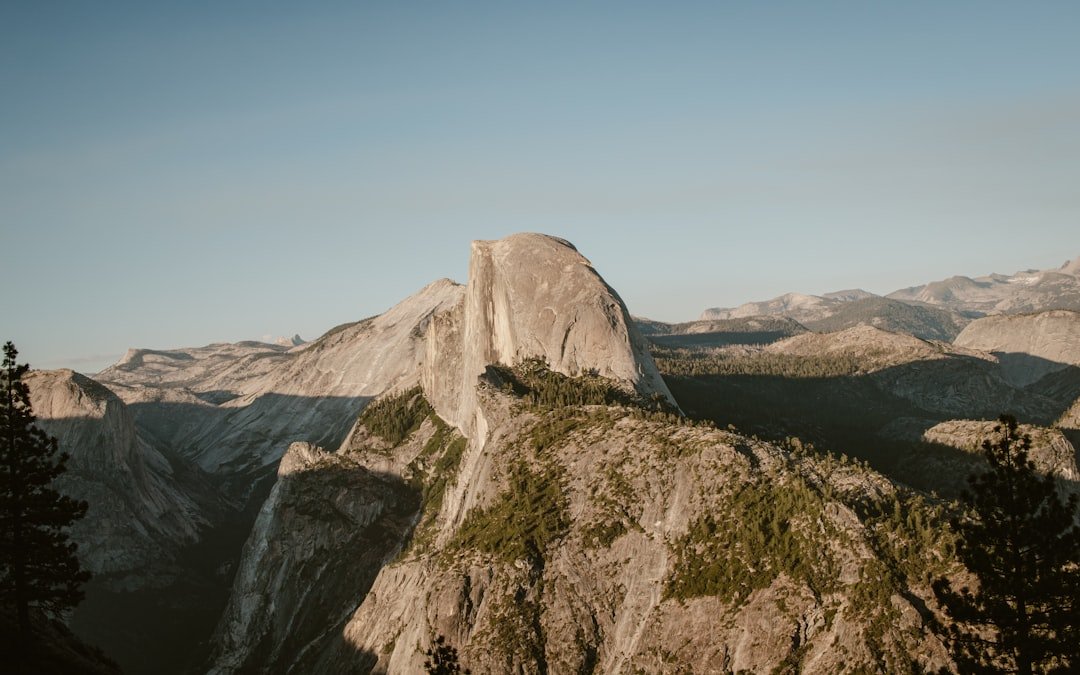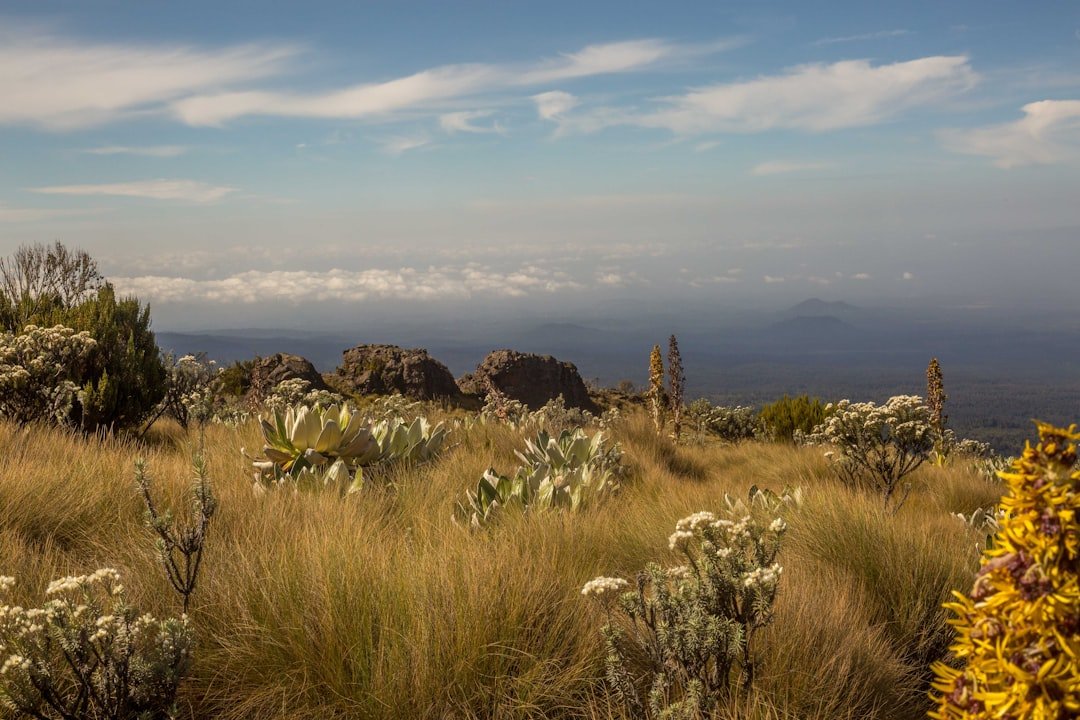
Nestled in the southernmost part of Switzerland, Ticino is a region that boasts a unique blend of Swiss and Mediterranean influences. The landscape is characterized by its stunning mountains, serene lakes, and charming villages, making it a hiker’s paradise. With over 1,000 kilometers of marked trails, Ticino offers a diverse range of hiking experiences suitable for all levels of outdoor enthusiasts.
From leisurely strolls along the shores of Lake Lugano to challenging ascents in the surrounding mountains, the region’s trails provide breathtaking views and an opportunity to immerse oneself in nature. The hiking trails in Ticino are not just pathways through the wilderness; they are gateways to discovering the rich cultural heritage and natural beauty of the region. Many trails are steeped in history, leading hikers past ancient churches, quaint villages, and remnants of old fortifications.
The combination of stunning vistas and cultural landmarks creates a unique hiking experience that is both visually and intellectually stimulating. Whether you are an experienced hiker or a casual walker, Ticino’s trails promise an adventure that will leave lasting memories.
Key Takeaways
- Ticino offers a diverse range of hiking trails, from easy family-friendly walks to challenging mountain treks.
- Some of the most scenic hikes in Ticino include the Verzasca Valley, Monte Tamaro, and the Cardada-Cimetta trail.
- Exploring the flora and fauna of Ticino’s trails allows hikers to encounter a variety of alpine flowers, wildlife, and stunning landscapes.
- Tips for hiking in Ticino include staying hydrated, wearing appropriate footwear, and being mindful of weather conditions.
- Hidden gems in Ticino include off-the-beaten-path hikes such as the Lavertezzo to Motta trail and the Val Colla loop, offering secluded beauty and tranquility.
The Most Scenic Hikes in Ticino
Among the myriad of hiking options in Ticino, certain trails stand out for their unparalleled scenic beauty. One such trail is the Sentiero del Monte Brè, which offers panoramic views of Lake Lugano and the surrounding mountains. This hike begins at the top of Monte Brè, accessible via a funicular ride, and meanders through lush forests and rocky outcrops.
As hikers traverse this trail, they are treated to breathtaking vistas that change with every turn, showcasing the vibrant colors of the landscape throughout the seasons. Another iconic hike is the Val Verzasca trail, which follows the crystal-clear waters of the Verzasca River. This route is particularly famous for its stunning emerald pools and dramatic rock formations.
The trail leads through picturesque villages like Lavertezzo, where traditional stone bridges arch over the river, creating postcard-perfect scenes. The combination of natural beauty and cultural heritage makes this hike a must-do for anyone visiting Ticino. The vibrant colors of the water against the backdrop of lush greenery create a visual feast that captivates hikers at every step.
Exploring the Flora and Fauna of Ticino’s Trails
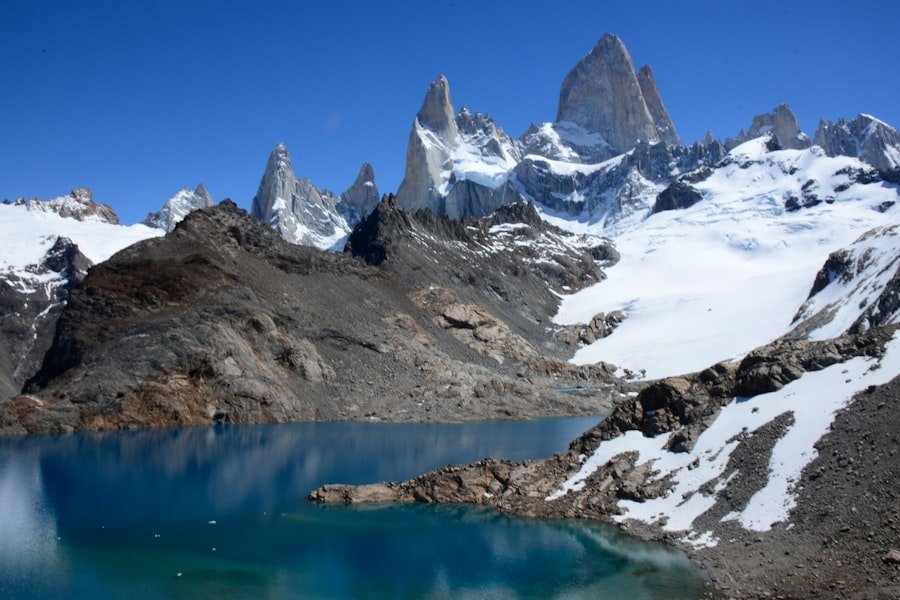
Ticino’s diverse ecosystems provide a rich tapestry of flora and fauna that hikers can observe along the trails. The region’s varied altitudes and microclimates contribute to an impressive array of plant species. From the Mediterranean-like vegetation found in lower elevations to alpine flora at higher altitudes, each hike offers a unique opportunity to witness nature’s diversity.
For instance, on the trails around Monte Tamaro, hikers can encounter rare orchids and vibrant wildflowers that bloom in spring and summer. Wildlife enthusiasts will also find plenty to marvel at while hiking in Ticino. The region is home to various species, including chamois, ibex, and even golden eagles soaring overhead.
The forests are alive with the sounds of birdsong, and if you’re lucky, you might spot a red squirrel darting through the trees. The interplay between flora and fauna creates a dynamic environment that enhances the hiking experience, allowing adventurers to connect with nature on a deeper level.
Tips for Hiking in Ticino
| Tip | Description |
|---|---|
| Check the weather | Before heading out, make sure to check the weather forecast for the area you plan to hike in. |
| Bring plenty of water | It’s important to stay hydrated, especially in the warmer months, so be sure to bring enough water for your hike. |
| Wear appropriate footwear | Choose sturdy and comfortable hiking shoes or boots to protect your feet and ankles on the trails. |
| Pack snacks | Bringing along some lightweight, energy-boosting snacks can help keep your energy levels up during your hike. |
| Stay on marked trails | For your safety and to preserve the natural environment, it’s best to stick to designated hiking paths. |
When planning a hiking trip in Ticino, preparation is key to ensuring a safe and enjoyable experience. First and foremost, it is essential to check the weather conditions before setting out. The weather in the mountains can change rapidly, so being equipped with appropriate clothing and gear is crucial.
Layering is recommended to adapt to varying temperatures throughout the day. Additionally, sturdy hiking boots with good traction are necessary for navigating the diverse terrain. Another important tip is to familiarize yourself with the trail maps and signage.
Ticino’s trails are well-marked, but having a physical map or a GPS device can be invaluable, especially on less-traveled paths. It’s also wise to inform someone about your hiking plans and expected return time for safety reasons. Hydration is vital; carrying enough water and snacks will help maintain energy levels during your hike.
Lastly, respecting nature by following Leave No Trace principles ensures that these beautiful trails remain pristine for future generations.
Hidden Gems: Off-the-Beaten-Path Hikes in Ticino
While many trails in Ticino are well-known and frequented by tourists, there are hidden gems waiting to be discovered by those willing to venture off the beaten path. One such trail is the Sentiero di Gandria, which runs along the shores of Lake Lugano from Lugano to Gandria. This picturesque route offers stunning views of the lake and surrounding hills while passing through charming villages that seem untouched by time.
The tranquility of this trail allows hikers to immerse themselves in nature without the crowds often found on more popular routes. Another lesser-known hike is the Alpe di Neggia trail, which leads to breathtaking viewpoints overlooking Lake Maggiore and the surrounding valleys. This hike takes you through lush meadows dotted with wildflowers and offers glimpses of traditional alpine huts where local farmers still practice age-old traditions.
The serenity of this area makes it an ideal spot for those seeking solitude and a deeper connection with nature. Exploring these hidden gems not only provides a unique hiking experience but also allows hikers to appreciate the quieter side of Ticino.
The Best Hikes for Families in Ticino
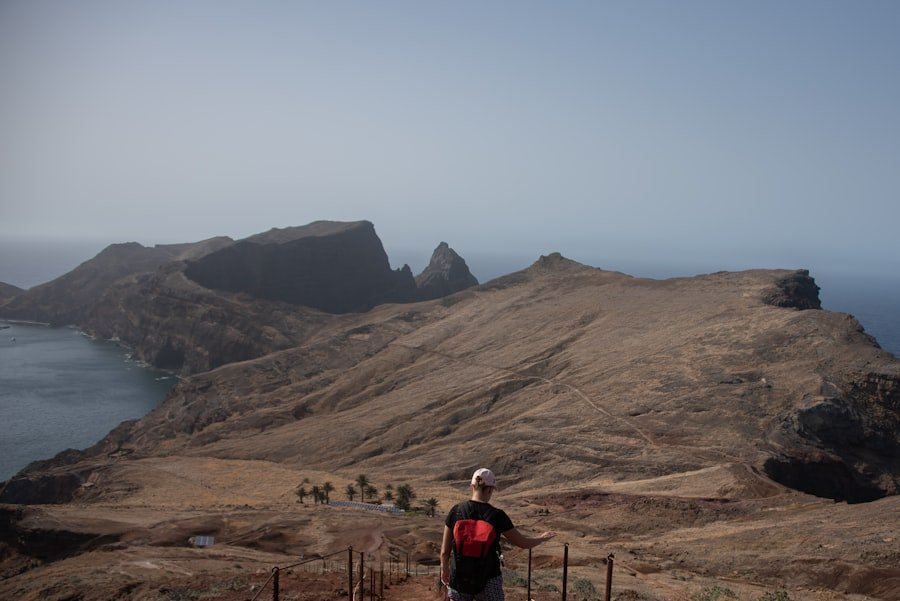
Ticino is an excellent destination for family-friendly hikes that cater to all ages and skill levels. One popular option is the Sentiero dei Pizzoccheri near Tegna, which features an easy-to-navigate trail suitable for children. This hike takes families through beautiful landscapes filled with chestnut trees and offers opportunities for picnicking along the way.
The gentle terrain makes it accessible for strollers or young children eager to explore nature. Another family-friendly hike is the Monte Tamaro Adventure Park trail, which combines hiking with fun activities for kids. After a scenic hike up to Monte Tamaro, families can enjoy zip-lining, climbing walls, and other outdoor adventures at the park.
This combination of physical activity and entertainment ensures that children remain engaged while exploring the stunning surroundings. These family-oriented hikes not only promote physical fitness but also foster a love for nature among younger generations.
Hiking Safety in Ticino: What You Need to Know
Safety should always be a priority when hiking in any region, including Ticino. One crucial aspect is understanding your own fitness level and choosing trails that match your abilities. While some hikes may appear inviting, they can present challenges such as steep ascents or rocky terrain that may not be suitable for everyone.
It’s advisable to start with easier trails if you are new to hiking or if you are hiking with children. Additionally, being aware of wildlife safety is important when exploring Ticino’s natural areas. While encounters with larger animals like bears are rare, it’s wise to make noise while hiking to avoid surprising any wildlife.
Carrying bear spray can also be a precautionary measure if you plan on venturing into more remote areas. Lastly, always carry a first-aid kit and know basic first-aid procedures in case of minor injuries during your hike.
The Top Hiking Destinations in Ticino
Ticino is home to several top hiking destinations that attract both locals and tourists alike. One such destination is Monte Generoso, known for its stunning panoramic views from its summit. The hike up Monte Generoso offers various routes ranging from moderate to challenging levels, making it suitable for different types of hikers.
The reward at the top is not only breathtaking views but also a chance to visit the historic Generoso Hotel. Another must-visit destination is the Valle Maggia region, renowned for its dramatic landscapes and picturesque villages like Maggia and Avegno. The trails here wind through lush valleys dotted with waterfalls and ancient stone bridges, providing an enchanting backdrop for hikers.
The combination of natural beauty and cultural heritage makes Valle Maggia an unforgettable destination for those looking to explore Ticino’s diverse offerings. In conclusion, Ticino’s hiking trails present an incredible opportunity for outdoor enthusiasts to experience breathtaking landscapes while connecting with nature and local culture. With its diverse range of hikes suitable for all skill levels, families can enjoy memorable adventures together while discovering hidden gems along the way.
Whether you seek scenic vistas or tranquil paths away from crowds, Ticino has something special waiting for every hiker willing to explore its enchanting trails.
If you’re planning a trip to Ticino and are eager to explore its breathtaking hiking trails, you might also be interested in discovering some delightful culinary experiences to complement your adventure. While immersing yourself in the natural beauty of Ticino, consider trying your hand at making some delicious homemade treats to enjoy after a long day of hiking. For a simple and healthy recipe that you can prepare with ease, check out this article on delicious homemade cottage cheese. This nutritious snack can be a perfect addition to your hiking picnic, providing you with the energy needed to tackle those stunning trails.
FAQs
What are the best hikes in Ticino?
Some of the best hikes in Ticino include the Verzasca Valley, Monte Tamaro, Monte Generoso, and the Cardada-Cimetta trail.
What is the difficulty level of the hikes in Ticino?
The difficulty level of the hikes in Ticino varies, with some being suitable for beginners and others more challenging for experienced hikers. It’s important to research and choose a hike that matches your fitness level and experience.
Are there guided hiking tours available in Ticino?
Yes, there are guided hiking tours available in Ticino. Local tour operators and hiking organizations offer guided tours for individuals and groups, providing valuable insights and ensuring a safe and enjoyable hiking experience.
What is the best time of year to go hiking in Ticino?
The best time to go hiking in Ticino is during the spring and summer months, from April to September, when the weather is mild and the trails are in good condition. It’s important to check the weather forecast and trail conditions before embarking on a hike.
Are there any safety tips for hiking in Ticino?
Some safety tips for hiking in Ticino include staying on marked trails, carrying essential supplies such as water, food, and a first aid kit, informing someone of your hiking plans, and being aware of the local wildlife and potential hazards. It’s also important to respect the natural environment and leave no trace.