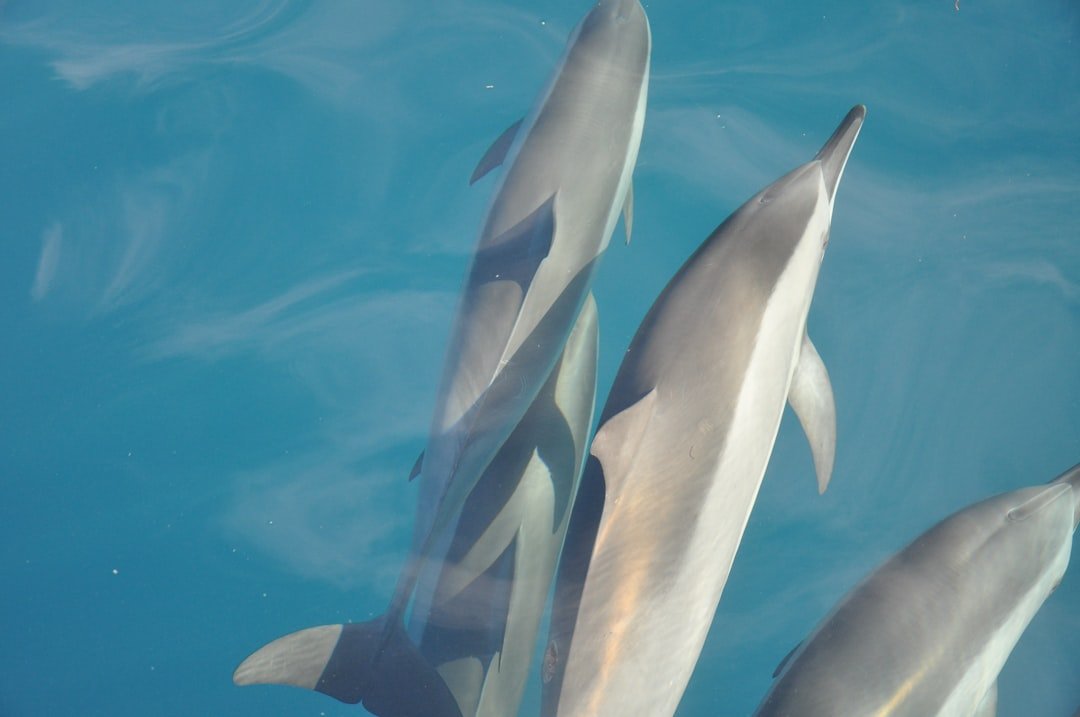
A dolphin cruise is one of the most popular ways to explore the waterways around Gulf Shores and nearby Orange Beach. A good trip combines responsible wildlife viewing with comfortable seating, clear safety procedures, and realistic expectations. Before booking, compare the vessel, route, trip length, accessibility, weather policy, and the operator’s approach to wild dolphins.
Quick Answer
Choose a well-reviewed Gulf Shores or Orange Beach dolphin cruise that follows responsible wildlife-viewing practices. Bring sun protection, water, non-slip shoes, a light layer, and a secured camera. Spring and summer are popular seasons, but dolphins are wild, so no time, route, or operator can guarantee a particular encounter.
Key Takeaways
- Compare the vessel, passenger capacity, route, shade, restrooms, accessibility, and cancellation policy before booking.
- Bring sunscreen, sunglasses, a hat, water, non-slip shoes, a light jacket, and a protected camera or phone.
- Spring and summer are popular for local dolphin cruises, while sunset trips are often chosen for cooler air and scenery.
- Stay at least 50 yards from wild dolphins, never feed or touch them, and do not try to swim with them.
- Use burst mode, continuous autofocus, and a fast shutter speed when photographing moving dolphins.
- Arrive early, listen to the crew’s safety briefing, and remember that wildlife sightings are never certain.
At a Glance
| Typical Trip Length | About 60 minutes to two hours, depending on the operator and cruise type |
| Difficulty | Easy for most passengers, but boarding steps and vessel movement vary |
| Items to Bring | Sun protection, water, non-slip shoes, light layer, camera or phone, and motion-sickness supplies if needed |
| Cost | Varies by vessel, date, passenger age, trip length, and whether the cruise is shared or private |
How to Choose the Right Dolphin Cruise
The Gulf Shores area has shared sightseeing cruises, nature-focused tours, sailboat trips, sunset cruises, and private charters. Many tours marketed to Gulf Shores visitors depart from marinas in Orange Beach, so check the departure address before you make plans. The official Gulf Shores and Orange Beach dolphin-cruise directory is a useful starting point for comparing current operators.
A large sightseeing boat may offer more deck space, shade, restrooms, and a smoother ride. A smaller boat or private charter may provide fewer passengers and a more flexible route, but it may also have more motion and fewer onboard facilities. Sailing cruises can be quieter and more relaxed, while nature tours may spend more time explaining local wildlife and habitats.
Questions to Ask Before Booking
- Where does the cruise depart? Confirm the marina, parking instructions, and check-in location.
- How long is the trip? Local cruises commonly range from about one hour to two hours.
- How many passengers are carried? Capacity affects seating, rail space, noise, and the overall atmosphere.
- Does the vessel have shade or an enclosed cabin? This matters during hot, rainy, windy, or cool weather.
- Is there a restroom? Smaller boats may not have one.
- Is the vessel accessible? Ask about ramps, boarding steps, wheelchair space, accessible restrooms, and assistance.
- Are infants and young children allowed? Some operators have age, stroller, car-seat, or child-life-jacket policies.
- What is the weather policy? Ask whether the operator cancels, delays, refunds, or reschedules trips.
- What does a dolphin guarantee include? It may mean a free return trip rather than a refund.
- What wildlife-viewing standards does the crew follow? Responsible operators should avoid chasing, surrounding, feeding, or deliberately provoking dolphins.
Note: Dolphins are wild animals. An operator may know common travel and feeding areas, but no responsible captain can control where dolphins go or promise a particular behavior.
What to Pack for Your Dolphin Cruise
Conditions on the water can feel different from conditions at your hotel or on the beach. Sunlight reflects from the water, wind can make the air feel cooler, and spray may reach exposed areas of the boat. Pack light, but prepare for sun, wind, and changing weather.
- Broad-spectrum sunscreen: Apply it before boarding and follow the product’s reapplication directions.
- Hat and sunglasses: A secure hat strap can prevent your hat from blowing overboard.
- Lightweight clothing: Breathable clothing is comfortable during warm weather.
- Light jacket or sweater: Sunset cruises and breezy trips may feel cooler than shore.
- Non-slip footwear: Closed-toe deck shoes or secure sandals usually provide better grip than loose flip-flops.
- Water: Bring a refillable bottle if outside drinks are permitted.
- Camera or phone: Charge the battery, clear storage space, and use a strap or protective case.
- Waterproof pouch: Protect keys, identification, medication, and electronics from spray.
- Motion-sickness supplies: Bring any medication, wristbands, or ginger products you normally use.
Check the operator’s rules before bringing a cooler, outside food, glass containers, large bags, strollers, or pets. Some boats sell refreshments, while others ask passengers to bring their own water and snacks.
Pro Tip: If you are prone to motion sickness, eat a light meal, stay hydrated, avoid heavy alcohol use before departure, and choose a seat near the middle of the boat where movement may feel less pronounced.
Best Times to Spot Dolphins in Gulf Shores
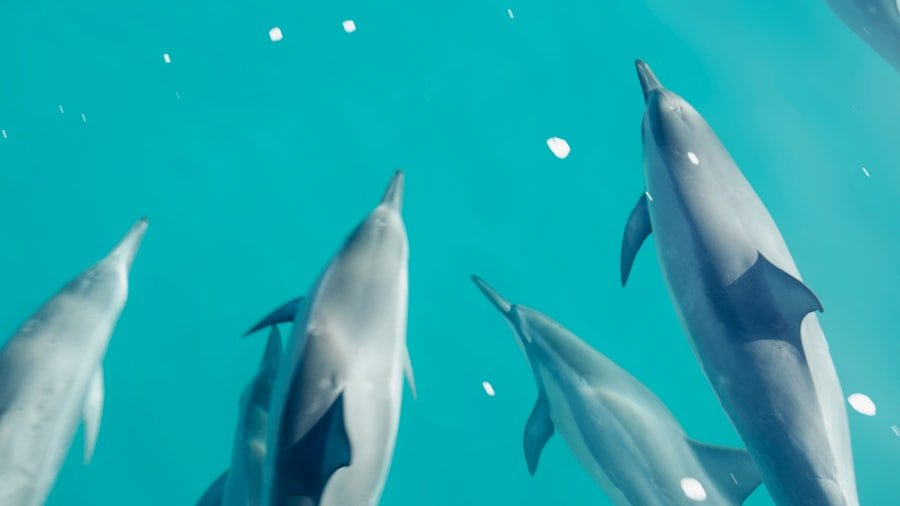
Dolphins live in and move through the bays, sounds, estuaries, and coastal waters of the northern Gulf. Sightings are possible at different times of day, but dolphin location and behavior change with prey, tides, weather, boat traffic, social activity, and other conditions.
The official Gulf Shores and Orange Beach tourism guide reports that encounters are most common during spring and summer and describes sunset cruises as a popular choice. Sunset is attractive because of the scenery and cooler evening conditions, but it should not be treated as proof that dolphins follow a guaranteed viewing schedule.
Morning trips may offer cooler temperatures, softer light, and calmer conditions on some days. Afternoon or sunset trips may fit a vacation schedule better and provide warmer colors for photography. The most practical choice is the departure time that offers suitable weather, good visibility, and a reputable operator.
A dolphin cruise improves your viewing opportunity by putting you on the water with an experienced crew, but it does not turn a wildlife encounter into a scheduled performance.
Note: Tour schedules, seasonal availability, and routes can change. Confirm the current departure time and weather policy directly with the operator.
What Dolphins Are You Most Likely to See?
Common bottlenose dolphins are the dolphins visitors are most likely to encounter in Alabama’s coastal waters. According to NOAA Fisheries, bottlenose dolphins use a wide range of habitats, including bays, estuaries, gulfs, harbors, nearshore waters, and offshore areas.
Atlantic spotted dolphins and other offshore species occur in the wider northern Gulf, but they are less typical on routine back-bay sightseeing trips. The exact species and wildlife seen depend on the route and how far the vessel travels from protected inland waters.
You may also see pelicans, herons, gulls, fish, rays, sea turtles, or other coastal wildlife. Treat these as possible sightings rather than promised features.
Etiquette for Interacting With Dolphins
| Responsible Action | Why It Matters |
|---|---|
| Do not touch, feed, or attempt to swim with wild dolphins. | Human interaction can change natural behavior, create food dependence, and place dolphins and people at risk. |
| Remain at least 50 yards, or 150 feet, away. | Distance reduces the chance of interrupting feeding, resting, nursing, traveling, or social behavior. |
| Do not chase, surround, trap, or block dolphins. | Dolphins need a clear route to move away from boats and other disturbances. |
| Avoid loud attempts to attract a reaction. | Trying to change an animal’s behavior can become harassment. |
| Never separate a mother and calf. | Calves depend on their mothers for nursing, protection, movement, and learning. |
| Dispose of trash and fishing line properly. | Marine debris can be swallowed or become wrapped around wildlife. |
NOAA’s marine-life viewing guidance recommends remaining at least 50 yards from dolphins and limiting observation of an individual or group to approximately 30 minutes. Feeding or harassing wild marine mammals is illegal under federal law.
The captain controls the vessel, but passengers also have responsibilities. Do not throw food, lean out to touch an animal, encourage the captain to chase a pod, or make loud noises to provoke a jump. Give the crew room to operate safely and follow all instructions.
Warning: Never feed, touch, chase, surround, swim with, or attempt to ride a wild dolphin. If a dolphin approaches the vessel, the captain should avoid sudden movements and allow the animal to choose its path.
What to Do if You See a Stranded or Injured Dolphin
Do not touch the dolphin, pour water into its blowhole, drag it, or push it back into the water. Keep people and pets away and report the animal to the Alabama Marine Mammal Stranding Network at 1-877-WHALE-HELP or 1-877-942-5343. Follow the responder’s instructions and provide the location, photographs from a safe distance, and a description of the animal’s condition.
Photography Tips for Capturing Dolphins
Dolphins may surface for only a moment, so prepare your camera before the first sighting. Keep the device secured with a wrist or neck strap and avoid blocking walkways while watching the water.
Camera Settings
- Use continuous shooting or burst mode: A short sequence improves your chance of capturing the dolphin at the top of a jump or breath.
- Choose continuous autofocus: Tracking autofocus can follow an animal moving across the frame.
- Use a fast shutter speed: In good light, starting near 1/1000 second can help freeze splashes and movement. Lower it if the image becomes too dark.
- Select a wider focus area: A small single focus point can be difficult to place on a fast-moving dolphin.
- Leave space around the animal: A slightly wider frame is easier to crop than an image that cuts off the dorsal fin or splash.
- Watch for patterns: After one dolphin surfaces, others in the group may appear along the same direction of travel.
Phone Photography
Use burst mode, Live Photos, motion photos, or a short video clip when the dolphins are active. Tap the dolphin or nearby water to set focus, hold the phone with both hands, and avoid excessive digital zoom. Digital zoom can magnify shake and reduce detail.
A telephoto lens can provide a closer-looking photograph while the boat maintains a responsible distance. Photography never justifies asking the captain to move closer, change course abruptly, or disturb the animals.
Pro Tip: Photograph the full experience, not only close dolphin images. Wide shots showing the coastline, boat, sky, water, and passengers often preserve the memory better than a heavily zoomed picture.
Safety Precautions on a Dolphin Cruise
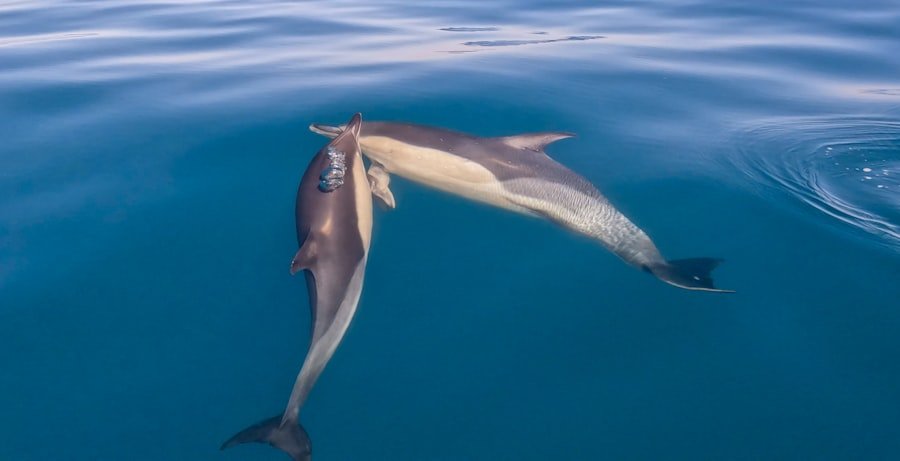
Listen carefully to the crew’s safety briefing before departure. Identify the life jackets, emergency exits, railings, restrooms, and areas where passengers may or may not stand. Follow instructions immediately if weather or vessel conditions change.
- Use handrails when moving around the boat.
- Keep aisles and emergency equipment clear.
- Do not sit or climb on railings.
- Keep children within arm’s reach when the crew requests it.
- Stay seated during docking, rapid turns, rough water, or other restricted periods.
- Secure loose hats, bags, bottles, cameras, and phones.
- Tell the crew promptly if someone feels faint, sick, injured, or overheated.
The U.S. Coast Guard advises that every person aboard a recreational vessel should have an appropriately sized, approved wearable flotation device. Child-wear requirements vary according to vessel type, age, location, and state law. Ask the operator about its child life-jacket policy and follow the captain’s instructions.
Weather and Heat Safety
Marine weather can change quickly. Check the forecast on the morning of the trip, but rely on the operator and captain for the final decision about departure. Thunderstorms, lightning, strong winds, poor visibility, or rough water may cause a delay, route change, or cancellation.
Use sunscreen, drink water, and seek shade when available. Headache, nausea, dizziness, confusion, heavy sweating, or unusual weakness can signal heat illness or motion sickness. Notify the crew rather than trying to manage severe symptoms alone.
Children and Accessibility
Dolphin cruises can be enjoyable for children, but “family-friendly” does not mean every vessel suits every child. Ask about minimum ages, rail height, required life jackets, onboard restrooms, trip duration, shade, stroller storage, and whether a child can remain seated for the full ride.
Passengers with limited mobility should ask for exact details rather than relying only on the word “accessible.” Confirm the boarding surface, ramp angle, doorway width, wheelchair space, restroom access, seating arrangement, and whether the vessel can safely accommodate the passenger’s specific mobility device.
Understanding Dolphin Behavior
Bottlenose dolphins are social animals, but their groups are flexible. Individuals may travel alone or in groups that separate and reform according to feeding, resting, reproduction, protection, and other activities. A group seen during one part of a cruise may not remain together for the entire trip.
Dolphins communicate with whistles, clicks, body contact, posture, and movement. They also use echolocation to gather information about objects and prey in the water. Commonly observed surface behaviors include:
- Breaching: A dolphin leaps partly or completely out of the water.
- Porpoising: A dolphin makes repeated forward leaps while traveling quickly.
- Spyhopping: A dolphin raises its head or upper body vertically above the surface.
- Tail slapping: A dolphin strikes the water with its tail.
- Bow or wake riding: A dolphin uses pressure created by a moving vessel or wave.
- Slow synchronized surfacing: A group surfaces and breathes in a coordinated pattern.
A single behavior can have several possible functions. A leap may relate to movement, communication, social activity, play, irritation, or another purpose. Avoid assuming that every jump means the dolphin is performing for the boat.
Watch for signs that dolphins may be disturbed, including sudden direction changes, rapid swimming away, prolonged dives, erratic movement, repeated tail slaps, or a mother positioning herself between a calf and a vessel. A responsible captain should create more space if the animals change their behavior.
Making the Most of Your Dolphin Cruise Experience
Arrive at the marina early enough to park, find the check-in point, use the restroom, and complete any required waiver. Operators may close boarding before the advertised departure time, so follow the arrival instructions in your confirmation.
Once aboard, ask the crew where passengers may stand and which areas provide the safest view. Avoid crowding one side of the vessel suddenly when a dolphin appears. The captain may reposition the boat or ask passengers to remain seated so the vessel stays balanced and clear of other traffic.
Listen to the guide’s explanations about local habitats, dolphins, birds, fish, tides, and coastal history. Ask focused questions, but remember that the crew may need quiet while docking, navigating congested water, watching weather, or operating near wildlife.
Consider keeping a short journal or log of the trip. Record the date, weather, route, wildlife, and behaviors you observed. If you travel with family or friends, share photographs and favorite moments after the cruise rather than spending the entire trip looking through a screen.
A successful cruise is not measured only by how many dolphins you photograph. The route, sunset, coastal scenery, birds, marine life, and time on the water can still make the trip worthwhile when dolphins remain distant or appear only briefly.
Optional Related Reading: After a warm day on the water, you may also enjoy learning about refreshing fruit varieties in Exploring the Delightful World of Asian Melon.
Sources
- Gulf Shores & Orange Beach Tourism: Dolphin Cruises — local cruise types, seasons, sunset trips, packing, and current visitor guidance
- NOAA Fisheries: Marine Life Viewing Guidelines — distance, viewing time, vessel behavior, and prohibited interactions
- NOAA Fisheries: Common Bottlenose Dolphin — habitat, social behavior, feeding, and conservation information
- Dauphin Island Sea Lab: Alabama Marine Mammal Stranding Network — Alabama stranding response, safe viewing, and reporting instructions
- U.S. Coast Guard: Life Jacket Wear — flotation-device fit, availability, maintenance, and child guidance
- National Weather Service: Gulf Shores Marine Forecast — current wind, wave, weather, and marine-condition information
Frequently Asked Questions
What is a dolphin cruise in Gulf Shores?
A Gulf Shores dolphin cruise is a guided boat trip through nearby bays, inlets, backwaters, or Gulf waters where passengers may observe wild dolphins and other coastal wildlife from a safe distance. Many cruises serving Gulf Shores visitors depart from Orange Beach marinas.
What should I bring on a dolphin cruise?
Bring sunscreen, sunglasses, a secure hat, water, non-slip footwear, a light jacket, and a charged phone or camera in a protective case. Motion-sensitive passengers should also bring the seasickness supplies they normally use.
When is the best time to take a dolphin cruise in Gulf Shores?
Spring and summer are popular seasons, and local tourism guidance reports higher encounter rates during those periods. Morning trips can be cooler, while sunset trips offer attractive light and scenery. No season or time of day guarantees a sighting.
How long does a Gulf Shores dolphin cruise last?
Many local cruises last about 60 minutes to two hours. Private charters, sailing trips, wildlife tours, and combination activities may be shorter or longer, so verify the exact duration before booking.
Are dolphin cruises suitable for children?
Many are designed for families, but policies and vessel layouts vary. Ask about minimum ages, railings, shade, restrooms, child life jackets, stroller storage, trip length, and whether children must remain seated during parts of the cruise.
Are dolphin sightings guaranteed?
Wildlife sightings can never be guaranteed in an absolute sense. Some operators advertise a guarantee that provides a free return trip if no dolphins are seen. Read the terms carefully because it may not provide a cash refund.
Can passengers touch, feed, or swim with wild dolphins?
No. Feeding or harassing wild dolphins is illegal, and NOAA advises people not to touch, pet, pursue, swim with, or attempt to provoke a reaction from them. Dolphins should be viewed from at least 50 yards away.
Will I get seasick on a dolphin cruise?
It depends on your sensitivity, the vessel, the route, wind, and wave conditions. Back-bay routes are often more protected than open-water trips. Choose a seat near the middle of the boat, face forward, watch the horizon, and use your usual motion-sickness method.
Are Gulf Shores dolphin cruises wheelchair accessible?
Some vessels can accommodate wheelchairs or passengers with limited mobility, but accessibility differs significantly. Confirm the ramp, boarding steps, doorway width, wheelchair space, seating, restroom access, and assistance available before purchasing tickets.
What happens if bad weather cancels the cruise?
The policy depends on the operator. A weather cancellation may result in a refund, credit, or rescheduled trip. Ask whether the operator cancels for lightning, strong wind, rough water, or poor visibility and whether online booking fees are refundable.