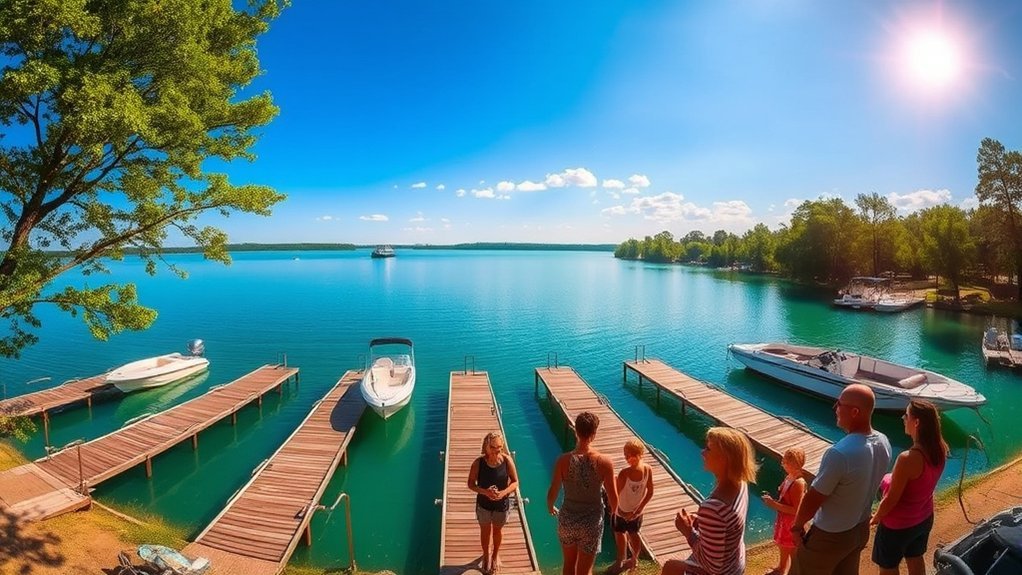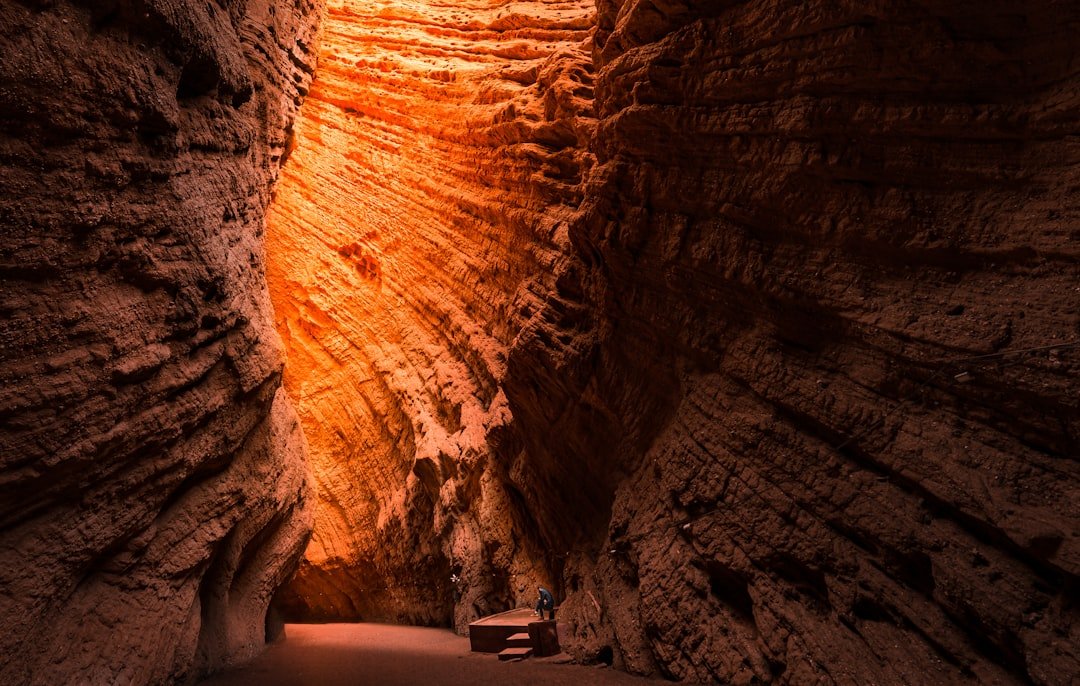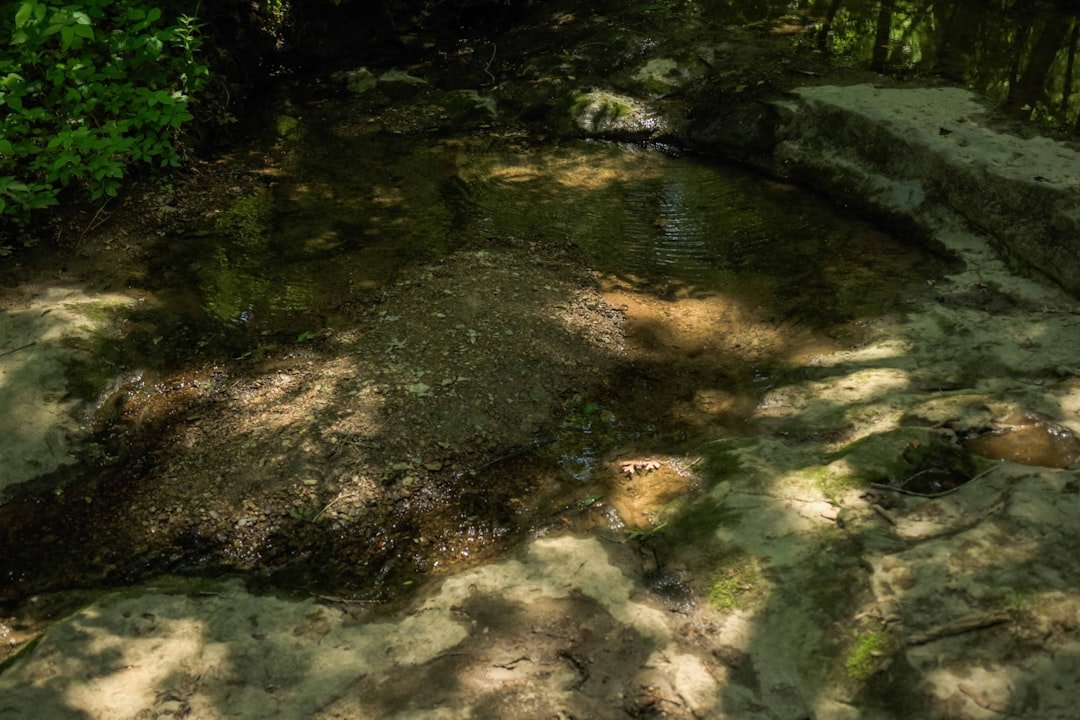
Alabama, often celebrated for its rich cultural heritage and vibrant cities, also boasts a stunning array of natural swimming holes that beckon adventurers and nature lovers alike. Nestled within the state’s lush landscapes, these aquatic gems offer a refreshing escape from the sweltering Southern heat. From crystal-clear springs to serene riverbanks, Alabama’s swimming holes provide not only a place to cool off but also an opportunity to connect with the state’s diverse ecosystems.
The allure of these natural bodies of water lies in their unspoiled beauty, inviting visitors to immerse themselves in the tranquility of nature. The appeal of swimming in natural settings extends beyond mere recreation; it encompasses a sense of adventure and exploration. Unlike man-made pools, Alabama’s swimming holes are often surrounded by breathtaking scenery, including towering trees, rocky outcrops, and vibrant wildlife.
Each location has its own unique character, shaped by the geological features and flora that define the region. As more people seek outdoor experiences that promote well-being and environmental awareness, Alabama’s natural swimming holes stand out as prime destinations for those looking to enjoy the great outdoors while creating lasting memories.
Key Takeaways
- Alabama is home to some of the most beautiful natural swimming holes in the country, offering a refreshing escape from the summer heat.
- The top 5 must-visit swimming holes in Alabama include Blue Hole, Turkey Creek Nature Preserve, Caney Creek Falls, Hurricane Creek Park, and Little River Canyon National Preserve.
- Safety tips for swimming in natural bodies of water include always swimming with a buddy, being aware of underwater hazards, and avoiding swimming after heavy rainfall.
- The history and geology of Alabama’s swimming holes date back millions of years, with many formed by the state’s unique karst topography and underground water systems.
- The best time of year to visit Alabama’s swimming holes is during the spring and summer months when the weather is warm and the water levels are ideal for swimming.
- Planning the perfect day trip to Alabama’s swimming holes involves packing plenty of water, snacks, sunscreen, and a first aid kit, as well as researching the specific amenities and regulations of each location.
- Hidden gems, or lesser-known swimming holes in Alabama, offer a quieter and more secluded experience for those looking to escape the crowds and connect with nature.
- Preserving Alabama’s swimming holes is crucial for maintaining the health of the state’s ecosystems and providing future generations with the opportunity to enjoy these natural wonders.
The Top 5 Must-Visit Swimming Holes in Alabama
One of the most iconic swimming holes in Alabama is the Blue Hole located in the Sipsey Wilderness area of Bankhead National Forest. This stunning spot features striking blue waters that are fed by natural springs, creating a picturesque setting for swimming and relaxation. Surrounded by towering cliffs and dense forests, the Blue Hole is not only a popular destination for swimming but also for hiking and picnicking.
The area is rich in biodiversity, making it an ideal location for nature enthusiasts who wish to explore the surrounding trails and observe local wildlife. Another must-visit location is the Little River Canyon National Preserve, which offers several swimming spots along its scenic riverbanks. The most notable is the popular “Canyon Mouth” area, where visitors can enjoy shallow pools perfect for wading or deeper sections suitable for diving.
The Little River itself is unique as it flows atop Lookout Mountain, providing stunning views and a variety of recreational opportunities. The preserve is also home to numerous hiking trails that lead to breathtaking overlooks, allowing visitors to appreciate the canyon’s dramatic landscapes before taking a refreshing dip in the cool waters below. A third noteworthy swimming hole is Cheaha State Park’s Lake Cheaha, which is nestled at the highest point in Alabama.
This serene lake offers a tranquil environment for swimming, kayaking, and fishing. The park features well-maintained facilities, including picnic areas and hiking trails that wind through the surrounding mountains. Visitors can enjoy a day of outdoor activities before cooling off in the lake’s refreshing waters.
The park’s elevation provides a unique climate that allows for diverse flora and fauna, making it an excellent spot for nature lovers. The fourth gem on this list is the Kymulga Grist Mill Park in Childersburg. This historical site features a picturesque gristmill dating back to the 1800s, alongside a beautiful creek that flows through the park.
The swimming area is shallow and perfect for families with children, offering a safe environment for splashing and playing. The park also has picnic facilities and walking trails, making it an ideal destination for a family outing or a leisurely day spent enjoying nature. Lastly, we cannot overlook the enchanting Noccalula Falls Park in Gadsden.
This park features a stunning waterfall that cascades into a natural pool below, creating an idyllic setting for swimming and relaxation. The park offers various amenities, including walking trails that lead to scenic overlooks of the falls and surrounding landscapes. Visitors can also explore the botanical gardens and historical sites within the park, making it a multifaceted destination that caters to both adventure seekers and those looking to unwind.
Safety Tips for Swimming in Natural Bodies of Water
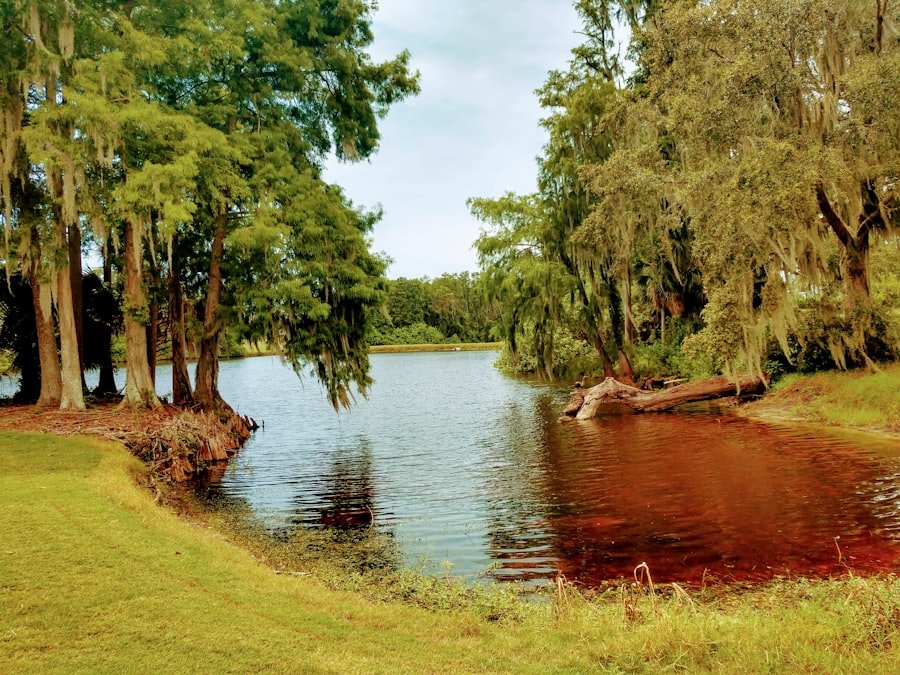
While swimming in natural bodies of water can be exhilarating, it is essential to prioritize safety to ensure an enjoyable experience. One of the primary concerns when swimming in rivers or lakes is understanding the water conditions. Before diving in, it is crucial to assess the current flow of the water, especially in rivers where currents can be unpredictable.
Swimmers should look for signs indicating strong currents or hazardous conditions and heed any warnings posted by local authorities. Another important safety measure involves being aware of potential hazards beneath the water’s surface. Rocks, submerged logs, and sudden drop-offs can pose risks to swimmers who may not be familiar with the area.
It is advisable to enter the water gradually and test its depth before fully submerging oneself. Additionally, wearing appropriate footwear can help protect feet from sharp objects or slippery surfaces while navigating rocky shorelines. Swimmers should also consider their own skill levels when choosing a swimming hole.
Some locations may be better suited for experienced swimmers due to their depth or current strength. It is wise to swim with a buddy whenever possible; this not only enhances safety but also adds to the enjoyment of the experience. In case of an emergency, having someone nearby can make all the difference.
Lastly, it is essential to be mindful of wildlife in natural swimming areas. While many animals are harmless, some may pose risks if provoked or approached too closely. Swimmers should respect local wildlife and maintain a safe distance from any animals they encounter.
Additionally, being aware of potential waterborne illnesses is crucial; swimmers should avoid swallowing water from natural bodies and shower after swimming to minimize any health risks.
The History and Geology of Alabama’s Swimming Holes
| Swimming Hole | Location | Geological Formation | Water Temperature (°F) |
|---|---|---|---|
| Chewacla State Park | Auburn | Granite outcrops | 70 |
| Blue Hole | Little River Canyon | Sandstone formations | 65 |
| DeSoto Falls Swimming Hole | DeSoto State Park | Limestone bedrock | 68 |
Alabama’s swimming holes are not just beautiful; they are steeped in history and shaped by fascinating geological processes. The state’s diverse geology includes ancient rock formations that date back millions of years, resulting from tectonic activity and erosion over time. Many of Alabama’s natural swimming holes are formed by rivers carving through limestone and sandstone, creating deep pools and stunning waterfalls that attract visitors year-round.
The history of these areas often intertwines with Native American cultures that inhabited Alabama long before European settlers arrived. Tribes such as the Creek and Cherokee utilized these waterways for sustenance and spiritual practices. Many natural swimming holes served as gathering places where communities would come together to fish, swim, and celebrate their connection to nature.
As settlers arrived in the 19th century, these locations continued to hold significance as recreational spots for families seeking respite from their daily lives. In addition to their cultural history, Alabama’s swimming holes have played a role in shaping local economies through tourism and recreation. As outdoor activities gained popularity in the 20th century, many of these natural sites were developed into parks or preserves to protect their beauty while providing access to visitors.
This development has allowed generations to enjoy these pristine environments while fostering an appreciation for conservation efforts aimed at preserving Alabama’s unique geological features. The geological processes that created these swimming holes also contribute to their ecological significance.
The interplay between water flow, sediment deposition, and vegetation creates dynamic ecosystems that thrive in these natural settings. Understanding this geological context enhances our appreciation for these swimming holes as not only recreational spaces but also vital components of Alabama’s environmental landscape.
The Best Time of Year to Visit Alabama’s Swimming Holes
Timing plays a crucial role in maximizing your experience at Alabama’s swimming holes. Generally speaking, late spring through early fall is considered the best time to visit these natural aquatic destinations. During this period, temperatures rise significantly, often reaching into the 80s and 90s Fahrenheit, making it ideal for swimming and outdoor activities.
Late spring brings blooming wildflowers and lush greenery that enhance the beauty of these locations. Summer months can be particularly popular among families seeking relief from the heat; however, it’s essential to consider potential crowds at well-known spots during peak vacation times. Early mornings or weekdays may offer a more tranquil experience at popular swimming holes like Blue Hole or Little River Canyon.
Fall presents another excellent opportunity to visit Alabama’s swimming holes as temperatures begin to cool down while still remaining pleasant for outdoor activities. The changing foliage creates a stunning backdrop against which visitors can enjoy their surroundings while taking refreshing dips in cooler waters.
Autumn also tends to attract fewer crowds compared to summer months, allowing for a more peaceful experience. Winter months can be less favorable for swimming due to colder temperatures; however, some individuals still enjoy visiting these locations for hiking or photography amidst serene winter landscapes. While swimming may not be feasible during this time, exploring trails or simply enjoying the beauty of frozen waterfalls can provide unique experiences that highlight Alabama’s natural wonders throughout all seasons.
How to Plan the Perfect Day Trip to Alabama’s Swimming Holes
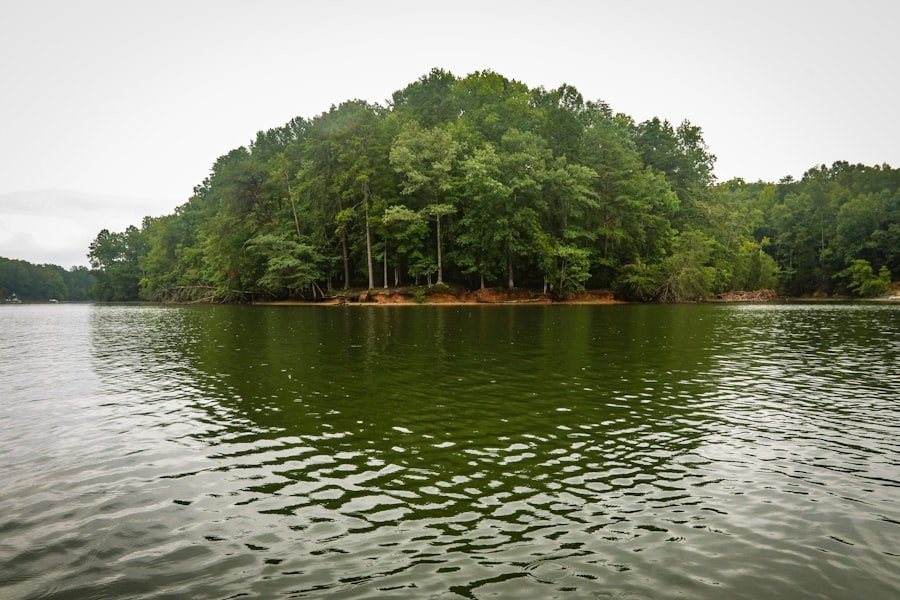
Planning a day trip to one of Alabama’s natural swimming holes requires careful consideration to ensure an enjoyable experience from start to finish. First and foremost, selecting your destination based on personal preferences is essential—whether you seek solitude at a lesser-known spot or excitement at a popular location like Noccalula Falls Park or Little River Canyon National Preserve. Once you’ve chosen your destination, consider logistics such as travel time and accessibility.
Many swimming holes are located within state parks or national forests that may require entrance fees or permits; researching these details ahead of time can save you from unexpected surprises upon arrival. Additionally, familiarize yourself with available amenities such as restrooms, picnic areas, or designated parking spaces. Packing appropriately is another critical aspect of planning your trip.
Essentials include swimwear, towels, sunscreen, snacks or meals for picnicking, and plenty of water to stay hydrated throughout your visit. If you plan on hiking before or after your swim, sturdy footwear is recommended along with comfortable clothing suitable for outdoor activities. Lastly, consider bringing along recreational equipment such as inflatable rafts or fishing gear if permitted at your chosen location.
Engaging in various activities can enhance your experience while allowing you to fully appreciate all that these natural settings have to offer.
Hidden Gems: Lesser-Known Swimming Holes in Alabama
While many visitors flock to popular destinations like Blue Hole or Noccalula Falls Park, Alabama is home to numerous hidden gems waiting to be discovered by adventurous souls willing to explore off-the-beaten-path locations. One such hidden treasure is the “Secret Falls” located near Fort Payne—a secluded waterfall accessible via a short hike through dense woods leading down into a serene pool perfect for cooling off on hot summer days. Another lesser-known spot is “The Narrows” along the Sipsey River—a narrow stretch where crystal-clear waters flow between towering rock formations creating picturesque scenery ideal for swimming or relaxing on warm afternoons.
This hidden oasis offers tranquility away from larger crowds while still providing opportunities for exploration along nearby trails. For those seeking an even more remote experience, “Hurricane Creek” near Bankhead National Forest presents an enchanting setting characterized by lush vegetation surrounding its clear waters—perfectly suited for those looking to escape into nature without distractions from modern life. These hidden gems not only provide unique experiences but also highlight Alabama’s diverse landscapes beyond well-trodden tourist paths—encouraging visitors to venture into lesser-known territories where they can forge deeper connections with nature while enjoying refreshing swims amidst breathtaking surroundings.
The Environmental Importance of Preserving Alabama’s Swimming Holes
The preservation of Alabama’s natural swimming holes extends beyond recreational enjoyment; it plays a vital role in maintaining ecological balance within local ecosystems. These bodies of water serve as critical habitats for various aquatic species while supporting surrounding flora that contributes to overall biodiversity within their respective regions. Natural swimming holes often act as indicators of environmental health—changes in water quality or ecosystem dynamics can signal broader ecological issues affecting wildlife populations or plant communities nearby.
Protecting these areas ensures not only their continued enjoyment by future generations but also safeguards essential resources necessary for sustaining local wildlife populations. Moreover, preserving these natural spaces fosters community engagement around conservation efforts—educating visitors about responsible practices such as minimizing littering or respecting wildlife habitats encourages stewardship among those who frequent these locations regularly. As awareness grows regarding climate change impacts on freshwater resources globally—protecting local ecosystems becomes increasingly crucial—ensuring that future generations can continue enjoying Alabama’s beautiful natural swimming holes while fostering appreciation for their environmental significance remains paramount in our collective responsibility towards nature conservation efforts statewide.
If you’re planning a trip to explore the natural beauty of Alabama’s swimming holes, you might also be interested in discovering some refreshing treats to enjoy after a day in the sun. A related article that could pique your interest is about the delightful world of Asian melon, which offers a sweet and hydrating snack perfect for a summer outing. You can read more about these delicious fruits in the article titled “Exploring the Delightful World of Asian Melon” by clicking here. This article provides insights into the different varieties of Asian melons and how they can be a perfect addition to your picnic basket when visiting Alabama’s scenic swimming spots.
FAQs
What are swimming holes?
Swimming holes are natural bodies of water, such as rivers, lakes, or ponds, that are popular for swimming and recreational activities.
Where can I find swimming holes in Alabama?
Alabama is home to numerous swimming holes, including locations such as the Sipsey Wilderness, Little River Canyon, and the Cahaba River.
Are swimming holes safe?
Swimming holes can vary in safety, so it’s important to always exercise caution and be aware of potential hazards such as strong currents, underwater obstacles, and water quality.
What should I bring to a swimming hole in Alabama?
When visiting a swimming hole in Alabama, it’s important to bring essentials such as sunscreen, water shoes, a first aid kit, and plenty of water to stay hydrated.
Are there any regulations or restrictions for swimming holes in Alabama?
Some swimming holes in Alabama may have specific regulations or restrictions, such as designated swimming areas, parking fees, or rules regarding alcohol and pets. It’s important to research and adhere to any posted guidelines at each location.