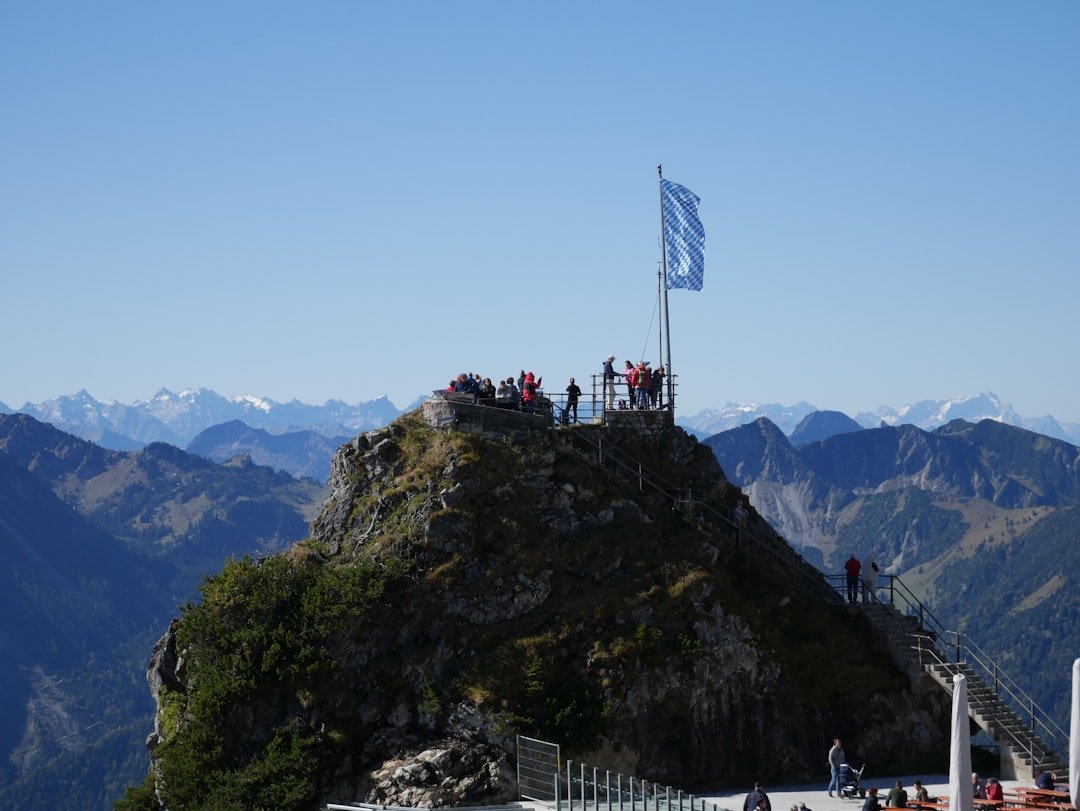
Nestled in the heart of the Swiss Alps, Jungfraujoch is often referred to as the “Top of Europe.” This breathtaking mountain pass sits at an elevation of 3,454 meters (11,332 feet) and is renowned for its stunning panoramic views, glacial landscapes, and unique attractions. The region is a UNESCO World Heritage site, part of the Swiss Alps Jungfrau-Aletsch area, which is celebrated for its natural beauty and ecological significance. The iconic peaks of Eiger, Mönch, and Jungfrau surround the area, creating a dramatic backdrop that draws visitors from around the globe.
Jungfraujoch serves as a gateway to some of the most spectacular alpine experiences imaginable. The area is not only a hub for skiing and snowboarding enthusiasts but also offers year-round activities that cater to a diverse range of interests. From hiking trails that meander through pristine landscapes to the mesmerizing Aletsch Glacier, the largest glacier in the Alps, Jungfraujoch is a destination that promises adventure and awe.
The combination of its high-altitude location and accessibility makes it a must-visit for anyone traveling to Switzerland.
Key Takeaways
- Jungfraujoch is a popular tourist destination in Switzerland, known as the “Top of Europe” for its stunning views and activities.
- Visitors can reach Jungfraujoch by taking a train from Interlaken to Kleine Scheidegg, then transferring to the Jungfrau Railway to reach the summit.
- At Jungfraujoch, visitors can enjoy activities such as visiting the Ice Palace, exploring the Sphinx Observatory, and taking in the panoramic views from the viewing platforms.
- Tips for visiting Jungfraujoch include dressing warmly, wearing sunscreen, and staying hydrated due to the high altitude.
- The best time to visit Jungfraujoch is during the summer months, from June to September, when the weather is milder and the attractions are fully accessible.
How to Get to Jungfraujoch
Reaching Jungfraujoch is an adventure in itself, as it involves a scenic journey through some of Switzerland’s most picturesque landscapes. The most common starting point for travelers is Interlaken, a charming town situated between Lake Thun and Lake Brienz. From Interlaken, visitors can take a train to Lauterbrunnen or Grindelwald, both of which serve as gateways to the Jungfrau region.
Once in Lauterbrunnen or Grindelwald, travelers will board the cogwheel train that ascends to Jungfraujoch. This segment of the journey is particularly remarkable, as the train climbs steeply through tunnels carved into the mountainside, emerging at various points to reveal breathtaking vistas.
The final leg of the journey takes passengers through the Eiger North Face tunnel, where they can catch glimpses of climbers tackling this legendary peak. The entire trip from Interlaken to Jungfraujoch takes approximately two hours and is well worth the time for the unforgettable views and experiences that await.
Things to Do at Jungfraujoch
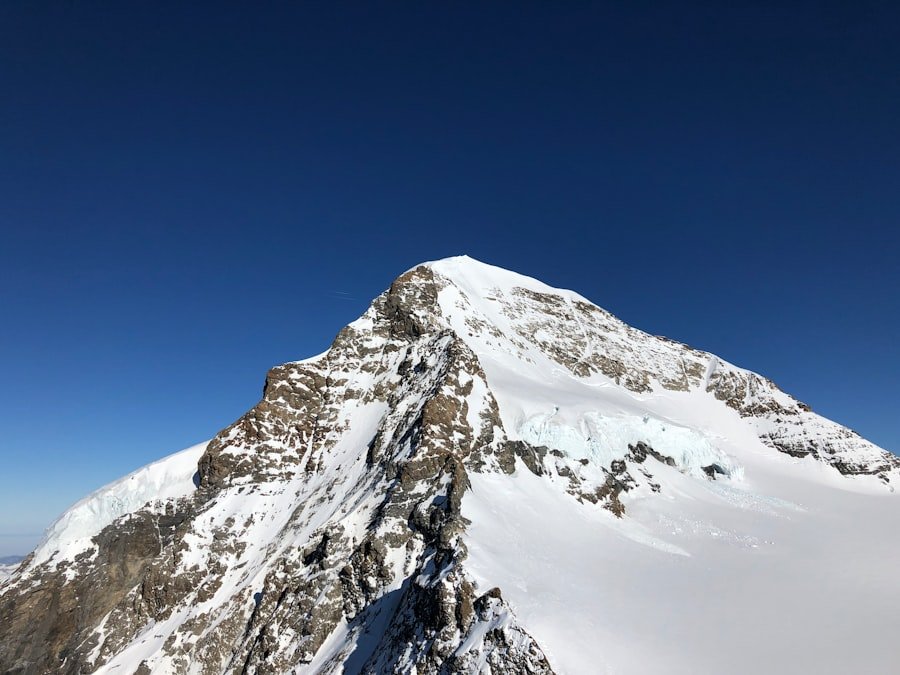
Upon arriving at Jungfraujoch, visitors are greeted by a world of possibilities. One of the most popular attractions is the Sphinx Observatory, which offers an observation deck with unparalleled views of the surrounding peaks and glaciers. Standing at 3,571 meters (11,682 feet), it is one of the highest observatories in Europe.
Here, guests can marvel at the Aletsch Glacier stretching out below them, a UNESCO World Heritage site that showcases the beauty and power of nature. In addition to the observatory, visitors can explore the Ice Palace, an enchanting underground world carved entirely from ice. The Ice Palace features intricate sculptures and tunnels that provide a unique perspective on glacial formations.
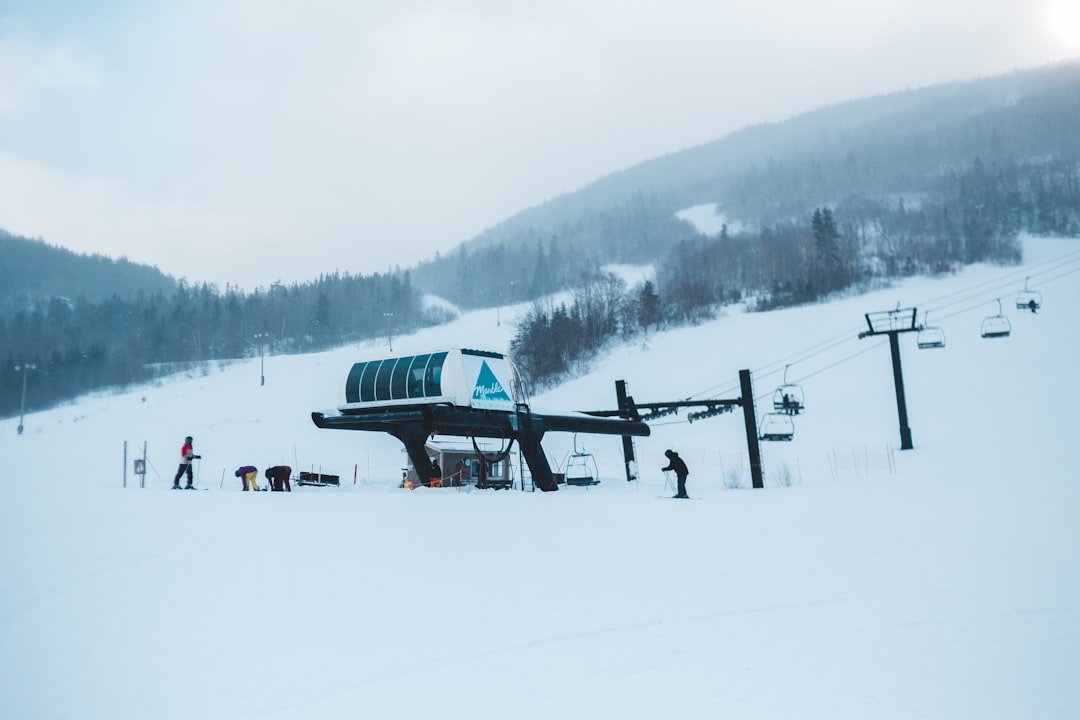
For those seeking adventure, there are opportunities for snow sports such as skiing and snowboarding on the slopes surrounding Jungfraujoch. The area also offers guided glacier hikes for those who wish to experience the icy terrain up close while learning about its geological significance.
Tips for Visiting Jungfraujoch
| Category | Tips |
|---|---|
| Weather | Check the weather forecast before visiting as it can change rapidly at high altitudes. |
| Clothing | Dress in layers and wear sturdy shoes as the temperature and terrain can vary. |
| Altitude Sickness | Take it slow and stay hydrated to avoid altitude sickness. |
| Tickets | Book tickets in advance to avoid long queues at the ticket counter. |
| Camera | Don’t forget to bring a camera to capture the stunning views. |
When planning a visit to Jungfraujoch, it is essential to consider several factors to ensure a smooth experience. First and foremost, travelers should be aware of altitude sickness, which can affect individuals at high elevations. It is advisable to acclimatize gradually by spending time at lower altitudes before ascending to Jungfraujoch.
Staying hydrated and avoiding strenuous activities upon arrival can also help mitigate symptoms. Another important tip is to dress appropriately for the weather conditions. Even during summer months, temperatures at Jungfraujoch can be quite chilly due to its high altitude.
Layering clothing is recommended, as it allows visitors to adjust their attire based on changing conditions throughout the day. Additionally, sturdy footwear is essential for those planning to explore hiking trails or engage in snow activities.
Best Time to Visit Jungfraujoch
The best time to visit Jungfraujoch largely depends on what activities travelers wish to pursue. For those interested in winter sports such as skiing or snowboarding, the peak season runs from December through March when snowfall is abundant and conditions are ideal. During this time, visitors can enjoy well-groomed slopes and vibrant après-ski scenes in nearby towns.
Conversely, summer months from June to September offer a different experience altogether. This period is characterized by milder temperatures and clearer skies, making it perfect for hiking and sightseeing. The trails around Jungfraujoch come alive with wildflowers, and panoramic views are often unobstructed by clouds.
However, it’s worth noting that summer visitors should still be prepared for sudden weather changes typical of alpine environments.
Where to Stay near Jungfraujoch
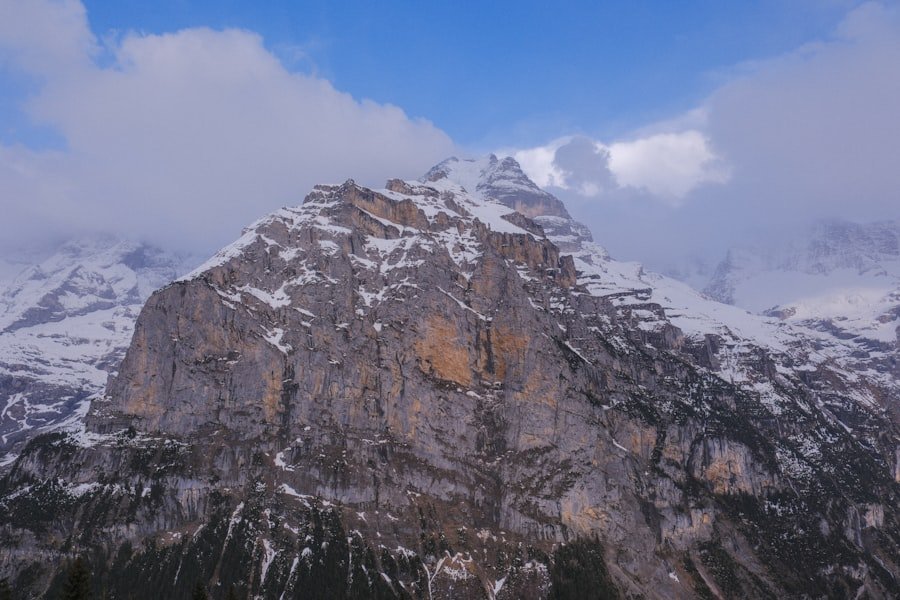
While there are no accommodations directly on Jungfraujoch due to its high-altitude location, several charming towns nearby offer excellent lodging options.
Staying in Interlaken allows easy access to transportation links leading to Jungfraujoch while providing opportunities for exploring local attractions.
Another option is Lauterbrunnen, known for its stunning valley filled with waterfalls and picturesque scenery. This quaint village offers several guesthouses and hotels that provide a cozy atmosphere after a day of adventure in the mountains. For those seeking a more remote experience, Grindelwald offers breathtaking views of the Eiger mountain and has numerous chalets and hotels that cater to visitors looking for tranquility amidst nature.
Products Worth Considering

MADE FOR MILES: Our team of experts builds luggage to last, putting every design through hundreds of hours of rigorous testing. Lightweight 100% polycarbonate hard shell. Measures 15.4"L x 9.6"W x 22.7"H; interior 20.9" x 15" x 7.9"

LIGHTWEIGHT: A half pound lighter than Maxlite 4, this spinner meets most international carry-on size limits. Case Dimensions: 21" x 14" x 9" | Overall Dimensions (includes wheels and handles): 23 x 14.5" x 9" | Weight: 5.4 lbs | Volume: 46 L.

PRECISIONGLIDE MOBILITY SYSTEM: Eight ultra-durable 360° MagnaTrac spinner wheels and a patented PowerScope aluminum handle minimize wobble for effortless control. Handle adjusts to 36", 38", 40", and 42.5" with an ergonomic Contour Grip.
Dining Options at Jungfraujoch
Dining at Jungfraujoch presents a unique opportunity to enjoy meals surrounded by breathtaking alpine scenery. The highest restaurant in Europe, the Aletsch Restaurant, offers a diverse menu featuring Swiss specialties such as fondue and raclette alongside international dishes. Guests can savor their meals while taking in panoramic views of the surrounding peaks through large windows.
For those looking for a quick bite or snack during their visit, there are several cafes located throughout the area. These establishments serve everything from hot beverages to pastries and sandwiches, allowing visitors to refuel before continuing their exploration. Dining at such high altitudes adds an extra layer of enjoyment as guests indulge in culinary delights while immersed in one of nature’s most stunning settings.
Safety Precautions for Visiting Jungfraujoch
Safety should always be a priority when visiting high-altitude destinations like Jungfraujoch. One crucial precaution is to be aware of weather conditions before embarking on any outdoor activities. Sudden changes in weather can occur rapidly in mountainous regions; therefore, checking forecasts and being prepared for rain or snow is essential.
Additionally, travelers should familiarize themselves with altitude sickness symptoms and take necessary precautions if they begin to feel unwell. It’s advisable to listen to one’s body and descend if symptoms become severe. For those engaging in activities such as glacier hiking or skiing, proper equipment and guidance from experienced professionals are vital for ensuring safety on challenging terrains.
In conclusion, Jungfraujoch stands as a testament to nature’s grandeur and offers an array of experiences that cater to all types of adventurers. From its breathtaking views and thrilling activities to its rich dining options and safety considerations, this alpine wonderland invites exploration and appreciation of its unique beauty year-round.
If you’re planning a trip to Jungfraujoch, known as the “Top of Europe,” you might also be interested in exploring the culinary delights of the region. While the breathtaking views and thrilling activities at Jungfraujoch are a must-see, don’t miss out on the unique flavors that Switzerland has to offer. For a taste of something different, consider trying your hand at making your own cheese, a staple in Swiss cuisine. Check out this delicious homemade cottage cheese recipe for a simple and healthy way to bring a bit of Swiss-inspired flavor to your kitchen.
FAQs
What is Jungfraujoch?
Jungfraujoch is a saddle in the Bernese Alps of Switzerland, connecting the two peaks Jungfrau and Mönch. It is often referred to as the “Top of Europe” and is a popular tourist destination.
How do I get to Jungfraujoch?
To reach Jungfraujoch, you can take a train from Interlaken to the Jungfraujoch railway station, which is the highest railway station in Europe. The journey involves a scenic train ride through the mountains and includes a stop at Kleine Scheidegg.
What are the attractions at Jungfraujoch?
At Jungfraujoch, visitors can enjoy panoramic views of the surrounding mountains, visit the Ice Palace, and explore the Sphinx Observatory. There are also restaurants, shops, and hiking trails in the area.
What is the weather like at Jungfraujoch?
The weather at Jungfraujoch can be unpredictable due to its high altitude. It is important to dress in layers and be prepared for cold temperatures, even in the summer months. It is also advisable to check the weather forecast before visiting.
Are there any hiking opportunities at Jungfraujoch?
Yes, there are several hiking trails around Jungfraujoch, offering stunning views of the Alps. It is important to be prepared for high altitude hiking and to check trail conditions before setting out.
Is there accommodation available at Jungfraujoch?
There is no accommodation at Jungfraujoch itself, but visitors can stay in nearby towns such as Interlaken, Grindelwald, or Lauterbrunnen and take a day trip to Jungfraujoch.