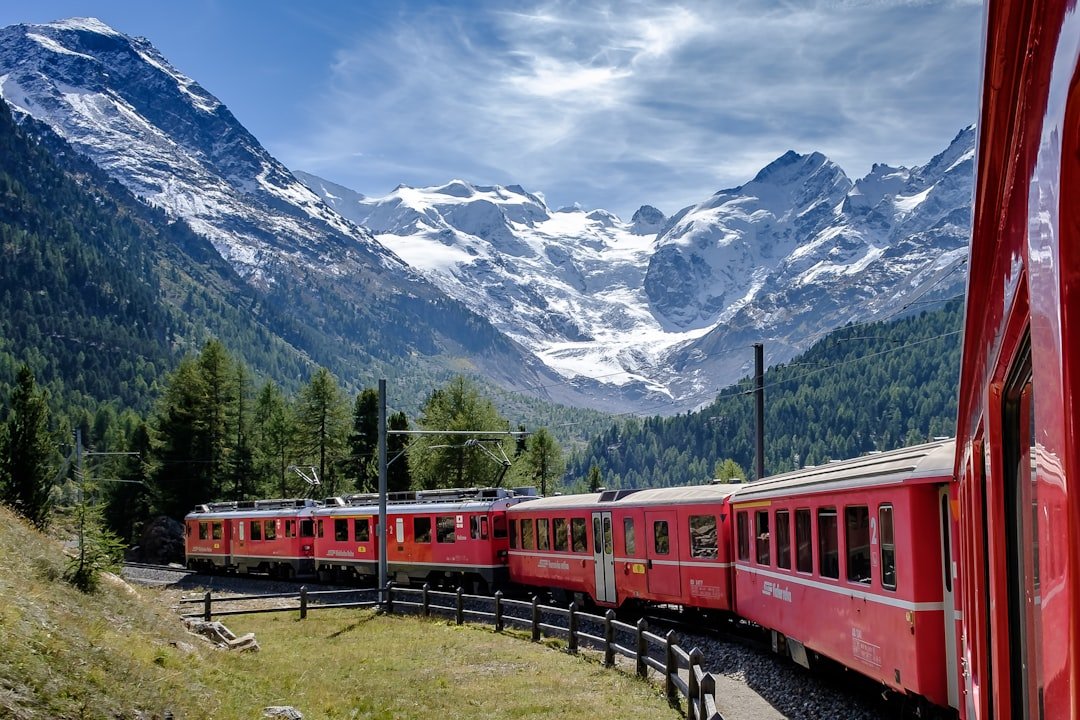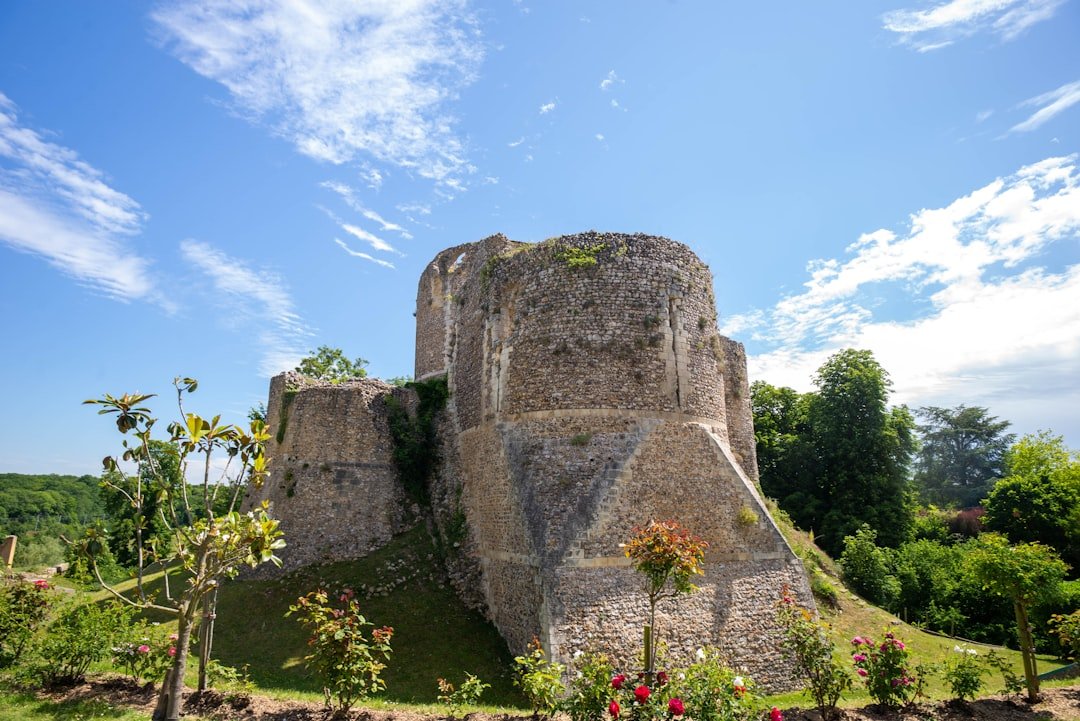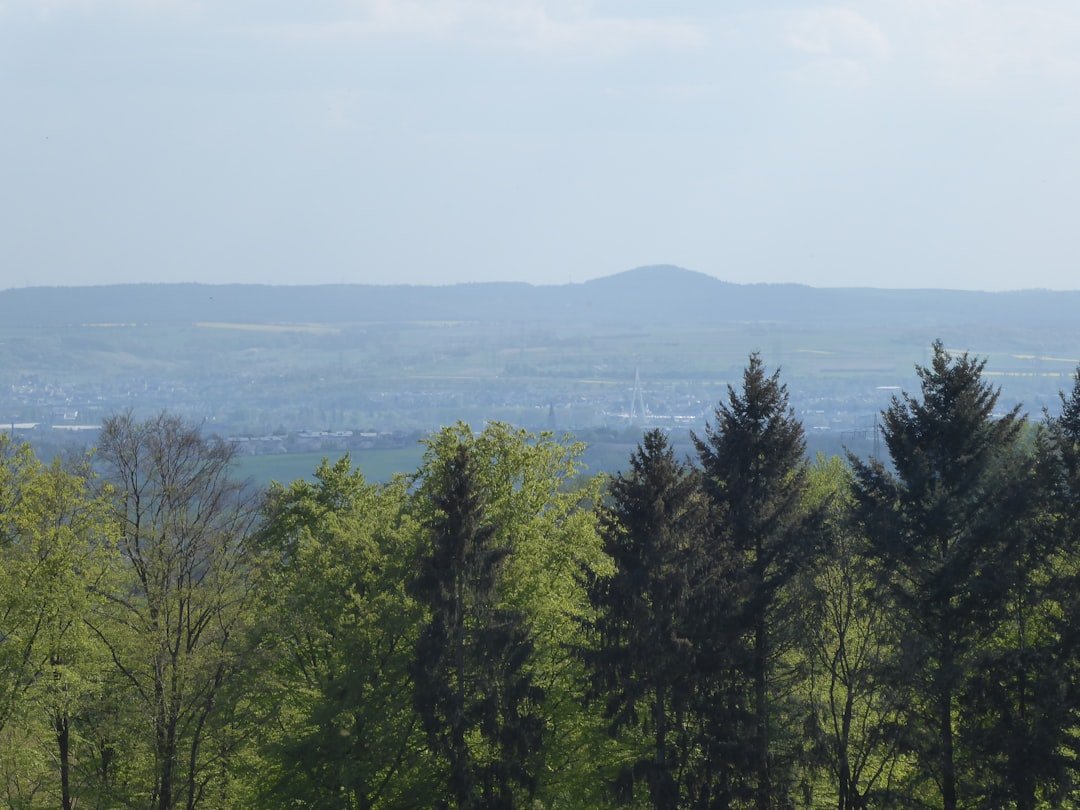
The Gornergrat viewpoint, perched at an elevation of 3,089 meters in the Swiss Alps, offers one of the most breathtaking panoramas in the world. This vantage point provides an unobstructed view of the iconic Matterhorn, along with a sweeping vista of the surrounding peaks and glaciers. The journey to Gornergrat is as captivating as the destination itself, typically accessed via the Gornergrat Railway, which winds its way through lush valleys and rugged terrain.
As the train ascends, passengers are treated to glimpses of the majestic landscape, setting the stage for the visual feast that awaits at the summit. At Gornergrat, photographers are greeted with a unique blend of natural beauty and dramatic geological formations. The viewpoint is not just a single spot; it encompasses a range of perspectives that can be explored.
From the rocky outcrops to the expansive glacier fields, each angle offers a different interpretation of the landscape. The interplay of light and shadow across the mountains creates a dynamic environment that changes throughout the day, making it a prime location for capturing stunning images. Understanding this multifaceted environment is crucial for photographers aiming to convey the grandeur of the Swiss Alps in their work.
Key Takeaways
- The Gornergrat viewpoint offers stunning panoramic views of the Matterhorn and surrounding peaks in the Swiss Alps.
- The best time to photograph the Matterhorn from Gornergrat is during sunrise or sunset for beautiful golden light and dramatic shadows.
- Natural light plays a crucial role in capturing the beauty of the Matterhorn, so it’s important to make the most of the soft, diffused light during the golden hours.
- When selecting camera equipment for photographing the Matterhorn, consider using a wide-angle lens to capture the expansive views and a sturdy tripod for stability.
- Composition and framing techniques such as leading lines, the rule of thirds, and foreground interest can help create visually compelling images of the Matterhorn from Gornergrat.
Choosing the Right Time to Photograph
Timing is a critical factor in landscape photography, especially at Gornergrat. The early morning hours often present the best opportunities for capturing the landscape in its most pristine form. As dawn breaks, the first rays of sunlight illuminate the peaks, casting a warm glow that enhances the textures and colors of the mountains.
This golden hour not only provides soft lighting but also tends to attract fewer tourists, allowing for a more serene shooting experience. Photographers can take advantage of this tranquility to compose their shots without distractions. Conversely, sunset can also be an exceptional time for photography at Gornergrat.
The dramatic shifts in color can create striking contrasts against the snow-capped peaks and deep blue skies. However, this time of day can attract larger crowds, so arriving early to secure a good spot is advisable.
Additionally, twilight offers unique opportunities for long-exposure shots, where the fading light can create ethereal effects on the landscape.
Making the Most of Natural Light
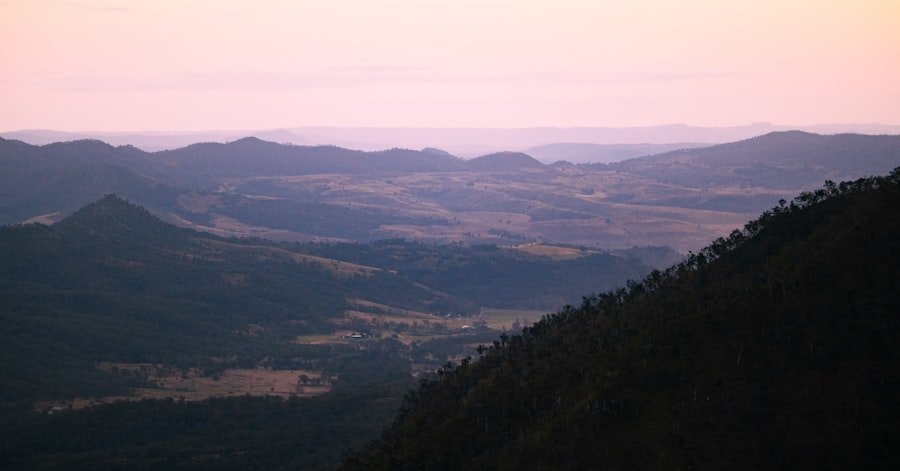
Natural light plays a pivotal role in landscape photography, and understanding how to harness it can significantly enhance your images. At Gornergrat, the quality of light changes rapidly throughout the day, influenced by weather conditions and time of year. During clear days, direct sunlight can create harsh shadows and overly bright highlights.
In such cases, utilizing diffused light during overcast conditions can yield softer images with more balanced exposure. The clouds act as a natural filter, softening the light and allowing for more detail to be captured in both highlights and shadows. Moreover, understanding how light interacts with different elements in your composition is essential.
For instance, when photographing glaciers or snowfields, backlighting can create a stunning effect where the ice appears to glow. This technique can add depth and dimension to your images, making them more visually compelling. Experimenting with various angles and perspectives as the light shifts throughout the day can lead to unexpected and captivating results.
Selecting the Best Camera Equipment
| Camera Equipment | Criteria | Rating |
|---|---|---|
| Camera Body | Resolution | 24 MP |
| Lens | Aperture | f/2.8 |
| Memory Card | Capacity | 64 GB |
| Tripod | Material | Aluminum |
Choosing the right camera equipment is fundamental for capturing high-quality images at Gornergrat. A DSLR or mirrorless camera with manual settings is ideal for landscape photography, as it allows for greater control over exposure, aperture, and shutter speed. A wide-angle lens is particularly beneficial for capturing expansive vistas; lenses in the range of 16mm to 24mm are often favored for their ability to encompass vast landscapes while maintaining sharpness across the frame.
In addition to camera bodies and lenses, tripods are indispensable for landscape photography, especially in low-light conditions or when using long exposures. A sturdy tripod stabilizes your camera and allows for precise framing without introducing motion blur. Filters also play a significant role in enhancing images; polarizing filters can reduce glare from water or wet surfaces while enhancing colors and contrast in the sky.
Neutral density filters are useful for long-exposure photography, enabling you to capture smooth water effects or soft clouds even in bright conditions.
Composition and Framing Techniques
Effective composition is key to creating impactful landscape photographs at Gornergrat. One widely used technique is the rule of thirds, which involves dividing your frame into nine equal parts using two horizontal and two vertical lines. Placing key elements along these lines or at their intersections can create a more balanced and engaging image.
For instance, positioning the Matterhorn off-center while allowing leading lines from foreground elements to guide the viewer’s eye toward it can create a sense of depth and perspective. Another important aspect of composition is foreground interest. Including elements such as rocks, flowers, or other natural features in the foreground can add layers to your image and draw viewers into the scene.
This technique helps establish a sense of scale and context within your photographs. Additionally, experimenting with different angles—such as shooting from a low perspective or incorporating reflections from nearby lakes—can yield unique compositions that stand out from typical landscape shots.
Using Filters to Enhance the View
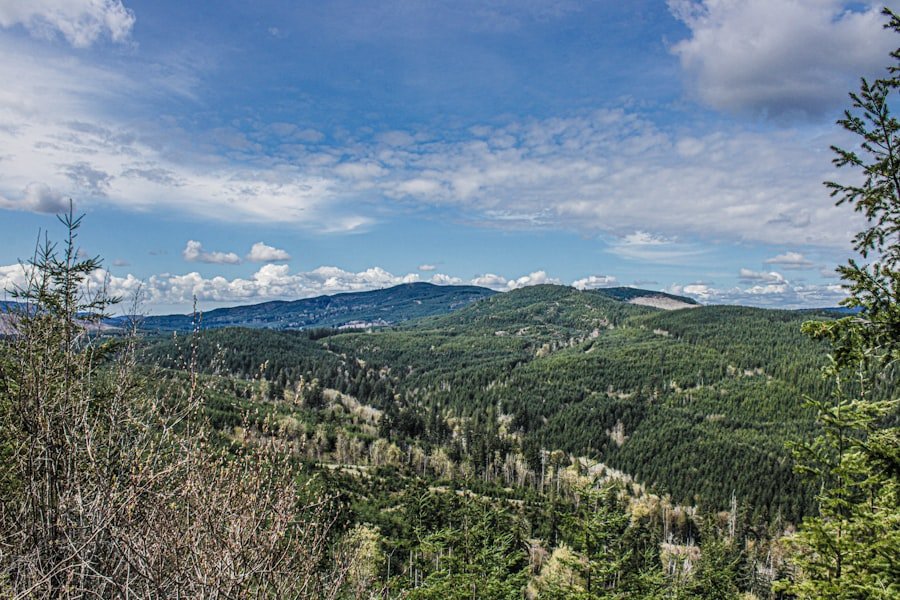
Filters are powerful tools that can significantly enhance landscape photography at Gornergrat. A polarizing filter is particularly useful in mountainous environments where reflections from water bodies or wet surfaces can detract from an image’s clarity. By reducing glare and increasing color saturation, polarizing filters help bring out the rich blues of the sky and greens of vegetation, resulting in more vibrant photographs.
Neutral density (ND) filters are another valuable addition to a photographer’s toolkit. These filters reduce the amount of light entering the lens without affecting color balance, allowing for longer exposure times even in bright conditions. This capability is especially beneficial when capturing flowing water or moving clouds, as it creates a smooth, ethereal effect that adds drama to landscape images.
By incorporating these filters into your photography workflow at Gornergrat, you can elevate your images beyond standard snapshots.
Capturing the Changing Seasons
The Gornergrat viewpoint offers a unique opportunity to capture the changing seasons throughout the year. Each season brings its own distinct character to the landscape, providing photographers with diverse subjects and moods to explore. In spring, for instance, wildflowers begin to bloom against a backdrop of melting snow, creating vibrant contrasts that are perfect for macro photography or wide-angle shots that capture both flora and mountains.
Summer transforms Gornergrat into a lush paradise where green valleys contrast sharply with rocky peaks. The clear skies during this season often provide excellent visibility for long-distance shots of surrounding mountains. Autumn introduces a palette of warm colors as foliage changes; capturing these hues against snow-dusted peaks can result in striking images that evoke a sense of transition and beauty.
Winter brings its own magic with heavy snowfall blanketing the landscape; capturing scenes of untouched snow against rugged mountain terrain can create serene and tranquil photographs.
Post-Processing Tips for Stunning Results
Post-processing is an essential step in refining landscape photographs taken at Gornergrat. Software like Adobe Lightroom or Photoshop allows photographers to enhance their images while maintaining their natural beauty. One common technique is adjusting exposure levels; fine-tuning highlights and shadows can help recover details lost in bright or dark areas of an image.
Additionally, adjusting contrast can add depth and dimension to your photographs, making them more visually striking. Color correction is another vital aspect of post-processing that can dramatically alter an image’s mood. Utilizing tools like HSL (Hue, Saturation, Luminance) sliders allows photographers to selectively enhance specific colors without affecting others.
For instance, boosting blues in a sky while keeping greens in check can create a more balanced composition that draws attention to key elements in your photograph. Finally, sharpening details and applying noise reduction techniques can ensure that your final images are crisp and professional-looking, ready for sharing or printing. By understanding these various aspects of photography at Gornergrat—from timing and lighting to equipment selection and post-processing—photographers can capture stunning images that reflect both their artistic vision and the breathtaking beauty of this iconic Swiss location.
If you’re planning a visit to the breathtaking Gornergrat viewpoint, renowned for its stunning panoramic views of the Swiss Alps, you’ll want to capture the beauty of the landscape with some expert photography tips. Consider using a wide-angle lens to encompass the vastness of the scenery and experiment with different times of the day to capture the changing light and shadows on the mountains. For more inspiration on capturing natural beauty, you might find it interesting to explore the delightful world of Asian melon, which offers its own unique visual appeal. Check out this related article for more insights: