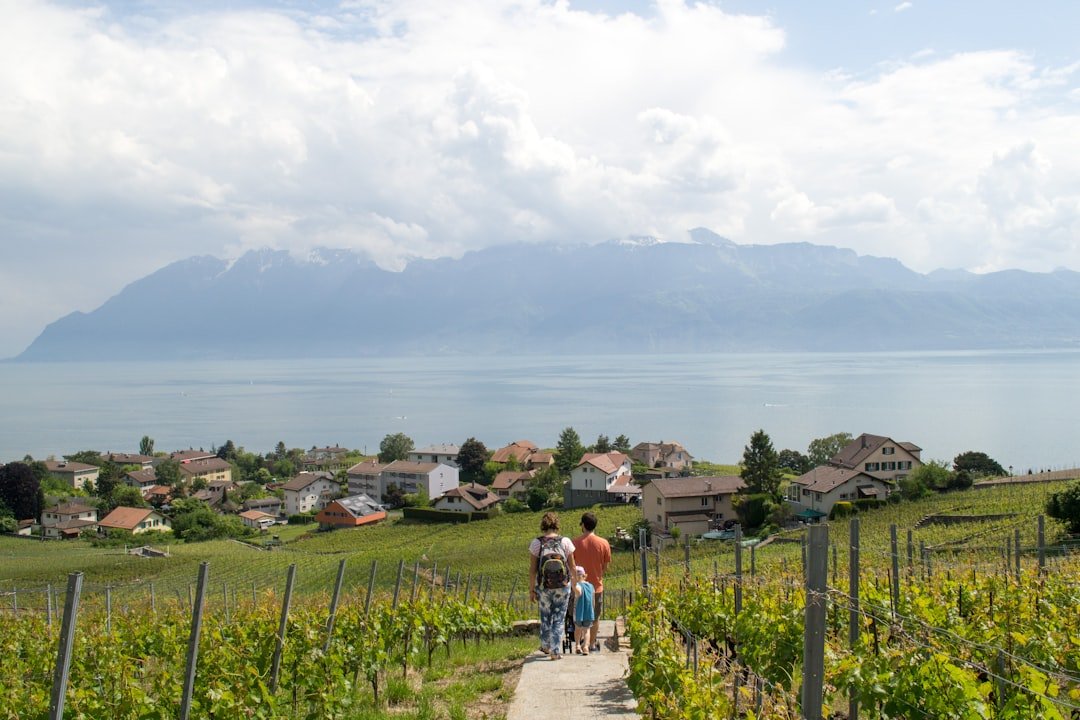
Lavaux is one of Switzerland’s most distinctive wine landscapes, with steep vineyard terraces rising above Lake Geneva between Lausanne and the eastern end of the Riviera. The landscape has been shaped by winegrowers for centuries and has been protected as a UNESCO World Heritage cultural landscape since 2007. You can explore it by train, boat, bicycle or on foot, with villages such as Lutry, Cully, Epesses, Rivaz, Saint-Saphorin and Chexbres providing convenient places to begin.
Quick Answer
Lavaux is best experienced by combining a vineyard walk with one or two villages and, if you wish, a pre-booked wine tasting. Allow at least half a day, or a full day for a relaxed visit. Trains are usually the easiest way to reach the vineyards, while seasonal Lake Geneva boats add a scenic alternative.
Key Takeaways
- Lavaux’s present vineyard terraces can be traced to the 11th century, when religious orders helped clear, cultivate and terrace the slopes.
- The UNESCO landscape extends for roughly 30 km, but individual walks range from short village-to-village routes to a roughly 32 km corridor between Lausanne-Ouchy and Chillon.
- Train travel is usually the simplest option because several vineyard villages have railway access and you do not need to return to a parked car.
- Spring and autumn are especially comfortable for walking, while summer brings long days but also stronger sun and more visitors.
- Wine-tasting schedules vary by producer, so booking ahead is much safer than assuming every cellar accepts walk-ins.
Why the Lavaux Terraces Are Special
Lavaux is not simply a collection of scenic vineyards. UNESCO recognizes it as a living cultural landscape shaped by a long relationship between people, winegrowing, villages, roads, stone walls and the steep shores of Lake Geneva. According to the UNESCO World Heritage Centre, there is evidence of vines in the area during Roman times, but the present vineyard terraces can be traced to the 11th century.
The medieval history is more accurately described as the work of religious institutions and local communities rather than a specific “Abbey of Saint Saphorin.” Lavaux Patrimoine mondial records that in 1079 the Bishop of Lausanne received lands that were subsequently cultivated by religious orders. This monastic presence contributed to clearing the slopes and developing the vineyard terraces.
Generations of growers continued adapting the land after the medieval period. Stone retaining walls supported the steep vineyard plots, created workable terraces and became one of the defining features of the landscape. Villages developed in compact clusters so that valuable vineyard land could remain in production.
Lavaux in numbers: Lavaux Patrimoine mondial says nearly 180 winegrowing families maintain more than 10,000 terraces and about 450 km of heritage walls across this living vineyard landscape.
The result is a place where agriculture, architecture and scenery remain closely connected. You are walking through an active winegrowing region rather than an outdoor museum, so staying on public routes and respecting working vineyard areas is important.
How to Get to Lavaux Terraces
Lavaux lies between Lausanne and the Montreux-Vevey side of Lake Geneva, and public transport is usually the most convenient way to visit. Using trains also makes point-to-point walks easier because you do not need to return to the same parking place.
By Train
Use the SBB journey planner to check current connections before you travel. Depending on your planned route, useful stations include Lutry, Cully, Rivaz, Saint-Saphorin, Vevey and Chexbres-Village.
Cully is a useful all-round base for restaurants, lake access and walks through Epesses and Rivaz. Saint-Saphorin is an attractive starting point if you want a historic village and a vineyard walk, while Chexbres sits higher above the lake and provides broad views over the terraces.
By Boat
Lake Geneva boats offer a completely different view of the vineyard slopes. Services are operated by CGN, with some routes calling at places such as Lausanne, Lutry, Cully, Rivaz, Vevey, Montreux and Chillon.
Note: Lake services change by season and date. Check the current CGN timetable before building an itinerary around a boat connection.
By Car
Driving gives you flexibility, but narrow roads, steep slopes and limited parking can make a car less convenient inside the vineyard villages. If you drive, consider parking once and completing part of your day by train or on foot rather than moving the car between every stop.
On Foot
The entire UNESCO landscape stretches for about 30 km. This should not be confused with a single compulsory hiking trail. Switzerland Tourism describes a roughly 32 km path between Lausanne-Ouchy and Chillon Castle, but most visitors choose a much shorter section.
For example, the signed Lutry to Saint-Saphorin vineyard route is about 11.1 km and takes roughly 3 hours 15 minutes before stops. A shorter Cully-Epesses-Rivaz outing is a more relaxed choice for travelers who also want time for lunch or wine tasting.
Pro Tip: Plan a one-way walk between railway stations. You can enjoy the vineyards without retracing your route and can shorten the day if the weather becomes too hot or tiring.
The Best Time to Visit Lavaux Terraces
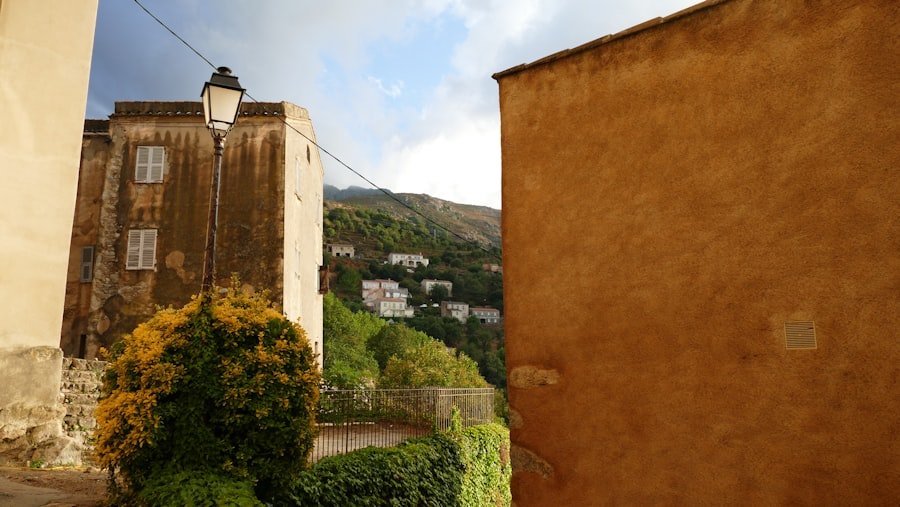
Lavaux changes noticeably with the seasons, and there is no single month that works for every traveler. Your ideal timing depends on whether you care most about comfortable hiking, green vines, harvest activity, photography or quieter villages.
Spring
April and May are appealing for walkers because temperatures are usually milder than in midsummer and the vineyards become greener as the growing season develops. Conditions can still change quickly, so carry a light rain layer and check the forecast before a long walk.
Summer
June through August gives you long daylight hours, active terraces and plenty of time for outdoor dining. The tradeoff is stronger sun, heat on exposed vineyard paths and more visitors during popular travel periods.
Warning: Much of Lavaux is exposed to direct sun and the routes repeatedly climb and descend. Carry water, use sun protection and avoid assuming that every village path is flat just because the route follows the lakeshore region.
Autumn
September and October are among the most atmospheric times to visit. Vineyard colors begin changing and grape-harvest activity may be visible. Exact harvest dates vary by year, grape variety and producer, so do not expect all vineyards to be harvesting on a particular weekend.
Wine and harvest events also vary from year to year. Instead of planning around a generic recurring “Fête des Vins,” check the current calendars from Lavaux Patrimoine mondial, local tourism offices and individual villages.
Winter
Winter is the quietest experience. The vines are dormant and some seasonal tourism businesses or activities may operate reduced schedules, but clear days can produce striking views of the lake and snow-covered Alps. Winter is better for a peaceful village visit than for travelers seeking a busy wine-tourism atmosphere.
Activities to Enjoy at Lavaux Terraces
| Activity | What to Expect |
|---|---|
| Hiking | Village-to-village routes with lake, vineyard and Alpine views, plus repeated climbs and descents. |
| Wine Tasting | Taste Chasselas and other regional wines while learning how the steep vineyard landscape affects production. |
| Cycling | Scenic riding on hilly roads through a working agricultural landscape. Expect gradients and local traffic. |
| Picnicking | A simple way to enjoy lake views, provided you use an appropriate public space and remove all rubbish. |
| Village Exploring | Historic lanes, churches, winegrowers’ houses, viewpoints and small restaurants in settlements such as Saint-Saphorin and Cully. |
Hiking Through the Vineyards
Walking is one of the best ways to understand Lavaux because you experience the height differences, stone walls and relationship between the villages and vineyards at human speed. Saint-Saphorin, Rivaz, Epesses, Cully and Lutry can be combined in different ways depending on how far you want to walk.
You do not need to tackle the whole region in one day. A short route between Cully, Epesses and Rivaz gives you substantial vineyard scenery while leaving time for food or a tasting. Stronger walkers can choose the longer Lutry-Saint-Saphorin route.
Wine Tasting
Wine tasting provides useful context for the landscape. Many establishments are small, family-run operations rather than large commercial tasting centers, so schedules can be limited.
Domaine Bovy in Chexbres is a verified local estate known for tastings with views across Lavaux. Another option is Lavaux Vinorama near Rivaz, which provides a broader introduction to wines from across the region.
Château de Chillon should be described more precisely than a conventional winery. The Chillon Castle Foundation manages its own vineyard near the castle, producing the Clos de Chillon Grand Cru. It can complement a Lavaux visit, especially if your itinerary continues toward Montreux and Chillon.
Note: You do not need to drink wine to enjoy Lavaux. The walks, historic villages, lake views, restaurants and boat journeys make the region worthwhile for non-drinkers and families as well.
Cycling
Cycling can cover more ground than walking, but the vineyard roads are not uniformly flat or traffic-free. Expect climbs, descents, bends and agricultural activity. Choose a route that matches your fitness and cycling experience, and give working vehicles plenty of space.
History, Churches and Villages
The Church of Saint-Saphorin and the surrounding historic village offer a particularly rewarding stop. Elsewhere, compact wine villages show how settlement patterns developed around the need to preserve productive vineyard land.
Rather than rushing through as many villages as possible, choose two or three and spend time walking their smaller streets, looking at the stonework and observing how the terraces connect with houses, cellars and roads.
How Much Time Do You Need in Lavaux?
Two to Four Hours
A half-day is enough for one village, a short vineyard walk and a viewpoint. Cully to Rivaz, or a visit centered on Saint-Saphorin, works well when Lavaux is part of a larger Lausanne, Vevey or Montreux itinerary.
One Full Day
A full day is the best choice for most first-time visitors. It gives you time for a moderate walk, lunch, a village or two and a tasting without turning the visit into a race.
One Night or More
Stay overnight if you want sunset and early-morning views, a long hike, a relaxed dinner or several wine experiences. Staying locally also reduces the temptation to combine wine tasting with driving.
A Simple One-Day Lavaux Itinerary
- Morning: Take the train to Saint-Saphorin or Rivaz and spend time exploring the village before the busiest part of the day.
- Late morning: Walk through the vineyards toward Rivaz, Epesses or Cully, choosing the distance according to the weather and your fitness.
- Lunch: Eat in Cully, Chexbres, Saint-Saphorin or another vineyard village rather than trying to rush back to a major city.
- Afternoon: Visit a pre-booked wine producer or a wine-discovery venue. Non-drinkers can extend the walk or explore another village.
- Late afternoon: Return by train, or use a boat if a suitable seasonal CGN connection operates on your date.
This itinerary is deliberately flexible. Lavaux rewards slower travel, and weather, winery schedules and boat timetables can all change the best order for your day.
Where to Stay and Eat in Lavaux Terraces
Your best base depends on whether you prioritize vineyards, nightlife, transport connections or lakefront hotels.
Where to Stay
- Cully or the vineyard villages: Best for an immersive atmosphere and easy access to vineyard walks.
- Chexbres: A useful elevated base for vineyard views and local wine experiences.
- Vevey: Strong transport connections, a broader hotel selection and easy access to western and eastern Lavaux.
- Lausanne: Best if Lavaux is one part of a larger city trip and you want extensive transport and dining choices.
- Montreux: Convenient if you want to combine Lavaux with Chillon Castle and the eastern Lake Geneva Riviera.
For an upscale lakefront stay, Hôtel des Trois Couronnes in Vevey remains a prominent option. Its current dining venues include Le 3C and Manabu.
Travelers looking to stay directly above the vineyards can also consider Baron Tavernier, whose Le Deck restaurant and terrace overlook Lavaux and Lake Geneva.
Where to Eat
Lavaux has everything from refined destination restaurants to village cafés. Reservations are sensible for popular terraces and weekend meals, especially in warmer months.
Le Deck belongs to Baron Tavernier, not Hôtel des Trois Couronnes. For a more casual Chexbres option, Café de la Poste is one of the restaurants currently listed by the municipality. Around Cully and Saint-Saphorin, you can also find traditional restaurants and wine-focused establishments that make it easy to combine lunch with a vineyard walk.
Look for regional dishes such as lake fish, cheese dishes and seasonal Vaud specialties. Chasselas is a natural local wine pairing, but menus and wine lists vary considerably from one establishment to another.
The Wines of Lavaux Terraces
Chasselas is the signature grape of Lavaux and an essential part of the region’s wine identity. Wines made from Chasselas are generally dry and relatively delicate, but their exact character changes with vineyard site, producer and winemaking style.
Lavaux also produces red and specialty wines. Pinot Noir and Gamay are among the varieties found in the region, alongside other grapes used either alone or in blends.
One of the most interesting parts of tasting in Lavaux is comparing wines from different villages and vineyard sites. Names such as Dézaley, Epesses and Saint-Saphorin appear frequently, and producers often emphasize the connection between each wine and its specific slope or soil.
Instead of planning around an assumed annual “Fête des Vins,” check the current Lavaux Patrimoine mondial and regional tourism calendars. Wine walks, harvest activities, village festivals and special tastings vary by season and year.
Tips for Exploring Lavaux Terraces
Comfortable footwear is one of the most important things you can bring. Vineyard paths can be steep, paved, gravelly or uneven, and routes frequently change elevation even when the distance looks short on a map.
Carry water and sun protection, particularly from late spring through early autumn. Shade can be limited on exposed slopes, and reflected light from the lake can make sunny days feel intense.
Pro Tip: Check winery opening hours before choosing your walking route. Many producers are small working businesses, and a tasting that requires a reservation can determine which village makes the most practical starting or finishing point.
Talking with winegrowers and other local residents can add context that a map cannot provide. Lavaux remains a working cultural landscape, and local knowledge can help you understand how the terraces, walls, villages and wine production fit together.
Families and Visitors With Limited Mobility
Families can enjoy Lavaux without completing a long hike. Choose one or two villages, use trains between stops and add a short walk or lake journey.
Visitors with limited mobility should plan more carefully. Many historic lanes and vineyard paths include slopes, steps or uneven surfaces. A transport-based itinerary using lakefront towns, railway stations and selected viewpoints can be more practical than committing to a long vineyard trail.
Sustainable Practices in Lavaux Terraces
The strongest verified sustainability story in Lavaux is the long-term preservation of a living agricultural and cultural landscape. UNESCO notes that the property is protected through management strategies covering subjects such as land use, tourism, culture, research and the local economy.
Individual winegrowers use different cultivation methods, so it would be inaccurate to assume that every vineyard is organic or that agroforestry or permaculture is standard throughout the region. If a particular certification or farming method matters to you, verify it directly with the producer.
Visitors can still make a meaningful contribution to responsible tourism:
- Use trains, buses, boats or walking where practical instead of driving between every village.
- Stay on public paths and avoid entering vineyard rows unless a producer or guide invites you.
- Do not pick grapes, move equipment or climb on vineyard walls.
- Take all rubbish with you and use designated picnic areas where available.
- Support local winegrowers, restaurants and accommodation providers.
- Keep noise low around homes and working agricultural properties.
These simple choices help protect both the landscape visitors come to see and the communities that continue maintaining it.
If you want a simple picnic-friendly food idea before your trip, the site’s homemade cottage cheese recipe can be prepared ahead. It is not a traditional Lavaux specialty, however, so for a more locally rooted picnic consider bread, regional cheese, fruit and other products purchased in the area.
Frequently Asked Questions
What are the Lavaux terraces?
Lavaux is a historic terraced vineyard landscape on the northern shore of Lake Geneva in the canton of Vaud. The living cultural landscape was added to the UNESCO World Heritage List in 2007 and reflects centuries of winegrowing, stone-wall construction and village development.
How do I get to the Lavaux terraces?
Train is usually the easiest option. Depending on your route, you can use stations such as Lutry, Cully, Rivaz, Saint-Saphorin, Vevey or Chexbres-Village. Seasonal CGN boats can also provide access to several Lake Geneva stops.
What activities can I do in Lavaux?
Popular activities include vineyard walking, wine tasting, cycling, photography, village exploring, dining and seasonal boat trips on Lake Geneva. You can enjoy the region even if you do not drink wine.
When is the best time to visit Lavaux?
Spring and autumn offer an appealing balance for walking, while summer provides long days and active outdoor dining but can be hotter and busier. Autumn adds changing vineyard colors and possible harvest activity. Winter is quieter and better suited to relaxed village visits.
How long do I need in Lavaux?
Allow at least two to four hours for one village and a short walk. A full day is better if you want to combine hiking, lunch and a wine tasting. Staying overnight is worthwhile for a slower visit or a longer hike.
Do I need to reserve Lavaux wine tastings?
Booking ahead is recommended. Many Lavaux estates are small working wineries with limited tasting hours, and some experiences operate only by reservation. Check directly with the producer before planning your route around a tasting.
Is Lavaux suitable for families and non-drinkers?
Yes. The vineyard views, historic villages, walks, restaurants, photography and boat journeys can all be enjoyed without wine tasting. Families may prefer shorter walks combined with trains rather than committing to a long vineyard hike.
Are there accommodations and dining options in Lavaux?
Yes. You can stay in vineyard villages such as Cully or Chexbres or use larger nearby bases such as Vevey, Lausanne and Montreux. Dining ranges from village cafés and traditional Vaud restaurants to upscale lake-view establishments.
What is a good Lavaux walk for a first visit?
A shorter walk around Cully, Epesses and Rivaz is a practical introduction because it combines vineyard scenery with railway access and leaves time for lunch or a tasting. Stronger walkers can consider the longer 11.1 km route between Lutry and Saint-Saphorin.
Sources
- UNESCO World Heritage Centre: Lavaux, Vineyard Terraces — UNESCO status, landscape extent, medieval origins and heritage management.
- Lavaux Patrimoine mondial — local history, vineyard heritage, terraces, walls, winegrowing families and current visitor information.
- Switzerland Tourism: Lavaux Vineyard Terraces — walking corridor and general destination information.
- Montreux Riviera: Lutry to Saint-Saphorin — verified vineyard hiking distance and duration.
- Swiss Federal Railways (SBB) — current railway timetables and journey planning.
- CGN Lake Geneva — current boat schedules and seasonal Lake Geneva services.