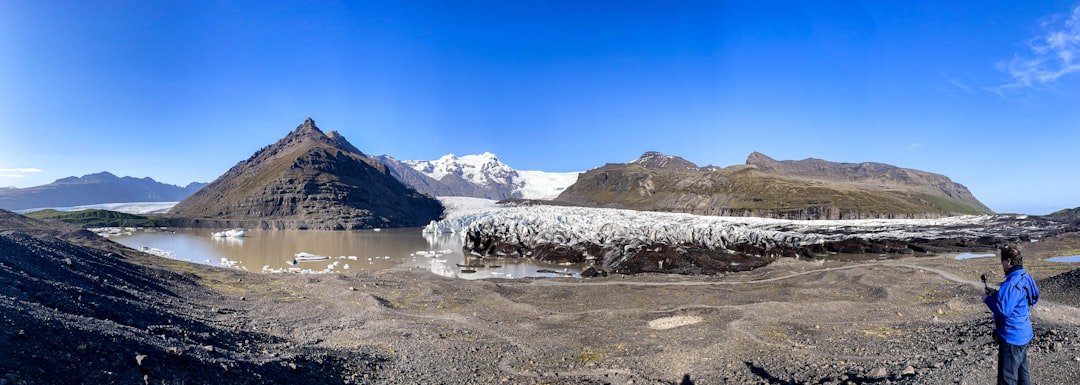
The Great Aletsch Glacier is the largest glacier in the Alps and one of Switzerland’s most remarkable alpine landscapes. It lies in the canton of Valais and forms a major part of the Swiss Alps Jungfrau-Aletsch UNESCO World Heritage Site. The glacier is now about 20 kilometers (12.4 miles) long, and its changing size makes the region both a spectacular place to visit and an important landscape for understanding glacier retreat and climate change.
Quick Answer
Visit the Great Aletsch Glacier from the Aletsch Arena in Valais via Riederalp, Bettmeralp, or Fiescheralp. For easy glacier views, use the mountain lifts toward Moosfluh or Bettmerhorn. Eggishorn access can be affected by ongoing construction. Stay on marked trails, and enter the glacier itself only with a qualified guide.
Key Takeaways
- The Great Aletsch Glacier is about 20 km long and is the largest glacier in the Alps.
- Riederalp, Bettmeralp, and Fiescheralp are the main car-free bases for reaching viewpoints and hiking routes.
- Moosfluh, Hohfluh, Bettmerhorn, and Eggishorn are established glacier viewpoints, although lift access can change with weather, maintenance, and construction.
- Ordinary hiking is done on marked trails around the glacier. Going onto the ice itself requires a guided glacier tour.
- June through October is the main period for hiking and guided glacier tours, while winter brings skiing, winter walking, and snowshoeing in the wider Aletsch Arena.
At a Glance
| Time Required | Official hikes in this guide take about 2.5–5.5 hours; a typical one-day guided glacier tour takes about 6 hours. |
| Difficulty | Easy viewpoint visits to difficult mountain hikes; glacier travel requires a guide. |
| Tools Needed | Good hiking footwear, weatherproof layers, sun protection, water, food, and a current trail map. Technical glacier equipment is arranged according to the guided tour. |
| Cost | Cable-car and tour prices vary. As of August 2026, official one-day glacier-tour examples start at about CHF 90–99 per person. Check current glacier-tour prices before booking. |
How to Get to Aletsch Glacier
You do not drive directly to the glacier. Instead, most visitors travel into the Rhône Valley by train or car and then use cable cars to reach the car-free Aletsch Arena plateau. The official Aletsch Arena travel guide lists three especially useful approaches.
- Fiesch to Fiescheralp: The gondola leaves beside the public-transport hub in Fiesch and reaches Fiescheralp in about 10 minutes. Fiescheralp is a useful starting point for hiking and guided glacier tours. Normally, a second mountain lift continues toward Eggishorn, but construction can affect that connection.
- Bettmeralp valley station to Bettmeralp: The large cable car takes about seven minutes to reach car-free Bettmeralp. From the village, another lift leads toward Bettmerhorn and one of the area’s easiest major glacier viewpoints.
- Mörel to Riederalp: Cable cars connect Mörel with car-free Riederalp. From Riederalp, visitors can continue toward Moosfluh, Hohfluh, Aletsch Forest, and several panoramic walking routes.
The journey is part of the experience: the mountain lifts rise from the Rhône Valley to a car-free plateau where glacier viewpoints, hiking trails, and alpine villages are connected largely by lifts and footpaths.
Current access note: The Eggishorn facilities are being rebuilt between 2026 and 2028. Access arrangements can therefore change during the construction period. Check the live Aletsch Arena status report on the day of your visit rather than assuming the Fiescheralp–Eggishorn lift is operating normally.
Best Time to Visit Aletsch Glacier
For hiking and guided glacier experiences, the most useful season is generally June through October, depending on snow, weather, and trail conditions. Official guided glacier tours are offered during this period, and the main summer mountain lifts normally operate across much of the same season.
July and August usually provide the broadest range of open mountain services, but they are also popular months. June can still bring lingering snow on high trails, while September and early October can offer cooler hiking conditions and clearer autumn days. Mountain weather can change quickly at any point in the season.
Winter is a different experience. The wider Aletsch Arena becomes a ski and winter-walking destination, with groomed pistes, winter paths, and snowshoe opportunities. Do not assume that summer hiking routes remain usable simply because the region is open for winter sports.
Pro Tip: Check the official lift and trail status on the morning of your trip. A route that is normally open in summer can close temporarily because of snow, thunderstorms, maintenance, rockfall, or construction.
Things to Do at Aletsch Glacier
See the Glacier From an Official Viewpoint
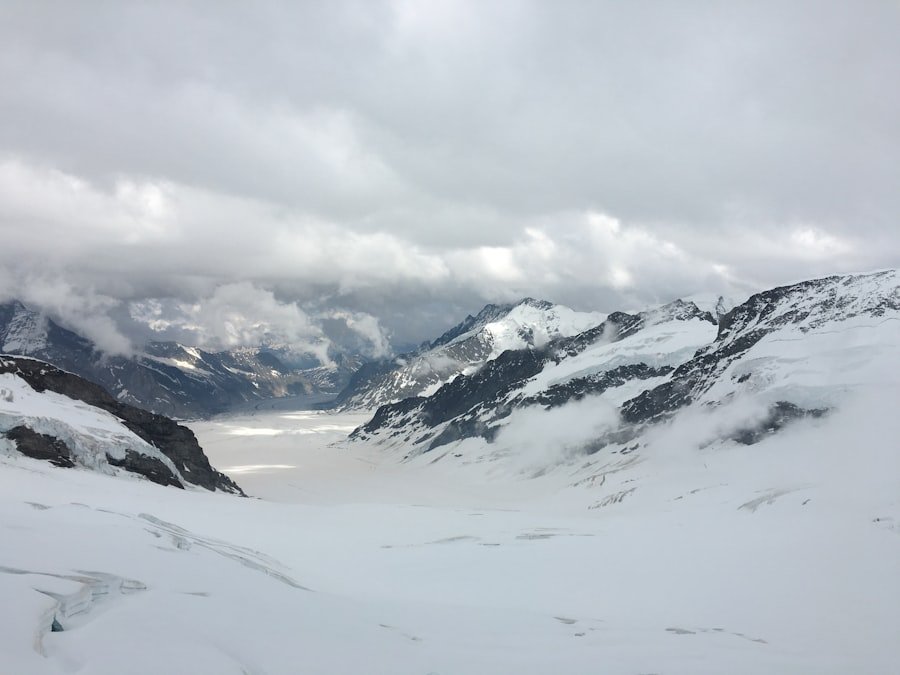
The Aletsch Arena highlights four main glacier viewpoints: Hohfluh, Moosfluh, Bettmerhorn, and Eggishorn. Each looks across the ice from a different angle.
Eggishorn is the highest of the four and, when access is available, gives a broad view along the glacier toward Konkordiaplatz and the high Bernese Alps. Bettmerhorn sits lower but is especially useful for visitors who want a major glacier view without committing to a long mountain hike. The official destination describes the Bettmerhorn viewpoint as barrier-free and about 200 metres from the mountain station.
Hike Above the Glacier
Aletsch Arena has hundreds of kilometers of prepared hiking and walking routes. Some follow relatively gentle plateau terrain, while others cross steep, rocky alpine ground. Choose a route according to the official difficulty rating rather than distance alone.
The best glacier hikes keep you on marked mountain paths while giving repeated views of the ice, moraines, Märjelensee, and the surrounding four-thousand-metre peaks. The route table below replaces the unverifiable trail names in the original article with real Aletsch Arena hikes.
Join a Guided Glacier Tour
If you want to step onto the ice itself, book an official guided glacier experience. The Aletsch Arena glacier-tour program offers one- and two-day options from locations including Riederalp and Fiescheralp. A typical one-day outing takes about six hours in total, with approximately two hours spent on the glacier.
Guides manage route choice, weather decisions, roping, and technical equipment such as crampons when required. A guided trip also gives visitors a safer way to see crevasses, melt features, moraines, and other glacier formations at close range.
Enjoy the Wider Aletsch Arena
The glacier is the centerpiece, but the surrounding region also offers Aletsch Forest, mountain lakes, cable-car viewpoints, wildlife watching, winter sports, and walks between the car-free villages. This makes it possible to enjoy the landscape even if you do not want a demanding hike or a glacier trek.
Guided Tours and Hiking Trails
Trail conditions vary, so always check the current status before leaving. The following are verified Aletsch Arena routes with official distance and duration figures.
| Official Route | Difficulty | Distance | Duration |
|---|---|---|---|
| Fiescheralp to Riederalp via Herrenweg and Aletschpromenade | Easy | 7.91 km / 4.9 mi | 2 hr 30 min |
| Moosfluh to Riederfurka Ridge Trail | Medium | 6.72 km / 4.2 mi | 2 hr 40 min |
| Bettmerhorn via Märjelensee to Bettmeralp | Difficult | 14.58 km / 9.1 mi | 5 hr 30 min |
The easy Fiescheralp–Riederalp route is useful for visitors who want a long panoramic walk without major climbing. The Moosfluh–Riederfurka route adds a ridge experience and interpretation of the UNESCO landscape. The Bettmerhorn–Märjelensee route is a much more demanding outing with rocky terrain, significant descent, and prolonged exposure to mountain weather.
Warning: A marked hiking trail near the glacier is not the same as a safe route onto the glacier. Crevasses may be hidden, ice can be unstable, and conditions change constantly. Official Aletsch Arena guidance states that visitors may go onto the Great Aletsch Glacier only as part of a guided tour.
Wildlife and Nature at Aletsch Glacier
The glacier sits within a protected high-alpine landscape that includes moraines, rocky slopes, alpine meadows, and the distinctive Aletsch Forest. UNESCO highlights the region not only for its glacial geology but also for the way vegetation colonizes land exposed as glaciers retreat.
The Aletsch Forest contains Swiss stone pine, spruce, and larch, with some stone pines reaching exceptional ages. The forest and surrounding slopes provide habitat for wildlife including chamois, red deer, nutcrackers, and birds of prey such as golden eagles.
Wildlife sightings are never guaranteed. Early morning and quieter trails may improve your chances, but keep a respectful distance, avoid feeding animals, and remain on designated routes in protected areas.
The Great Aletsch Glacier is now about 20 kilometers long. Its retreat has exposed new ground where scientists can observe continuing changes in alpine landscapes and plant succession.
Safety Tips for Visiting Aletsch Glacier
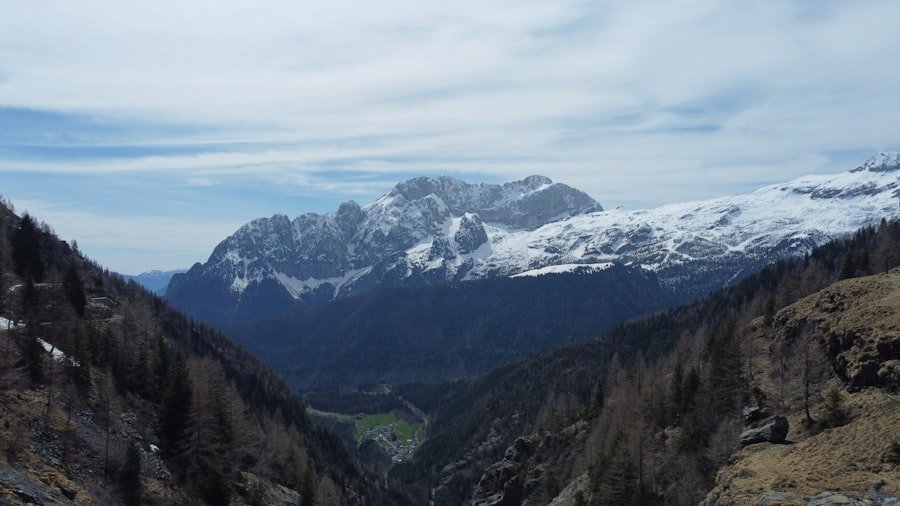
The easiest viewpoint visits are accessible to many travelers, but the environment is still high alpine. Conditions can change faster than they do in the valley, and more difficult hiking routes require appropriate fitness and footwear.
- Stay on marked trails. Follow local signs and current closures rather than shortcuts or old GPS tracks.
- Do not enter the glacier independently. Book a qualified local guide for any trip onto the ice.
- Check weather and lift status. Thunderstorms, snowfall, strong wind, maintenance, or construction can change the day’s plan.
- Wear sturdy footwear. Mountain paths can include loose rock, steep sections, wet surfaces, and stone steps.
- Carry layers. A warm layer and waterproof outer layer are sensible even when the valley is hot.
- Protect yourself from the sun. Bring sunscreen, sunglasses, a hat, and enough water. UV exposure is stronger at altitude and reflected light can be intense near snow and ice.
- Allow extra time. Do not plan a difficult hike around the final cable-car departure with no margin for delays.
- Know your limits. Turn around if weather, fatigue, altitude, or trail conditions become uncomfortable.
Pro Tip: Download or carry the official route map before leaving the village. Mobile reception and battery life should never be your only navigation plan in mountain terrain.
Nearby Accommodations and Dining Options
Your best base depends on how you want to spend the day. Fiesch is practical for travelers who prefer a valley location with rail access and a direct gondola to Fiescheralp. Bettmeralp works well for Bettmerhorn, nearby walks, and a car-free mountain-village stay. Riederalp is convenient for Aletsch Forest, Riederfurka, Moosfluh, and western viewpoints. Fiescheralp places you high on the mountain near hiking and glacier-tour starting points.
The official Aletsch Arena accommodation directory includes hotels, holiday apartments, guesthouses, group lodging, and other options across the region.
Dining ranges from village restaurants to mountain huts and panorama restaurants. Opening days can vary outside peak periods, so check individual restaurants before planning a hike around a particular lunch stop. Traditional Swiss dishes such as raclette and fondue are widely associated with Valais, but menus differ by establishment and season.
If you also enjoy general food reading alongside travel content, the site has a separate guide to Asian melon varieties. It is not specific to Aletsch Glacier or local Valais cuisine, so consider it optional culinary reading rather than a local dining recommendation.
Sustainable Tourism at Aletsch Glacier
Climate change is visible in the retreating glacier, so low-impact travel is especially relevant here. UNESCO identifies climate change and tourism management as important issues for the World Heritage property.
The Aletsch Arena has several practical features that make car-light travel possible. Riederalp, Bettmeralp, and Fiescheralp are car-free mountain villages, rail connections serve the valley, and cable cars link the stations with the plateau. The destination also states that its cable cars and lifts operate using renewable energy. More details are available through its sustainability program.
Visitors can reduce their own impact by arriving by public transport when practical, following signed paths, carrying out waste, avoiding disturbance to wildlife, respecting protected areas, and following temporary trail closures. Staying on established routes also reduces erosion in fragile alpine vegetation.
Frequently Asked Questions
What is the Great Aletsch Glacier?
The Great Aletsch Glacier is the largest glacier in the Alps. It is about 20 kilometers long and lies in the Swiss canton of Valais within the Swiss Alps Jungfrau-Aletsch UNESCO World Heritage Site.
How do I get to Aletsch Glacier?
Most visitors travel by train or car to a valley station and then take a cable car to Riederalp, Bettmeralp, or Fiescheralp. From these car-free mountain villages, lifts and marked trails lead to glacier viewpoints and hiking routes.
What is the best time to visit Aletsch Glacier?
June through October is the main season for hiking and guided glacier tours, depending on snow and weather. Winter is better suited to skiing, winter walking, and snowshoeing in the wider Aletsch Arena.
Are guided tours available on the glacier?
Yes. Local mountain guides offer one- and two-day glacier tours. A typical one-day tour lasts about six hours in total, including roughly two hours on the ice.
Can I walk onto Aletsch Glacier without a guide?
No. Official Aletsch Arena guidance states that visitors may go onto the Great Aletsch Glacier only as part of a guided tour. Crevasses and changing ice conditions make independent glacier travel dangerous.
What should I wear when visiting Aletsch Glacier?
For hiking, wear supportive footwear and carry warm and waterproof layers, sunscreen, sunglasses, a hat, water, and food. Guided glacier tours may have additional equipment requirements provided by the operator.
Which viewpoint is best for Aletsch Glacier?
Eggishorn offers one of the broadest views when access is available, while Bettmerhorn is a convenient alternative with an impressive view of the glacier’s curve. Moosfluh and Hohfluh provide additional perspectives from the western side.
Can I see Aletsch Glacier without doing a long hike?
Yes. Mountain lifts provide access close to several viewpoints. Bettmerhorn is especially useful for visitors who want a major glacier view without completing a long alpine hike.
Is there accessible glacier viewing?
The official Aletsch Arena describes the Bettmerhorn viewpoint as barrier-free and located about 200 meters from the mountain station. Lift operation and local conditions should still be checked before travelling.
Sources
- UNESCO World Heritage Centre — Swiss Alps Jungfrau-Aletsch — UNESCO status, glacial landscape, biodiversity, and climate-change context.
- Aletsch Arena — Jungfrau-Aletsch UNESCO World Heritage Site — current glacier length and area.
- Aletsch Arena — Travel and Mobility — access through Riederalp, Bettmeralp, Fiescheralp, rail connections, and car-free villages.
- Aletsch Arena — Timetable and Operating Hours — lift routes, journey times, and seasonal operation.
- Aletsch Arena — Glacier Tours — guided glacier access, tour duration, season, and current booking information.
- Aletsch Arena — Aletsch Forest — protected forest, wildlife, vegetation, and nature information.