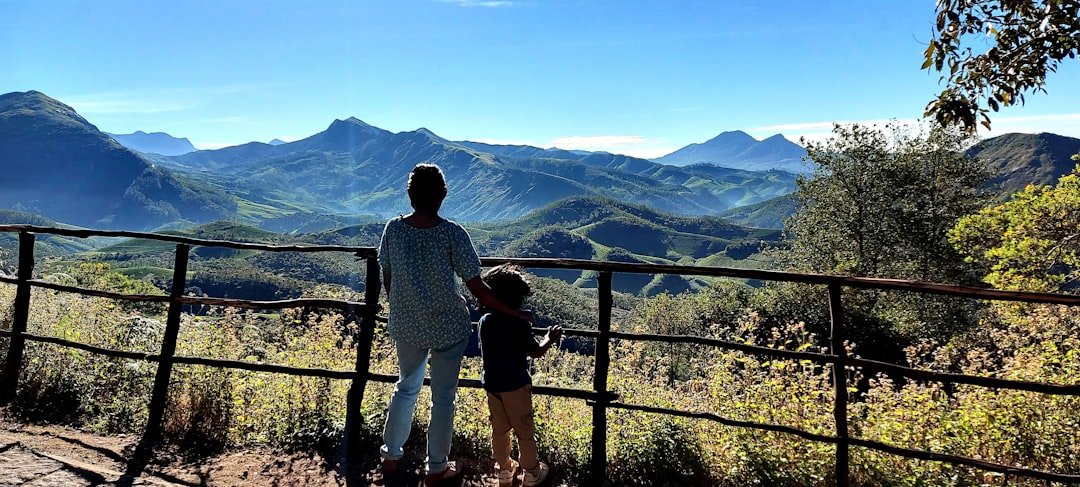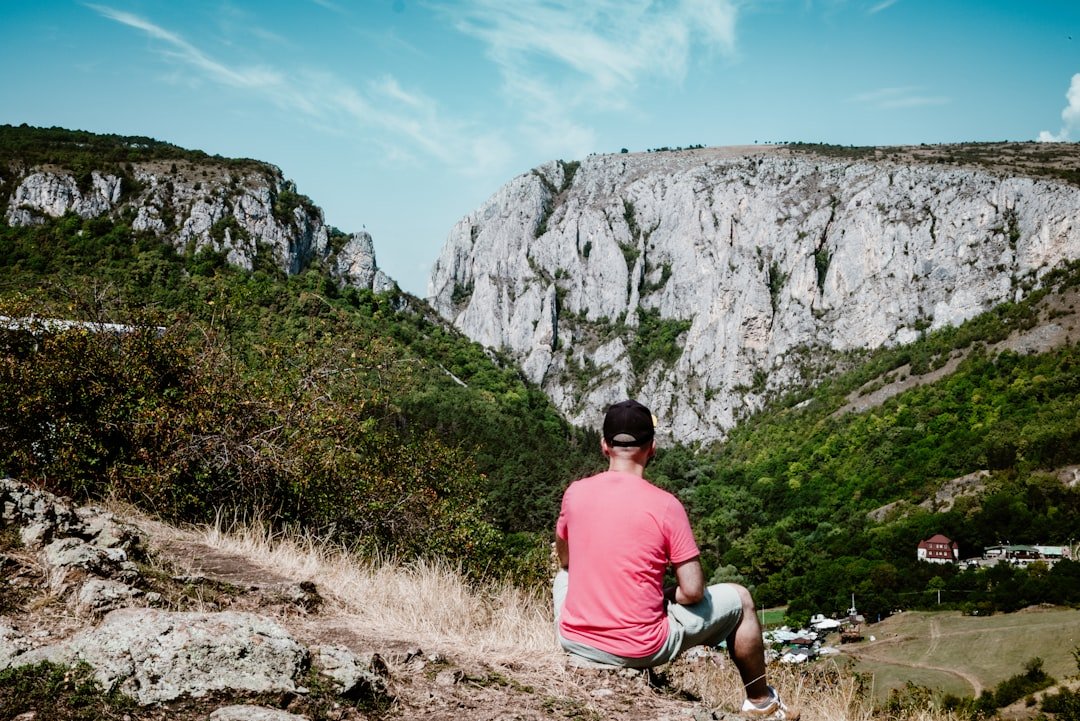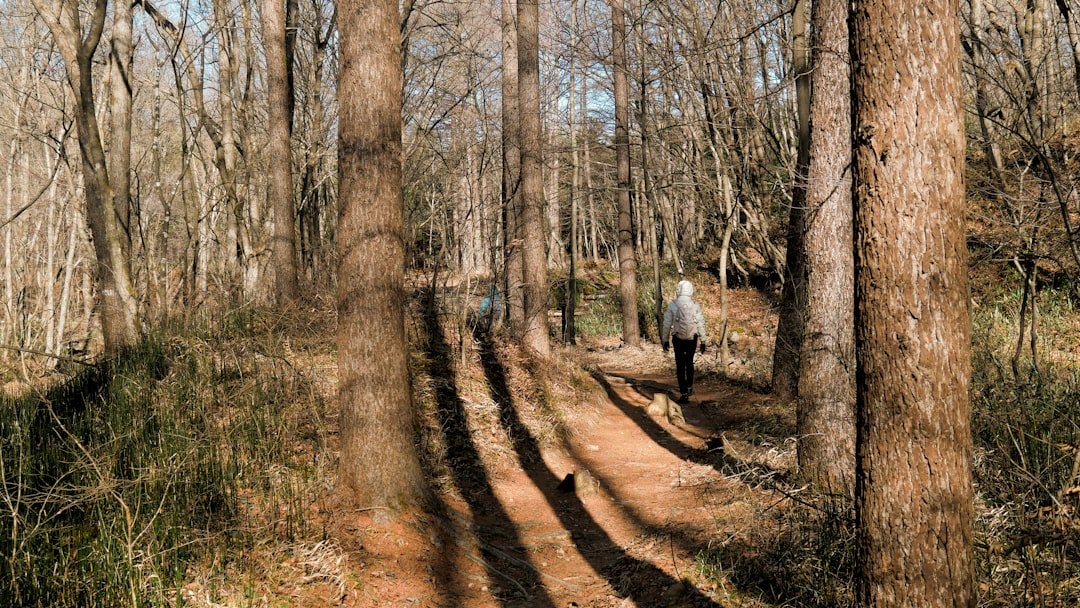
Alabama’s state parks stretch from Gulf Coast beaches and wetlands to Appalachian ridges, caves, waterfalls, forests, and large fishing lakes. The Alabama State Parks Division currently operates 21 parks covering approximately 48,000 acres, giving travelers choices for hiking, camping, birdwatching, swimming, paddling, fishing, family outings, and quiet nature escapes.
Quick Answer
Some of the best state parks in Alabama are Gulf State Park for beaches and birding, Cheaha for mountain views, Oak Mountain for varied outdoor recreation, DeSoto for waterfalls, Lake Guntersville for fishing and lake activities, Monte Sano for hiking, and Cathedral Caverns for an underground adventure.
Key Takeaways
- Alabama State Parks operates 21 parks ranging from Gulf Coast habitats to mountain forests.
- Cheaha State Park contains Alabama’s highest point at 2,407 feet, while Oak Mountain is the state’s largest state park at 11,861 acres.
- Gulf State Park and Meaher State Park are excellent choices for coastal wildlife and birding.
- DeSoto State Park is a standout for waterfalls, while Cathedral Caverns offers a completely different underground experience.
- Camping, cabins, lodges, fishing, boating, swimming, hiking, biking, golf, and nature programs are available at different parks.
- Fees, pet policies, operating hours, trail conditions, and reservations vary, so check the official page for the specific park before traveling.
Best Alabama State Parks at a Glance
There is no single best park for every traveler. The right choice depends on whether you want beaches, mountains, waterfalls, caves, wildlife, fishing, or a large selection of family activities.
| Park | Best For | Standout Features |
|---|---|---|
| Gulf State Park | Beach trips and birding | Gulf Coast beach access, Lake Shelby, trails, camping, wildlife, and nature programs |
| Cheaha State Park | Mountain scenery | Alabama’s highest point at 2,407 feet, overlooks, trails, camping, cabins, and museums |
| Oak Mountain State Park | All-around recreation | 11,861 acres, more than 100 miles of trails, lakes, beaches, biking, fishing, golf, and wildlife programs |
| DeSoto State Park | Waterfalls and forest hikes | 104-foot DeSoto Falls, mountain scenery, trails, CCC history, camping, cabins, and lodge accommodations |
| Lake Guntersville State Park | Fishing and lake recreation | 6,000 acres of woodlands, fishing, boating, kayak rentals, hiking, biking, golf, and eagle watching |
| Monte Sano State Park | Hiking near Huntsville | Mountain views, approximately 20 miles of hiking trails, biking trails, CCC cabins, camping, and gardens |
| Cathedral Caverns State Park | Cave tours | Massive cave entrance, guided cavern tours, large formations, hiking, and camping |
| Meaher State Park | Wetlands and birding | Mobile-Tensaw Delta access, boardwalk, fishing pier, boat ramp, camping, cabins, and coastal birds |
Hiking Trails and Scenic Views
Alabama’s state parks provide hundreds of miles of hiking, biking, and equestrian trails across very different landscapes. Mountain parks in northern and central Alabama are especially rewarding when you want overlooks, rocky terrain, hardwood forests, and changing fall color.
Cheaha State Park
Cheaha State Park reaches 2,407 feet above sea level, the highest point in Alabama. Its elevated setting provides expansive views across the surrounding Talladega National Forest. Visitors can choose from accessible paths and more demanding routes around the mountain.
The Pinhoti Trail, Cheaha Wilderness, and additional Talladega National Forest recreation areas surround or lie close to the park, making Cheaha a useful base for a longer hiking trip. Because some nearby routes extend onto federal land, check the appropriate park or U.S. Forest Service map rather than assuming every surrounding trail is inside Cheaha State Park.
Monte Sano State Park
Near Huntsville, Monte Sano State Park has approximately 20 miles of hiking trails along with a separate network of biking trails. Routes vary from relatively easy walks to rocky, more strenuous terrain. The park’s plateau areas provide some of its best broad views.
The Sinks Trail is part of Monte Sano’s larger trail system, but hikers specifically looking for established overlooks should consult the current trail map and consider plateau routes such as the North Plateau area rather than relying on an unsupported claim that one particular trail always leads to a viewpoint.
Oak Mountain State Park
Oak Mountain State Park offers an even larger trail network. The 11,861-acre park has more than 100 miles of trails and supports hiking, mountain biking, horseback riding, and overnight backcountry trips. Its combination of forest paths, lakes, Peavine Falls, recreational facilities, and proximity to Birmingham makes it one of Alabama’s strongest all-around choices.
Pro Tip: Download or photograph the official trail map before leaving the trailhead. Cell coverage can be inconsistent in mountain areas, and neighboring national-forest trails may use different maps and rules.
Wildlife and Birdwatching

Alabama’s state parks protect coastal marshes, mountain forests, lakes, wetlands, and other habitats used by resident and migratory wildlife. Birdwatching is especially rewarding because travelers can move from Gulf Coast habitats to inland forests and large reservoirs without leaving the state.
Gulf State Park’s official birding information lists osprey, herons, rails, owls, woodpeckers, and nesting bald eagles among the birds visitors may encounter. Its mix of shoreline, freshwater, marsh, pine, and other coastal habitats makes it one of the most varied birding destinations in the park system.
Meaher State Park is another strong option. The park sits in the wetlands of north Mobile Bay and is a stop on the Alabama Coastal Birding Trail. Visitors can combine birdwatching with a self-guided boardwalk walk, fishing, paddling, and views into the Mobile-Tensaw Delta.
Lake Guntersville State Park is well known for birds of prey and waterbirds. Its day-use areas are good places to watch for eagles, osprey, herons, kingfishers, ducks, and songbirds, while the park’s annual eagle-focused programming adds an educational element to winter visits.
Travelers who want to extend their wildlife trip beyond the state-park system can also explore Bankhead National Forest. Bankhead is federal national-forest land rather than one of Alabama State Parks Division’s 21 parks, so its regulations, maps, and recreation information should be checked separately.
Camping and Outdoor Activities
| Activity | Good Park Choices | What to Know |
|---|---|---|
| Camping | Gulf, Cheaha, Oak Mountain, Monte Sano, DeSoto | Options vary from primitive tent sites to improved RV sites; advance reservations are wise for popular weekends. |
| Hiking | Cheaha, Oak Mountain, Monte Sano, DeSoto | Choose a route that matches your fitness, available daylight, weather, and footwear. |
| Fishing and paddling | Lake Guntersville, Gulf, Meaher, Lakepoint | Fishing licenses, boating rules, launch fees, rental availability, and swimming rules vary by location. |
Camping remains one of the easiest ways to spend more time inside Alabama’s parks. Many parks offer modern campsites along with primitive camping, and some also provide cabins, cottages, lodge rooms, or glamping options. Facilities vary substantially, so the best campground depends on whether you want full utility hookups, a tent-only experience, lake access, mountain scenery, or quick access to a beach.
Oak Mountain State Park combines camping with one of the widest selections of outdoor recreation in the state, including hiking, mountain biking, fishing, swimming areas, golf, paddling opportunities, and nature programs.
Lake Guntersville State Park is particularly useful for travelers who want to mix camping with water recreation. Its day-use areas include boat ramps and kayak launches, and the park currently offers kayak rentals. The Town Creek Fishing Center also lists canoes, kayaks, pontoons, and bass boats among its rental options.
At Gulf State Park, campers can combine an overnight stay with beach time, trails, freshwater recreation, birding, and nature programming. Because campground demand can be high during popular travel periods, booking early is a sensible approach.
Historical and Cultural Attractions
Alabama’s parks preserve more than natural scenery. Civilian Conservation Corps work from the 1930s remains visible at several parks, including historic cabins and stone structures that continue to be used today.
Monte Sano State Park has original CCC stone cabins built during the 1930s, while DeSoto State Park preserves historic CCC cabins, lodge architecture, roadbeds, stonework, and other traces of the program’s work. These structures give visitors a tangible connection to the era when large public-conservation projects helped develop recreation infrastructure across the country.
DeSoto’s name also connects the area with the legacy of Spanish explorer Hernando de Soto, but the most visible and well-documented history inside the modern park comes from its CCC-era structures and landscape improvements.
Tannehill Ironworks Historical State Park offers a different type of historical experience. Its landscape preserves a major 19th-century iron-making complex with furnace remains, recreation areas, trails, and historical interpretation. Tannehill is a historical state park administered separately from the Alabama State Parks Division’s 21-park system, so visitors should use Tannehill’s own website for current hours, events, camping, and rules.
Waterfalls and Natural Wonders

For a waterfall-focused state-park trip, DeSoto State Park is one of the strongest choices. DeSoto Falls, located about seven miles from the park’s main area, drops 104 feet. Visitors can reach different views from the picnic area and nearby trails, but water flow changes with rainfall and is typically strongest during wetter periods.
The lower viewpoint involves stairs, while other approaches use rocky mountain trails. The official park guidance recommends appropriate footwear and extra water, and parking can become limited during busy periods.
Cheaha State Park can also be combined with waterfall hikes in the surrounding Talladega National Forest. The park is surrounded by extensive federal land, including the Cheaha Wilderness, so hikers should distinguish between routes inside Cheaha State Park and routes managed by the U.S. Forest Service.
Noccalula Falls is another famous Alabama waterfall, cascading about 90 feet into Black Creek ravine in Gadsden. However, Noccalula Falls Park is a City of Gadsden attraction rather than one of the 21 parks operated by Alabama State Parks Division. It works well as a separate side trip for travelers exploring northeast Alabama.
Warning: Never assume a waterfall pool, lake, or beach is safe for swimming simply because other visitors are in the water. Follow posted rules, stay behind barriers, keep children away from unprotected drop-offs, and avoid slick rocks near waterfalls. At Gulf Coast parks, pay attention to current beach-warning flags and wildlife guidance.
Picnic Areas and Family-Friendly Fun
Many Alabama state parks have picnic tables, grills, pavilions, playgrounds, beaches, lakes, or other day-use areas that work well for family outings. Oak Mountain is especially versatile because families can combine a picnic with playgrounds, lakes, nature programs, wildlife education, beaches, and shorter trails.
Chewacla State Park near Auburn and Opelika is another family-friendly option. Its 696 acres include a 26-acre lake, swimming area, playground, campground, picnic facilities, cabins, hiking trails, and mountain-biking routes.
Cathedral Caverns State Park provides a very different family experience. Its enormous cave entrance measures 126 feet wide and 25 feet high, and the cave stays around 60°F throughout the year. Tour reservations are recommended, making it a useful option when families want an activity less dependent on summer heat or rainy outdoor conditions.
Family programming changes throughout the year. Nature walks, Junior Ranger activities, wildlife programs, guided hikes, crafts, and educational events may be offered at individual parks, so check the official event calendar when planning a trip.
If you are preparing a picnic, simple fruit and other easy-to-carry snacks can be convenient between activities. For something less familiar, this site’s guide to Asian melon explains another fruit option you could try before packing your cooler.
Conservation and Environmental Education
Recreation is only part of the Alabama State Parks mission. The system also works to preserve natural areas, protect distinctive features, maintain recreational facilities, and increase public knowledge of Alabama’s natural environment.
Gulf State Park’s Nature Center is a good example. Its educational programs introduce visitors to Gulf Coast plants, animals, beaches, and habitats, with activities that can include nature walks and wildlife-focused programs.
Oak Mountain State Park also combines outdoor recreation with wildlife education. The Alabama Wildlife Center rehabilitates injured native birds, while the park’s Tree Top Nature Trail provides opportunities to learn about resident birds and their conservation.
Visitors can support these efforts by staying on designated trails where required, disposing of waste properly, avoiding disturbance of wildlife, respecting closures, and following fishing, boating, camping, fire, and pet rules.
Alabama State Parks currently protects approximately 48,000 acres of land and water across 21 parks, from Gulf Coast habitats to the Appalachian Mountains.
Planning Your Alabama State Park Visit
Choose the Park Around Your Main Activity
If hiking and mountain views are your priority, start with Cheaha, Monte Sano, Oak Mountain, or DeSoto. For beaches and coastal nature, Gulf State Park is the strongest match. Lake Guntersville works well for fishing and boating, Cathedral Caverns for cave tours, and Meaher for wetlands and Mobile-Tensaw Delta scenery.
Best Time to Visit
Spring and fall are popular for hiking because they can provide more comfortable conditions than the hottest part of summer. Spring is also useful for waterfall trips after wetter weather, while autumn can bring colorful foliage to northern mountain parks. Summer is well suited to lake and Gulf Coast recreation, but heat, humidity, thunderstorms, and strong sun require extra preparation.
Winter can be quieter and is still useful for hiking on suitable days. Lake Guntersville is particularly notable for winter eagle-watching programs. Cathedral Caverns remains around 60°F inside throughout the year, making the cave less affected by outdoor temperature swings.
Fees and Reservations
Entrance fees are not uniform across Alabama’s parks. Some locations charge per person, others have vehicle or parking fees, and certain activities such as boat launching, cave tours, rentals, or special facilities can have separate charges. Always check the specific park’s current fee page rather than assuming a statewide price.
Camping, cabins, lodge rooms, and other accommodations at many parks can be booked through the official Alabama State Parks reservation system. Advance reservations are recommended for popular weekends, holidays, beach trips, and peak seasonal periods.
Pets
Pets are generally welcome in Alabama State Parks when properly controlled, and dogs normally must remain on a leash unless a designated area says otherwise. Restrictions apply to some buildings, swimming areas, food-service locations, trails, and overnight facilities. Check the individual park’s rules when traveling with a pet.
Accessibility
Accessibility varies by park and facility. Alabama State Parks now offers Outdoor Mobility Devices at selected locations, including certain opportunities at Oak Mountain, Gulf, Monte Sano, Lakepoint, and Joe Wheeler. Advance reservations are encouraged for these devices because availability is limited.
Note: Trail conditions, swimming access, cave tours, equipment rentals, park programs, hours, fees, and weather-related closures can change. Check the official park page shortly before departure, especially when a specific activity is essential to your trip.
Sources
- Alabama State Parks: About Alabama State Parks — current system size, mission, accessibility, conservation, and pet information.
- Alabama State Parks: Cheaha State Park — official elevation, amenities, trails, and surrounding recreation areas.
- Alabama State Parks: Oak Mountain State Park — park size, trail mileage, wildlife programs, and recreation.
- Alabama State Parks: Gulf State Park Birding — bird species and coastal birding information.
- Alabama State Parks: DeSoto Falls Picnic Area — waterfall access, trail difficulty, parking, and safety information.
- Alabama State Parks: Rules, Policies, and Discounts — current visitor, reservation, pet, and accommodation policies.
Frequently Asked Questions
What are the best state parks in Alabama?
Top choices include Gulf State Park for beaches and birding, Cheaha for mountain views, Oak Mountain for varied recreation, DeSoto for waterfalls, Lake Guntersville for fishing and boating, Monte Sano for hiking, Cathedral Caverns for cave tours, and Meaher for wetlands and coastal wildlife.
What activities can I do at Alabama state parks?
Depending on the park, activities can include hiking, camping, fishing, swimming, paddling, boating, birdwatching, wildlife viewing, mountain biking, horseback riding, golf, cave tours, zip lines, nature programs, picnicking, and playground visits.
Are there accommodations available at Alabama state parks?
Yes. Depending on the park, accommodations may include primitive campsites, improved RV sites, cabins, cottages, chalets, glamping tents, and lodge rooms. Availability and amenities differ by location.
Are pets allowed at Alabama state parks?
Pets are generally welcome, and dogs normally must remain leashed unless a designated area permits otherwise. Restrictions apply in some swimming areas, buildings, food-service areas, trails, and overnight accommodations, so review the specific park’s policy before visiting.
What are the entrance fees for Alabama state parks?
Fees vary by park. Some parks charge per person, while others may charge parking, vehicle, activity, tour, launch, or facility fees. Because prices can change, check the official page for the park you plan to visit.
Can I make reservations for Alabama state parks?
Yes. Many campsites, cabins, lodge rooms, and other accommodations can be reserved through the official Alabama State Parks reservation system. Booking ahead is recommended for popular weekends, holidays, and peak travel seasons.
What is the best time to visit Alabama state parks?
Spring and fall are excellent for hiking and mountain trips, while summer is popular for beaches, lakes, paddling, and swimming. Winter can bring quieter trails and is a notable season for eagle watching around Lake Guntersville. The best month ultimately depends on your park and planned activity.
Which Alabama state park is best for waterfalls, beaches, or caves?
Choose DeSoto State Park for a major waterfall experience, Gulf State Park for Gulf Coast beaches and coastal habitats, and Cathedral Caverns State Park for a guided underground cave experience.